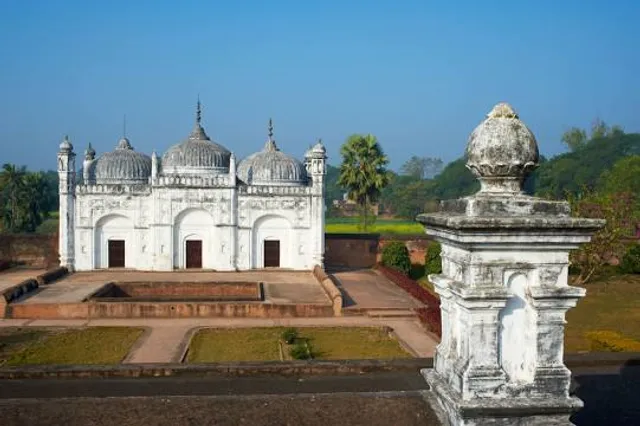
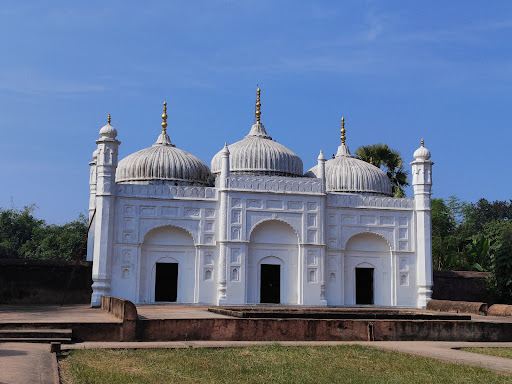
I recently had the opportunity to visit Khushbagh, also known as the "Garden of Happiness," and I must say it was a truly captivating experience. Situated on the picturesque west bank of the Hooghly river in Murshidabad district, West Bengal, India, Khushbagh is not just a cemetery but a historical treasure trove that showcases the rich heritage of the Nawabs of Bengal.
The first thing that struck me about Khushbagh was its serene ambiance. As I walked through the walled enclosures, I couldn't help but marvel at the architectural beauty and the sense of tranquility that permeated the air. The mausoleum housing the graves of Nawab Siraj ud-Daulah, Nawab Alivardi Khan, and their family members is a testament to the grandeur of the Afshar dynasty.
One aspect of Khushbagh's history that particularly moved me was the story of Lutfunnisa Begum, the wife of Nawab Siraj ud-Daulah. Her unwavering devotion to her husband, even in the face of adversity, is truly inspiring. The fact that she spent years tending to his grave and the once vibrant gardens speaks volumes about her love and dedication.
Moreover, the meticulous maintenance of Khushbagh is evident in every detail. The 108 varieties of roses that once bloomed in the gardens are a testament to the care and attention given to preserving this historical site. The fact that it covers 7.65 acres of land and is surrounded by a 2,741 feet long wall underscores its grandeur and significance.
In conclusion, my visit to Khushbagh was not just a journey through history but also a deeply enriching experience. I would highly recommend it to anyone interested in delving into the rich tapestry of Bengal's past. Whether you're a history enthusiast or simply looking for a tranquil retreat, Khushbagh has something to offer...
Read moreKhushbag Garden is the calm place along the west bank of Ganga river of Lalbag. It is said that the Body of Nawab Siraj ud Dullah and his family buried here. Nawab Alibardi khan established the building following the interior design of Jama Mosque of Delhi in 1740. Khoshbag meaning " the garden of Happiness" named after the blossom of Rose of 108 specie's in the garden. It is said that 17 persons of Nawab poisoned to death are buried here. Siraj's wife Ltfunnesha begum has been buried besides his grave in this garden. Khushbag Garden es el lugar tranquilo a lo largo de la orilla occidental del río Ganges de Lalbag. Se dice que el cuerpo de Nawab Siraj ud Dullah y su familia fueron enterrados aquí. Nawab Alibardi khan estableció el edificio siguiendo el diseño interior de la Mezquita Jama de Delhi en 1740. Khoshbag que significa "el jardín de la felicidad" llamado así por la flor de la rosa de 108 especies en el jardín. Se dice que aquí están enterradas 17 personas de Nawab envenenadas hasta la muerte. La esposa de Siraj, Ltfunnesha begum, ha sido enterrada junto a su tumba en este jardín. लालबाग की गंगा नदी के पश्चिमी तट पर खुशबाग गार्डन शांत स्थान है। कहा जाता है कि नवाब सिराज उद दल्ला और उनके परिवार के शव को यहां दफनाया गया था। नवाब अलीबर्दी खान ने 1740 में दिल्ली की जामा मस्जिद के आंतरिक डिजाइन के बाद भवन की स्थापना की थी। खूशबाग का अर्थ "हैप्पीनेस का बगीचा" है, जिसका नाम बाग में 108 स्पीशीज के गुलाब के खिलने के बाद रखा गया था। ऐसा कहा जाता है कि नवाब के 17 लोगों को मौत के घाट उतार दिया गया था। सिराज की पत्नी लेफ्टिननेशा बेगम को इस बाग में उनकी कब्र के अलावा दफनाया गया है। லால்பாக்கின் கங்கா ஆற்றின் மேற்குக் கரையில் அமைதியான இடம் குஷ்பாக் கார்டன். நவாப் சிராஜ் உத் துல்லா மற்றும் அவரது குடும்பத்தினரின் உடல் இங்கு அடக்கம் செய்யப்பட்டதாகக் கூறப்படுகிறது. 1740 ஆம் ஆண்டில் டெல்லியின் ஜமா மசூதியின் உட்புற வடிவமைப்பைத் தொடர்ந்து நவாப் அலிபார்டி கான் இந்த கட்டிடத்தை நிறுவினார். கோஷ்பாக் என்பதன் அர்த்தம் "மகிழ்ச்சியின் தோட்டம்" என்பது தோட்டத்தில் 108 ஸ்பீஸின் ரோஸின் மலரின் பெயரிடப்பட்டது. நவாப் விஷம் குடித்து கொல்லப்பட்ட 17 பேர் இங்கு அடக்கம் செய்யப்பட்டுள்ளதாக கூறப்படுகிறது. சிராஜின் மனைவி லெப்ட்புன்னேஷா பேகம் அவரது கல்லறை தவிர இந்த தோட்டத்தில் அடக்கம் செய்யப்பட்டுள்ளார். خوش بگ گارڈن لال باغ کے دریائے گنگا کے مغربی کنارے کے ساتھ پرسکون مقام ہے۔ کہا جاتا ہے کہ نواب سراج الدولہ اور اس کے اہل خانہ کی میت یہاں دفن ہوئی ہے۔ نواب علیباردی خان نے 1740 میں دہلی کی جامع مسجد کے داخلی ڈیزائن کے بعد یہ عمارت قائم کی تھی۔ خوششباغ کے معنی "خوشی کا باغ" ہے جس کا نام باغ کے 108 مخصوص قسم کے گلاب کے پھول کے نام پر رکھا گیا ہے۔ کہا جاتا ہے کہ نواب کے 17 افراد کو زہر مار کر یہاں دفن کیا گیا ہے۔ اس باغ میں سراج کی اہلیہ لیٹفونیشہ بیگم کو اس کی قبر کے علاوہ سپرد خاک کردیا گیا ہے۔ Khushbag est tranquillitas paradiso ad plagam per locum a flumine ripae Ganga Lalbag. Dicitur esse Corpus Nawab Siraj Dullah ud te hic tumulari mandasti, et familiam suam. Nawab Alibardi Khan statutum hoc ad aedificationem intus in Delhi 1740 Consilium fama Mosque of Khoshbag est «hortum beatitudo 'nominatur flos Rose CVIII de genere est in horto. XVII dicitur quod homines de veneno Nawab pace sepulta sunt hic. Siraj uxor Ltfunnesha begum os absque peccatis suis sepultusque est in horto gravis. Khushbag Garden er det rolige sted langs vestbredden af Ganga-floden i Lalbag. Det siges, at liget af Nawab Siraj ud Dullah og hans familie begravet her. Nawab Alibardi khan etablerede bygningen efter indretningen af Jama-moskeen i Delhi i 1740. Khoshbag betyder "lykkenes have" opkaldt efter blomsten af Rose af 108 arter i haven. Det siges, at 17 personer af Nawab forgiftet ihjel er begravet her. Sirajs kone Ltfunnesha begum er begravet foruden hans grav i denne have. Khushbag Garden은 Lalbag의 Ganga 강 서쪽 기슭을 따라있는 조용한 장소입니다. Nawab Siraj ud Dullah의 시체와 그의 가족이 이곳에 묻혔다 고합니다. Nawab Alibardi khan은 1740 년 델리의 Jama Mosque의 인테리어 디자인에 따라 건물을 세웠습니다. Khoshbag은 정원에있는 108 종의 장미 꽃을 따서 명명 한 "행복의 정원"을 의미합니다. 독살 된 나와 브의 17 명이 이곳에 묻혔다 고합니다. Siraj의 아내 Ltfunnesha begum은이 정원에있는 그의...
Read moreThe garden-cemetery was built by the first Nawab of Bengal, Nawab Alivardi Khan. It consists of walled enclosures. The outer walls had looped holes for musketry and used to be flanked by octagonal bastions. Jafar was restored as the Nawab in 1763 with the support of the company. Mir Qasim, however, refused to accept this and went to war against the company. Jafar ruled until his death on 5 February 1765 and lies buried at the Jafarganj Cemetery in Murshidabad, West Bengal. It's a place of cemetery. It is one of the famous place in Murshidabad. The cemetery has a beautiful garden. And owing to its location on the bank of the Bhagirathi River. The garden cemetery was built by the first nawab of west bengal, Nawab Alivardi Khan. Local people called this place 'Sirajer Samadhi'.. From Murshidabad you can visit Khosbagh. There is many burials. Lutfunnisa Begum, Alivardi Khan, Amina Begum, Ghaseti Begum, Siraj Ud-Daulah etc. Siraj and his family members, and loyal friends were all killed and all were buried here in Khosbag. Here the nature also seems to be stagnant in sorrow. To witness all these historical events, must visit this tomb in...
Read more