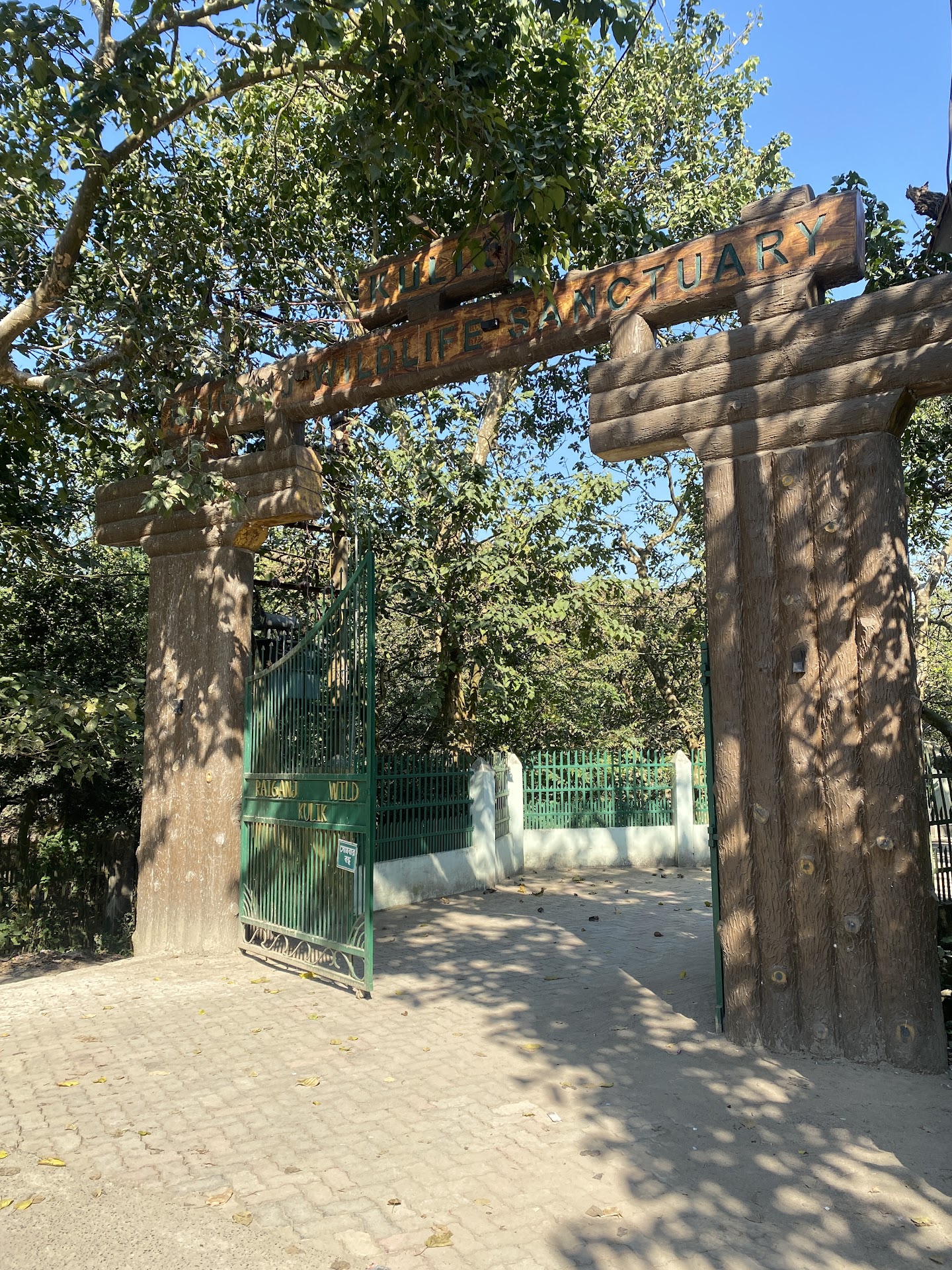
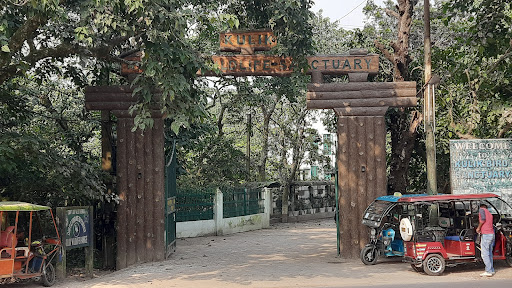
Raiganj (Kulik) Bird Sanctuary, also known as the Raiganj Wildlife Sanctuary, is a significant bird sanctuary located in the Raiganj town of North Dinajpur district in West Bengal, India. Here are key points about Raiganj (Kulik) Bird Sanctuary:
Location: Raiganj Bird Sanctuary is situated in the town of Raiganj in North Dinajpur district, West Bengal.
Kulik Bird Sanctuary: It is often referred to as Kulik Bird Sanctuary, named after the Kulik River that flows through the region.
Biodiversity: The sanctuary is primarily known for being a habitat for a diverse range of migratory birds. It serves as an important stopover for numerous species during their migratory journey.
Migratory Birds: During the winter season, the sanctuary attracts a large number of migratory birds, including various species of ducks, geese, waders, and waterfowl.
Kulik Reservoir: The sanctuary surrounds the Kulik Reservoir, which is a man-made water body created for irrigation purposes. The reservoir becomes a haven for birdlife during the migratory season.
Best Time to Visit: The best time to visit Raiganj (Kulik) Bird Sanctuary is during the winter months, from November to February when migratory birds flock to the area.
Observation Towers: The sanctuary is equipped with observation towers and watchpoints that allow visitors to observe the birds without disturbing their natural habitat.
Conservation Efforts: Conservation efforts in the sanctuary focus on maintaining the ecological balance, protecting the wetland ecosystem, and providing a safe habitat for migratory birds.
Connectivity: Raiganj is well-connected by road and rail, making it accessible for bird enthusiasts and nature lovers.
Bird Watching: Birdwatching is a popular activity in the sanctuary, and it offers opportunities for enthusiasts to observe a variety of bird species in their natural environment.
Nearby Attractions: The region around Raiganj has other attractions, including historical sites and cultural landmarks, making it a potential destination for a well-rounded visit.
Visiting Raiganj (Kulik) Bird Sanctuary provides a unique opportunity to witness the beauty of migratory birds and appreciate the importance of...
Read moreRaiganj (Kulik) Bird & Wildlife Sanctuary, located in the picturesque town of Raiganj in West Bengal, India, is a hidden gem for nature lovers and bird enthusiasts. This sanctuary, spread over a vast area of wetlands and marshes, offers a unique opportunity to observe a diverse range of bird species in their natural habitat.
Upon entering the Raiganj Bird & Wildlife Sanctuary, visitors are greeted by the soothing sounds of chirping birds and the tranquil beauty of the surrounding landscape. The sanctuary is home to a wide variety of bird species, including migratory birds that visit the area during the winter months, making it a haven for birdwatchers and wildlife photographers.
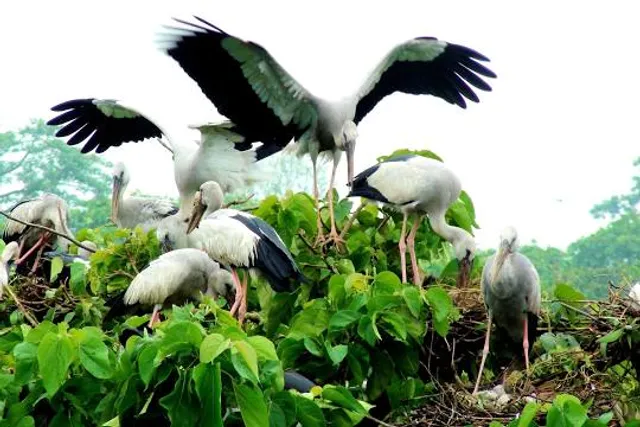
One of the highlights of the Raiganj Sanctuary is the presence of the majestic kulik birds, after which the sanctuary is named. These large waterfowl can be spotted wading through the marshes and feeding on aquatic plants, offering visitors a rare and unforgettable sight.
In addition to the kulik birds, the sanctuary is also home to a diverse array of bird species, including herons, egrets, storks, kingfishers, and many more. The sanctuary's rich biodiversity makes it a paradise for birdwatching enthusiasts, providing ample opportunities to observe and photograph these beautiful creatures in their natural habitat.
Visitors to the Raiganj Bird & Wildlife Sanctuary can explore the area on foot or by boat, immersing themselves in the serene beauty of the wetlands and marshes. The sanctuary's peaceful ambiance and unspoiled natural surroundings create a sense of tranquility and connection with nature, making it an ideal destination for those seeking a break from the hustle and bustle of city life.
Overall, the Raiganj (Kulik) Bird & Wildlife Sanctuary is a hidden gem that offers a unique opportunity to experience the beauty and diversity of West Bengal's natural landscape. Whether you are a bird enthusiast, nature lover, or simply looking for a peaceful retreat, a visit to this sanctuary promises an enriching and memorable experience that will leave you with a deep appreciation for the wonders of the...
Read moreIt is claimed by some to be the largest bird sanctuary in Asia.3] However, there are other claimants to that distinction, such as Harike Pattan sanctuary, spread over 93 square miles (240 km2), in Tarn Taran district of Punjab.[4] Bharatpur Bird Sanctuary, now known as Keoladeo National Park is considered the largest in Asia.[5]
The area of the sanctuary is around 1.30 km2. The core area is about 0.14 km2 and the rest is buffer area. The river flows around part of the sanctuary and acts as the boundary in its eastern and southern parts. The shape of the sanctuary is that of the English alphabet "U". The sanctuary has a network of artificial canals connected with the river Kulik. During monsoon the river water enters the sanctuary, which supports a wide variety of food for the birds, particularly for the Asian openbill, whose main diet is apple snail. The sanctuary is home to 164 species of birds.[1
Several types of migratory birds arrive here each year from South Asian countries and coastal regions. They start arriving from June. The migratory species includes open-bill storks, egrets, night herons and cormorants.6] The resident birds are kites, flycatchers, owls, kingfishers, woodpeckers, drongoes, etc.[6]
According to a 2002 census, 77,012 birds visited the sanctuary that year.[7] Some 90,000 to 100,000 migratory birds visit the sanctuary every year.[1
Here is a description from a visitor: "On our way out from Kolkata to Raiganj, we were about to cross the bridge over the Kulik river on National Highway 34 when we saw hundreds of storks circling a patch of forest across the river. Intuitively, I knew we had arrived... Once up there (tourist lodge observatory)... we saw that all the 30-odd trees in the lodge compound were occupied by hundreds of open-billed storks... During our half-hour in the observatory, we saw flocks flying overhead carrying twigs to build their nests. Those that already had nests were busy sitting on eggs or tending to hatchlings. It was equally fascinating watching some taking time off from family chores to preen themselves and smooth...
Read more