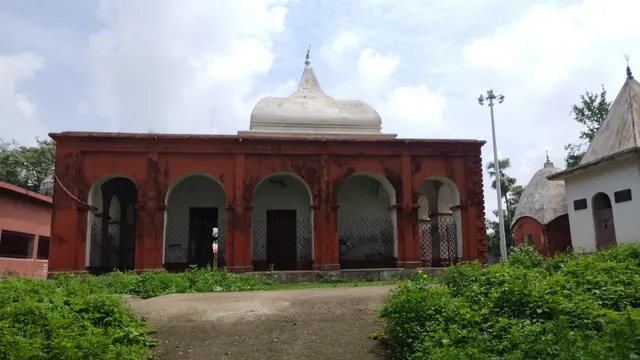
Kiriteshwari Temple (Bengali: কিরীটেশ্বরী মন্দির) is situated in Kiritkona village under the Nabagram Community Development Block, just beside the Panchagram-Nabagram-Lalbagh Road, in the district of Murshidabad in West Bengal. This is among one of the 51 peeths.
According to the Puranas or Hindu mythology, the place was named as Kiriteswari. Peeth devi name is devi Vimala and Bhairab is Samvarta. The construction of the temple is more than 1000 years old and this place was considered to be the sleeping place of Mahamaya. Local people call this temple as Mahismardini Temple. The deity is also worshipped as Mukuteshwari as her mukut or crown fell. The original temple was destroyed in 1405. The present temple was re-constructed by Darpanarayan, king of Lalgola in the 19th century and this is the oldest mark of architecture amongst 51 Sati Peethas. It is the oldest temple in the Murshidabad district. There is a myth that Nawab Mir Jaffar in his death bed had requested for the holy Charanamrito (the holy water) of Maa Kiriteswari while suffering from leprosy.
Because of some unexpected and unlucky incidents, the original deity was stolen and that's why a new idol was build and in off seasons, it is kept in a safe place which is unknown to all and in special occasions, the idol is being brought and worshipped and the pilgrims offer their prayers. A separate new idol was built by then king and since then it is kept in a new temple, bulit beside the old temple.
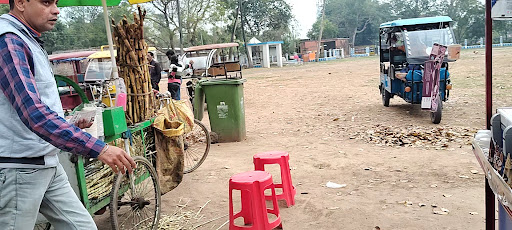
Its is situated in a very remote village. I personally went there first by crossing the Bhagirathi River from the Hazarduari Ghat, then took a cycle van and reached there. I don't know the exact distance but it is too far from Hazarduari Palace. Other options are also there but, to be honest, I am totally unaware of it.
🙏🏾🌺💮জয় মা...
Read moreKiriteswari Shakti Peeth is one of the 51 Shakti Peethas, which are sacred shrines dedicated to the goddess Shakti, the divine feminine power. These temples are believed to have originated from the body parts of the goddess Sati, the consort of Lord Shiva, which fell to earth as Shiva carried her lifeless body. Each Shakti Peeth is dedicated to a specific aspect of the goddess, and the places where Sati's body parts, ornaments, or clothing are said to have fallen are considered highly sacred.
Location: Kiriteswari Shakti Peeth is located in Kiritkona village, near Lalbagh in Murshidabad district, West Bengal, India. It is one of the ancient temples of the region, and it draws devotees from all over India due to its religious significance.
Significance: At Kiriteswari Shakti Peeth, it is believed that the crown (Kirit) of Sati fell. Hence, the temple is named Kiriteswari, which means "Goddess of the Crown." The temple is dedicated to Devi Vimala (another form of the goddess Shakti), and Lord Shiva is worshipped here as Samvarta.
The temple is considered an important pilgrimage site and is known for its spiritual ambiance. Many people visit this Shakti Peeth to seek blessings for health, wealth, and prosperity.
Architecture: The present temple structure is simple and not as grand as some other temples, but its spiritual significance is immense. The original temple was destroyed by foreign invasions, and the current structure was rebuilt later. Despite its simple appearance, the temple exudes a powerful religious atmosphere.
The site is especially crowded during special festivals and occasions, such as Navratri, when devotees come to offer prayers and participate in...
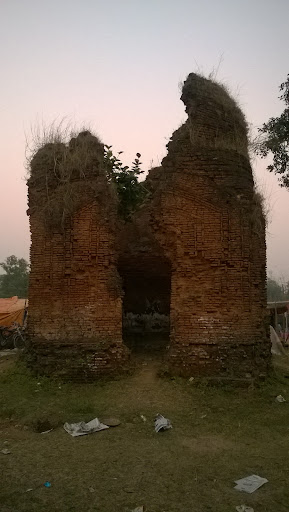
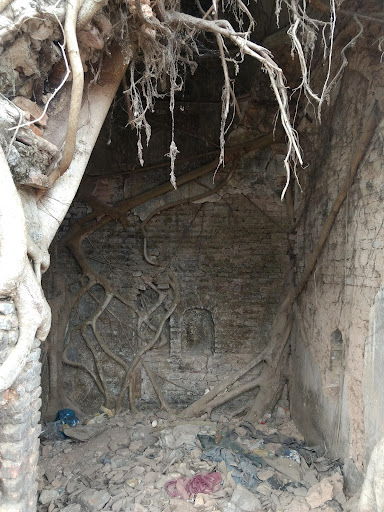
Read moreWe reached at Kiriteswari Temple crossing the Bhagirathi River along with our Totos. Kiriteswari Temple is the oldest, holiest, and a famous religious place of Murshidabad district and is also known by the name Mukuteshwari temple. This is one of the major Shakti Peethas among the 52. According to belief, the “crown” or the kirit of Sati Devi had fallen here. The Shakti Peet at Maa Kiriteswari temple is considered as an Upapeeta, as no limb or part of the body fell here, but only a portion of her ornament fell here. It is one among the handful of temples in Bengal where no deities but an auspicious black stone is worshipped. We entered into the temple. The priest welcomed us and narrated the brief history of the temple and also about the deity there worshipped. He pointed out to a black stone considered as Goddess and the design of the wall behind the Goddess. He told that the design denoted the conflict of the culture of Hindu, Muslim and Christian. He also described us about the structure of the temple. The previous name of Kiriteswari was Kireetkana. Kireet means the crown. And it is also heard that in the time of Shankaracharya and the Gupta age the Kiriteswari had the existence. The original Mandir was destroyed in 1405. The present temple was made in the 19th century by Darpanarayan Roy. The Kiriteshwari Devi was worshipped by hundreds of devotees throughout the ages. The head dress is preserved at Rani Bhabani's Guptamath at present. In this complex 16 temples of different deities are at present surviving. Adjacent to the temple we found a number of abandoned...
Read more