Kali is also a central figure in late medieval Bengali devotional literature, with such devotees as Ramprasad Sen (1718–75). With the exception of being associated with Parvatias Shiva's consort, Kāli is rarely pictured in Hindu legends and iconography as a motherly figure until Bengali devotions beginning in the early eighteenth century. Even in Bengāli tradition her appearance and habits change little, if at all.[48]
The Tantric approach to Kāli is to display courage by confronting her on cremation grounds in the dead of night, despite her terrible appearance. In contrast, the Bengali devotee appropriates Kāli's teachings adopting the attitude of a child, coming to love her unreservedly. In both cases, the goal of the devotee is to become reconciled with death and to learn acceptance of the way that things are. These themes are well addressed in Rāmprasād's work.[49] Rāmprasād comments in many of his other songs that Kāli is indifferent to his wellbeing, causes him to suffer, brings his worldly desires to nothing and his worldly goods to ruin. He also states that she does not behave like a mother should and that she ignores his pleas:
Can mercy be found in the heart of her who was born of the stone? [a reference to Kali as the daughter of Himalaya] Were she not merciless, would she kick the breast of her lord? Men call you merciful, but there is no trace of mercy in you, Mother. You have cut off the heads of the children of others, and these you wear as a garland around your neck. It matters not how much I call you "Mother, Mother." You hear me, but you will not listen.[50]
To be a child of Kāli, Rāmprasād asserts, is to be denied of earthly delights and pleasures. Kāli is said to refrain from giving that which is expected. To the devotee, it is perhaps her very refusal to do so that enables her devotees to reflect on dimensions of themselves and of reality that go beyond the material world.[50]
A significant portion of Bengali devotional music features Kāli as its central theme and is known as Shyama Sangeet ("Music of the Night"). Mostly sung by male vocalists, today even women have taken to this form of music. One of the finest singers of Shyāma Sāngeet is Pannalal Bhattacharya.
Kāli is especially venerated in the festival of Kali Puja in eastern India—celebrated when the new moon day of Ashwin month coincides with the festival of Diwali. The practice of animal sacrifice is common during Kali Puja in Bengal, Orissa, and Assam, though it is rare outside of those areas. The Hindu templeswhere this takes place involves the ritual slaying of goats, chickens and sometimes male Water buffalos. Throughout India, the practice is becoming less common.[51] The rituals in eastern India temples where animals are killed are generally led by Brahminpriests.[52] A number of Tantric Puranasspecify the ritual for how the animal should be killed. A Brahmin priest will recite a mantra in the ear of animal to be sacrificed, in order to free the animal from the cycle of life and death. Groups such as People for Animals continue to protest animal sacrifice based on court rulings forbidding the practice in some...
Read moreThe Kankalitala Shaktipeeth Temple, dedicated to the Goddess Kali, is one of the 51 sacred Shakti Peethas located in Bolpur subdivision of Birbhum district in West Bengal. According to ancient legend, this temple marks where Parvati’s waist (or kankal in Bengali) fell onto earth and has remained ever since as a home for her divine spirit. Visitors have reported a powerful energy emanating from this holy site that fills them with solace and peace while experiencing the presence of their beloved deity firsthand.
When Sati’s waist fell to the ground at Kankalitala, an indentation was made. This depression eventually filled with water and formed a sacred kund, it is said that her body part lies beneath this very pond.
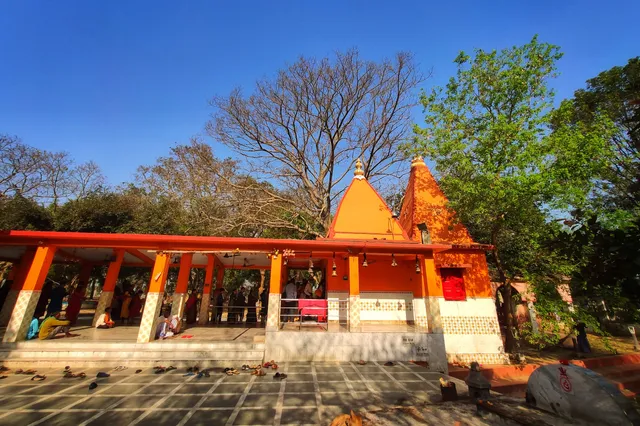
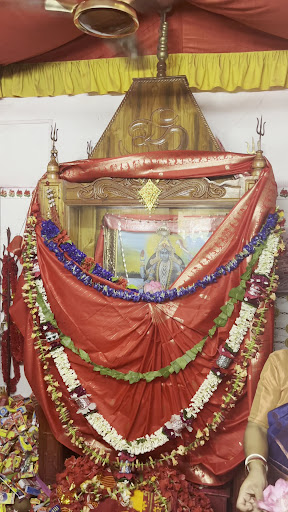
Kankalitala Shaktipeeth Temple in Bolpur West Bengal boasts a spectacular garbhagriha, featuring an ornately decorated metal spire atop its pyramidal roof and a natmandir to the side. Of all of India’s 51 Shakti Peetas, Kankalitala is revered as one of the four Adi Shaktipeeths and 18 Maha Shakti Peethas! If you’re looking for an unforgettable pilgrimage experience, book your trip package today to visit this remarkable temple.
The Shakti Peethas are sacred sites dedicated to the Mother Goddess. To initiate her presence, Lord Brahma conducted a yajna and called upon both Shiva and Shakti; feeling compassion for Brahma’s plight, Shivaa released his companion Shakti who then assisted in creating the universe. In appreciation of this action, Brahma chose to gift her back to Shiva by having Daksha perform several successful yajnas as an offering so Sati could become his daughter – thus uniting her with Shiva at last. Unfortunately though, after their marriage was consummated, Daksha neglected to invite them both when he held another ceremony; enraged yet again Shiva had no choice but be absent from it all together. To honor Sati’s request to see her father, Shiva allowed his wife to go the yagna. However, Daksha proceeded to disrespect her husband during their visit – an insult that was too much for Sati. In response, she immolated herself in sorrow and outrage. This uncurbed anger provoked Shiva into a wrathful form; Veerabhadra unleashed destruction upon the yagna and killed Daksha with no hesitation. Distraught by this tragedy, Lord Shiva took Sati’s body on a journey throughout Aryavartha as he channeled his grief through Tandav-the celestial dance of devastation. Lord Vishu, with the aim of stopping the Tandav, used his Sudarshana Chakra, which cut through the Sati’s corpse. The parts of Sati body fell at varroas spots all through the Indian and neighboring country and these Sacred sites came to be called Shakti Peethas .
You can pay homage to Kankalitala temple any time of the year, but especially during Dussehra and Navratri when many devotees gather. Moreover, October through March provide ideal weather conditions for a visit as you will be blessed with pleasant temperatures and...
Read moreA Sacred Oasis in the Heart of Shantiniketan: Kankalitala Kali Temple Review
Tucked away in the picturesque town of Shantiniketan, the Kankalitala Kali Temple is a revered sacred site that embodies the spiritual essence of Bengal. As I stepped into the temple premises, I was struck by the serene ambiance, the stunning architecture, and the deep sense of devotion that permeates every aspect of this sacred oasis.
Ambiance: 5/5 The Kankalitala Kali Temple is situated in a tranquil setting, surrounded by lush greenery and the gentle rustling of leaves. The temple complex is immaculately maintained, with a sense of peace and calm that envelops visitors from the moment they step inside. The soft chanting of mantras, the fragrance of incense, and the warm glow of diyas all combine to create a deeply spiritual atmosphere.
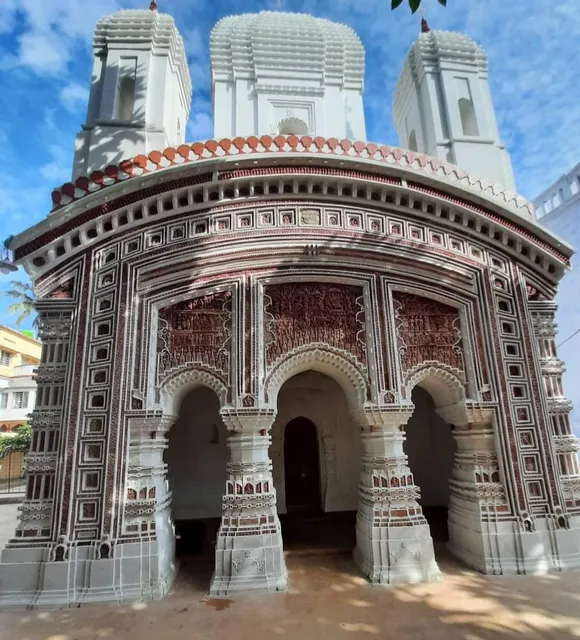
Architecture: 4.9/5 The temple's architecture is a beautiful blend of traditional Bengal style and modern simplicity. The intricate carvings, the ornate decorations, and the stunning idol of Goddess Kali all reflect the rich cultural heritage of Bengal. The temple's design is both aesthetically pleasing and deeply symbolic, with every aspect reflecting the mythology and significance of Goddess Kali.
Spiritual Significance: 5/5 The Kankalitala Kali Temple is one of the 51 Shakti Peethas, a sacred site where the goddess Sati's body parts are said to have fallen. The temple is dedicated to Goddess Kali, the embodiment of feminine power and energy. The temple's spiritual significance is palpable, with a deep sense of devotion and reverence that permeates every aspect of the temple.
Puja and Rituals: 4.8/5 The temple offers a range of pujas and rituals, including daily aartis, special pujas, and festivals. The priests are knowledgeable and welcoming, happy to explain the significance of the rituals and the mythology behind the temple. The puja ceremonies are deeply moving, with a sense of community and shared devotion that is truly uplifting.
Overall Experience: 5/5 The Kankalitala Kali Temple is a must-visit destination for anyone seeking a deeply spiritual and culturally enriching experience. The temple's serene ambiance, stunning architecture, and rich spiritual significance make it a truly unforgettable experience. Whether you're a devotee, a spiritual seeker, or simply looking for a glimpse into Bengal's rich cultural heritage, the Kankalitala Kali Temple is an absolute must-visit.
Recommendation: If you're visiting Shantiniketan or the surrounding areas, the Kankalitala Kali Temple is an absolute must-visit. Be sure to allocate at least an hour to explore the temple premises, attend a puja ceremony, and soak in the spiritual ambiance. Don't miss the opportunity to learn about the temple's history, mythology, and cultural significance, and to take home some beautiful memories...
Read more