HTML SitemapExplore
Find Things to DoFind The Best Restaurants

हेमिस गोम्पा — Attraction in Zanskar Range

Name
हेमिस गोम्पा
Description
Nearby attractions
Hemis Monastery Museum
WP63+X4G, Hemis, Ladakh 194201
Nearby restaurants
Nearby hotels
Related posts
Keywords
हेमिस गोम्पा tourism.हेमिस गोम्पा hotels.हेमिस गोम्पा bed and breakfast. flights to हेमिस गोम्पा.हेमिस गोम्पा attractions.हेमिस गोम्पा restaurants.हेमिस गोम्पा travel.हेमिस गोम्पा travel guide.हेमिस गोम्पा travel blog.हेमिस गोम्पा pictures.हेमिस गोम्पा photos.हेमिस गोम्पा travel tips.हेमिस गोम्पा maps.हेमिस गोम्पा things to do.
हेमिस गोम्पा things to do, attractions, restaurants, events info and trip planning
हेमिस गोम्पा
IndiaLadakhZanskar Rangeहेमिस गोम्पा

Basic Info

हेमिस गोम्पा

Hemis 194201
4.6(656)
Open 24 hours
Save
spot

Ratings & Description

Info

Cultural
Scenic
Family friendly
Off the beaten path
attractions: Hemis Monastery Museum, restaurants:
logoLearn more insights from Wanderboat AI.

Plan your stay

hotel
Pet-friendly Hotels in Zanskar Range
Find a cozy hotel nearby and make it a full experience.
hotel
Affordable Hotels in Zanskar Range
Find a cozy hotel nearby and make it a full experience.
hotel
The Coolest Hotels You Haven't Heard Of (Yet)
Find a cozy hotel nearby and make it a full experience.
hotel
Trending Stays Worth the Hype in Zanskar Range
Find a cozy hotel nearby and make it a full experience.

Reviews

Nearby attractions of हेमिस गोम्पा

Hemis Monastery Museum

Hemis Monastery Museum

Hemis Monastery Museum

4.6

(676)

Open 24 hours
Click for details
Get the Appoverlay
Get the AppOne tap to find yournext favorite spots!
Wanderboat LogoWanderboat

Your everyday Al companion for getaway ideas

CompanyAbout Us
InformationAI Trip PlannerSitemap
SocialXInstagramTiktokLinkedin
LegalTerms of ServicePrivacy Policy

Get the app

© 2025 Wanderboat. All rights reserved.

Reviews of हेमिस गोम्पा

4.6
(656)
avatar
5.0
1y

Nestled amidst the majestic landscapes of Ladakh, Hemis Gompa stands as a spiritual haven, captivating the soul with its ancient charm. Here's a detailed reflection on our visit to this cultural gem:

Historical Reverence: Hemis Gompa, believed to be the largest and wealthiest monastery in Ladakh, exudes an aura of historical reverence. Its origins dating back to the 17th century, the monastery holds tales of Ladakh's rich Buddhist heritage.

Architectural Grandeur: The architectural grandeur of Hemis Gompa is a testament to the craftsmanship of Ladakhi artisans. Intricate murals, colorful thangkas, and ornate statues adorn the monastery, creating an immersive experience in every corner.

Sacred Tranquility: As you step into the inner sanctum, a profound sense of sacred tranquility envelops you. The rhythmic chants of monks, the fragrance of juniper incense, and the flickering butter lamps create an atmosphere conducive to spiritual contemplation.

Festivals and Celebrations: Hemis Gompa comes alive during the annual Hemis Festival, a vibrant celebration of Ladakhi culture and spirituality. Masked dances, traditional music, and a lively ambiance make this festival a cultural spectacle that attracts visitors from far and wide.

Museum of Ladakhi Culture: The museum within the monastery complex provides a captivating insight into Ladakhi culture. Antique artifacts, ancient thangkas, and historical manuscripts offer a glimpse into the region's rich past.

Panoramic Views: Perched on a hill, Hemis Gompa offers panoramic views of the surrounding valleys and mountains. The serene vistas add to the holistic experience, making it a place where the spiritual and natural realms seamlessly converge.

Interaction with Monastic Life: Engaging with the resident monks provides a unique perspective on monastic life. Their humility, devotion, and willingness to share insights into Buddhist philosophy contribute to the authenticity of the experience.

Accessibility and Guided Tours: While reaching Hemis Gompa involves a scenic drive, the journey is part of the adventure. Guided tours, available at the monastery, enhance the experience by providing in-depth knowledge about the monastery's history, rituals, and cultural significance.

Conservation and Preservation: The monastery's commitment to conservation and preservation is commendable. Efforts to restore and protect the cultural heritage, along with initiatives for sustainable tourism, showcase a dedication to maintaining the sanctity of Hemis Gompa.

Hemis Gompa is a spiritual oasis that transports visitors to a realm where time seems to stand still. The amalgamation of history, art, and spirituality creates an immersive journey into Ladakh's cultural tapestry. Whether you seek solace, cultural enrichment, or simply appreciate the beauty of ancient monastic architecture, Hemis Gompa stands as a must-visit destination in Ladakh. Highly recommended for those who wish to explore the profound depths of Ladakhi spirituality and...

   Read more

avatar
5.0
9y

Hemis Gompa is located around 50 kms away from Leh on the west banks of Indus River. It is regarded as the wealthiest and biggest monastery in Leh. According to the permanent residents of this locality, the monastery came in existence in the 11th century. However, the monastery is reconstructed in the year 1672. The monastery belongs to the Dugpa order. It follows the tantric vajrayana teachings and the monks of this monastery perform tantric worship. Every year in the month of July a vibrant festival takes place in the Gompa complex. The festival is not attended by the locals only but people from all over the world join here. The festival starts from the 9th day of the fifth month of the lunar Tibetan calendar and continues upto the 11th. On the first day of the festival, a dance-homage is organized commemorating the birth anniversary of Lord Padmasambhava or Guru Rinpoche. The festival is the most famous celebration of the Tibetan Buddhist Gompa festivals In Ladakh. Energetic and enchanting dances go with the cacophonous sounds of cymbals, small trumpets, large size wind instruments, and large-pan drums. The Lamas dress like demons and gods and bang on drums. Symbols are crashed together and others turn and jump to fight against demons. As you will be getting into the courtyard, you can spot two large temples with small flight of stone steps to the right. The temple on the left is known as the Tshogs-khang and on the right is the Dukhang. Inside the Dukhang one can find the throne of the Rimpoche along with the seating areas for the lamas. The pillars of the temple are wooden and tall. A square cupola with windows, allows light to reach the wonderful throne. Paintings of Sakyamuni with the blue hair can be seen around the walls. Some other Buddha idols are available here. One can see the paintings of Tantric deities such as Hevajra and Samvara as well. On the other hand, the temple Tshogs-khang contains a large gold plated idol of the Sakyamuni Buddha with blue hair. The statue is surrounded by numerous silver chortens and it is ornated with semi-precious stones. A painted throne of lacquered wood is placed in front of the Buddha which was a gift from the former emperor of Kashmir to the earlier Lama of Hemis. Pehar Gyalpo is believed to be the defensive...

   Read more
avatar
3.0
5y

Hemis Gompa is the largest Buddhist monastery in Ladakh which belongs to the Drukpa sect of Mahayana Buddhism.

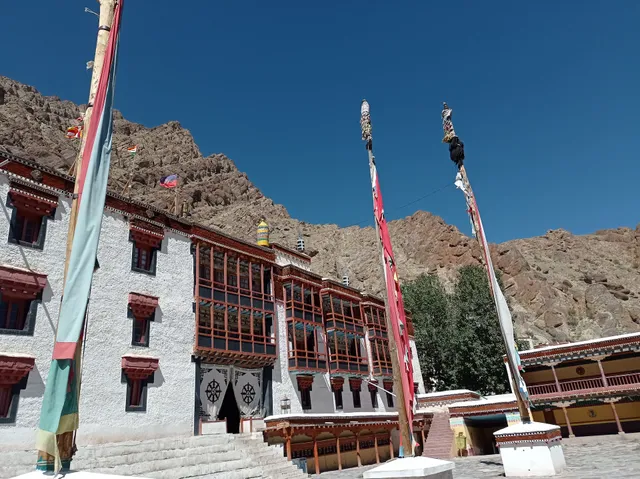
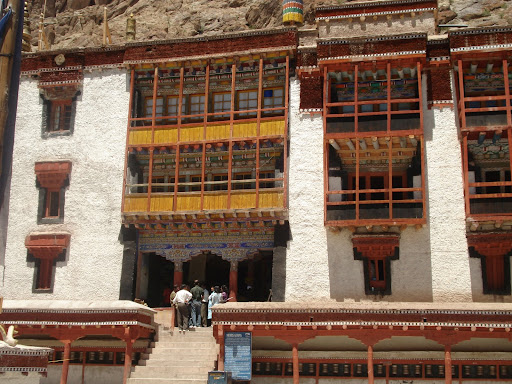
It was built in the 11th century & was re-built by the Ladakhi King Sengge Namgyal (1590-1620) in the 17th century. It is one of the wealthiest monasteries in India. The main complex is a two-story building made of Ladakhi wooden fixtures on the brick wall, painted in yellow & maroon, decorated on all the four sides by colourful prayer flags which send prayers to Lord Buddha. It enshrines a spectacular copper gilded statue of Buddha, 8m high statue of Padmasambhava, Chorten(stupas)made of gold & silver & Thangkas (paintings on cotton/silk with a Buddhist deity)

The monastery also has a museum with numerous religious Thangkas, ancient manuscripts & handpainted murals.

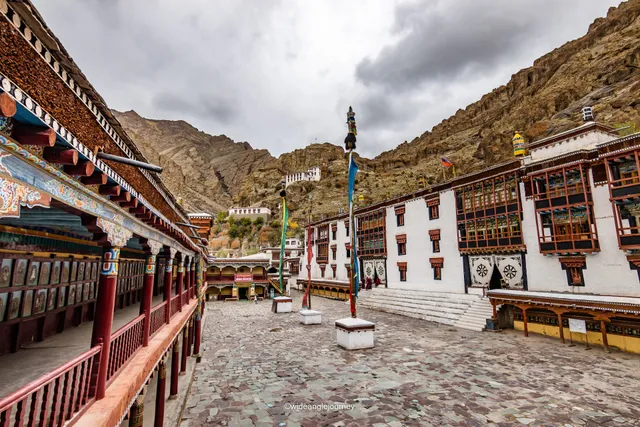
Hemis monastery is mostly visited during the annual Hemis festival held in June. It marks the birth anniversary of the spiritual leader Padmasambhava also known as Guru Rinpoche, an eighth-century founder of theTantric Buddhism in Tibet. The crowd gathers in the central courtyard of the monastery where a 12 m long hand-painted Thangka unfurls at the venue to be visible to all. Lamas perform the mystic Cham dance, wearing beautifully crafted masks & colourful costumes, to the beats of traditional instruments. A major highlight of this colourful dance is the combat show by masked men to glorify the victory of good over evil.

Naropa Festival is held here every 12 years. It is an extended version of the annual Hemis festival. Famous as the Himalayan Kumbh, the festival celebrates the life of the Buddhist scholar Naropa, who lived between 1016 - 1100 CE. Highlights of the festivities are the rare public display of six bone ornaments (crown, necklace, earrings, bracelets, seralkha, apron) & the ceremonial unfurling of the 70ft high, ancient silk Thangka with eight different forms of Buddha Amitabha, the largest silk brocade in the Himalayas.

Naropa Festival 2016, was the 1000 year anniversary of Naropa’s visit to Ladakh.

In 2018, it entered the Guinness Book of World Records for the World’s Largest Ladakhi Dance performance, where 299 Ladakhi women performed the famous Shondol dance.

A huge copper statue of a seated Buddha is on the opposite hill which...

   Read more
Page 1 of 7
Previous
Next

Posts

Rajjatt SabhrwalRajjatt Sabhrwal
Nestled amidst the majestic landscapes of Ladakh, Hemis Gompa stands as a spiritual haven, captivating the soul with its ancient charm. Here's a detailed reflection on our visit to this cultural gem: Historical Reverence: Hemis Gompa, believed to be the largest and wealthiest monastery in Ladakh, exudes an aura of historical reverence. Its origins dating back to the 17th century, the monastery holds tales of Ladakh's rich Buddhist heritage. Architectural Grandeur: The architectural grandeur of Hemis Gompa is a testament to the craftsmanship of Ladakhi artisans. Intricate murals, colorful thangkas, and ornate statues adorn the monastery, creating an immersive experience in every corner. Sacred Tranquility: As you step into the inner sanctum, a profound sense of sacred tranquility envelops you. The rhythmic chants of monks, the fragrance of juniper incense, and the flickering butter lamps create an atmosphere conducive to spiritual contemplation. Festivals and Celebrations: Hemis Gompa comes alive during the annual Hemis Festival, a vibrant celebration of Ladakhi culture and spirituality. Masked dances, traditional music, and a lively ambiance make this festival a cultural spectacle that attracts visitors from far and wide. Museum of Ladakhi Culture: The museum within the monastery complex provides a captivating insight into Ladakhi culture. Antique artifacts, ancient thangkas, and historical manuscripts offer a glimpse into the region's rich past. Panoramic Views: Perched on a hill, Hemis Gompa offers panoramic views of the surrounding valleys and mountains. The serene vistas add to the holistic experience, making it a place where the spiritual and natural realms seamlessly converge. Interaction with Monastic Life: Engaging with the resident monks provides a unique perspective on monastic life. Their humility, devotion, and willingness to share insights into Buddhist philosophy contribute to the authenticity of the experience. Accessibility and Guided Tours: While reaching Hemis Gompa involves a scenic drive, the journey is part of the adventure. Guided tours, available at the monastery, enhance the experience by providing in-depth knowledge about the monastery's history, rituals, and cultural significance. Conservation and Preservation: The monastery's commitment to conservation and preservation is commendable. Efforts to restore and protect the cultural heritage, along with initiatives for sustainable tourism, showcase a dedication to maintaining the sanctity of Hemis Gompa. Hemis Gompa is a spiritual oasis that transports visitors to a realm where time seems to stand still. The amalgamation of history, art, and spirituality creates an immersive journey into Ladakh's cultural tapestry. Whether you seek solace, cultural enrichment, or simply appreciate the beauty of ancient monastic architecture, Hemis Gompa stands as a must-visit destination in Ladakh. Highly recommended for those who wish to explore the profound depths of Ladakhi spirituality and cultural heritage.
Rohit SahaniRohit Sahani
Hemis Monastery is one of the most famous and important monasteries in Ladakh, India. It is located about 45 kilometers from Leh city, and is known for its stunning architecture, beautiful scenery, and rich cultural heritage. We visited Hemis Monastery on a day trip from Leh, and we were amazed by its beauty and grandeur. The monastery is perched on a hilltop, overlooking a lush valley. The entrance to the monastery is through a series of imposing gates, and the main courtyard is home to a number of temples and shrines. The most famous attraction at Hemis Monastery is the statue of the Padmasambhava, a revered Buddhist teacher. The statue is over 30 feet tall, and is made of copper, gold, and silver. It is said to be the largest statue of Padmasambhava in the world. In addition to the statue of Padmasambhava, Hemis Monastery is also home to a number of other important religious artifacts, including ancient murals, thangkas (Tibetan Buddhist paintings), and manuscripts. We hired a scooty for INR 1000/- to visit Hemis Monastery and other famous tourist places in Leh. It was a great way to explore the city and the surrounding countryside. We visited Shey Monastery and Thiksey Monastery on the same day, and they were both absolutely must-see attractions. The road to Hemis Monastery is beautiful, and the people there are very friendly and welcoming. We had a wonderful time visiting Hemis Monastery, and we highly recommend it to anyone visiting Ladakh
Aashlesh DhumaneAashlesh Dhumane
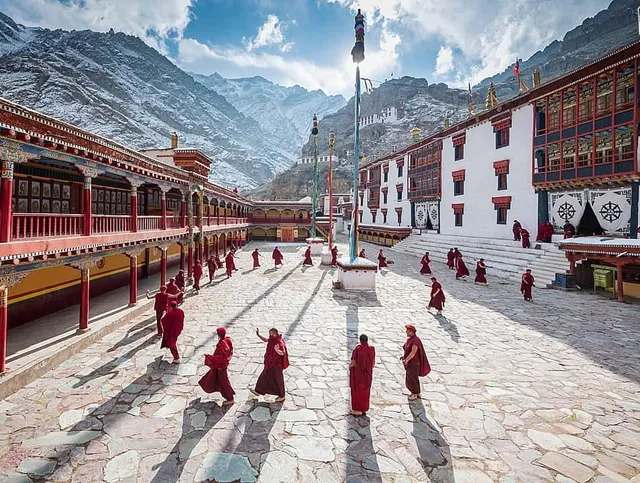
Inside there's two monk temples and one ancient art gallary is displayed. 3 really tall flag hoisting poles are there as if it's something related to the monks religional act. The overall place is scenic and situated in mountains makes it look amazing. Do visit our here when in leh. Below is details of hemis monestry. Hemis village is located 40 km southeast of Leh on Leh-Manali Highway and under-construction Bhanupli–Leh line. Hemis Monastery is a Himalayan Buddhist monastery (gompa) of the Drukpa Lineage, in Hemis on the bank of Indus river, Ladakh, India. Situated 45 km from Leh, it was re-established in 1672 by the Ladakhi king Sengge Namgyal. The annual Hemis festival honouring Padmasambhava is held there in early June. The Hemis Festival is dedicated to Lord Padmasambhava (Guru Rinpoche), revered as the representative reincarnate of Buddha. He is believed to have been born on the 10th day of the fifth month (non or jyestha) of the Monkey year of the Tibetan calendar, as predicted by the Buddha Shakyamuni. It is also believed that his life mission was, and remains, to improve the spiritual condition of all living beings. Therefore, on this day, which comes once in a cycle of 12 years, Hemis observes a major extravaganza in his memory. The observance of these sacred rituals is believed to provide spiritual strength and good health. The Hemis festival takes place in the rectangular courtyard in front of the main door of the monastery
See more posts
See more posts
hotel
Find your stay

Pet-friendly Hotels in Zanskar Range

Find a cozy hotel nearby and make it a full experience.

Nestled amidst the majestic landscapes of Ladakh, Hemis Gompa stands as a spiritual haven, captivating the soul with its ancient charm. Here's a detailed reflection on our visit to this cultural gem: Historical Reverence: Hemis Gompa, believed to be the largest and wealthiest monastery in Ladakh, exudes an aura of historical reverence. Its origins dating back to the 17th century, the monastery holds tales of Ladakh's rich Buddhist heritage. Architectural Grandeur: The architectural grandeur of Hemis Gompa is a testament to the craftsmanship of Ladakhi artisans. Intricate murals, colorful thangkas, and ornate statues adorn the monastery, creating an immersive experience in every corner. Sacred Tranquility: As you step into the inner sanctum, a profound sense of sacred tranquility envelops you. The rhythmic chants of monks, the fragrance of juniper incense, and the flickering butter lamps create an atmosphere conducive to spiritual contemplation. Festivals and Celebrations: Hemis Gompa comes alive during the annual Hemis Festival, a vibrant celebration of Ladakhi culture and spirituality. Masked dances, traditional music, and a lively ambiance make this festival a cultural spectacle that attracts visitors from far and wide. Museum of Ladakhi Culture: The museum within the monastery complex provides a captivating insight into Ladakhi culture. Antique artifacts, ancient thangkas, and historical manuscripts offer a glimpse into the region's rich past. Panoramic Views: Perched on a hill, Hemis Gompa offers panoramic views of the surrounding valleys and mountains. The serene vistas add to the holistic experience, making it a place where the spiritual and natural realms seamlessly converge. Interaction with Monastic Life: Engaging with the resident monks provides a unique perspective on monastic life. Their humility, devotion, and willingness to share insights into Buddhist philosophy contribute to the authenticity of the experience. Accessibility and Guided Tours: While reaching Hemis Gompa involves a scenic drive, the journey is part of the adventure. Guided tours, available at the monastery, enhance the experience by providing in-depth knowledge about the monastery's history, rituals, and cultural significance. Conservation and Preservation: The monastery's commitment to conservation and preservation is commendable. Efforts to restore and protect the cultural heritage, along with initiatives for sustainable tourism, showcase a dedication to maintaining the sanctity of Hemis Gompa. Hemis Gompa is a spiritual oasis that transports visitors to a realm where time seems to stand still. The amalgamation of history, art, and spirituality creates an immersive journey into Ladakh's cultural tapestry. Whether you seek solace, cultural enrichment, or simply appreciate the beauty of ancient monastic architecture, Hemis Gompa stands as a must-visit destination in Ladakh. Highly recommended for those who wish to explore the profound depths of Ladakhi spirituality and cultural heritage.
Rajjatt Sabhrwal

Rajjatt Sabhrwal

hotel
Find your stay

Affordable Hotels in Zanskar Range

Find a cozy hotel nearby and make it a full experience.

Get the Appoverlay
Get the AppOne tap to find yournext favorite spots!
Hemis Monastery is one of the most famous and important monasteries in Ladakh, India. It is located about 45 kilometers from Leh city, and is known for its stunning architecture, beautiful scenery, and rich cultural heritage. We visited Hemis Monastery on a day trip from Leh, and we were amazed by its beauty and grandeur. The monastery is perched on a hilltop, overlooking a lush valley. The entrance to the monastery is through a series of imposing gates, and the main courtyard is home to a number of temples and shrines. The most famous attraction at Hemis Monastery is the statue of the Padmasambhava, a revered Buddhist teacher. The statue is over 30 feet tall, and is made of copper, gold, and silver. It is said to be the largest statue of Padmasambhava in the world. In addition to the statue of Padmasambhava, Hemis Monastery is also home to a number of other important religious artifacts, including ancient murals, thangkas (Tibetan Buddhist paintings), and manuscripts. We hired a scooty for INR 1000/- to visit Hemis Monastery and other famous tourist places in Leh. It was a great way to explore the city and the surrounding countryside. We visited Shey Monastery and Thiksey Monastery on the same day, and they were both absolutely must-see attractions. The road to Hemis Monastery is beautiful, and the people there are very friendly and welcoming. We had a wonderful time visiting Hemis Monastery, and we highly recommend it to anyone visiting Ladakh
Rohit Sahani

Rohit Sahani

hotel
Find your stay

The Coolest Hotels You Haven't Heard Of (Yet)

Find a cozy hotel nearby and make it a full experience.

hotel
Find your stay

Trending Stays Worth the Hype in Zanskar Range

Find a cozy hotel nearby and make it a full experience.

Inside there's two monk temples and one ancient art gallary is displayed. 3 really tall flag hoisting poles are there as if it's something related to the monks religional act. The overall place is scenic and situated in mountains makes it look amazing. Do visit our here when in leh. Below is details of hemis monestry. Hemis village is located 40 km southeast of Leh on Leh-Manali Highway and under-construction Bhanupli–Leh line. Hemis Monastery is a Himalayan Buddhist monastery (gompa) of the Drukpa Lineage, in Hemis on the bank of Indus river, Ladakh, India. Situated 45 km from Leh, it was re-established in 1672 by the Ladakhi king Sengge Namgyal. The annual Hemis festival honouring Padmasambhava is held there in early June. The Hemis Festival is dedicated to Lord Padmasambhava (Guru Rinpoche), revered as the representative reincarnate of Buddha. He is believed to have been born on the 10th day of the fifth month (non or jyestha) of the Monkey year of the Tibetan calendar, as predicted by the Buddha Shakyamuni. It is also believed that his life mission was, and remains, to improve the spiritual condition of all living beings. Therefore, on this day, which comes once in a cycle of 12 years, Hemis observes a major extravaganza in his memory. The observance of these sacred rituals is believed to provide spiritual strength and good health. The Hemis festival takes place in the rectangular courtyard in front of the main door of the monastery
Aashlesh Dhumane

Aashlesh Dhumane

See more posts
See more posts