Hemis National Park: A Jewel of Conservation in the Himalayas
Hemis National Park, nestled in the awe-inspiring landscapes of the Indian Himalayas, is a natural wonder and a sanctuary for a diverse range of wildlife species. As one of the largest national parks in South Asia, it holds a special place in the hearts of nature enthusiasts and conservationists alike.
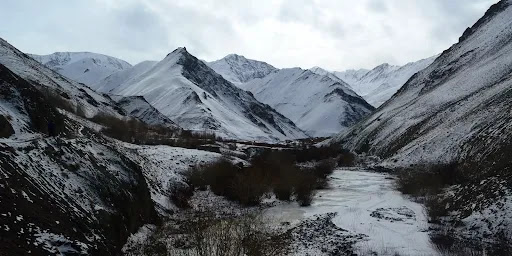
Natural Beauty and Biodiversity: The park's breathtaking scenery includes towering snow-capped peaks, deep gorges, and verdant valleys. It's a place where the natural world remains untouched and pristine. Hemis National Park is renowned for its rich biodiversity, and it is often dubbed the "Snow Leopard Capital of the World." This elusive big cat, along with other rare and endangered species like the Tibetan wolf, red fox, and Eurasian brown bear, calls this rugged terrain home. Birdwatchers will also be delighted, as the park is home to numerous bird species, including the lammergeier, bearded vulture, and golden eagle.
Conservation Efforts: Hemis National Park plays a crucial role in the conservation of these endangered species. The dedicated efforts of the park authorities and local communities have helped protect the natural habitat and create a safe haven for these creatures. These conservation initiatives are not only vital for maintaining biodiversity but also contribute to the broader efforts to preserve the fragile ecosystems of the Himalayas.
Cultural Heritage: In addition to its remarkable natural beauty and wildlife, Hemis National Park is culturally significant. It is home to the famous Hemis Monastery, one of the largest and wealthiest monasteries in Ladakh. This centuries-old monastery hosts the annual Hemis Festival, a vibrant and colorful celebration of Buddhist culture and tradition. The coexistence of cultural and natural heritage makes Hemis National Park a unique and culturally diverse destination.
Visitor Experience: Visitors to Hemis National Park have the opportunity to witness wildlife in their natural habitat, go trekking in the majestic Himalayan landscapes, and immerse themselves in the serene environment of the park. The best time to visit is during the summer months, when the weather is milder and the wildlife is more active.
However, it's essential to approach this pristine environment with respect and responsibility. Conservation is paramount, and visitors should adhere to park regulations, including maintaining a low impact on the environment and practicing responsible tourism.
In conclusion, Hemis National Park is a true gem of natural beauty, biodiversity, and cultural significance. It offers a unique opportunity to experience the Himalayan wilderness and encounter some of the world's most endangered and captivating wildlife species. This park serves as a testament to the harmonious coexistence of nature and culture, making it a must-visit destination for anyone who values the preservation of our planet's...
Read moreHemis National Park (or Hemis High Altitude National Park) is a high altitude national park in the eastern Ladakh region of the state of Jammu and Kashmir in India. Globally famous for its snow leopards, it is believed to have the highest density of them in any protected area in the world.[1] It is the only national park in India that is north of the Himalayas, the largest notified protected area in India (and thus the largest national park of India), and is the second largest contiguous protected area, after the Nanda Devi Biosphere Reserve and surrounding protected areas. The park is home to a number of species of endangered mammals, including the snow leopard. Hemis National Park is India's only protected area inside the Palearctic ecozone, outside the Changthang Wildlife Sanctuary northeast of Hemis, and the proposed Tso Lhamo Cold Desert Conservation Area in North Sikkim.
The park is bounded on the north by the banks of the Indus River, and includes the catchments of Markha, Sumdah and Rumbak, and parts of the Zanskar Range.The park was founded in 1981 by protecting the Rumbak and Markha catchments, an area of about 600 km2 (230 sq mi). It grew in 1988 to around 3,350 km2 (1,290 sq mi), by incorporating neighboring lands,[2] before increasing in 1990 to 4,400 km2 (1,700 sq mi),[3] and is the largest national park in South Asia.
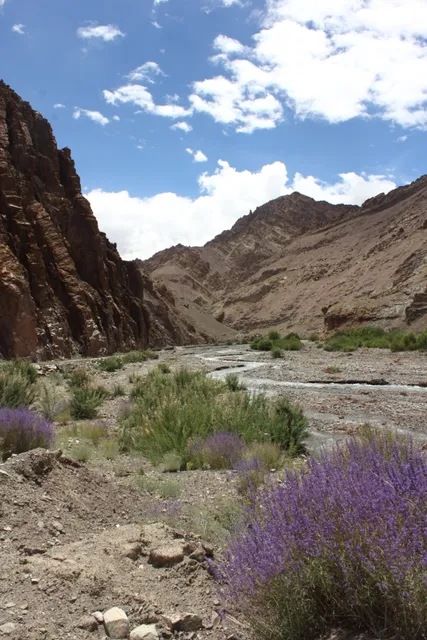
Geography and ecological significance The park lies within the Karakoram-West Tibetan Plateau alpine steppe ecoregion, and contains pine forests, alpine shrublands and meadows, and alpine tundra.
Fauna The park is home to a viable breeding population of about 200 snow leopards, especially in the Rumbak catchment area. The prey base for the apex predator in the Central Asian Highlands is primarily supported in Hemis by Argali (Great Tibetan Sheep), Bharal (Blue Sheep), Shapu (Ladakhi Urial), and livestock. A small population of the Asiatic ibex is also present in Hemis. Hemis is the only refuge in India containing the Shapu.[4]
The Tibetan wolf, the Eurasian brown bear (endangered in India), and the red fox are also present in Hemis.[5] Small mammals include the Himalayan marmot, mountain weasel and the Himalayan mouse hare.[6]
Among birds of prey noted here are Himalayan and Trans-Himalayan birds of prey: the golden eagle, lammergeier vulture, and Himalayan griffon vulture.[6] The Rumbak Valley offers opportunities for birdwatching[6], including several Tibetan species not common in other parts of India. Birds present here include brown accentor, robin accentor, Tickell's leaf warbler, streaked rosefinch, black-winged snowfinch, chukar, Blyth's swift, red-billed chough, Himalayan snowcock, and the fire-fronted serin[6].
16 mammal species and 73 bird species have been recorded in the...
Read moreHemis National Park is a high-elevation national park in Ladakh, India. Globally famous for its snow leopards, it is believed to have the highest density of them in any protected area in the world.[1] It is the only national park in India that is north of the Himalayas, the largest notified protected area in India (largest National park) and is the second largest contiguous protected area, after the Nanda Devi Biosphere Reserve and surrounding protected areas. The park is home to a number of species of endangered mammals, including the snow leopard. Hemis National Park is India's protected area inside the Palearctic realm, outside the Changthang Wildlife Sanctuary northeast of Hemis, and the proposed Tso Lhamo Cold Desert Conservation Area in North Sikkim.
Environmental issues:- Over 1,600 people live inside the park boundaries, mostly pastoralists raising poultry, goats, and sheep. This results in considerable animal-human conflict within the region. Snow leopards prey on livestock, sometimes killing several animals from a single flock in one hunt. This has been attributed to the overgrazing of livestock. Crop damage caused by bharal has also been seen.
The Department of Wildlife Protection, Government of Jammu and Kashmir is the custodian of the park. Any activity in the park is prohibited unless special permission is obtained from the Chief Wildlife Warden J&K. The department has initiated many projects for biodiversity conservation and rural livelihood improvement in Ladakh, including the Hemis National Park, such as:
Project Snow Leopard for Conserving the entire Himalayan biosphere. The project was initiated by the department in 2004 and was formally launched on 20 February 2009. Ladakh Eco tourism Project Ladakh Home stays: A program for providing tourists with access to home stays in local villagers' residences (source of additional income). Nature Guide Training for the educated...
Read more