HTML SitemapExplore
logo
Find Things to DoFind The Best Restaurants

Stakna Monastery — Attraction in Zanskar Range

Name
Stakna Monastery
Description
Nearby attractions
Stakna Bridge
Stakna Bridge, Stakna Rd, Stakna, 194201
Nearby restaurants
Nearby hotels
Dakpa House
2M7M+F3W Rambirpur, Thiksey, Ladakh 194201
Related posts
Keywords
Stakna Monastery tourism.Stakna Monastery hotels.Stakna Monastery bed and breakfast. flights to Stakna Monastery.Stakna Monastery attractions.Stakna Monastery restaurants.Stakna Monastery travel.Stakna Monastery travel guide.Stakna Monastery travel blog.Stakna Monastery pictures.Stakna Monastery photos.Stakna Monastery travel tips.Stakna Monastery maps.Stakna Monastery things to do.
Stakna Monastery things to do, attractions, restaurants, events info and trip planning
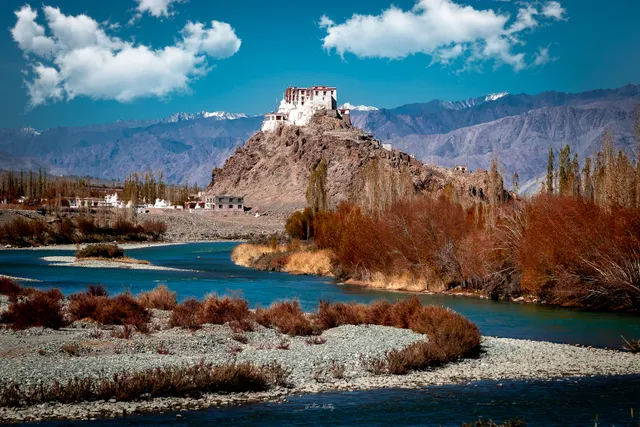
Stakna Monastery
IndiaLadakhZanskar RangeStakna Monastery

Basic Info

Stakna Monastery

2M4P+236, Stakna, 194201
4.7(170)
Open 24 hours
Save
spot

Ratings & Description

Info

Cultural
Scenic
Outdoor
Off the beaten path
attractions: Stakna Bridge, restaurants:
logoLearn more insights from Wanderboat AI.

Plan your stay

hotel
Pet-friendly Hotels in Zanskar Range
Find a cozy hotel nearby and make it a full experience.
hotel
Affordable Hotels in Zanskar Range
Find a cozy hotel nearby and make it a full experience.
hotel
The Coolest Hotels You Haven't Heard Of (Yet)
Find a cozy hotel nearby and make it a full experience.
hotel
Trending Stays Worth the Hype in Zanskar Range
Find a cozy hotel nearby and make it a full experience.

Reviews

Nearby attractions of Stakna Monastery

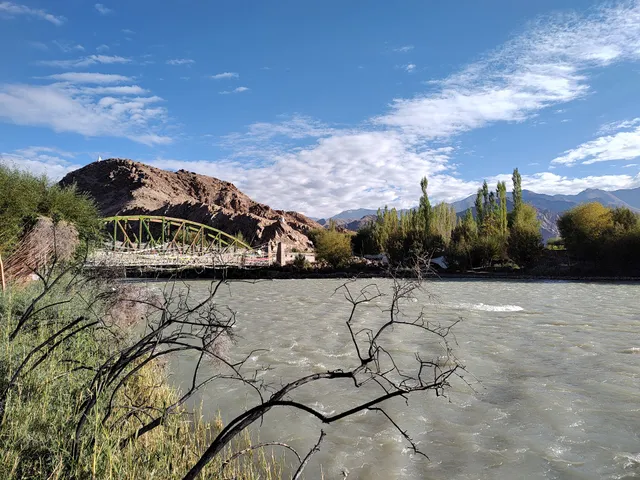
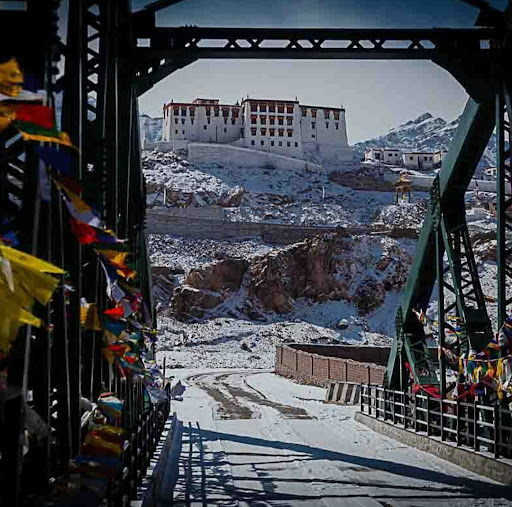
Stakna Bridge

Stakna Bridge

Stakna Bridge

4.6

(54)

Open 24 hours
Click for details
Get the Appoverlay
Get the AppOne tap to find yournext favorite spots!
Wanderboat LogoWanderboat

Your everyday Al companion for getaway ideas

CompanyAbout Us
InformationAI Trip PlannerSitemap
SocialXInstagramTiktokLinkedin
LegalTerms of ServicePrivacy Policy

Get the app

© 2025 Wanderboat. All rights reserved.
logo

Posts

Ishey DorjeyIshey Dorjey
Stakna Gompa or Stakna monastery is a popular Buddhist monastery among the travelers across the globe. This place shares a distance of 25 km from the main city of Leh. The monastery was enshrined by a Bhutanese saint and scholar named Chose Jamyang. He constructed the monastery in the 16th century. This Stakna Gompa stands as a visual display of the cultural and religious heritage of Buddhism. One cannot deny the spectacular landscapes offered by Ladakh. The Stakna monastery is situated on a hilltop that resembles a nose of a tiger. At the Stakna monastery houses, 30 monks and the monastery belongs to the Dugpa order. There is an image of sacred Arya Avalokitesvara at the central position of the temple. This is one of the significant idols than the other idols in the monastery. The literary meaning of the word ‘Stakna’ is “the nose of a tiger”. The officials of the Stakna monastery are the successive reincarnation of Stakna Tulku, the one who preserves the techniques of the Dugpa order. The big assembly hall of Stakna monastery features awonderful painting of Tsephakmad, Sakyamuni,and Amchi. There is a tall silver gilded chorten of a height of 7 feet towards the extreme right side of the courtyard. It features a figure of Lord Buddha. To get an amazing view of the Indus River you need to go on the top of the monastery.
HIMADRI MHIMADRI M
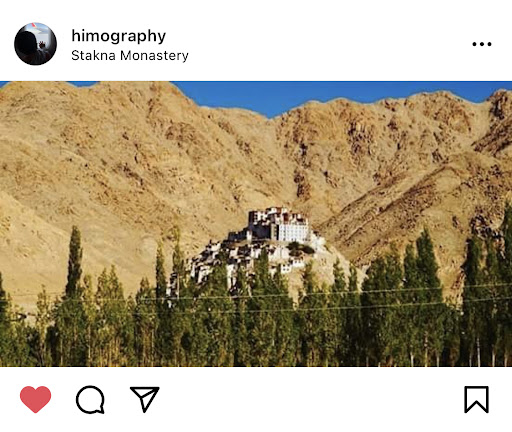
Stakna Monastery from opposite bank of river Indus. Stakna Monastery or Stakna Gompa is a Buddhist monastery of the Drugpa sect in Stakna, Leh district, Ladakh, northern India, 21 or 25 kilometres from Leh on the left bank of the Indus River. It was founded in the late 16th century by a Bhutanese scholar and saint, Chosje Modzin. The name, literally meaning 'tiger's nose' was given because it was built on a hill shaped like a tiger's nose. It is the only Bhutanese Drukpa Kagyu monastery in Ladakh, headed by the Je Khenpo in Bhutan, whereas the other Drukpa monasteries in Ladakh are of the Gyalwang Drukpa's school, based at Hemis. This split in the Drukpa Kagyu lineage occurred in the 17th century when there was a dispute over who was the true reincarnation of the 4th Gyalwang Drukpa.
Vikas SinghVikas Singh
Stakna Monastery, is a small Buddhist monastery founded in the late 16th century by Chosje Jamyang Palkar. Situated on a hill resembling a tiger's nose (hence the name, "Tiger's Nose"), it offers panoramic views of the Indus Valley. It belongs to the Drukpa Kagyu tradition, a Red Hat sect of Tibetan Buddhism, emphasizing the teachings of the Mahamudra. The monastery is the residence for approximately 30 monks and the home of the successive incarnations of the Stakna Tulku, the preserver of the Drukpa order.
See more posts
See more posts
hotel
Find your stay

Pet-friendly Hotels in Zanskar Range

Find a cozy hotel nearby and make it a full experience.

Stakna Gompa or Stakna monastery is a popular Buddhist monastery among the travelers across the globe. This place shares a distance of 25 km from the main city of Leh. The monastery was enshrined by a Bhutanese saint and scholar named Chose Jamyang. He constructed the monastery in the 16th century. This Stakna Gompa stands as a visual display of the cultural and religious heritage of Buddhism. One cannot deny the spectacular landscapes offered by Ladakh. The Stakna monastery is situated on a hilltop that resembles a nose of a tiger. At the Stakna monastery houses, 30 monks and the monastery belongs to the Dugpa order. There is an image of sacred Arya Avalokitesvara at the central position of the temple. This is one of the significant idols than the other idols in the monastery. The literary meaning of the word ‘Stakna’ is “the nose of a tiger”. The officials of the Stakna monastery are the successive reincarnation of Stakna Tulku, the one who preserves the techniques of the Dugpa order. The big assembly hall of Stakna monastery features awonderful painting of Tsephakmad, Sakyamuni,and Amchi. There is a tall silver gilded chorten of a height of 7 feet towards the extreme right side of the courtyard. It features a figure of Lord Buddha. To get an amazing view of the Indus River you need to go on the top of the monastery.
Ishey Dorjey

Ishey Dorjey

hotel
Find your stay

Affordable Hotels in Zanskar Range

Find a cozy hotel nearby and make it a full experience.

Get the Appoverlay
Get the AppOne tap to find yournext favorite spots!
Stakna Monastery from opposite bank of river Indus. Stakna Monastery or Stakna Gompa is a Buddhist monastery of the Drugpa sect in Stakna, Leh district, Ladakh, northern India, 21 or 25 kilometres from Leh on the left bank of the Indus River. It was founded in the late 16th century by a Bhutanese scholar and saint, Chosje Modzin. The name, literally meaning 'tiger's nose' was given because it was built on a hill shaped like a tiger's nose. It is the only Bhutanese Drukpa Kagyu monastery in Ladakh, headed by the Je Khenpo in Bhutan, whereas the other Drukpa monasteries in Ladakh are of the Gyalwang Drukpa's school, based at Hemis. This split in the Drukpa Kagyu lineage occurred in the 17th century when there was a dispute over who was the true reincarnation of the 4th Gyalwang Drukpa.
HIMADRI M

HIMADRI M

hotel
Find your stay

The Coolest Hotels You Haven't Heard Of (Yet)

Find a cozy hotel nearby and make it a full experience.

hotel
Find your stay

Trending Stays Worth the Hype in Zanskar Range

Find a cozy hotel nearby and make it a full experience.

Stakna Monastery, is a small Buddhist monastery founded in the late 16th century by Chosje Jamyang Palkar. Situated on a hill resembling a tiger's nose (hence the name, "Tiger's Nose"), it offers panoramic views of the Indus Valley. It belongs to the Drukpa Kagyu tradition, a Red Hat sect of Tibetan Buddhism, emphasizing the teachings of the Mahamudra. The monastery is the residence for approximately 30 monks and the home of the successive incarnations of the Stakna Tulku, the preserver of the Drukpa order.
Vikas Singh

Vikas Singh

See more posts
See more posts

Reviews of Stakna Monastery

4.7
(170)
avatar
5.0
39w

Stakna Gompa is a hidden gem in Ladakh, offering stunning views and a peaceful spiritual atmosphere. Located about 25 km from Leh, this monastery sits atop a rocky hill on the banks of the Indus River, providing a breathtaking panoramic view of the surrounding valley and mountains. Unlike the more crowded monasteries in the region, Stakna is relatively quiet, making it an ideal spot for those seeking tranquility and a deeper connection with Ladakh’s Buddhist heritage.

Founded in the 16th century, the monastery belongs to the Drukpa sect of Tibetan Buddhism. The name "Stakna" means "Tiger’s Nose," referring to the hill’s shape. The monastery’s architecture is simple yet striking, with whitewashed walls and golden rooftops that contrast beautifully against the rugged landscape. Inside, you’ll find ancient murals, exquisite thangkas, and a stunning statue of Buddha. The prayer hall houses a large collection of scriptures and sacred artifacts, offering a glimpse into the rich history and traditions of Ladakh’s Buddhist culture.

One of the highlights of visiting Stakna Gompa is the peaceful and welcoming atmosphere. The monks are friendly and often share insights about their daily lives and Buddhist teachings. Unlike some of the larger monasteries, this one allows for a more intimate and personal experience.

The road to Stakna is smooth, making it easily accessible by car or bike. If you’re exploring the monasteries of Ladakh, don’t miss this serene and picturesque site. It’s a perfect place for meditation, photography, and experiencing the spiritual essence of Ladakh. Highly recommended for those looking to escape the crowds and enjoy a truly...

   Read more
avatar
5.0
6y

Stakna Gompa or Stakna monastery is a popular Buddhist monastery among the travelers across the globe. This place shares a distance of 25 km from the main city of Leh. The monastery was enshrined by a Bhutanese saint and scholar named Chose Jamyang. He constructed the monastery in the 16th century. This Stakna Gompa stands as a visual display of the cultural and religious heritage of Buddhism. One cannot deny the spectacular landscapes offered by Ladakh. The Stakna monastery is situated on a hilltop that resembles a nose of a tiger. At the Stakna monastery houses, 30 monks and the monastery belongs to the Dugpa order. There is an image of sacred Arya Avalokitesvara at the central position of the temple. This is one of the significant idols than the other idols in the monastery. The literary meaning of the word ‘Stakna’ is “the nose of a tiger”.

The officials of the Stakna monastery are the successive reincarnation of Stakna Tulku, the one who preserves the techniques of the Dugpa order. The big assembly hall of Stakna monastery features awonderful painting of Tsephakmad, Sakyamuni,and Amchi. There is a tall silver gilded chorten of a height of 7 feet towards the extreme right side of the courtyard. It features a figure of Lord Buddha. To get an amazing view of the Indus River you need to go on the top of...

   Read more
avatar
5.0
7y

The Stakna Monastery lics at a distance of some 25 kilometres from Leh on the opposite bank of the ingge Khababs River Indus). The monstery site formed part of one of the many religious estates offered to the great scholar saint of Bhutan called Chosje Jamyang Palkhar in about 1580 by the dharmaraja Jamyang Namgyal who had invited him to Ladakh. The king attended him as his foremost guru and this monastery was founded on the top of a hill shaped like a tiger jumping up to the sky. The monastery was built on ther tiger's nose and so its name was given as Stakna (Tiger's Nose). The most important image in the monastery is that of the sacred Arya Avalokitesvara from Kamrup Assam). There is no tradition of sacred dance in the monastery but there is a festival associated with the hurling of a votive offering. There are about thirty monks in residence. The successive reincarnation of the Stakna Tulku act as the incumbents of the monastery and they continue to fulfill the fine responsibility of upholding the teachings of the Dugpa Order. The branch monasteries attached to Stakna are those of Mud and Kharu and those of Stakrimo, Bardan and...

   Read more
Page 1 of 7
Previous
Next