It is Indonesia's first proposed national park and was declared a UNESCO World Heritage in 1991 for containing the largest remaining lowland rainforest in Java. The 1883 eruption of Krakatoa and its tsunami wiped out many settlements in the later park area, and they were never repopulated.
Parts of today's national park and World Heritage site have been protected since the early 20th century. Krakatoa (or rather, the three islets which remain of it) was declared as a Nature Reserve in 1921, followed by Panaitan Island and Peucang Island Nature Reserve in 1937, the Ujung Kulon Nature Reserve in 1958, the Honke Mountain Nature Reserve in 1967, and most recently Ujung Kulon National Park in 1992. In 2005 the park was designated as an Asean Heritage Park.
where a small population of 10 or less remained in 2010. In Ujung Kulon the population has been estimated at 40-60 in the 1980s. Within 2001-2010 there have been 14 rhino births identified using camera and video traps. Based on recordings taken between February and October 2011, 35 rhinoceros have been identified, of which 22 were males and 13 females. Of these 7 were old, 18 adults, 5 youngsters, and 5 infant rhinos. Increasing from previous years, in 2013 there were 8 calves which 3 of them were female and 50 teenage and adult which 20 of them were female identified using 120 video cameras functioning at night with moving sensor. It was accurate data, because every rhino has unique morphology as finger print, mainly skin wrinkles around the...
Read moreUjung Kulon National Park is blessed with stunning coastal areas that showcase the pristine beauty of Indonesia's beaches. Peucang Island, situated within the park, offers a postcard-perfect beach with crystal-clear waters and soft white sand. I spent hours basking in the sun, swimming in the inviting turquoise waters, and snorkeling alongside colorful coral reefs teeming with marine life. The tranquility and unspoiled nature of the beaches make them a true tropical paradise.
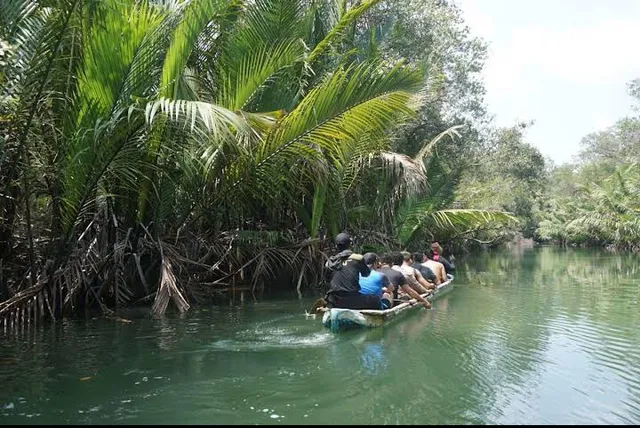
To fully appreciate the park's natural wonders, I embarked on a boat excursion to the iconic Krakatoa volcano. Witnessing the towering volcano rising from the ocean was an awe-inspiring sight. The boat ride provided breathtaking views of the surrounding islands and the opportunity to explore hidden coves and secluded beaches. It was a journey filled with wonder and a reminder of the raw power of nature.
The park's facilities and infrastructure are well-maintained, with comfortable accommodations and camping areas available for visitors. The park authorities have implemented sustainable tourism practices, ensuring minimal impact on the fragile ecosystem. The knowledgeable guides and rangers are passionate about conservation and are dedicated to preserving the park's...
Read moreUjung Kulon National Park is a must-visit destination for anyone seeking a peaceful and natural environment. Located in the westernmost tip of Java, the park covers an area of over 1,200 square kilometers, making it one of the largest protected areas in Indonesia. The park is home to a variety of rare and endangered species, such as the Javan rhinoceros, Javan gibbons, and green sea turtles.
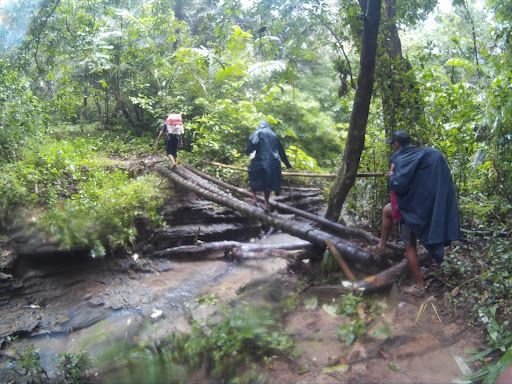
The park offers a wide range of activities for visitors, including hiking, birdwatching, and snorkeling. The trek to the iconic Krakatoa volcano is a popular activity among tourists, where you can witness breathtaking views of the surrounding islands and the ocean. The underwater world of Ujung Kulon National Park is also worth exploring, with a diverse range of marine life, including colorful fish, corals, and sea turtles.
One of the best things about Ujung Kulon National Park is its untouched natural beauty. The park's dense rainforests, rolling hills, and pristine beaches offer a unique and unforgettable experience. Whether you're looking for a relaxing getaway or an adventurous trip, Ujung Kulon National Park is a great destination to consider. So, pack your bags, and get ready to experience the wonders of Indonesia's natural beauty at Ujung Kulon...
Read more