⭐⭐⭐⭐⭐ Amazing wildlife experience - absolutely worth the journey!
Just returned from an incredible day at Tangkoko National Park and I'm still buzzing from the experience! This hidden gem is definitely worth the 1-hour drive from Manado city.
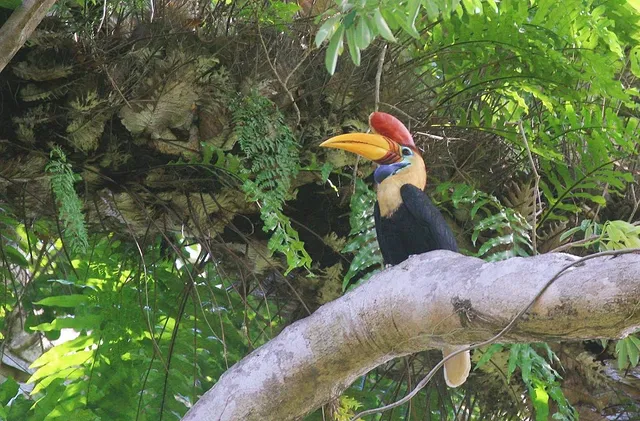
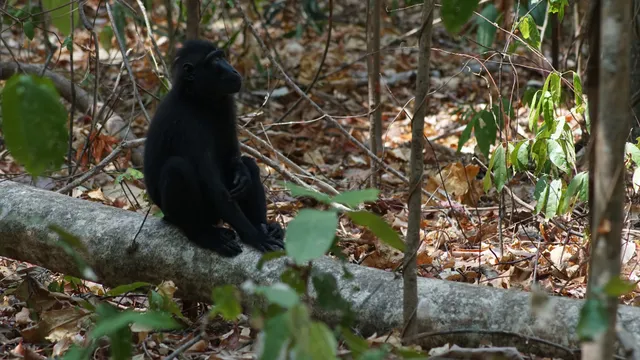
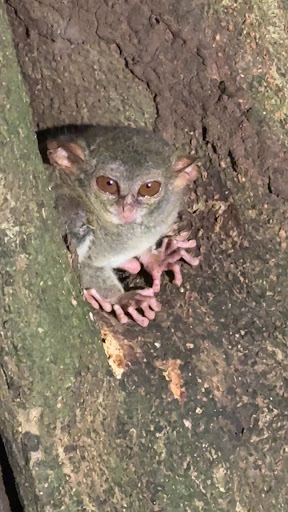
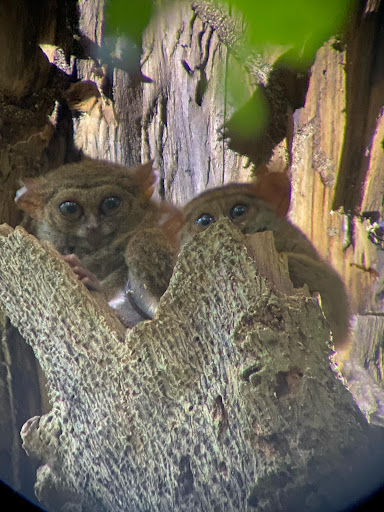
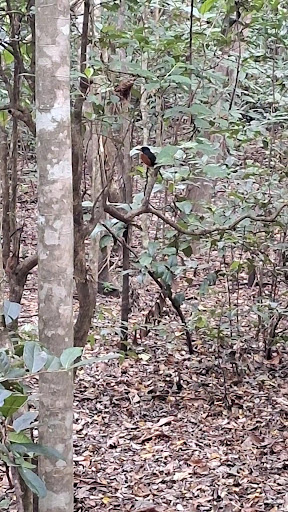
What we saw: The wildlife diversity is phenomenal - we spotted beautiful butterflies, majestic Sulawesi hornbills, playful crested black macaques (flat back monkeys), the adorable endemic tarsiers, colorful kingfisher birds, and even the rare Maleo birds. The tarsiers alone made the entire trip worthwhile!
Essential tips for fellow visitors: 🔹 HIRE A GUIDE - This is non-negotiable! The trails can be confusing and you'll easily get lost without local expertise. Our guide was fantastic at spotting wildlife we never would have seen.
🔹 What to wear: Light long-sleeved shirt, long pants, closed shoes with socks, hat, and bring mosquito spray. Trust me on this - the mosquitoes are no joke!
🔹 Best timing: Arrive around 2:30-3:00 PM. We started at 2:30 PM and finished around 7:30 PM, which was perfect timing to see the tarsiers emerge around 6 PM.
Costs (as of my visit): • Park entry: Rp 100k for foreigners (AUD 10), Rp 10k for locals (AUD 1) • Guide: Rp 250k per person (~AUD 25) • Driver + car for 12 hours: Rp 1.2 million (~AUD 120) - we used Grab app to arrange this. 8 hours might be sufficient if you're not planning meals out, but we wanted lunch before and dinner after.
This is a must-visit destination for nature lovers and anyone wanting to see Sulawesi's unique endemic species. The experience of seeing tarsiers in their natural habitat is truly magical and something you'll remember forever!
Highly...
Read moreThe village itself is not a very nice place. You can find a lot of rubbish in the river and all the place seemed badly maintained to me. I expected something like Bukkit Lawang but it was really very far from this experience.
Furthermore, you can hardly find a good restaurant here.
What I really hated was the fact that locals drive their scooters on the very same path you walk searching for animals after entering the park. It is ridiculous, considering the fact that half of the village lives from the tourism.
Last year the area accesible to tourists got more limited than before (which I support), therefore there is no reason to take all-day tour anymore. Most people do just the morning and evening walk.
The guides know where are the animals are – at the moment there are three tarsier living in one tree. This is the place where they bring all the tourists in the evening. Which means that 30-50 people gather around one tree.
The experience is still nice but far from romantic feeling of visiting tropical forest. However, if you have a good guide and you are not expecting too much of walking in wild nature I think you will enjoy it.
Overall I would not come back here neither recommend the visit to anyone who is not willing to observe animals while listening to loud karaoke from a nearby village.
However, just clean the place and try to be more welcoming to tourists and it can become a nice place. As long as you will be throwing waste to river (and really, the situation is worse than in rest of Sulawesi) and driving scooters IN THE PARK, you do not deserve...
Read moreThe Tangkoko NP is one the most famous In Sulawesi and it is easy to spot the animal. The place itself is relatively wild, at least the area which can be seen by the visitors (a tiny small area of the Park). Many motorbikes and cars go in and out of the park. The entrance fee for foreigners is 20 times more expensive then the locals, thing I get used to understand, but surely is not acceptable a 200.000 rupiah per person if you want to get a guide, a must if you want see some animals. Money that the guide just put in their pockets without any receipt etc, no signs out of the park state the prices of the guide you need to bargain. Why? Many of them are not really official guides, anyway which are the official ones? It’s extraordinarily easy spot the animals maybe not all in a same day but definitely many. Why? They are located in very well known area and paths of the park ( it is a secondary and some part only tertiary forest), stated as well on the map just inside of the camp, but if you go by yourself you will not see them.Those animals are in a semi-wild states. Some foreigners which working inside assure us that there are many wild animals inside the real park more close to the extinct volcano and you will find more real forest as well. It’s a great place where they are trying to preserve those animals but many things need to be done yet. I really appreciate the fantastic laidback fishing village atmosphere with some lovely people and the black sandy beach...
Read more