HTML SitemapExplore
logo
Find Things to DoFind The Best Restaurants

Fort van den Bosch — Attraction in East Java

Name
Fort van den Bosch
Description
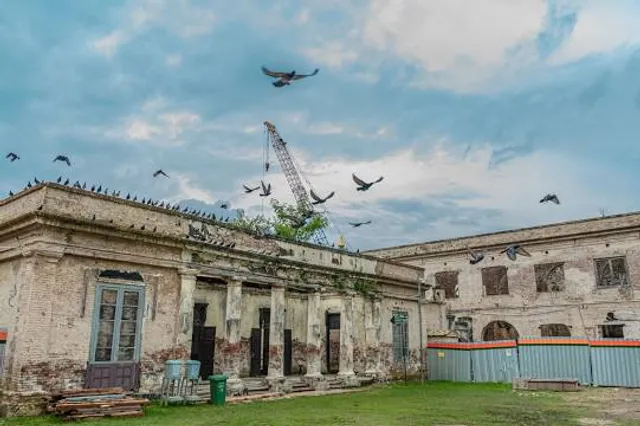
Fort van den Bosch, locally known as Benteng Pendem, is a fort located in Pelem administrative village, Ngawi, Ngawi Regency, Indonesia.
Nearby attractions
Nearby restaurants
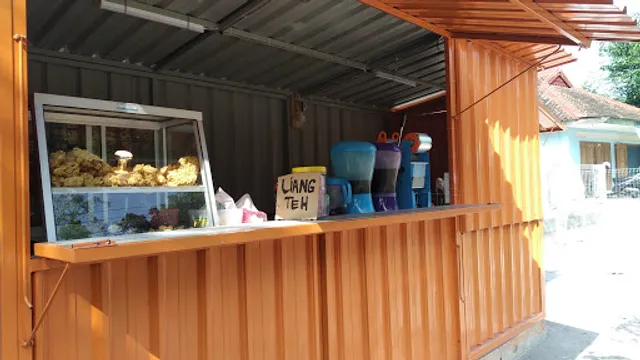
Geprek Cowek
JF67+34R Depan Univ Soerjo, Ngantru, Ngawi, Kec. Ngawi, Kabupaten Ngawi, Jawa Timur 63218, Indonesia
Nearby hotels
Urbanview Hotel Nimara Ngawi by RedDoorz
Jl. Monginsidi No.20, Pelem II, Pelem, Kec. Ngawi, Kabupaten Ngawi, Jawa Timur 63212, Indonesia
Related posts
Keywords
Fort van den Bosch tourism.Fort van den Bosch hotels.Fort van den Bosch bed and breakfast. flights to Fort van den Bosch.Fort van den Bosch attractions.Fort van den Bosch restaurants.Fort van den Bosch travel.Fort van den Bosch travel guide.Fort van den Bosch travel blog.Fort van den Bosch pictures.Fort van den Bosch photos.Fort van den Bosch travel tips.Fort van den Bosch maps.Fort van den Bosch things to do.
Fort van den Bosch things to do, attractions, restaurants, events info and trip planning
Fort van den Bosch
IndonesiaEast JavaFort van den Bosch

Basic Info

Fort van den Bosch

Jl. Untung Suropati No.II, Pelem II, Pelem, Kec. Ngawi, Kabupaten Ngawi, Jawa Timur 63211, Indonesia
4.5(2.8K)
Open 24 hours
Save
spot

Ratings & Description

Info

Fort van den Bosch, locally known as Benteng Pendem, is a fort located in Pelem administrative village, Ngawi, Ngawi Regency, Indonesia.

Cultural
Outdoor
Accessibility
attractions: , restaurants: Geprek Cowek
logoLearn more insights from Wanderboat AI.
Phone
+62 351 749208

Plan your stay

hotel
Pet-friendly Hotels in East Java
Find a cozy hotel nearby and make it a full experience.
hotel
Affordable Hotels in East Java
Find a cozy hotel nearby and make it a full experience.
hotel
The Coolest Hotels You Haven't Heard Of (Yet)
Find a cozy hotel nearby and make it a full experience.
hotel
Trending Stays Worth the Hype in East Java
Find a cozy hotel nearby and make it a full experience.

Reviews

Nearby restaurants of Fort van den Bosch

Geprek Cowek

Geprek Cowek

Geprek Cowek

4.9

(8)

Click for details
Get the Appoverlay
Get the AppOne tap to find yournext favorite spots!
Wanderboat LogoWanderboat

Your everyday Al companion for getaway ideas

CompanyAbout Us
InformationAI Trip PlannerSitemap
SocialXInstagramTiktokLinkedin
LegalTerms of ServicePrivacy Policy

Get the app

© 2025 Wanderboat. All rights reserved.
logo

Reviews of Fort van den Bosch

4.5
(2,809)
avatar
5.0
24w

Review: Google Vanden Bosch Post-Renovation - Gorgeous but Gated!

Google Vanden Bosch has emerged from its renovation looking absolutely stunning! The transformation is significant, and the site now boasts a lovely, super duper Instagrammable aesthetic that's sure to please visitors looking for that perfect shot. The grounds and preserved structures are genuinely beautiful and photogenic.

One of the most noticeable improvements, especially for those sensitive to atmosphere, is the dramatic reduction in the previously heavy, mystical aura. It feels like a successful neutralization must have taken place before the renovation work began. Areas that once felt intensely charged now feel lighter. For instance, the old prison cells, viewed through an intuitive lens, now feel surprisingly "safe" and calm – a significant shift.

However, the renovation hasn't erased all quirks! There are still a few unique spots that warrant caution, like the eerie restroom where a tree defiantly grows right through the wall. It's a fascinating yet slightly unsettling reminder of nature's persistence and the building's past.

Now, for the major disappointment... What on earth is the deal with the second floor?!

Despite the extensive and clearly beautiful renovations visible throughout the lower areas, the entire access to the second floor is completely blocked off. This is a genuine letdown and a real head-scratcher. Why invest so much effort into renovating those upper spaces to look "so pretty" if no one can actually experience them? It feels like a missed opportunity to fully showcase the building's potential and history. This restriction significantly limits the exploration and enjoyment of the site.

Verdict:

Visually: A huge success! Gorgeous, Instagrammable, and significantly brighter in atmosphere. The creepy vibe is largely gone. Spiritually: Feels cleansed and neutralized. The prison area, in particular, feels surprisingly secure energetically. Experience: Frustratingly limited by the inexplicable closure of the entire second floor. The unique, slightly spooky details (like the tree-wall WC) add character but also a touch of necessary wariness.

Go for the beautiful views and photos, but be prepared for the major bummer of inaccessible renovated spaces upstairs. It's a lovely destination with a puzzling and disappointing...

   Read more
avatar
5.0
1y

Van den Bosch Fort, also known as Benteng Pendem Ngawi, is a historical landmark located in Ngawi, East Java, Indonesia. This fort serves as a testament to Indonesia's colonial past, offering visitors a glimpse into a pivotal era in the country's history.

Constructed in 1845 during the Dutch colonial period, the fort was named after Governor-General Johannes van den Bosch. It was built as a defense structure, strategically situated near the Bengawan Solo River, one of the longest rivers in Java. The fort's location made it a vital point of control for the Dutch, serving as a hub for military activities and trade.

The fort's architecture reflects the military design of its era. It is characterized by thick walls made of red bricks and an extensive moat surrounding the structure. The fort consists of several buildings, including barracks, ammunition storage, a prison, and a commander's house. Despite its age, much of the fort remains intact, allowing visitors to explore its labyrinthine passages and rooms.

One of the most significant features of the Van den Bosch Fort is its underground tunnels. These tunnels were used for various purposes, including as a means of escape during attacks. Today, visitors can walk through these tunnels, experiencing a sense of the fort's past firsthand.

Visiting Van den Bosch Fort is not just about appreciating its architectural design and historical significance. It also offers a tranquil environment, with lush greenery surrounding the fort. The site has been transformed into a public park where locals and tourists can enjoy leisure activities while soaking in the historical ambiance.

The fort also serves as a venue for various cultural events and exhibitions, further promoting local heritage and arts. These events provide an opportunity for visitors to learn more about the local culture and history.

Van den Bosch Fort is easily accessible from various parts of East Java, making it a must-visit destination for history enthusiasts and curious tourists alike. It stands as a symbol of Indonesia's resilience and a reminder of its...

   Read more
avatar
5.0
16w

Satu hal yang dapat memotivasi kita untuk terus berusaha mencari kesembuhan, adalah adanya jaminan dari Allah Ta’ala bahwa seluruh penyakit yang menimpa seorang hamba pasti ada obatnya. Rasulullah shallallahu ‘alaihi wa sallam bersabda,

مَا أَنْزَلَ اللهُ دَاءً إِلاَّ أَنْزَل لَهُ شِفَاءً

“ Tidaklah Allah menurunkan suatu penyakit, melainkan akan menurunkan pula obat untuk penyakit tersebut ” (H.R. Bukhari)

Hadits ini menunjukkan bahwa seluruh jenis penyakit, memiliki obat yang dapat digunakan untuk mencegah, menyembuhkan, ataupun untuk meringankan penyakit tersebut. Hadits ini juga mengandung dorongan untuk mempelajari pengobatan penyakit-penyakit badan sebagaimana kita mempelajari obat untuk penyakit-penyakit hati. Karena Allah Ta’ala telah menjelaskan kepada kita bahwa seluruh jenis penyakit memiliki obat, sehingga kita hendaknya berusaha mempelajari dan kemudian mempraktikkannya.

Selain itu, Rasulullah shallalahu ‘alaihi wa sallam juga bersabda,

لِكُلِّ دَاءٍ دَوَاءٌ، فَإِذَا أُصِيْبَ دَوَاءُ الدَّاءِ بَرَأَ بِإِذْنِ اللهِ

“ Untuk setiap penyakit ada obatnya. Apabila obat tersebut sesuai dengan penyakitnya, penyakit tersebut akan sembuh dengan seizin Allah ” (H.R. Muslim).

Maksud hadits tersebut adalah, apabila seseorang diberi obat yang sesuai dengan penyakit yang dideritanya, dan waktunya sesuai dengan yang ditentukan oelh Allah, maka dengan seizin-Nya orang sakit tersebut akan sembuh. Dan Allah akan mengajarkan pengobatan tersebut kepada siapa saja yang Dia kehendaki. Sebagaimana sabda Rasulullah shallallahu ‘alaihi wa sallam,

إِنَّ اللهَ لَمْ يَنْزِلْ دَاءً إِلاَّ وَأَنْزَل لَهُشِفَاءً، عَلِمَهُ مَنْ عَلِمَهُ و جَهِلَهُ مَنْ جَهِلَهُ

“ Sesungguhnya Allah tidak menurunkan penyakit kecuali menurunkan pula obatnya. Ada yang tahu, dan ada juga yang tidak tahu “ (H.R. Ahmad, shahih)

Ungkapan Rasulullah, “Untuk setiap penyakit ada obatnya...” memberikan penguatan jiwa kepada orang sakit serta dokter yang merawatnya. Dan juga memberikan dorongan untuk mencari obat dan mempelajarinya. Karena, kalau orang sakit meyakini bahwa ada obat yang dapat menyembuhkan penyakitnya, maka terbukalah pintu harapan baginya dan hilanglah keputusasaan dari dalam dirinya. Ketika semangat seperti ini sudah meningkat, maka daya tahan tubuh yang mendukung tubuhnya juga akan meningkat sehingga mampu mengatasi, bahakn menolak penyakit. Demikian juga bagi si dokter sendiri, kalau ia sudah meyakini bahwa setiap penyakit ada obatnya, maka ia juga terus mencari obat dari suatu penyakit dan akan terus melakukan penelitian.

Berdasarkan penjelasan Rasulullah dalam hadits di atas, maka apabila saat ini tidak ada obat yang mampu menyembuhkan suatu penyakit, bukan berarti bahwa penyakit tersebut tidak ada obatnya. Akan tetapi, hal itu terjadi karena ilmu pengetahuan manusia yang belum mampu menemukan dan mengungkap obat dari penyakit tersebut. Karena memang demikianlah ilmu manusia, secanggih apapun ilmu kedokteran modern saat ini, hal itu sangat amat kecil dibandingkan dengan ilmu Allah Ta’ala yang sangat luas dan meliputi segala sesuatu. Allah Ta’ala berfirman,

وَمَا أُوتِيتُم مِّن الْعِلْمِ إِلاَّ قَلِيلاً

“ Dan tidaklah kamu diberi pengetahuan melainkan sedikit ” (Al Isra’:85).

Diambil dari buku “Ke Mana Seharusnya Anda Berobat?” hal 25-27, penerbit Wacana Ilmiah Press, karya dr. Muhammad Saifuddin Hakim *

dr. Muhammad Saifuddin Hakim merupakan salah satu Dewan Redaksi Majalah Kesehatan Muslim. Beliau adalah alumni Fakultas Kedokteran UGM, saat ini sedang menempuh studi S2 di Universitas Erasmus...

   Read more

Page 1 of 7
Previous
Next

Posts

creator developer designercreator developer designer
Van den Bosch Fort, also known as Benteng Pendem Ngawi, is a historical landmark located in Ngawi, East Java, Indonesia. This fort serves as a testament to Indonesia's colonial past, offering visitors a glimpse into a pivotal era in the country's history. Constructed in 1845 during the Dutch colonial period, the fort was named after Governor-General Johannes van den Bosch. It was built as a defense structure, strategically situated near the Bengawan Solo River, one of the longest rivers in Java. The fort's location made it a vital point of control for the Dutch, serving as a hub for military activities and trade. The fort's architecture reflects the military design of its era. It is characterized by thick walls made of red bricks and an extensive moat surrounding the structure. The fort consists of several buildings, including barracks, ammunition storage, a prison, and a commander's house. Despite its age, much of the fort remains intact, allowing visitors to explore its labyrinthine passages and rooms. One of the most significant features of the Van den Bosch Fort is its underground tunnels. These tunnels were used for various purposes, including as a means of escape during attacks. Today, visitors can walk through these tunnels, experiencing a sense of the fort's past firsthand. Visiting Van den Bosch Fort is not just about appreciating its architectural design and historical significance. It also offers a tranquil environment, with lush greenery surrounding the fort. The site has been transformed into a public park where locals and tourists can enjoy leisure activities while soaking in the historical ambiance. The fort also serves as a venue for various cultural events and exhibitions, further promoting local heritage and arts. These events provide an opportunity for visitors to learn more about the local culture and history. Van den Bosch Fort is easily accessible from various parts of East Java, making it a must-visit destination for history enthusiasts and curious tourists alike. It stands as a symbol of Indonesia's resilience and a reminder of its colonial past.
zez de vrieszez de vries
Benteng Van den Bosch, lebih dikenal sebagai Benteng Pendem adalah sebuah benteng yang terletak di Kelurahan Pelem, Kecamatan Ngawi Kota, Kabupaten Ngawi. Benteng ini memiliki ukuran bangunan 165 m x 80 m dengan luas tanah 15 Ha. Lokasinya mudah dijangkau yakni dari Kantor Pemerintah Kabupaten Ngawi +/- 1,5 Km arah timur laut. Letak benteng ini sangat strategis karena berada di dekat muara sungai Bengawan Madiun yang bermuara ke sungai Bengawan Solo. Benteng ini dulu sengaja dibuat lebih rendah dari tanah sekitar yang dikelilingi oleh tanah tinggi sehingga terlihat dari luar terpendam. Pada abad 19 Ngawi menjadi salah satu pusat perdagangan dan pelayaran di Jawa Timur dan dijadikan pusat pertahanan Belanda di wilayah Ngawi dan sekitarnya dalam Perang Diponegoro (1825-1830). Perlawanan melawan Belanda yang berkobar di daerah Ngawi dipimpin oleh Adipati Judodiningrat dan Raden Tumenggung Surodirjo, serta salah satu pengikut Pangeran Diponegoro bernama Wirotani. Pada tahun 1825 Kabupaten Ngawi dan Kecamatan Ngawi berhasil direbut dan diduduki oleh Belanda. Untuk mempertahankan kedudukan dan fungsi strategis Ngawi serta menguasai jalur perdagangan, Pemerintah Hindia Belanda membangun sebuah benteng yang selesai pada tahun 1845 yaitu Benteng Van Den Bosch. Benteng ini dihuni tentara Belanda 250 orang bersenjatakan bedil, 6 meriam api dan 60 orang kavaleri dipimpin oleh Johannes van den Bosch. Dipilihnya lokasi itu untuk pembangunan Benteng Van Den Bosch karena Sungai Bengawan Solo dan Bengawan Madiun kala itu merupakan jalur perdagangan strategis, dimana jalur lalu lintas sungai yang dapat dilayari oleh perahu-perahu yang cukup besar sampai ke bagian hulu. Kala itu perahu-perahu tersebut memuat berbagai macam hasil bumi berupa rempah-rempah dan palawija dari Surakarta-Ngawi menuju Gresik, demikian juga Madiun-Ngawi dengan tujuan yang sama. Lokasi Benteng Van Den Bosch sengaja dibuat rendah dari tanah sekitarnya yang lebih tinggi agar tersembunyi dan memenuhi unsur ideal bagi suatu benteng pertahanan. Namun, dengan hebatnya arsitek Belanda saat itu dalam mendesain saluran drainase, walaupun berposisi lebih rendah dari tanah sekitarnya, lokasi Benteng mampu terhindar dari banjir. Oleh karena itu, Benteng Van Den Bosch ini juga dikenal dengan sebutan benteng pendem oleh masyarakat sekitar. Melihat usaha Belanda dalam menguasai wilayah Ngawi, Pangeran Diponegoro tidak tinggal diam, bersama salah satu pengikut setianya yaitu Kyai Haji Muhammad Nursalim, dia melakukan perlawanan terhadap Belanda serta mengajarkan Agama Islam dan memotivasi perlawanan terhadap Belanda kepada Masyarakat Ngawi. Konon Kyai Haji Muhammad Nursalim memiliki kekuatan kebal terhadap peluru dan senjata sehingga membuat pasukan Belanda merasa terdesak saat utusan Pangeran Diponegoro tersebut melakukan perlawanan bersama pasukannya. Maka Belanda membuat siasat untuk menangkap dan kemudian mengubur Kyai Haji Muhammad Nursalim hidup-hidup di sekitar zona inti Benteng Van Den Bosch.
004_Rosya Mawaddah Susanto004_Rosya Mawaddah Susanto
Ngawi Regency is a friendly and comfortable city, has a long history of being a Dutch heritage fortress "Fort Van Den Bosch or fort pendem". Why is it called pendem, because the location of the building protrudes inward so that it is not visible from afar. This fort was built in the 19th century in a Roman-Dutch building style. The fort was built for the defense of the Dutch from the attacks of Prince Diponegoro's troops. It's a shame that this fort is not maintained, and looks dirty and smelly, in 2020 President Jokowi promises to revitalize it. Inside the fort, there is a mini museum which explains the history of why this fort was built, there is the tomb of K.H Muhammad Nursalim (one of Prince Diponegoro's followers), there is a prison building. Entrance ticket for 1 person IDR 5,000, car parking IDR 3,000. Ample parking and when I was there there were no toilet facilities.
See more posts
See more posts
hotel
Find your stay

Pet-friendly Hotels in East Java

Find a cozy hotel nearby and make it a full experience.

Van den Bosch Fort, also known as Benteng Pendem Ngawi, is a historical landmark located in Ngawi, East Java, Indonesia. This fort serves as a testament to Indonesia's colonial past, offering visitors a glimpse into a pivotal era in the country's history. Constructed in 1845 during the Dutch colonial period, the fort was named after Governor-General Johannes van den Bosch. It was built as a defense structure, strategically situated near the Bengawan Solo River, one of the longest rivers in Java. The fort's location made it a vital point of control for the Dutch, serving as a hub for military activities and trade. The fort's architecture reflects the military design of its era. It is characterized by thick walls made of red bricks and an extensive moat surrounding the structure. The fort consists of several buildings, including barracks, ammunition storage, a prison, and a commander's house. Despite its age, much of the fort remains intact, allowing visitors to explore its labyrinthine passages and rooms. One of the most significant features of the Van den Bosch Fort is its underground tunnels. These tunnels were used for various purposes, including as a means of escape during attacks. Today, visitors can walk through these tunnels, experiencing a sense of the fort's past firsthand. Visiting Van den Bosch Fort is not just about appreciating its architectural design and historical significance. It also offers a tranquil environment, with lush greenery surrounding the fort. The site has been transformed into a public park where locals and tourists can enjoy leisure activities while soaking in the historical ambiance. The fort also serves as a venue for various cultural events and exhibitions, further promoting local heritage and arts. These events provide an opportunity for visitors to learn more about the local culture and history. Van den Bosch Fort is easily accessible from various parts of East Java, making it a must-visit destination for history enthusiasts and curious tourists alike. It stands as a symbol of Indonesia's resilience and a reminder of its colonial past.
creator developer designer

creator developer designer

hotel
Find your stay

Affordable Hotels in East Java

Find a cozy hotel nearby and make it a full experience.

Get the Appoverlay
Get the AppOne tap to find yournext favorite spots!
Benteng Van den Bosch, lebih dikenal sebagai Benteng Pendem adalah sebuah benteng yang terletak di Kelurahan Pelem, Kecamatan Ngawi Kota, Kabupaten Ngawi. Benteng ini memiliki ukuran bangunan 165 m x 80 m dengan luas tanah 15 Ha. Lokasinya mudah dijangkau yakni dari Kantor Pemerintah Kabupaten Ngawi +/- 1,5 Km arah timur laut. Letak benteng ini sangat strategis karena berada di dekat muara sungai Bengawan Madiun yang bermuara ke sungai Bengawan Solo. Benteng ini dulu sengaja dibuat lebih rendah dari tanah sekitar yang dikelilingi oleh tanah tinggi sehingga terlihat dari luar terpendam. Pada abad 19 Ngawi menjadi salah satu pusat perdagangan dan pelayaran di Jawa Timur dan dijadikan pusat pertahanan Belanda di wilayah Ngawi dan sekitarnya dalam Perang Diponegoro (1825-1830). Perlawanan melawan Belanda yang berkobar di daerah Ngawi dipimpin oleh Adipati Judodiningrat dan Raden Tumenggung Surodirjo, serta salah satu pengikut Pangeran Diponegoro bernama Wirotani. Pada tahun 1825 Kabupaten Ngawi dan Kecamatan Ngawi berhasil direbut dan diduduki oleh Belanda. Untuk mempertahankan kedudukan dan fungsi strategis Ngawi serta menguasai jalur perdagangan, Pemerintah Hindia Belanda membangun sebuah benteng yang selesai pada tahun 1845 yaitu Benteng Van Den Bosch. Benteng ini dihuni tentara Belanda 250 orang bersenjatakan bedil, 6 meriam api dan 60 orang kavaleri dipimpin oleh Johannes van den Bosch. Dipilihnya lokasi itu untuk pembangunan Benteng Van Den Bosch karena Sungai Bengawan Solo dan Bengawan Madiun kala itu merupakan jalur perdagangan strategis, dimana jalur lalu lintas sungai yang dapat dilayari oleh perahu-perahu yang cukup besar sampai ke bagian hulu. Kala itu perahu-perahu tersebut memuat berbagai macam hasil bumi berupa rempah-rempah dan palawija dari Surakarta-Ngawi menuju Gresik, demikian juga Madiun-Ngawi dengan tujuan yang sama. Lokasi Benteng Van Den Bosch sengaja dibuat rendah dari tanah sekitarnya yang lebih tinggi agar tersembunyi dan memenuhi unsur ideal bagi suatu benteng pertahanan. Namun, dengan hebatnya arsitek Belanda saat itu dalam mendesain saluran drainase, walaupun berposisi lebih rendah dari tanah sekitarnya, lokasi Benteng mampu terhindar dari banjir. Oleh karena itu, Benteng Van Den Bosch ini juga dikenal dengan sebutan benteng pendem oleh masyarakat sekitar. Melihat usaha Belanda dalam menguasai wilayah Ngawi, Pangeran Diponegoro tidak tinggal diam, bersama salah satu pengikut setianya yaitu Kyai Haji Muhammad Nursalim, dia melakukan perlawanan terhadap Belanda serta mengajarkan Agama Islam dan memotivasi perlawanan terhadap Belanda kepada Masyarakat Ngawi. Konon Kyai Haji Muhammad Nursalim memiliki kekuatan kebal terhadap peluru dan senjata sehingga membuat pasukan Belanda merasa terdesak saat utusan Pangeran Diponegoro tersebut melakukan perlawanan bersama pasukannya. Maka Belanda membuat siasat untuk menangkap dan kemudian mengubur Kyai Haji Muhammad Nursalim hidup-hidup di sekitar zona inti Benteng Van Den Bosch.
zez de vries

zez de vries

hotel
Find your stay

The Coolest Hotels You Haven't Heard Of (Yet)

Find a cozy hotel nearby and make it a full experience.

hotel
Find your stay

Trending Stays Worth the Hype in East Java

Find a cozy hotel nearby and make it a full experience.

Ngawi Regency is a friendly and comfortable city, has a long history of being a Dutch heritage fortress "Fort Van Den Bosch or fort pendem". Why is it called pendem, because the location of the building protrudes inward so that it is not visible from afar. This fort was built in the 19th century in a Roman-Dutch building style. The fort was built for the defense of the Dutch from the attacks of Prince Diponegoro's troops. It's a shame that this fort is not maintained, and looks dirty and smelly, in 2020 President Jokowi promises to revitalize it. Inside the fort, there is a mini museum which explains the history of why this fort was built, there is the tomb of K.H Muhammad Nursalim (one of Prince Diponegoro's followers), there is a prison building. Entrance ticket for 1 person IDR 5,000, car parking IDR 3,000. Ample parking and when I was there there were no toilet facilities.
004_Rosya Mawaddah Susanto

004_Rosya Mawaddah Susanto

See more posts
See more posts