HTML SitemapExplore
logo
Find Things to DoFind The Best Restaurants

Candi Muaro Jambi — Attraction in Jambi

Name
Candi Muaro Jambi
Description
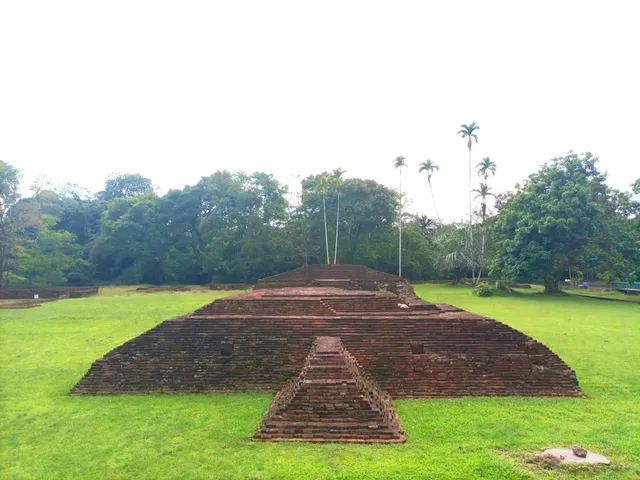
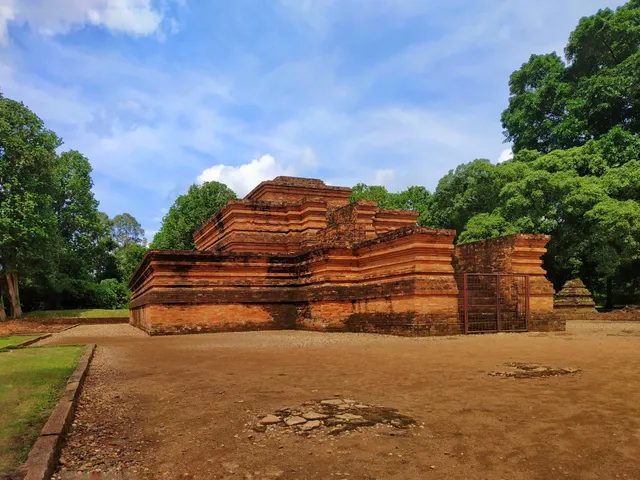
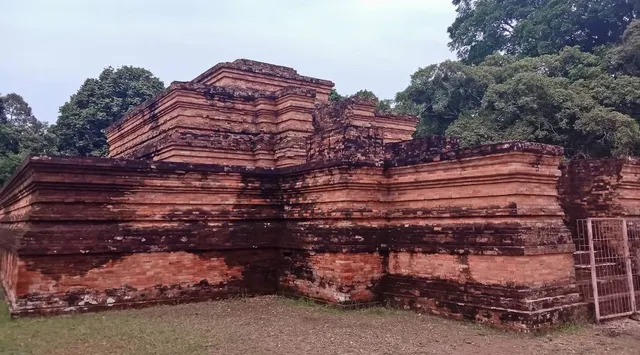
Muaro Jambi is a Buddhist temple complex, in Muaro Jambi Regency, Jambi province, Sumatra, Indonesia. It is situated 26 kilometers east from the city of Jambi.
Nearby attractions
Candi Kembar Batu
GMCC+V94, Muaro Jambi, Maro Sebo, Muaro Jambi Regency, Jambi 36382, Indonesia
Nearby restaurants
Nearby hotels
Related posts
Keywords
Candi Muaro Jambi tourism.Candi Muaro Jambi hotels.Candi Muaro Jambi bed and breakfast. flights to Candi Muaro Jambi.Candi Muaro Jambi attractions.Candi Muaro Jambi restaurants.Candi Muaro Jambi travel.Candi Muaro Jambi travel guide.Candi Muaro Jambi travel blog.Candi Muaro Jambi pictures.Candi Muaro Jambi photos.Candi Muaro Jambi travel tips.Candi Muaro Jambi maps.Candi Muaro Jambi things to do.
Candi Muaro Jambi things to do, attractions, restaurants, events info and trip planning
Candi Muaro Jambi
IndonesiaJambiCandi Muaro Jambi

Basic Info

Candi Muaro Jambi

Muaro Jambi, Maro Sebo, Muaro Jambi Regency, Jambi 36382, Indonesia
4.5(1.1K)
Open 24 hours
Save
spot

Ratings & Description

Info

Muaro Jambi is a Buddhist temple complex, in Muaro Jambi Regency, Jambi province, Sumatra, Indonesia. It is situated 26 kilometers east from the city of Jambi.

Cultural
Outdoor
Family friendly
attractions: Candi Kembar Batu, restaurants:
logoLearn more insights from Wanderboat AI.

Plan your stay

hotel
Pet-friendly Hotels in Jambi
Find a cozy hotel nearby and make it a full experience.
hotel
Affordable Hotels in Jambi
Find a cozy hotel nearby and make it a full experience.
hotel
The Coolest Hotels You Haven't Heard Of (Yet)
Find a cozy hotel nearby and make it a full experience.
hotel
Trending Stays Worth the Hype in Jambi
Find a cozy hotel nearby and make it a full experience.

Reviews

Nearby attractions of Candi Muaro Jambi

Candi Kembar Batu

Candi Kembar Batu

Candi Kembar Batu

4.7

(38)

Open 24 hours
Click for details
Get the Appoverlay
Get the AppOne tap to find yournext favorite spots!
Wanderboat LogoWanderboat

Your everyday Al companion for getaway ideas

CompanyAbout Us
InformationAI Trip PlannerSitemap
SocialXInstagramTiktokLinkedin
LegalTerms of ServicePrivacy Policy

Get the app

© 2025 Wanderboat. All rights reserved.
logo

Reviews of Candi Muaro Jambi

4.5
(1,109)
avatar
4.0
3y

This is written in the museum: Justification of Outstanding Universal Value The Muarajambi Temple Compound Site has outstanding universal value as seen from the cultural heritage findings and the relatively intact and preserved environment that has been maintained by the local community. Having such values, the Muaraja bi Temple Compound Site has the potential to be nominated as a Word Heritage under the criteria in the Operational Guidelines for the Implementation of the Word Heritage Convention, as follows: (ii) To exhibit an important interchange of human values, over a span of time or within a cultural area of the world, on developments in architecture or technology, monumental arts, town-planning or landscape design. The Muarajambi Temple Compound Site illustrates the exchange of culture and human values over a span of time within the period of the Hinduism-Buddhism culture in Indonesia and specifically in Jambi. The values of humanities are reflected in the building of the temples based on the philosophy of Hinduism-Buddhism. In terms of technology and architecture, the structures illustrate the skills and the knowledge in various fields starting from selecting the location, method of constructing the temple and land use adjusted to the geographical condition and environment of the temple compound. The Muarajambi region -that is located in the natural leave of Batanghari River and is a floodprone area- has been realigned to become a viable area for worship rituals and for settlement at that time. The findings of man-made canals -that pass around the temple complex and the water reservoirs- are evidence that the people of the past have the local wisdom to conserve water, use the canals for transportation, obtain source of protein from the various fish cultivated in these canals connected to the Batanghari River. From the architectural point of view, it is apparent that the local community of that time around the Muarajambi temple compound already possessed the capacity to destan and build structures from bricks following the Hinduism-Buddhism philosophy. The technology in producing brick blocks -starting from selecting the material, molding, heating, and applying construction techniques is considered as unique knowledge and skills of the people in that age. (ili) To be a unique or at least exceptional testimony to a cultural tradition or to a civilization which is living or which has disappeared. The Muarajambi Temple Compound Site is evidence of a civilization that was built in the age of the ancient Malay Kingdom around the 7th Century AD up to the 14th Century (in the Hinduism-Buddhism era in Jambi). (in) Be an outstanding example of a type of building, architectural or technological ensemble or landscape which illustrates significant stages in traditional human settlement, land use, or water management that represents cultural values or the interaction of a culture (or cultures), or the interaction of humans with nature, especially when it has become vulnerable under the impact of irreversible change; From the architectural stand point, the Muarajambi temple compound are typical structures built in the age of the Hinduism-Buddhism in Sumatera around the 7th Century AD up to the 14th Century AD. There were at least 82 ruins of ancient buildings that were discovered in this site. Seven of them have been exposed and have been given intensive conservation treatment, namely the Gumpung, Tinggi I, Tinggi II, Kembar Batu, Astano, Gedong I and Gedong Il, and the...

   Read more

avatar
5.0
7y

Candi Muaro Jambi (Muaro Jambi Temple) actualy the name of a huge complex of temples Candi Tinggi, Candi Gedong, Candi Gumpung, & Candi Astano are names of the most famous temples that built by red brick there. Here you'll find the descent of Sriwijaya Kingdom (the capital placed at Palembang, today named Taman Purbakala) temples where about 3,000 students of Budha spent their time for studying the religion and any other disciplines (record by I' Tsing, china's student were there). It's about 30km from Telanai (center of Jambi City) and about an hour from the airport. This place is recomended for you who wanna find the atmosphere of peace, you'll find that the temples placed in a country that the people (race of Melayu Jambi) so kind, & still life side by side with the nature, green is the most of color. If you lucky you'll find Duku, a sweet fruit around the temple, more information? Just come...

   Read more
avatar
5.0
7y

Berlokasi di Kecamatan Muaro Sebo, Kabupaten Muaro Jambi, Jambi, tepatnya di tepi sungai Batang Hari, sekitar 26 kilometer arah timur Kota Jambi, situs purbakala ini diperkirakan berasal dari abad ke-11M. Kompleks percandian agama Hindu-Buddha tersebut diklaim yang terluas di Indonesia dan kemungkinan besar merupakan peninggalan Kerajaan Sriwijaya serta Kerajaan Melayu. Kondisinya yang sangat terawat dan apik tentu membuat lokasi ini daya tarik tersendiri bagi pelancong. Bahkan sejak tahun 2009 Kompleks Candi Muaro Jambi telah dicalonkan ke UNESCO untuk menjadi situs warisan dunia. Situs ini ditemukan pertama kali pada tahun 1824 oleh seorang letnan Inggris bernama S.C. Crooke saat melakukan pemetaan daerah aliran sungai untuk kepentingan militer. Tahun 1975 pemerintah Indonesia mulai melakukan pemugaran serius yang dipimpin R. Soekmono. Di sini baru sembilan bangunan yang telah dipugar, dan seluruhnya bercorak Buddhisme. Kesembilan candi tersebut meliputi Candi Kotomahligai, Kedaton, Gedong Satu, Gedong Dua, Gumpung, Tinggi, Telago Rajo, Kembar Batu, dan Candi Astano. Namun sebagian besar dari 61 jumlah candi masih berupa gundukan tanah (menapo) yang belum dikupas, seperti menelusuri dimensi masa silam. Tempat yang diyakini sebagai bertemunya berbagai budaya dibuktikan dengan adanya manik-manik berasal dari Persia, Cina, dan India yang cukup membuat kita terperangah. Sementara agama Buddha Mahayana Tantrayana diduga menjadi agama mayoritas dengan ditemukannya lempeng-lempeng bertuliskan wajra pada beberapa candi yang membentuk mandala. Wisatawan dipastikan berdecak kagum ketika menelusuri situs yang memiliki luas 12 km persegi, panjang lebih dari 7 kilometer serta luas sebesar 260 hektar yang membentang searah dengan jalur sungai. Yang terbayang tentu kejayaan kerajaan itu di masanya. Sebagai sumber informasi dan pengetahuan, situs dibuka untuk masyarakat umum. Itulah sebabnya lingkungan sekitar diberi fasilitas jalan agar para pengunjung dapat mengeksplor kompleks percandian. Anak-anak bisa mengendarai sepeda untuk efisiensi waktu dan tidak lelah berjalan saat mengelilingi kompleks. Seraya mengagumi kebesaran Nusantara, kunjungan ke situs pun menjadi sesuatu yang fun bagi anak-anak, dan travelling ke lokasi ini pun sayang untuk dilewatkan dan dagi pecinta peninggalan bersejarah, bertandang ke Kompleks Percandian Muaro Jambi sebuah alternatif wisata yang sangat berharga...

   Read more
Page 1 of 7
Previous
Next

Posts

Daniel ChaniagoDaniel Chaniago
Candi Muaro Jambi (Muaro Jambi Temple) actualy the name of a huge complex of temples Candi Tinggi, Candi Gedong, Candi Gumpung, & Candi Astano are names of the most famous temples that built by red brick there. Here you'll find the descent of Sriwijaya Kingdom (the capital placed at Palembang, today named Taman Purbakala) temples where about 3,000 students of Budha spent their time for studying the religion and any other disciplines (record by I' Tsing, china's student were there). It's about 30km from Telanai (center of Jambi City) and about an hour from the airport. This place is recomended for you who wanna find the atmosphere of peace, you'll find that the temples placed in a country that the people (race of Melayu Jambi) so kind, & still life side by side with the nature, green is the most of color. If you lucky you'll find Duku, a sweet fruit around the temple, more information? Just come and anjoy it!!!
Descy SantikoDescy Santiko
The Tentative Lists of States Parties are published by the World Heritage Centre at its website and/or in working documents in order to ensure transparency, access to information and to facilitate harmonization of Tentative Lists at regional and thematic levels. The sole responsibility for the content of each Tentative List lies with the State Party concerned. The publication of the Tentative Lists does not imply the expression of any opinion whatsoever of the World Heritage Committee or of the World Heritage Centre or of the Secretariat of UNESCO concerning the legal status of any country, territory, city or area or of its boundaries.
Hello GulöHello Gulö
Did enjoyed tracking around this temple. Candi Muaro Jambi adalah sebuah kompleks percandian agama Hindu-Buddha terluas di asia tenggara, dengan luas 3981 hektar. yang kemungkinan besar merupakan peninggalan Kerajaan Sriwijaya dan Kerajaan Melayu. Kompleks percandian ini terletak di Kecamatan Maro Sebo, Kabupaten Muaro Jambi, Jambi, Indonesia, tepatnya di tepi Batang Hari, sekitar 26 kilometer arah timur Kota Jambi. Koordinat Selatan 01* 28'3" Timur 103* 40'04". Candi tersebut diperkirakakn berasal dari abad ke- 7 - 12 M. Candi Muara Jambi merupakan kompleks candi yang terbesar dan yang paling terawat di pulau Sumatra. Dan sejak tahun 2009 Kompleks Candi Muaro Jambi telah dicalonkan ke UNESCO untuk menjadi Situs Warisan Dunia. Kompleks percandian Muaro Jambi pertama kali dilaporkan pada tahun 1824 oleh seorang letnan Inggris bernama S.C. Crooke yang melakukan pemetaan daerah aliran sungai untuk kepentingan militer. Baru tahun 1975, pemerintah Indonesia mulai melakukan pemugaran yang serius yang dipimpin R. Soekmono. Berdasarkan aksara Jawa Kuno pada beberapa lempeng yang ditemukan, pakar epigrafi Boechari menyimpulkan peninggalan itu berkisar dari abad ke-7-12 Masehi. Di situs ini baru sembilan bangunan yang telah dipugar, dan kesemuanya adalah bercorak Buddhisme. Kesembilan candi tersebut adalah Candi Kotomahligai, Kedaton, Gedong Satu, Gedong Dua, Gumpung, Tinggi, Telago Rajo, Kembar Batu, dan Candi Astano. Dari sekian banyaknya penemuan yang ada, Junus Satrio Atmodjo menyimpulkan daerah itu dulu banyak dihuni dan menjadi tempat bertemu berbagai budaya. Ada manik-manik yang berasal dari Persia, China, dan India. Agama Buddha Mahayana Tantrayana diduga menjadi agama mayoritas dengan diketemukannya lempeng-lempeng bertuliskan "wajra" pada beberapa candi yang membentuk mandala. Sumber: Wikipedia
See more posts
See more posts
hotel
Find your stay

Pet-friendly Hotels in Jambi

Find a cozy hotel nearby and make it a full experience.

Candi Muaro Jambi (Muaro Jambi Temple) actualy the name of a huge complex of temples Candi Tinggi, Candi Gedong, Candi Gumpung, & Candi Astano are names of the most famous temples that built by red brick there. Here you'll find the descent of Sriwijaya Kingdom (the capital placed at Palembang, today named Taman Purbakala) temples where about 3,000 students of Budha spent their time for studying the religion and any other disciplines (record by I' Tsing, china's student were there). It's about 30km from Telanai (center of Jambi City) and about an hour from the airport. This place is recomended for you who wanna find the atmosphere of peace, you'll find that the temples placed in a country that the people (race of Melayu Jambi) so kind, & still life side by side with the nature, green is the most of color. If you lucky you'll find Duku, a sweet fruit around the temple, more information? Just come and anjoy it!!!
Daniel Chaniago

Daniel Chaniago

hotel
Find your stay

Affordable Hotels in Jambi

Find a cozy hotel nearby and make it a full experience.

Get the Appoverlay
Get the AppOne tap to find yournext favorite spots!
The Tentative Lists of States Parties are published by the World Heritage Centre at its website and/or in working documents in order to ensure transparency, access to information and to facilitate harmonization of Tentative Lists at regional and thematic levels. The sole responsibility for the content of each Tentative List lies with the State Party concerned. The publication of the Tentative Lists does not imply the expression of any opinion whatsoever of the World Heritage Committee or of the World Heritage Centre or of the Secretariat of UNESCO concerning the legal status of any country, territory, city or area or of its boundaries.
Descy Santiko

Descy Santiko

hotel
Find your stay

The Coolest Hotels You Haven't Heard Of (Yet)

Find a cozy hotel nearby and make it a full experience.

hotel
Find your stay

Trending Stays Worth the Hype in Jambi

Find a cozy hotel nearby and make it a full experience.

Did enjoyed tracking around this temple. Candi Muaro Jambi adalah sebuah kompleks percandian agama Hindu-Buddha terluas di asia tenggara, dengan luas 3981 hektar. yang kemungkinan besar merupakan peninggalan Kerajaan Sriwijaya dan Kerajaan Melayu. Kompleks percandian ini terletak di Kecamatan Maro Sebo, Kabupaten Muaro Jambi, Jambi, Indonesia, tepatnya di tepi Batang Hari, sekitar 26 kilometer arah timur Kota Jambi. Koordinat Selatan 01* 28'3" Timur 103* 40'04". Candi tersebut diperkirakakn berasal dari abad ke- 7 - 12 M. Candi Muara Jambi merupakan kompleks candi yang terbesar dan yang paling terawat di pulau Sumatra. Dan sejak tahun 2009 Kompleks Candi Muaro Jambi telah dicalonkan ke UNESCO untuk menjadi Situs Warisan Dunia. Kompleks percandian Muaro Jambi pertama kali dilaporkan pada tahun 1824 oleh seorang letnan Inggris bernama S.C. Crooke yang melakukan pemetaan daerah aliran sungai untuk kepentingan militer. Baru tahun 1975, pemerintah Indonesia mulai melakukan pemugaran yang serius yang dipimpin R. Soekmono. Berdasarkan aksara Jawa Kuno pada beberapa lempeng yang ditemukan, pakar epigrafi Boechari menyimpulkan peninggalan itu berkisar dari abad ke-7-12 Masehi. Di situs ini baru sembilan bangunan yang telah dipugar, dan kesemuanya adalah bercorak Buddhisme. Kesembilan candi tersebut adalah Candi Kotomahligai, Kedaton, Gedong Satu, Gedong Dua, Gumpung, Tinggi, Telago Rajo, Kembar Batu, dan Candi Astano. Dari sekian banyaknya penemuan yang ada, Junus Satrio Atmodjo menyimpulkan daerah itu dulu banyak dihuni dan menjadi tempat bertemu berbagai budaya. Ada manik-manik yang berasal dari Persia, China, dan India. Agama Buddha Mahayana Tantrayana diduga menjadi agama mayoritas dengan diketemukannya lempeng-lempeng bertuliskan "wajra" pada beberapa candi yang membentuk mandala. Sumber: Wikipedia
Hello Gulö

Hello Gulö

See more posts
See more posts