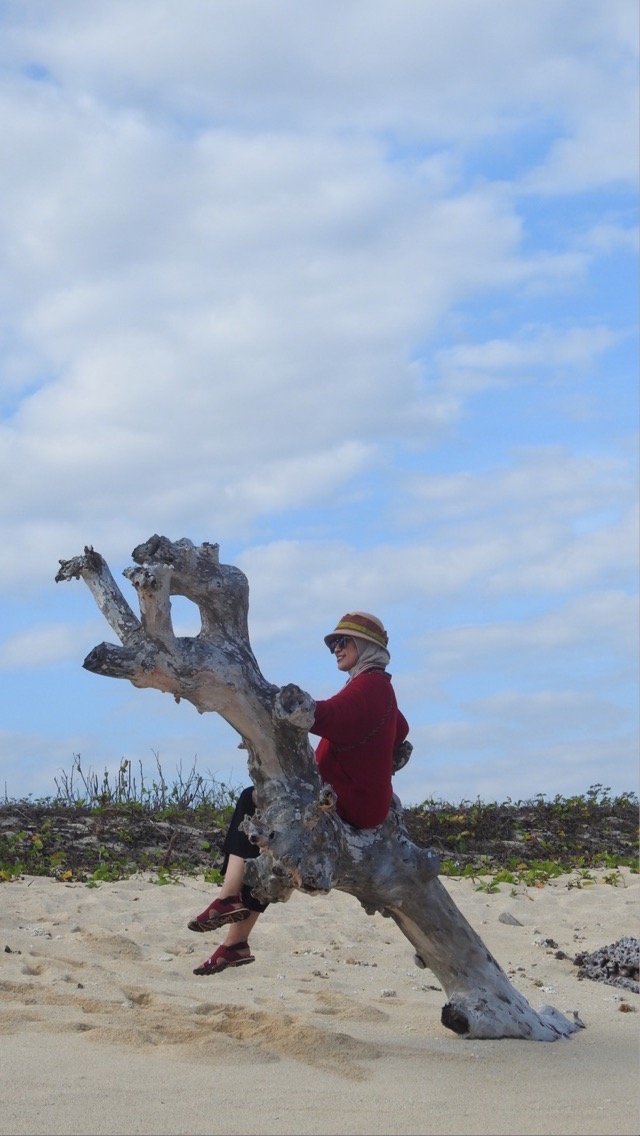
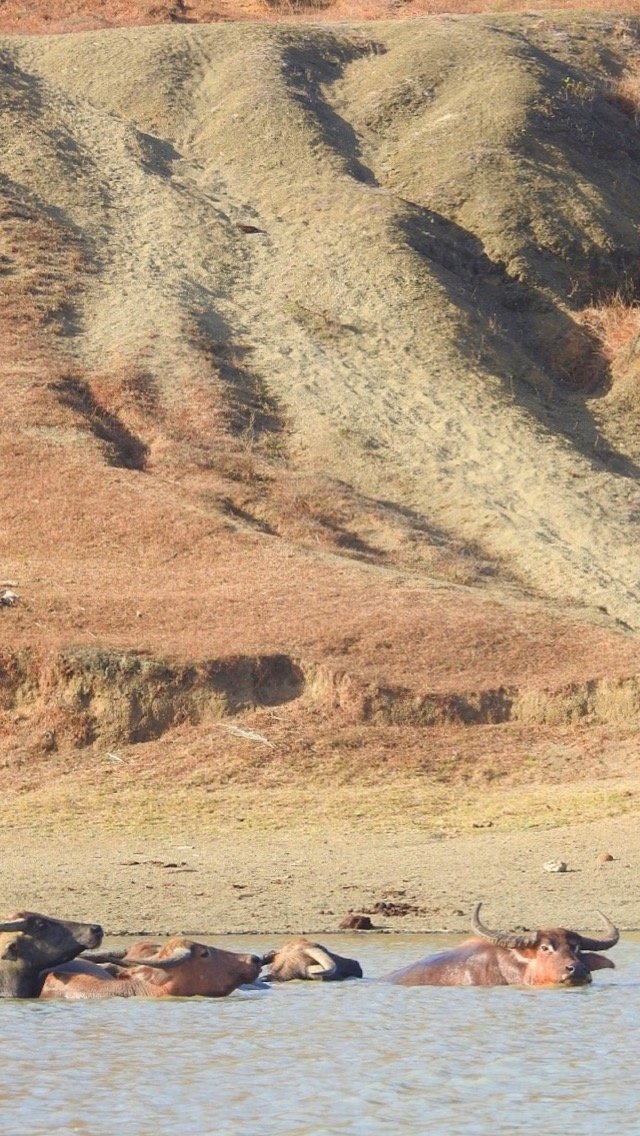
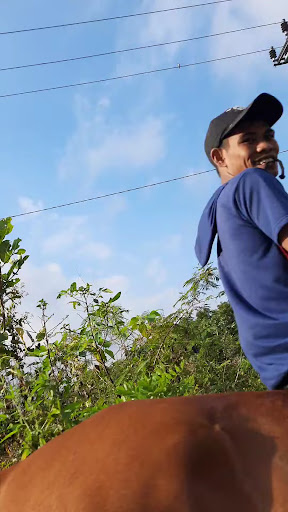
this is the most beautiful island in the world. on the island there are many tribes and consists of 4 districts namely West Sumba, East Sumba, Central Sumba and Southwest Sumba. on this island we can visit many tourist attractions, namely savannas, traditional villages, Sumba weaving houses, hills, waterfalls, white sand beaches, lakes, forests and many more. on this island we can also find animals, such as horses, buffaloes, domestic pigs, wild boars, sheep, goats, cows, monkeys, sharks and many more. yes this island is very famous for its many wild horses. on this island we can also see lots of traditional events such as traditional weddings where the man prepares and takes the belis to the woman's house to ask for her hand. Buy it in the form of animals such as horses, buffaloes, pigs, cows and so on. it even includes elephant ivory, Mamuli (Sumba's dowry). here there is also the most famous traditional event in the world, namely PASOLA. yes Pasola is held once every year. Pasola was held in the villages of Wanokaka, Kodi and Lambuya. Pasola is a traditional event that shows war between knights riding horses while throwing spears at their enemies. all knights must be male and must use horses and most importantly must be professional. and not only that, in Pasola we can also witness Pajura (boxing without using tools). basically there are many more traditional events held during Pasola. on this island we can also watch horse racing. The traditional event that is being held again is Wulla Poddu, this is an event from the Marapu belief. Marapu is the tribal religion of this island. the point is this island is very interesting and we still find many cultures that are very strong and still natural. and don't be surprised when friends come here, you see the Sumba machete on the waist of the Sumbanese man because the machete is one of the accessories of the Sumba people. here we can also see that there are still people who ride horses. The people on this island are very kind, honest and friendly, where their gazes and smiles are warm and full of love. on this island it is also very famous for the Sumba kiss handshake, this is when people meet at events or greet each other, they will kiss nose to nose. here also there are fabrics and manual woven sarongs. Original Sumba weaving with very beautiful patterns and colors and with natural dyes that do not fade colors. Sumba Woven Fabric is very beautiful and very aesthetic. on this island there are also hotels that were once the best hotels in the world. the people here also really like to eat betel and areca nut and use tobacco. Sumba Island is also known as Sandlewood Island. Thank you Sumba Island. keep being beautiful and continue to preserve the culture and...
Read moreSumba, formerly known as the Sandalwood Island, is known foe its horses and Sumba clothe. Sandalwood was the only known cure for many diseases until penicillin was invented. The Sumbanese traded with the Chinese until the 16th century, after which the Arabs became the most important trading partner until the early 20th century. The island is famous for its arts and handicrafts, particularly the textile "ikat" weaving. Sumba, however, is not for everyone. Neither the food nor accommodations are up to international standards. But if we are willing to make a little effort we can see an authentic, ancient culture with none of the layers of Hinduism or Islam mostly found elsewhere in the country.
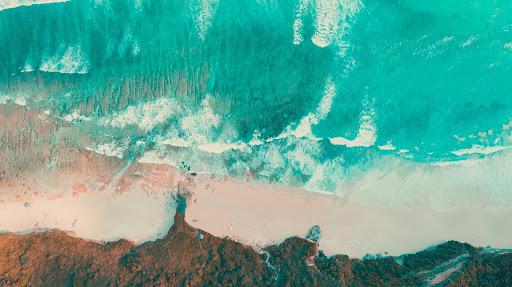
The island has a small population and a dry tropical climate. In total Sumba have more hours of sunshine than any other place in Indonesia. The land resembles Southern Africa or Australia, with scattered small villages and herds of cattle and buffalo Sumba is off the beaten track. Transport system and roads are infrequently used. Most hotels in main towns are simple, only catering for the adventurous. However, CNN etc. are available for those wishing to stay in touch with the outside world. Beaches are long and clean. Water is clear and abundant in fish, and there is great surf.
The island is roughly oval in shape. The greatest concentration of those who worship sprits (ancestral and those of the land) is found in West Sumba where two-thirds of the population holds on their traditional belief. It is here where incredible rituals take place, the "pasola" where hundreds of horsemen fling spears at each other. The government allows the ritual to take place, but the spears must be blunt. Although some exist in East Sumba, it is in West Sumba that one can find a greater number of huge megalithic tombs and traditional thatched and peaked huts raise on stilts.
Many traditional activities, all with a part paying homage to the spirits, take place in the month of July through October. These include the building of "adapt" houses and burials when sometimes hundreds of pigs, water buffaloes, horses, and dogs are sacrificed. Other ceremonies include the "pajura" or traditional boxing, the festivals for lunar New Year in October and November, and August 17, Independence Day, horse races and...
Read moreSumba is amazing place, most spectacular from Nusa Tenggera archepilago.
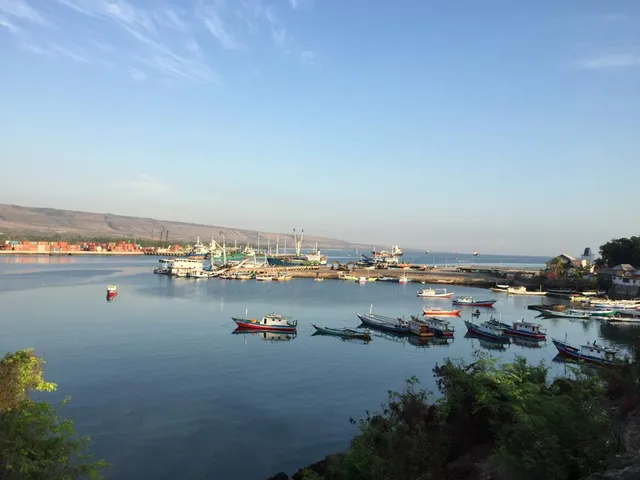
Amazing beaches on the south, hills in the middle of the island and traditional villages across the island.
Island allows to get in touch with traditional way of country life as you travel back to few centuries ago.
Compared to Bali, expect higher prices and lower standards for accommodation. People are mainly friendly, you can politely ask to visit almost any village, sometimes go even into houses. Be patient and expect different mindset even compared to neighbour islands.
Be aware: Some roads require advanced off-road driving skills, not all roads can be passed by car; Crocks at some beaches, check internet and locals. Generally low attack rates, so dont go at potential risky places at water at dark; Malaria - use repelents and/or pills if beware of it; Almost everywhere very few/nobody speaks English. You might consider hire a guide if don't speak indonesian; At some touristic places locals can ask unreasonable money for parking/simple services, check...
Read more