HTML SitemapExplore
logo
Find Things to DoFind The Best Restaurants

Leang Leang Archaeological Park — Attraction in South Sulawesi

Name
Leang Leang Archaeological Park
Description
Nearby attractions
Nearby restaurants
Nearby hotels
Related posts
Keywords
Leang Leang Archaeological Park tourism.Leang Leang Archaeological Park hotels.Leang Leang Archaeological Park bed and breakfast. flights to Leang Leang Archaeological Park.Leang Leang Archaeological Park attractions.Leang Leang Archaeological Park restaurants.Leang Leang Archaeological Park travel.Leang Leang Archaeological Park travel guide.Leang Leang Archaeological Park travel blog.Leang Leang Archaeological Park pictures.Leang Leang Archaeological Park photos.Leang Leang Archaeological Park travel tips.Leang Leang Archaeological Park maps.Leang Leang Archaeological Park things to do.
Leang Leang Archaeological Park things to do, attractions, restaurants, events info and trip planning
Leang Leang Archaeological Park
IndonesiaSouth SulawesiLeang Leang Archaeological Park

Basic Info

Leang Leang Archaeological Park

2MFF+2M6 Ktr. Kelurahan Leang Leang, Leang-Leang, Kec. Bantimurung, Kabupaten Maros, Sulawesi Selatan 90561, Indonesia
4.6(1.1K)
Open until 5:00 PM
Save
spot

Ratings & Description

Info

Cultural
Outdoor
Family friendly
attractions: , restaurants:
logoLearn more insights from Wanderboat AI.
Phone
+62 812-4488-8686
Website
bpkw19.id
Open hoursSee all hours
Sun7:30 AM - 5 PMOpen

Plan your stay

hotel
Pet-friendly Hotels in South Sulawesi
Find a cozy hotel nearby and make it a full experience.
hotel
Affordable Hotels in South Sulawesi
Find a cozy hotel nearby and make it a full experience.
hotel
The Coolest Hotels You Haven't Heard Of (Yet)
Find a cozy hotel nearby and make it a full experience.
hotel
Trending Stays Worth the Hype in South Sulawesi
Find a cozy hotel nearby and make it a full experience.

Reviews

Get the Appoverlay
Get the AppOne tap to find yournext favorite spots!
Wanderboat LogoWanderboat

Your everyday Al companion for getaway ideas

CompanyAbout Us
InformationAI Trip PlannerSitemap
SocialXInstagramTiktokLinkedin
LegalTerms of ServicePrivacy Policy

Get the app

© 2025 Wanderboat. All rights reserved.
logo

Reviews of Leang Leang Archaeological Park

4.6
(1,092)
avatar
5.0
1y

Leang-Leang Archaeological Park, located in Maros Regency, South Sulawesi, Indonesia, is a site of immense cultural and historical importance, famous for its ancient rock art, petroglyphs, and significant anthropological findings. As part of the Maros-Pangkep Karst region, this archaeological park is set amidst striking limestone formations and lush natural landscapes, making it a popular destination for history enthusiasts, archaeologists, and tourists alike.

Leang-Leang is best known for its ancient cave paintings, which are considered some of the oldest evidence of early human life in Southeast Asia, dating back at least 40,000 years. The art includes hand stencils, animal figures (such as a depiction of a babirusa or "pig-deer"), and symbols that are believed to reflect early human interaction with the environment and spiritual beliefs. The discovery of these paintings has redefined our understanding of human migration, showing that early humans reached Sulawesi far earlier than once believed.

This rock art predates similar findings in Europe and suggests that early human populations in Asia developed symbolic thought and artistic expression independently. The hand stencils, created by blowing red pigment around hands pressed against the rock surface, are among the most iconic images and reflect a ritualistic significance, possibly related to identity or ancestry.

Leang-Leang Archaeological Park is not only a cultural treasure but also an educational site. It provides visitors with the opportunity to learn about prehistoric human life, early art, and the evolutionary history of humans in Southeast Asia. Guided tours and interpretive signage throughout the park help visitors appreciate the context and significance of the rock art and other archaeological findings. This cultural heritage site is a valuable asset for those studying human evolution, ancient art, and Southeast Asian history, and it offers a compelling learning experience for both casual visitors and scholars.

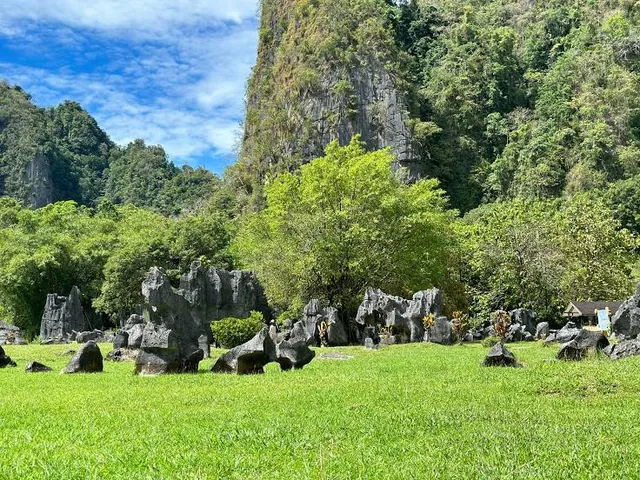
The caves in Leang-Leang Archaeological Park are nestled within a dramatic karst landscape that is characteristic of the Maros-Pangkep area. The park's limestone formations date back millions of years, creating an environment that is both geologically and ecologically unique. Towering cliffs, scattered caves, and dense vegetation add a sense of mystique and grandeur to the area, complementing its cultural significance. The karst landscape itself is a major draw for eco-tourists, as it represents one of the most extensive karst areas in Indonesia and is among the largest in the world.

Leang-Leang and its surrounding areas support a variety of flora and fauna, many of which are endemic to Sulawesi. The karst caves provide shelter for various species of bats, insects, and birds. The broader ecosystem includes tropical plants, small mammals, and reptiles, making it an ecologically rich area that contributes to Sulawesi’s unique biodiversity. Conservation of this biodiversity is essential, as it provides both ecological balance and enhances the experience of visitors who appreciate natural surroundings.

The site is closely linked with the indigenous Bugis and Makassarese people, who have traditionally lived in the region. Their historical connection to the land adds a cultural layer to the park’s significance. Community involvement is encouraged through conservation efforts, sustainable tourism practices, and local guiding services. Many locals serve as guides, sharing both scientific and local knowledge, which enriches the visitor experience and fosters an understanding of the traditional ways of life in Maros.

Leang-Leang faces a range of conservation challenges, primarily from natural erosion, visitor impact, and the need for sustainable management practices. The rock art is vulnerable to...

   Read more
avatar
5.0
6y

Selama beberapa dekade setelah serangkaian penemuan lukisan gua di gua-gua batu kapur di Maros, Sulawesi Selatan, para ilmuwan berpendapat bahwa kemungkinan lukisan itu telah dibuat lebih dari 10.000 tahun yang lalu. Mereka beralasan bahwa Iklim lembab wilayah Sulawesi akan menghancurkan sesuatu yang lebih tua.

Namun menurut temuan penelitian baru yang dilaporkan pada jurnal Nature, lukisan-lukisan gua Sulawesi ternyata jauh lebih tua dari yang diperkirakan sebelumnya, dan mungkin sebenarnya dianggap setua seni gua paling awal yang ditemukan di Eropa.

Dipimpin oleh Maxime Aubert dan Adam Brumm dari Griffith University di Queensland, Australia, sebuah tim peneliti Indonesia dan Australia menetapkan usia lukisan gua di Sulawesi, dengan memeriksa lapisan kalsium karbonat bergelombang yang terbentuk di atasnya menggunakan teknik yang dikenal sebagai kencan uranium-thorium.

Dengan mengukur tingkat peluruhan uranium saat berubah menjadi thorium, para ilmuwan dapat memperkirakan usia lapisan mineral hingga tingkat akurasi yang tinggi. Karena kerak ini agaknya lebih muda dari karya seni yang diliputinya, proses penanggalan memberi mereka usia minimum untuk lukisan di bawahnya.

Setelah memeriksa 12 gambar tangan manusia dan dua gambar hewan yang ditemukan di dinding tujuh gua yang berbeda, para peneliti menemukan bahwa satu gambar tangan setidaknya berusia 39.900 tahun.

Meskipun praktik meniup atau menyemprotkan pigmen di sekitar tangan yang ditekan ke permukaan batu akan menjadi hal yang umum di antara para seniman gua selama berabad-abad (dan berlanjut di antara anak-anak sekolah saat ini), citra Sulawesi tampaknya menjadi contoh paling awal dari jenisnya, sekitar 2.000 tahun lebih tua dari usia minimum lukisan cap tangan tertua di Eropa.

Selain itu, para ilmuwan menemukan bahwa salah satu lukisan yang menggambarkan hewan yang dikenal sebagai babirusa, sudah ada sejak 35.300 tahun yang lalu. Meskipun lukisan cap tangan tampak mirip dengan yang ditemukan di Eropa, namun gambar binatang pada gua di Sulawesi Selatan memiliki gaya yang sangat berbeda.

Menurut Alistair Pike, seorang arkeolog di University of Southampton, Inggris, menyatakan bahwa gambar yang ditemukan di Indonesia terlihat hampir seperti sapuan kuas, sedangkan gambar pada gua di Eropa terlihat dioleskan menggunakan tangan.

Dalam beberapa tahun terakhir, para arkeolog telah menggunakan teknik penanggalan serupa untuk memperkirakan usia lukisan gua tertua yang telah ditemukan di Eropa, sebuah cakram merah yang dilukis di dinding sebuah gua Spanyol bernama El Castillo yang berusia setidaknya 40.800 tahun. Penggambaran paling awal tentang hewan yang ditemukan di Eropa adalah badak yang dilukis di dinding Gua Chauvet Prancis, yang telah berusia antara 35.300 hingga 38.827 tahun yang lalu.

Penemuan seni gua di Sulawesi tampaknya telah mematahkan teori sebelumnya yang menyatakan bahwa lukisan dinding tertua hanya ditemukan di Eropa Barat sekitar 40.000 tahun yang lalu. Seperti yang dikatakan Aubert: “Ada beberapa gagasan bahwa orang Eropa awal lebih sadar akan diri mereka sendiri dan lingkungan mereka. Sekarang kita dapat mengatakan itu tidak benar.”

Sebaliknya, tradisi kreatif lukisan dinding gua mungkin muncul secara terpisah pada waktu yang sama di berbagai sisi dunia. Penelitian baru tampaknya mendukung teori ini, menurut pemimpin penelitian Brumm: “Lukisan gua dan bentuk-bentuk ekspresi artistik yang terkait kemungkinan besar adalah bagian dari tradisi budaya manusia modern pertama yang menyebar ke Afrika dan ke Asia dan Australia, lama sebelum mereka mencapai Eropa."

Beberapa ilmuwan lebih suka teori bahwa seni gua dimulai di Afrika, meskipun situs arkeologi di Afrika cenderung terletak di gua dangkal di mana kondisinya tidak ideal untuk melestarikan karya seni seperti itu, bukti penggunaan pigmen, ukiran dan perhiasan pribadi seperti manik-manik dan perhiasan lainnya menunjukkan kepekaan artistik manusia jauh sebelum mereka bermigrasi ke...

   Read more

avatar
5.0
1y

Leang-Leang Prehistoric Park which is located on a row of steep limestone hills is a tourist attraction that has very interesting historical values. In this place, tourists can see various kinds of ancestral relics, such as prehistoric paintings in the form of pictures of pigs and deer and dozens of pictures of palms attached to the walls of the cave (Hayati, 2013). Entering the Leang-Leang area means not only enjoying the beauty of tropical forests, breathing fresh air, and watching endemic butterflies fly, but also reaching the timelines of thousands of people as far back as decades ago. Tourists will enjoy the monumental discoveries in the world of archeology that the world has ever seen. These archaeological finds are protected, and can be widely accessed by both domestic and international tourists. Its location which is not far from the Makassar-Bone axis road and is not disturbed by traffic noise makes Leang-Leang a natural tourism destination as well as a science adventure. Tourists can get up close and personal with an archaeologist and understand this amazing...

   Read more
Page 1 of 7
Previous
Next

Posts

I Ketut Ari PegatarianaI Ketut Ari Pegatariana
Leang-Leang Archaeological Park, located in Maros Regency, South Sulawesi, Indonesia, is a site of immense cultural and historical importance, famous for its ancient rock art, petroglyphs, and significant anthropological findings. As part of the Maros-Pangkep Karst region, this archaeological park is set amidst striking limestone formations and lush natural landscapes, making it a popular destination for history enthusiasts, archaeologists, and tourists alike. Leang-Leang is best known for its ancient cave paintings, which are considered some of the oldest evidence of early human life in Southeast Asia, dating back at least 40,000 years. The art includes hand stencils, animal figures (such as a depiction of a babirusa or "pig-deer"), and symbols that are believed to reflect early human interaction with the environment and spiritual beliefs. The discovery of these paintings has redefined our understanding of human migration, showing that early humans reached Sulawesi far earlier than once believed. This rock art predates similar findings in Europe and suggests that early human populations in Asia developed symbolic thought and artistic expression independently. The hand stencils, created by blowing red pigment around hands pressed against the rock surface, are among the most iconic images and reflect a ritualistic significance, possibly related to identity or ancestry. Leang-Leang Archaeological Park is not only a cultural treasure but also an educational site. It provides visitors with the opportunity to learn about prehistoric human life, early art, and the evolutionary history of humans in Southeast Asia. Guided tours and interpretive signage throughout the park help visitors appreciate the context and significance of the rock art and other archaeological findings. This cultural heritage site is a valuable asset for those studying human evolution, ancient art, and Southeast Asian history, and it offers a compelling learning experience for both casual visitors and scholars. The caves in Leang-Leang Archaeological Park are nestled within a dramatic karst landscape that is characteristic of the Maros-Pangkep area. The park's limestone formations date back millions of years, creating an environment that is both geologically and ecologically unique. Towering cliffs, scattered caves, and dense vegetation add a sense of mystique and grandeur to the area, complementing its cultural significance. The karst landscape itself is a major draw for eco-tourists, as it represents one of the most extensive karst areas in Indonesia and is among the largest in the world. Leang-Leang and its surrounding areas support a variety of flora and fauna, many of which are endemic to Sulawesi. The karst caves provide shelter for various species of bats, insects, and birds. The broader ecosystem includes tropical plants, small mammals, and reptiles, making it an ecologically rich area that contributes to Sulawesi’s unique biodiversity. Conservation of this biodiversity is essential, as it provides both ecological balance and enhances the experience of visitors who appreciate natural surroundings. The site is closely linked with the indigenous Bugis and Makassarese people, who have traditionally lived in the region. Their historical connection to the land adds a cultural layer to the park’s significance. Community involvement is encouraged through conservation efforts, sustainable tourism practices, and local guiding services. Many locals serve as guides, sharing both scientific and local knowledge, which enriches the visitor experience and fosters an understanding of the traditional ways of life in Maros. Leang-Leang faces a range of conservation challenges, primarily from natural erosion, visitor impact, and the need for sustainable management practices. The rock art is vulnerable to weathering and require
Anastasia SundahAnastasia Sundah
Leang-Leang Prehistoric Park which is located on a row of steep limestone hills is a tourist attraction that has very interesting historical values. In this place, tourists can see various kinds of ancestral relics, such as prehistoric paintings in the form of pictures of pigs and deer and dozens of pictures of palms attached to the walls of the cave (Hayati, 2013). Entering the Leang-Leang area means not only enjoying the beauty of tropical forests, breathing fresh air, and watching endemic butterflies fly, but also reaching the timelines of thousands of people as far back as decades ago. Tourists will enjoy the monumental discoveries in the world of archeology that the world has ever seen. These archaeological finds are protected, and can be widely accessed by both domestic and international tourists. Its location which is not far from the Makassar-Bone axis road and is not disturbed by traffic noise makes Leang-Leang a natural tourism destination as well as a science adventure. Tourists can get up close and personal with an archaeologist and understand this amazing prehistoric civilization.
Rahmat HidayatRahmat Hidayat
Taman Arkeologi Leang-Leang adalah sebuah situs bersejarah yang sangat penting di Indonesia, terletak di Kabupaten Maros, Sulawesi Selatan. Kawasan ini terkenal karena menyimpan peninggalan zaman prasejarah berupa lukisan gua yang sangat tua, bahkan beberapa di antaranya diyakini sebagai seni figuratif tertua di dunia. Apa yang membuat Taman Arkeologi Leang-Leang istimewa? * Lukisan Gua Purba: Daya tarik utama Leang-Leang adalah lukisan-lukisan gua prasejarahnya, terutama cetakan tangan dan lukisan babirusa. Beberapa lukisan ini diperkirakan berusia lebih dari 45.500 tahun, menjadikannya salah satu bukti seni tertua yang pernah ditemukan. * Kawasan Karst Maros-Pangkep: Taman ini terletak di deretan bukit kapur (karst) yang menakjubkan, bagian dari Kawasan Karst Maros-Pangkep yang juga merupakan Taman Nasional Bantimurung-Bulusaraung. Pemandangan alam di sekitarnya sangat indah dan asri. * Situs Penting: Beberapa gua terkenal di kawasan ini antara lain Leang Pettae, Leang Petta Kere, dan Leang Timpuseng. Di dalam gua-gua ini, para peneliti juga menemukan alat-alat batu dan sisa-sisa makanan yang digunakan oleh manusia purba. * Wisata Edukasi: Taman Arkeologi Leang-Leang kini menjadi destinasi wisata edukasi yang menarik. Pengunjung dapat berjalan menyusuri jalur setapak, melihat langsung lukisan gua, dan belajar mengenai kehidupan manusia zaman dahulu. Lokasi dan Aksesibilitas: Taman Arkeologi Leang-Leang secara administratif berada di Lingkungan Leang-Leang, Kelurahan Leang-Leang, Kecamatan Bantimurung, Kabupaten Maros, Sulawesi Selatan, Indonesia. * Dari Kota Makassar: Dapat ditempuh sekitar 1 hingga 1,5 jam perjalanan dengan kendaraan roda dua maupun roda empat. Rute yang umum adalah melalui Jalan Poros Bantimurung (Maros-Bone), kemudian belok kiri menyusuri jalan lingkungan menuju kaki perbukitan karst. * Akses Jalan: Jalan menuju lokasi telah dibeton, sehingga memudahkan akses bagi wisatawan. Jam Operasional dan Tiket Masuk: * Jam Operasional: Setiap hari, umumnya dari pukul 07.30 WITA hingga 17.00 WITA. * Harga Tiket: Cukup terjangkau, berkisar antara Rp5.000 hingga Rp15.000 untuk wisatawan lokal dan turis. (Harga dapat bervariasi, disarankan untuk mengkonfirmasi di lokasi atau melalui informasi terbaru). Fasilitas: Taman ini menyediakan beberapa fasilitas untuk kenyamanan pengunjung, antara lain: * Toilet * Pusat Informasi * Shelter/Tempat Berteduh * Jalur Tracking * Papan Interpretasi * Loket Penjagaan * Masjid * Warung Minuman * Tempat Parkir Luas Tips Pengunjung: * Disarankan untuk mengunjungi pada pagi hari untuk menghindari keramaian dan menikmati suhu yang lebih sejuk. * Siapkan kamera untuk mengabadikan keindahan alam dan seni prasejarah. * Kenakan pakaian dan alas kaki yang nyaman untuk berjalan di jalur setapak. * Meskipun ada warung minuman, disarankan membawa bekal dan minum sendiri karena pilihan makanan mungkin terbatas. Taman Arkeologi Leang-Leang adalah permata sejarah dan alam di Sulawesi Selatan yang menawarkan pengalaman unik untuk menyelami masa lalu manusia purba dan menikmati keindahan bentang alam karst.
See more posts
See more posts
hotel
Find your stay

Pet-friendly Hotels in South Sulawesi

Find a cozy hotel nearby and make it a full experience.

Leang-Leang Archaeological Park, located in Maros Regency, South Sulawesi, Indonesia, is a site of immense cultural and historical importance, famous for its ancient rock art, petroglyphs, and significant anthropological findings. As part of the Maros-Pangkep Karst region, this archaeological park is set amidst striking limestone formations and lush natural landscapes, making it a popular destination for history enthusiasts, archaeologists, and tourists alike. Leang-Leang is best known for its ancient cave paintings, which are considered some of the oldest evidence of early human life in Southeast Asia, dating back at least 40,000 years. The art includes hand stencils, animal figures (such as a depiction of a babirusa or "pig-deer"), and symbols that are believed to reflect early human interaction with the environment and spiritual beliefs. The discovery of these paintings has redefined our understanding of human migration, showing that early humans reached Sulawesi far earlier than once believed. This rock art predates similar findings in Europe and suggests that early human populations in Asia developed symbolic thought and artistic expression independently. The hand stencils, created by blowing red pigment around hands pressed against the rock surface, are among the most iconic images and reflect a ritualistic significance, possibly related to identity or ancestry. Leang-Leang Archaeological Park is not only a cultural treasure but also an educational site. It provides visitors with the opportunity to learn about prehistoric human life, early art, and the evolutionary history of humans in Southeast Asia. Guided tours and interpretive signage throughout the park help visitors appreciate the context and significance of the rock art and other archaeological findings. This cultural heritage site is a valuable asset for those studying human evolution, ancient art, and Southeast Asian history, and it offers a compelling learning experience for both casual visitors and scholars. The caves in Leang-Leang Archaeological Park are nestled within a dramatic karst landscape that is characteristic of the Maros-Pangkep area. The park's limestone formations date back millions of years, creating an environment that is both geologically and ecologically unique. Towering cliffs, scattered caves, and dense vegetation add a sense of mystique and grandeur to the area, complementing its cultural significance. The karst landscape itself is a major draw for eco-tourists, as it represents one of the most extensive karst areas in Indonesia and is among the largest in the world. Leang-Leang and its surrounding areas support a variety of flora and fauna, many of which are endemic to Sulawesi. The karst caves provide shelter for various species of bats, insects, and birds. The broader ecosystem includes tropical plants, small mammals, and reptiles, making it an ecologically rich area that contributes to Sulawesi’s unique biodiversity. Conservation of this biodiversity is essential, as it provides both ecological balance and enhances the experience of visitors who appreciate natural surroundings. The site is closely linked with the indigenous Bugis and Makassarese people, who have traditionally lived in the region. Their historical connection to the land adds a cultural layer to the park’s significance. Community involvement is encouraged through conservation efforts, sustainable tourism practices, and local guiding services. Many locals serve as guides, sharing both scientific and local knowledge, which enriches the visitor experience and fosters an understanding of the traditional ways of life in Maros. Leang-Leang faces a range of conservation challenges, primarily from natural erosion, visitor impact, and the need for sustainable management practices. The rock art is vulnerable to weathering and require
I Ketut Ari Pegatariana

I Ketut Ari Pegatariana

hotel
Find your stay

Affordable Hotels in South Sulawesi

Find a cozy hotel nearby and make it a full experience.

Get the Appoverlay
Get the AppOne tap to find yournext favorite spots!
Leang-Leang Prehistoric Park which is located on a row of steep limestone hills is a tourist attraction that has very interesting historical values. In this place, tourists can see various kinds of ancestral relics, such as prehistoric paintings in the form of pictures of pigs and deer and dozens of pictures of palms attached to the walls of the cave (Hayati, 2013). Entering the Leang-Leang area means not only enjoying the beauty of tropical forests, breathing fresh air, and watching endemic butterflies fly, but also reaching the timelines of thousands of people as far back as decades ago. Tourists will enjoy the monumental discoveries in the world of archeology that the world has ever seen. These archaeological finds are protected, and can be widely accessed by both domestic and international tourists. Its location which is not far from the Makassar-Bone axis road and is not disturbed by traffic noise makes Leang-Leang a natural tourism destination as well as a science adventure. Tourists can get up close and personal with an archaeologist and understand this amazing prehistoric civilization.
Anastasia Sundah

Anastasia Sundah

hotel
Find your stay

The Coolest Hotels You Haven't Heard Of (Yet)

Find a cozy hotel nearby and make it a full experience.

hotel
Find your stay

Trending Stays Worth the Hype in South Sulawesi

Find a cozy hotel nearby and make it a full experience.

Taman Arkeologi Leang-Leang adalah sebuah situs bersejarah yang sangat penting di Indonesia, terletak di Kabupaten Maros, Sulawesi Selatan. Kawasan ini terkenal karena menyimpan peninggalan zaman prasejarah berupa lukisan gua yang sangat tua, bahkan beberapa di antaranya diyakini sebagai seni figuratif tertua di dunia. Apa yang membuat Taman Arkeologi Leang-Leang istimewa? * Lukisan Gua Purba: Daya tarik utama Leang-Leang adalah lukisan-lukisan gua prasejarahnya, terutama cetakan tangan dan lukisan babirusa. Beberapa lukisan ini diperkirakan berusia lebih dari 45.500 tahun, menjadikannya salah satu bukti seni tertua yang pernah ditemukan. * Kawasan Karst Maros-Pangkep: Taman ini terletak di deretan bukit kapur (karst) yang menakjubkan, bagian dari Kawasan Karst Maros-Pangkep yang juga merupakan Taman Nasional Bantimurung-Bulusaraung. Pemandangan alam di sekitarnya sangat indah dan asri. * Situs Penting: Beberapa gua terkenal di kawasan ini antara lain Leang Pettae, Leang Petta Kere, dan Leang Timpuseng. Di dalam gua-gua ini, para peneliti juga menemukan alat-alat batu dan sisa-sisa makanan yang digunakan oleh manusia purba. * Wisata Edukasi: Taman Arkeologi Leang-Leang kini menjadi destinasi wisata edukasi yang menarik. Pengunjung dapat berjalan menyusuri jalur setapak, melihat langsung lukisan gua, dan belajar mengenai kehidupan manusia zaman dahulu. Lokasi dan Aksesibilitas: Taman Arkeologi Leang-Leang secara administratif berada di Lingkungan Leang-Leang, Kelurahan Leang-Leang, Kecamatan Bantimurung, Kabupaten Maros, Sulawesi Selatan, Indonesia. * Dari Kota Makassar: Dapat ditempuh sekitar 1 hingga 1,5 jam perjalanan dengan kendaraan roda dua maupun roda empat. Rute yang umum adalah melalui Jalan Poros Bantimurung (Maros-Bone), kemudian belok kiri menyusuri jalan lingkungan menuju kaki perbukitan karst. * Akses Jalan: Jalan menuju lokasi telah dibeton, sehingga memudahkan akses bagi wisatawan. Jam Operasional dan Tiket Masuk: * Jam Operasional: Setiap hari, umumnya dari pukul 07.30 WITA hingga 17.00 WITA. * Harga Tiket: Cukup terjangkau, berkisar antara Rp5.000 hingga Rp15.000 untuk wisatawan lokal dan turis. (Harga dapat bervariasi, disarankan untuk mengkonfirmasi di lokasi atau melalui informasi terbaru). Fasilitas: Taman ini menyediakan beberapa fasilitas untuk kenyamanan pengunjung, antara lain: * Toilet * Pusat Informasi * Shelter/Tempat Berteduh * Jalur Tracking * Papan Interpretasi * Loket Penjagaan * Masjid * Warung Minuman * Tempat Parkir Luas Tips Pengunjung: * Disarankan untuk mengunjungi pada pagi hari untuk menghindari keramaian dan menikmati suhu yang lebih sejuk. * Siapkan kamera untuk mengabadikan keindahan alam dan seni prasejarah. * Kenakan pakaian dan alas kaki yang nyaman untuk berjalan di jalur setapak. * Meskipun ada warung minuman, disarankan membawa bekal dan minum sendiri karena pilihan makanan mungkin terbatas. Taman Arkeologi Leang-Leang adalah permata sejarah dan alam di Sulawesi Selatan yang menawarkan pengalaman unik untuk menyelami masa lalu manusia purba dan menikmati keindahan bentang alam karst.
Rahmat Hidayat

Rahmat Hidayat

See more posts
See more posts