Ramsar Palace Museum is one of the most attractive and different attractions in Ramsar city and the north of the country, which is visited by Ramsar tour tourists and other guests of this city every year. Ramsar is one of the northern cities of Iran with an enchanting nature that is particularly popular among tourists.
Along with the natural attractions of Ramsar, there are many historical attractions such as palaces, castles and bridges, each of which introduces a part of the history of this city. The city of Ramsar has many famous buildings and historical monuments because it was a royal family residence during the first and second Pahlavi period. Ramsar Museum Palace is known by other names such as Ramsar Royal Palace, Marble Palace, Ramsar Garden, Marble Museum Palace and Caspian Spectator. The palace of Ramsar Museum, with its beautiful architecture and a combination of various paintings and works of art, antique objects and the temperature of furniture, has become one of the attractive and spectacular works of Ramsar.
Ramsar Palace Museum is one of the most exquisite works of the Pahlavi era in northern Iran.
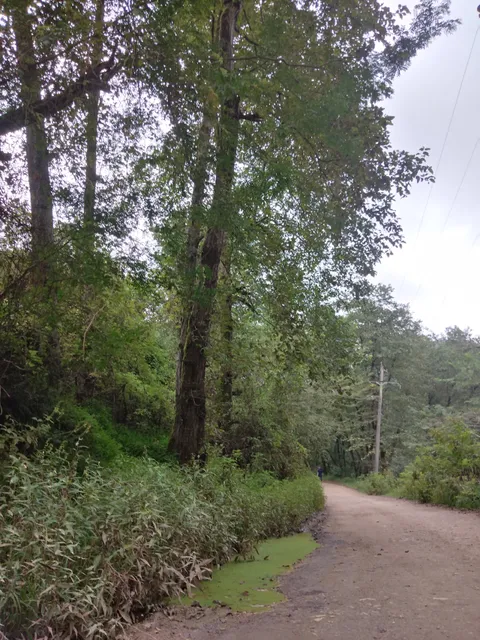
It has one of the most interesting and diverse gardens in Iran.
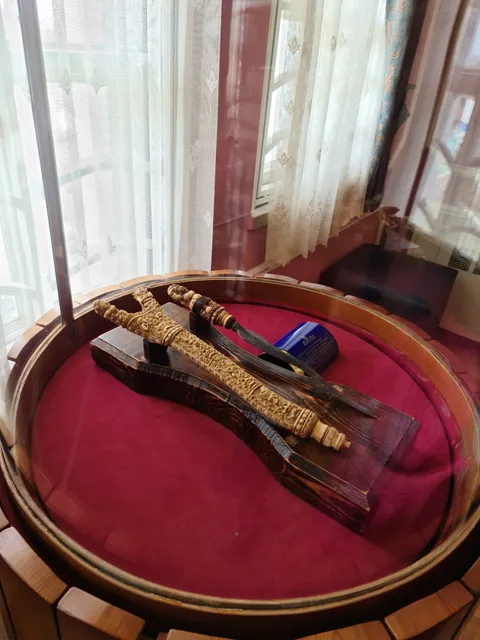
It houses a diverse collection of museums.
In 1390, it was selected as a visit to the Iran Museum.
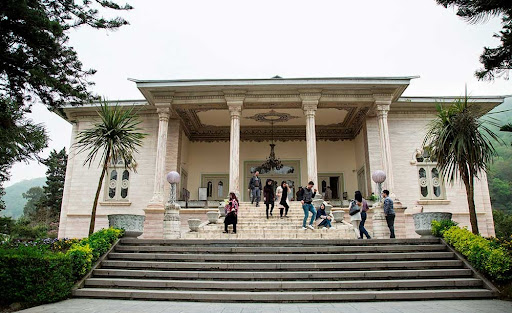
The special and beautiful architecture of this palace attracts the attention of every viewer.
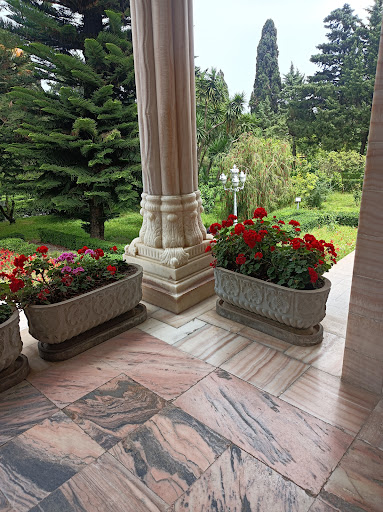
The Ramsar Palace Museum was built by the order of Reza Shah Pahlavi between 1312 and 1316 to be used as a resting place for the royal family. The use of marble, the presence of 4 marble columns and two marble tigers made this building known as the Marble Palace. The Ramsar Marble Palace was used as a temporary residence of the Pahlavi family for a few days until the revolution of 1357, until after the revolution, its ownership was transferred to the Foundation of the Underprivileged of the Islamic Revolution. In 1358, the palace was reopened to the public for only 45 days, and then its doors were closed for 21 years due to security issues. At this time, the items inside the palace were moved to Tehran for storage. In 1377, the national file of the Ramsar Palace was prepared, and finally, the Ramsar Garden and Mastaddhat were l
کاخ موزه رامسر، یکی از جذاب ترین و متفاوت ترین جاذبه های دیدنی شهر رامسر و شمال کشور است که هرساله توسط گردشگران تور رامسر و سایر میهمانان این شهر مورد بازدید قرار می گیرد. رامسر یکی از شهرهای شمالی ایران با طبیعت مسحورکننده ای که دارد در بین گردشگران از محبوبیت خاصی برخوردار است.
در کنار جاذبه های طبیعی رامسر، جاذبه های تاریخی بسیاری مانند کاخ ها، قلعه ها و پل ها به چشم می خورند که هر کدام از آن ها ما را با بخشی از تاریخ این شهر بیشتر آشنا می کنند. شهر رامسر به علت اینکه در زمان پهلوی اول و دوم یک اقامتگاه خانوادگی پادشاهی بوده است، دارا ی بناها و آثار تاریخی مشهور زیادی است. کاخ موزه رامسر با نام های دیگری همچون کاخ سلطنتی رامسر، کاخ مرمر، باغ رامسر، کاخ موزه مرمر و تماشاگه خزر شناخته می شود. کاخ موزه رامسر، با معماری زیبا وترکیبی از تابلوها و آثار هنری متنوع و اشیاء آنتیک و مبلمان درجه یک به یکی از آثار جذاب و دیدنی رامسر تبدیل شده است.
کاخ موزه رامسر یکی از نفیس ترین آثار دوران پهلوی در شمال ایران است.
یکی از جالب ترین و متنوع ترین باغ های ایران را دارد.
مجموعه ای متنوع از موزه ها را در خود جای داده است.
در سال ۱۳۹۰ به عنوان پر بازدید ترین موزه ایران انتخاب شد.
معماری خاص و زیبای این کاخ نظر هر بیننده ای را به خود جلب می کند.
کاخ موزه رامسر به دستور رضاشاه پهلوی بین سال های ۱۳۱۲ تا ۱۳۱۶ ساخته شد تا جهت استراحتگاه خاندان سلطنتی مورد استفاده قرار گیرد. استفاده از سنگ مرمر، وجود ۴ ستون مرمری و دو ببر مرمری باعث شد تا به این بنا عنوان کاخ مرمر را بدهند. کاخ مرمر رامسر تا انقلاب سال ۱۳۵۷ به عنوان اقامتگاه موقت و چند روزه خاندان پهلوی استفاده می شد، تا اینکه بعد از انقلاب مالکیت آن به بنیاد مستضعفان انقلاب اسلامی رسید. در سال ۱۳۵۸ تنها به مدت ۴۵ روز بازدید از کاخ برای عموم بازگشایی شد و پس از آن به دلیل مسائل امنیتی به مدت ۲۱ سال درهای آن را بسته نگاه داشتند. در این زمان اقلام داخل کاخ را جهت نگهداری به تهران انتقال دادند. در اواخر سال ۱۳۷۷ بود که پرونده ثبت ملی کاخ رامسر تهیه شد و در نهایت باغ رامسر...
Read more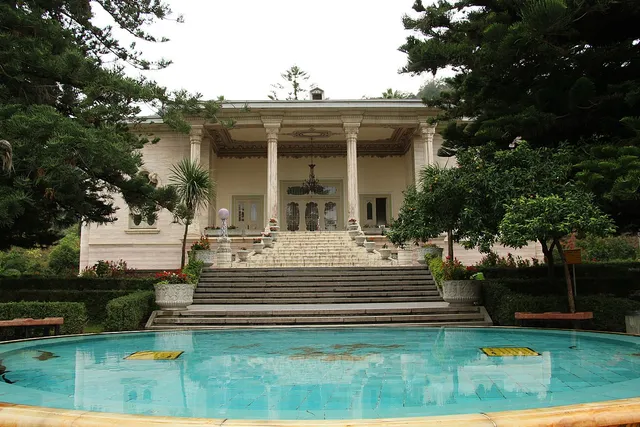

 Learn more insights from Wanderboat AI.