HTML SitemapExplore
logo
Find Things to DoFind The Best Restaurants

Behestan Castle — Attraction in دهستان ماهنشان

Name
Behestan Castle
Description
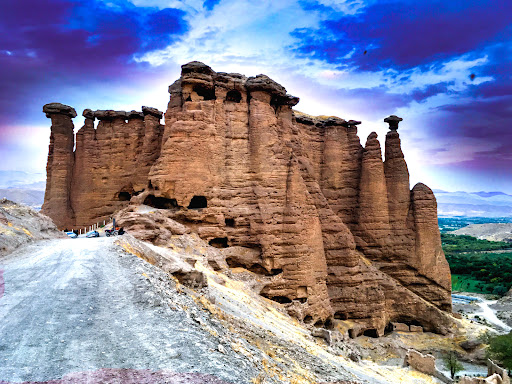
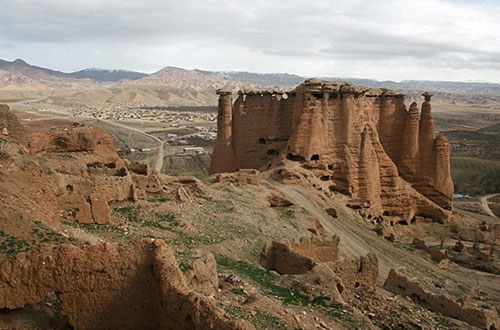
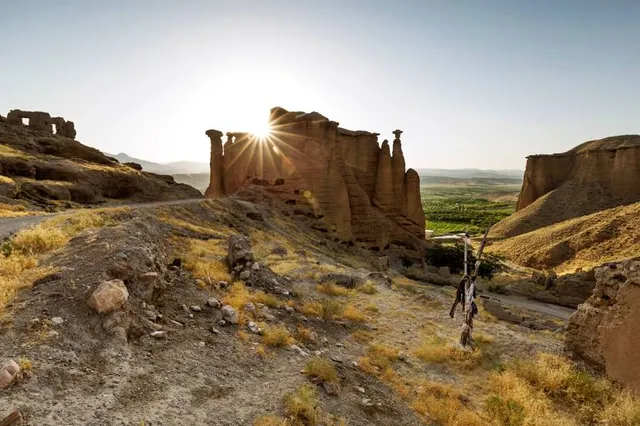
Behestan castle is a historical castle located in Mahneshan County in Zanjan Province, Iran, near Behestan village and next to Ghezel Ozan river. The first building of this fort belongs to the Sasanian Empire, but it was used in the Islamic period and the 5th to 7th centuries AH.
Nearby attractions
Nearby restaurants
Nearby hotels
Related posts
Keywords
Behestan Castle tourism.Behestan Castle hotels.Behestan Castle bed and breakfast. flights to Behestan Castle.Behestan Castle attractions.Behestan Castle restaurants.Behestan Castle travel.Behestan Castle travel guide.Behestan Castle travel blog.Behestan Castle pictures.Behestan Castle photos.Behestan Castle travel tips.Behestan Castle maps.Behestan Castle things to do.
Behestan Castle things to do, attractions, restaurants, events info and trip planning
Behestan Castle
IranZanjan Provinceدهستان ماهنشانBehestan Castle

Basic Info

Behestan Castle

Zanjan Province, Mahneshan, روستای بهستان, MP6P+6J4, Iran
4.6(168)
Open 24 hours
Save
spot

Ratings & Description

Info

Behestan castle is a historical castle located in Mahneshan County in Zanjan Province, Iran, near Behestan village and next to Ghezel Ozan river. The first building of this fort belongs to the Sasanian Empire, but it was used in the Islamic period and the 5th to 7th centuries AH.

Cultural
Scenic
Adventure
Off the beaten path
attractions: , restaurants:
logoLearn more insights from Wanderboat AI.
Phone
+98 910 974 2154

Plan your stay

hotel
Pet-friendly Hotels in دهستان ماهنشان
Find a cozy hotel nearby and make it a full experience.
hotel
Affordable Hotels in دهستان ماهنشان
Find a cozy hotel nearby and make it a full experience.
hotel
The Coolest Hotels You Haven't Heard Of (Yet)
Find a cozy hotel nearby and make it a full experience.
hotel
Trending Stays Worth the Hype in دهستان ماهنشان
Find a cozy hotel nearby and make it a full experience.

Reviews

Get the Appoverlay
Get the AppOne tap to find yournext favorite spots!
Wanderboat LogoWanderboat

Your everyday Al companion for getaway ideas

CompanyAbout Us
InformationAI Trip PlannerSitemap
SocialXInstagramTiktokLinkedin
LegalTerms of ServicePrivacy Policy

Get the app

© 2025 Wanderboat. All rights reserved.
logo

Posts

Sara SepehrAraSara SepehrAra
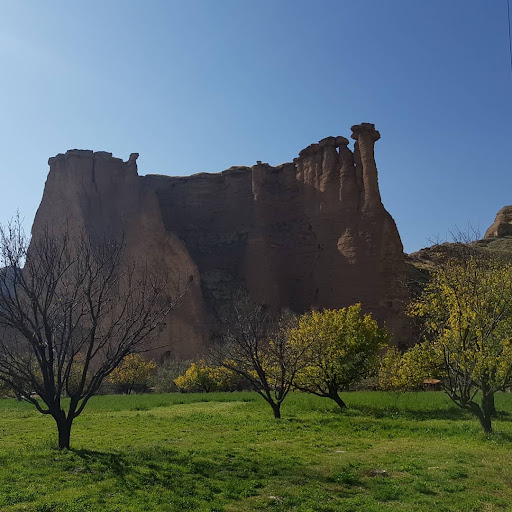
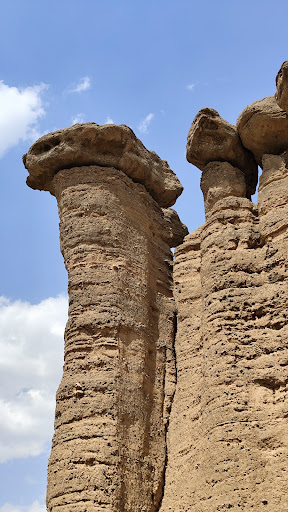
Behestan Castle (Ancient Fortress) Near the “Qizil Üzan” River and 20 KM from “Mahneshan” village in Zanjan province, is a historic castle that is different from all the castles you have ever seen. The age of the castle dates back to the “Median” period, “Med”, “𐎶𐎠𐎭”, “Māda” was the name of one of the “Aryan” and royal tribes in northwestern Iran. “Aryans” entered the Iran Plateau around the second millennium BC and most important were the “Medes” and “Persians”; The “Medes” settled in a village called “Madabad”, 5 KM from Mahnashan village in about 17th century BC. Establishment of the Mede State as the First Government Based on the Unity of Different Ethnic Relations in Iran must be regarded as the most important event in ancient history of the world.In the western parts of Iran, there are other works of Median in the “Hegmataneh” hill. The castle is at the foot of the “Elf chimneys” also known as the “Devil's Throne”. “Elf chimney” or “Hoodoo” is a geological phenomenon that results from the erosion of parts of the mountain with a sedimentary, soft body, The upper parts of Hoodoos are composed of a harder rock that is more resistant to erosion, because of this, the mountain becomes a special form of mushroom due to erosion. The creators of the castle created rooms by digging mountains and unloading soils and rocks, the rooms have been handcrafted and corridors have been added to them. The whole space of the castle is divided into 3 categories of rooms, corridors and staircases.Gradually the number of floors of the castle increased and zigzag-shaped staircases are created on both sides of the castle which connected the floors.One of the staircases and a number of castle rooms are still in place.In “Behestan Castle” there are 64 small and large rooms and the remains of a stone pond, The fort has triangular or circular places on the walls to accommodate the burner, One of the most important parts of the castle that remains intact is the entrance to one of the stairs northwest of the castle. Inside the castle is a pond measuring 7 by 3 meters in stone and mortar and its water was supplied by half-meter clay pipes. The rulers have built this castle to defend themselves and the people, It was primarily the political and administrative center of the village and then the local governor's residence. This citadel was also firmed after the Islamic period and until the fifth century.
mary maddahmary maddah
The "fairy chimney" or hoodoo of the castle is one of the kind. The structure is of sedimentary rock formed in a matter of years. Located in Mahneshan, Zanjan province, Iran, this beautifully shaped structure stands all alone in the area. As it is far from the main city it is not very much known by tourists and so deserted, which makes perfect for us to go about the place and take photos freely and uninterrupted. I suggest that you go there in spring or autumn for the perfect weather. Plan your trip for 2 or 3 days as there are a lot of monuments in towns near Mahneshan.
ehsan ahmadiehsan ahmadi
منطقه دودکش جن در زنجان «ماهنشان» نام منطقه ای است در جنوب غربی زنجان که در فاصله حدود 100 کیلومتری از این شهر قرار گرفته است. ماهنشان شهری پر رمز و راز است که چند هزار سال پیش محل حکمرانی قوم مادها بوده است. این شهر آثار و بناهای تاریخی و مذهبی زیادی دارد. محلی ها برخی از این آثار را به دلیل شکل عجیبشان «دودکش جن» می نامند؛ در حالی که پژوهشگران از وجوه زمین شناسی و باستان شناسی به تحقیق روی آنها می پردازند.دودکش جن و قلعه بهستان یا قلعه ماه نشان از جاذبه های گردشگری زنجان هستند که تاکنون کمتر شناخته شده اند. این دو در نزدیکی روستاهای بهستان و ماه نشان در حدود 110 کیلوتری زنجان واقع شده اند.استان زنجان محل گذر مسافران زیادی است؛ اما کمتر کسی در آن به مدت طولانی توقف می کند و از رد پای جن و پری در این استان باخبر است. می گویند ماه نشان قدمتی چهارهزار ساله دارد و دلیل این ادعا، دژی قدیمی است که در پای «دودکش جن» بنا شده است.دودکش جن دودکش جن در حقیقت ستونی سر به فلک کشیده از جنس خاک رس فشرده است که در اثر فرسایش طولانی به این شکل در آمده است. در بالای این ستون تخته سنگی مسطح قرار دارد که ظاهری دودکش مانند به آن داده است. بومیان منطقه به آنها لقب دودکش جن داده اند زیرا در گذشته ساخت هر بنایی را که برای انسان دشوار بوده است به دیو و جن نسبت می دادند. تعداد دو عدد از این دودکش ها در مسیر ماه نشان نرسیده به قلعه وجود دارد. این پدیده طبیعی در اصطلاح زمین شناسی «هودو» (Hoodoo) نامیده می شود و در اصل نوعی سنگ به شکل قارچ می باشد که بر اثر فرسایش پدید آمده و شبیه به مناره بلند و نازکی است که سنگ دیگری روی آن قرار گرفته است. هودوها بیشتر در آمریکا دیده می شوند که یک نمونه از آن ها در منطقه برایس کنیون می باشد که تصاویر آن نیز بسیار مشهور است.
See more posts
See more posts
hotel
Find your stay

Pet-friendly Hotels in دهستان ماهنشان

Find a cozy hotel nearby and make it a full experience.

Behestan Castle (Ancient Fortress) Near the “Qizil Üzan” River and 20 KM from “Mahneshan” village in Zanjan province, is a historic castle that is different from all the castles you have ever seen. The age of the castle dates back to the “Median” period, “Med”, “𐎶𐎠𐎭”, “Māda” was the name of one of the “Aryan” and royal tribes in northwestern Iran. “Aryans” entered the Iran Plateau around the second millennium BC and most important were the “Medes” and “Persians”; The “Medes” settled in a village called “Madabad”, 5 KM from Mahnashan village in about 17th century BC. Establishment of the Mede State as the First Government Based on the Unity of Different Ethnic Relations in Iran must be regarded as the most important event in ancient history of the world.In the western parts of Iran, there are other works of Median in the “Hegmataneh” hill. The castle is at the foot of the “Elf chimneys” also known as the “Devil's Throne”. “Elf chimney” or “Hoodoo” is a geological phenomenon that results from the erosion of parts of the mountain with a sedimentary, soft body, The upper parts of Hoodoos are composed of a harder rock that is more resistant to erosion, because of this, the mountain becomes a special form of mushroom due to erosion. The creators of the castle created rooms by digging mountains and unloading soils and rocks, the rooms have been handcrafted and corridors have been added to them. The whole space of the castle is divided into 3 categories of rooms, corridors and staircases.Gradually the number of floors of the castle increased and zigzag-shaped staircases are created on both sides of the castle which connected the floors.One of the staircases and a number of castle rooms are still in place.In “Behestan Castle” there are 64 small and large rooms and the remains of a stone pond, The fort has triangular or circular places on the walls to accommodate the burner, One of the most important parts of the castle that remains intact is the entrance to one of the stairs northwest of the castle. Inside the castle is a pond measuring 7 by 3 meters in stone and mortar and its water was supplied by half-meter clay pipes. The rulers have built this castle to defend themselves and the people, It was primarily the political and administrative center of the village and then the local governor's residence. This citadel was also firmed after the Islamic period and until the fifth century.
Sara SepehrAra

Sara SepehrAra

hotel
Find your stay

Affordable Hotels in دهستان ماهنشان

Find a cozy hotel nearby and make it a full experience.

Get the Appoverlay
Get the AppOne tap to find yournext favorite spots!
The "fairy chimney" or hoodoo of the castle is one of the kind. The structure is of sedimentary rock formed in a matter of years. Located in Mahneshan, Zanjan province, Iran, this beautifully shaped structure stands all alone in the area. As it is far from the main city it is not very much known by tourists and so deserted, which makes perfect for us to go about the place and take photos freely and uninterrupted. I suggest that you go there in spring or autumn for the perfect weather. Plan your trip for 2 or 3 days as there are a lot of monuments in towns near Mahneshan.
mary maddah

mary maddah

hotel
Find your stay

The Coolest Hotels You Haven't Heard Of (Yet)

Find a cozy hotel nearby and make it a full experience.

hotel
Find your stay

Trending Stays Worth the Hype in دهستان ماهنشان

Find a cozy hotel nearby and make it a full experience.

منطقه دودکش جن در زنجان «ماهنشان» نام منطقه ای است در جنوب غربی زنجان که در فاصله حدود 100 کیلومتری از این شهر قرار گرفته است. ماهنشان شهری پر رمز و راز است که چند هزار سال پیش محل حکمرانی قوم مادها بوده است. این شهر آثار و بناهای تاریخی و مذهبی زیادی دارد. محلی ها برخی از این آثار را به دلیل شکل عجیبشان «دودکش جن» می نامند؛ در حالی که پژوهشگران از وجوه زمین شناسی و باستان شناسی به تحقیق روی آنها می پردازند.دودکش جن و قلعه بهستان یا قلعه ماه نشان از جاذبه های گردشگری زنجان هستند که تاکنون کمتر شناخته شده اند. این دو در نزدیکی روستاهای بهستان و ماه نشان در حدود 110 کیلوتری زنجان واقع شده اند.استان زنجان محل گذر مسافران زیادی است؛ اما کمتر کسی در آن به مدت طولانی توقف می کند و از رد پای جن و پری در این استان باخبر است. می گویند ماه نشان قدمتی چهارهزار ساله دارد و دلیل این ادعا، دژی قدیمی است که در پای «دودکش جن» بنا شده است.دودکش جن دودکش جن در حقیقت ستونی سر به فلک کشیده از جنس خاک رس فشرده است که در اثر فرسایش طولانی به این شکل در آمده است. در بالای این ستون تخته سنگی مسطح قرار دارد که ظاهری دودکش مانند به آن داده است. بومیان منطقه به آنها لقب دودکش جن داده اند زیرا در گذشته ساخت هر بنایی را که برای انسان دشوار بوده است به دیو و جن نسبت می دادند. تعداد دو عدد از این دودکش ها در مسیر ماه نشان نرسیده به قلعه وجود دارد. این پدیده طبیعی در اصطلاح زمین شناسی «هودو» (Hoodoo) نامیده می شود و در اصل نوعی سنگ به شکل قارچ می باشد که بر اثر فرسایش پدید آمده و شبیه به مناره بلند و نازکی است که سنگ دیگری روی آن قرار گرفته است. هودوها بیشتر در آمریکا دیده می شوند که یک نمونه از آن ها در منطقه برایس کنیون می باشد که تصاویر آن نیز بسیار مشهور است.
ehsan ahmadi

ehsan ahmadi

See more posts
See more posts

Reviews of Behestan Castle

4.6
(168)
avatar
5.0
6y

Behestan Castle (Ancient Fortress) Near the “Qizil Üzan” River and 20 KM from “Mahneshan” village in Zanjan province, is a historic castle that is different from all the castles you have ever seen. The age of the castle dates back to the “Median” period, “Med”, “𐎶𐎠𐎭”, “Māda” was the name of one of the “Aryan” and royal tribes in northwestern Iran. “Aryans” entered the Iran Plateau around the second millennium BC and most important were the “Medes” and “Persians”; The “Medes” settled in a village called “Madabad”, 5 KM from Mahnashan village in about 17th century BC. Establishment of the Mede State as the First Government Based on the Unity of Different Ethnic Relations in Iran must be regarded as the most important event in ancient history of the world.In the western parts of Iran, there are other works of Median in the “Hegmataneh” hill. The castle is at the foot of the “Elf chimneys” also known as the “Devil's Throne”. “Elf chimney” or “Hoodoo” is a geological phenomenon that results from the erosion of parts of the mountain with a sedimentary, soft body, The upper parts of Hoodoos are composed of a harder rock that is more resistant to erosion, because of this, the mountain becomes a special form of mushroom due to erosion. The creators of the castle created rooms by digging mountains and unloading soils and rocks, the rooms have been handcrafted and corridors have been added to them. The whole space of the castle is divided into 3 categories of rooms, corridors and staircases.Gradually the number of floors of the castle increased and zigzag-shaped staircases are created on both sides of the castle which connected the floors.One of the staircases and a number of castle rooms are still in place.In “Behestan Castle” there are 64 small and large rooms and the remains of a stone pond, The fort has triangular or circular places on the walls to accommodate the burner, One of the most important parts of the castle that remains intact is the entrance to one of the stairs northwest of the castle. Inside the castle is a pond measuring 7 by 3 meters in stone and mortar and its water was supplied by half-meter clay pipes. The rulers have built this castle to defend themselves and the people, It was primarily the political and administrative center of the village and then the local governor's residence. This citadel was also firmed after the Islamic period and until the...

   Read more
avatar
5.0
5y

قلعه بهستان یا کهن دژ در شهرستان ماه‌نشان در استان زنجانقرار دارد و قدمت این دژ به دوره هخامنشیان برمی‌گردد.

قلعه بهستان یکی از 20 قلعه تاریخی شهرستان ماه نشان در استان زنجان است که دوران استفاده  از آن تا قرن پنجم هجری قمری تخمین زده می‌شود.

به علت شرایط زمانی خاص آن دوره، حاکمان جهت دفاع از خود و مردم اقدام به ساخت این قلعه کرده‌اند.

طبقات بالای قلعه بهستان جهت دفاع و طبقات پایین‌تر به عنوان زاغه و محل نگهداری آذوقه مردم مورد استفاده قرار می‌گرفت.

این قلعه که در دل کوهی از جنس خاک سفت و سخت بنا شده است به علت وزش بادهای تند و فرسایش و همچنین عبور رودخانه قزل اوزن از کنار قلعه در حال تخریب است.

سازندگان قلعه بهستان با در نظرداشتن طرح اولیه، اقدام به کندن کوه و تخلیه خاک‌ها و سنگ‌ها کرده‌اند و اتاق‌ها را بوجود آوردند و به هر تعدادی که به اتاق‌های آن اضافه شده راه‌های ارتباطی آنها به مجموعه نیز بصورت دالان‌هایی افزوده شده.

تاریخچه قلعه بهستان

برخی، پیشینه این دژ را به زمان ماد نسبت می‌دهند. مادها از طریق مصب و کناره‌های رودخانه قزل اوزن وارد فلات ایران شدند و در روستاهایی همچون مادآباد در ۱۵ کیلومتری شهر ماه‌نشان مستقر شدند و وجود قلعه‌های دفاعی همچون "قلعه بهستان" در ۱۲ کیلومتری ماه‌نشان معماری زیبا و هنرمندانه‌ای را به نمایش گذاشته‌است. اما بر اساس پژوهش‌های باستان‌شناسی تاکنون، پیشینه این دژ به دوره هخامنشیان به اثبات رسیده است. این دژ در دوره پس از اسلام و تا قرن پنجم نیز این دژ پابرجا بوده و کاربرد داشته‌است.

فضای کلی قلعه بهستان به 3 دسته شامل اتاق‌ها، دالان‌ها و راه‌پله‌ها تقسیم می‌شده‌ تکه گاه دارای سقفی تیزه‌دار و دارای محل‌هایی به شکل مثلث یا مدور روی دیوارها برای قرار گرفتن پیه‌سوز بوده‌است.

قدمت قلعه بهستان به دوره هخامنشیان برمی‌گردد

1- دالانها : دالانهای ارتباطی به صورت راهروهای عمومی برای سهولت دسترسی به اتاقها و سایر قسمتها بوده عرض یکی از این دادلانها به سه متر می رسد .

2 -اتاقها : خود شامل اتاقهای بزرگ و اتاقهای کوچک

الف : اتاقهای بزرگ : این اتاقها دارای اندازه های یکسانی نیستند در یک مورد نمونه برداری شده ابعاد اتاقها 5 در 20/6 متر و ارتفاع آن از کف تا سقف به 7/2 متر که دارای سقفی مسطح می باشد کار شده است در قسمت انتهایی بعضی از این اتاقعل فضای کوچکتر به ابعاد 1 در 1 متر تعبیه شده است .

ب : اتاقهای کوچک : در ساخت این اتاقها نیز از اندازه یکسانی تبعیت نشده ، اندازه یکی از آنها 2 در 50/2 متر و ارتفاع آن 40/2 و تعدادی از این اتاقها دارای سقف تیزه دار چناقی هستند در دو سمت ورودی دیوار اتاقها ، گودیهای مثلث شکل کوچک و با مدور کنده شده که هدف از ایجاد آنها جهت قرار گیری پیه سوزها و روشنایی محوطه بوده و هر اندازه مساحت اتاقها بزرگتر شده بر تعداد و اندازه مقر روشنایی نیز افزوده شده است به طوریکه در یکی از این اتاقهای بزرگ تعداد آن تا 4 عدد در هر طرف می رسد .

امروزه به ندرت از این اتاقها برای نگهداری دام استفاده می شود و در روستاهای سطح استان از آن به نام زاغه یاد می کنند اما در بازدید از  قلعه بهستان به دلایلی دست یافتیم که ثابت می کند کاربری های دیگری غیر از آنگچه گفته میشود داشته است . در پایین ترین ضلع شمال شرقی قلعه مشرف بر رودخانه قزل اوزن اتاقی مشاهده گردید که سطوح دیواره های داخلی و کف آن دارای اندو و گچی بوده که احتمالاً به منور سکونت از آن استفاده می کردند. از قسمتهای مهمی که تا امروز دست نخورده و سالم باقی مانده ورودی یکی از راه پله های ضلع شمال غربی قلعه است بالای این ورودی به تاقی به شکل تاق مهرابهای مساجد دوران اسلامی تزیین شده است. اجرای این نوع تاق تزئینی مشخصاً متعلق به معماری دوره اسلامی و یادآور کوچه های سر پوشیده تاق دار در شهر های این دوره باشد .

قلعه بهستان یکی از 20 قلعه تاریخی شهرستان ماه نشان در استان زنجان است

3 - پله ها : وجود راه پله های زیاد با عرض یک متر که اقتباس از راه پلة بنا ها و مناره های دوره اسلامی است متاسفانه بعلت صعب العبور بودن راه تردد به سطح بالایی قلعه و خطری که بازدید کننده را تهدید می کند مانع از رسیدن به سطح بالای قله می باشد و بدون عملیات کوهنوردی صعود را غیر ممکن می سازد .

این دژ دارای راه‌پله‌های زیگ‌زاگی در ضلع‌های غربی و شرقی است که روزگاری از پایینی‌ترین قسمت ضلع شمالی آن شروع می‌شده و به دلیل فرسایش طبقات زیرین آن، تردد در این مسیر خطرناک و تقریباً ناممکن است.

راه‌پله‌های ضلع شمال‌غربی قلعه بهستان به عنوان یکی از مناطق دست نخورده و سالم دژ بهستان است که بالای این پله‌ها، اتاقی به شکل طاق محراب‌های مسجد دوران اسلامی تزئین شده متعلق به دوره اسلامی وجود دارد و راه‌پله‌های زیاد با عرض یک متر نیز اقتباس از این...

   Read more

avatar
5.0
2y

Perfect Medes castle The Medes /ˈmiːdz/ (Old Persian: 𐎶𐎠𐎭 Māda-; Akkadian mat Mādāya mat Mātāya;Ancient Greek: Μῆδοι Mēdoi; Latin: Medi) were an ancient Iranian people who spoke the Median language and who inhabited an area known as Media between western and northern Iran. Around the 11th century BC, they occupied the mountainous region of northwestern Iran and the northeastern and eastern region of Mesopotamia located in the region of Hamadan (Ecbatana). Their consolidation in Iran is believed to have occurred during the 8th century BC. In the 7th century BC, all of western Iran and some other territories were under Median rule, but their precise geographic extent...

   Read more
Page 1 of 7
Previous
Next