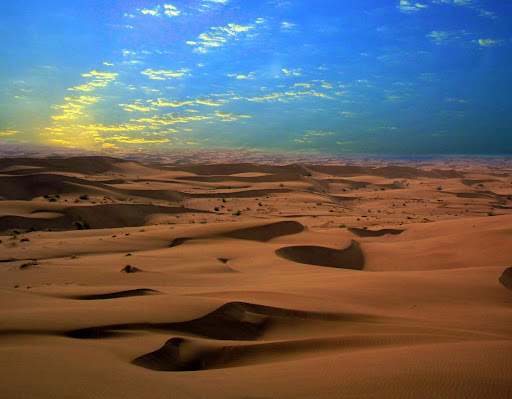
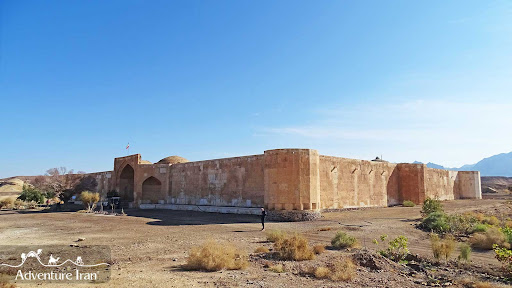
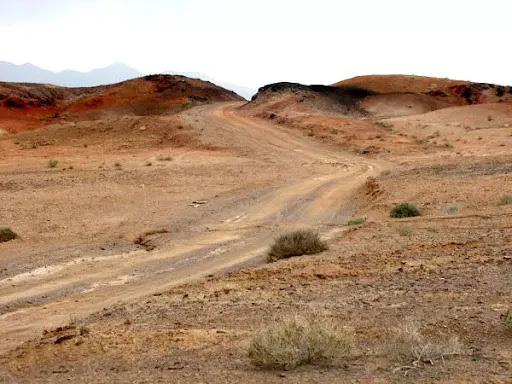
پارک ملی کویر از بزرگترین و قدیمیترین مناطق حفاظتی در ایران شهر سمنان و شهرستان های گرمسار، این منطقه حدود ۶۷۰ هزار هکتار وسعت دارد.
حیات جانوری این منطقه در گذشته و زمان خود به قدری متنوع و پرشمار بود که به عنوان آفریقای دوم «آفریقای کوچک» شهرت داشت. ولی امروزه نیز با کاهش حیات جانوری بسیاری از انواع حیوانات و گیاهان بیابانزی ایران را در خود جای میدهد و به همین دلیل عنوان ۹ ذخیرهگاه زیستکره بر خو گرفته.
در این ذخیره گاه هیچگونه سکونتگاه انسانی،معدن و جای چرا وجود ندارد.
در کل ۳۴ گونه پستاندار، ۱۵۵ گونه پرنده و ۳۴ گونه خزنده در این منطقه شناسایی شده
پستاندارانی نظیر:
یوزپلنگ آسیایی، پلنگ ایرانی، گرگ، کفتار راهراه، گربه شنی، روباه قرمز، روباه شنی، جبیر، کلوبز، قوچ ومیش، شغال، سیاهگوش
البته در سال ۱۳۸۸ اقدام به یافتن یوزپلنگ کردن ولی یک یوز پیدا کردند که نامش تنهاوش بود ولی از سال ۹۳ دیگر دیده نشد.
گونه های پرندگانی عبارتند از:
کبک، تیهو، زاغ بور، هوبره، انواع گنجشک، سهره، چکاوک و پرستو، انواع پرندگان شکاری ازجمله عقاب طلایی، سنقر، سارگپه، شاهین، بحری و دلیجه، و پرندگان مهاجر مانند فلامینگو، آنقوت، خوتکا و انواع غاز و مرغابی هستند.
این پارک دارای ۳۵۵ گونه گیاه شور پسند که نیاز چندانی به آب نداشته و خود را با این محیط سازگار کردند.
در نقاط هموار گیاه درمنه، در درهها و کوهپایههای سنگی گیاه کاروانکش، در اطراف چشمهها گز، گرگتیغ و نی و در کوهپایهها درختچههای بادام کوهی، شیر خشت و خنجک دیده میشوند.
چشمه های این پارک نظیر:
چشمه سفیدآب در نزدیکی محیط بانی سفید آب، چشمه آبشار نمکی در نزدیکی ملکآباد و چشمه سیاه کوه در نزدیکی محیط بانی سیاه کوه میباشند
English
Desert National Park is one of the largest and oldest protected areas in Iran, Semnan city and Garmsar cities, this area has an area of about 670 thousand hectares.
The animal life of this region was so diverse and numerous in the past and in its time that it was known as the second Africa, "Little Africa". But even today, with the decrease of animal life, it houses many types of animals and plants of Iran's desert, and for this reason, it has been named the 9th Biosphere Reserve.
There are no human settlements, mines or grazing areas in this reserve.
In total, 34 species of mammals, 155 species of birds and 34 species of reptiles have been identified in this area
Mammals such as:
Asiatic cheetah, Persian leopard, wolf, striped hyena, sand cat, red fox, sand fox, jubeer, kelwebs, ram and sheep, jackal, black-eared
Of course, in 2008, they tried to find a cheetah, but they found a cheetah, whose name was Tanvush, but it has not been seen since 2003.
Bird species include:
There are partridges, tihos, ravens, ravens, sparrows, sorehs, chakauks, and swallows, all kinds of hunting birds, including golden eagles, ospreys, hawks, seagulls, and harriers, and migratory birds such as flamingos, anguts, khotkas, and all kinds of geese and ducks. .
This park has 355 species of salt-tolerant plants that do not need much water and have adapted to this environment.
In the plains, you can see the sedge plant, in the valleys and stony foothills, the caravankesh plant, around the springs, you can see nettles, wolfsbane, and reeds, and in the foothills, you can see almond, clay lion, and khanjek shrubs.
The fountains of this park such as:
Sefidab spring is near Sefidab, Namaki Cascade spring is near Malik Abad and Siah Kouh spring is near Siah...
Read more
 Learn more insights from Wanderboat AI.