HTML SitemapExplore
logo
Find Things to DoFind The Best Restaurants

Stone lion statue — Attraction in Hamedan

Name
Stone lion statue
Description
Nearby attractions
Evangelical Church
Hamadan Province, Hamedan, District 2, Taleqani Blvd, QGP8+25Q, Iran
Nearby restaurants
Iran zamin restaurant
QGPG+73J District 2, Hamedan, Hamadan Province, Iran
Dast Pokht Restaurant
Hamadan Province, Hamedan, District 2, Simorgh, QGRC+7C7, Iran
Nearby hotels
Related posts
Keywords
Stone lion statue tourism.Stone lion statue hotels.Stone lion statue bed and breakfast. flights to Stone lion statue.Stone lion statue attractions.Stone lion statue restaurants.Stone lion statue travel.Stone lion statue travel guide.Stone lion statue travel blog.Stone lion statue pictures.Stone lion statue photos.Stone lion statue travel tips.Stone lion statue maps.Stone lion statue things to do.
Stone lion statue things to do, attractions, restaurants, events info and trip planning
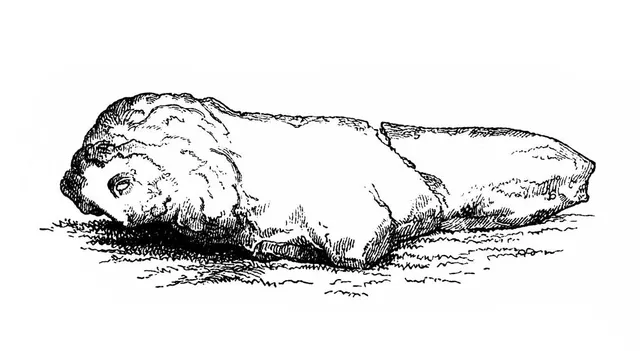
Stone lion statue
IranHamadan ProvinceHamedanStone lion statue

Basic Info

Stone lion statue

Hamadan Province, Hamedan, Sangshir Square, QGPF+CMV, Iran
4.2(288)
Open until 12:00 AM
Save
spot

Ratings & Description

Info

Cultural
Scenic
attractions: Evangelical Church, restaurants: Iran zamin restaurant, Dast Pokht Restaurant
logoLearn more insights from Wanderboat AI.
Open hoursSee all hours
SatOpen 24 hoursOpen

Plan your stay

hotel
Pet-friendly Hotels in Hamedan
Find a cozy hotel nearby and make it a full experience.

hotel
Affordable Hotels in Hamedan
Find a cozy hotel nearby and make it a full experience.

hotel
The Coolest Hotels You Haven't Heard Of (Yet)
Find a cozy hotel nearby and make it a full experience.

hotel
Trending Stays Worth the Hype in Hamedan
Find a cozy hotel nearby and make it a full experience.

Reviews

Nearby attractions of Stone lion statue

Evangelical Church
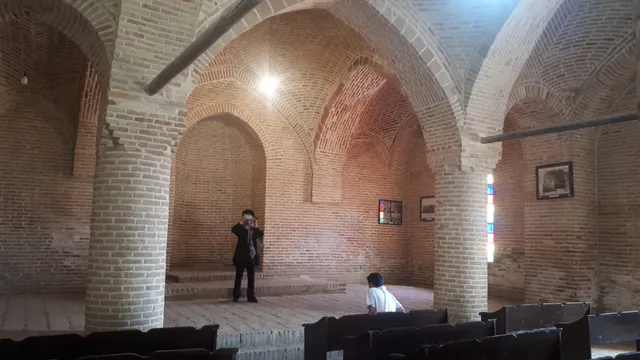
Evangelical Church

Evangelical Church

4.4

(13)

Open 24 hours
Click for details

Nearby restaurants of Stone lion statue

Iran zamin restaurant

Dast Pokht Restaurant

Iran zamin restaurant

Iran zamin restaurant

3.4

(11)

Click for details
Dast Pokht Restaurant

Dast Pokht Restaurant

4.1

(37)

Click for details
Get the Appoverlay
Get the AppOne tap to find yournext favorite spots!
Wanderboat LogoWanderboat

Your everyday Al companion for getaway ideas

CompanyAbout Us
InformationAI Trip PlannerSitemap
SocialXInstagramTiktokLinkedin
LegalTerms of ServicePrivacy Policy

Get the app

© 2025 Wanderboat. All rights reserved.
logo

Posts

mona baratimona barati
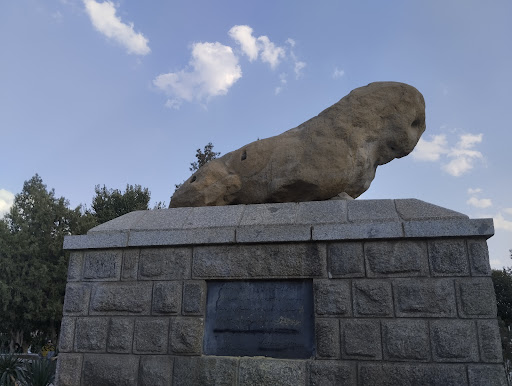
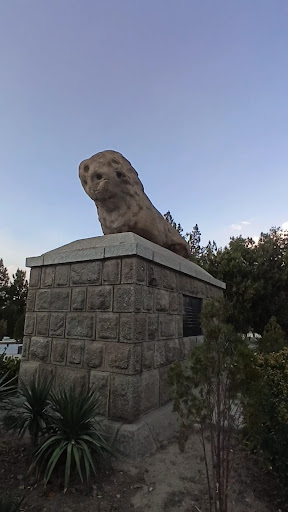
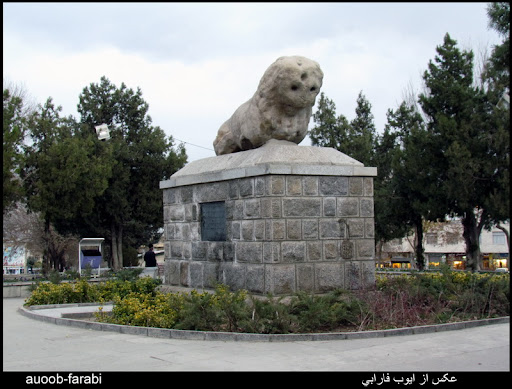
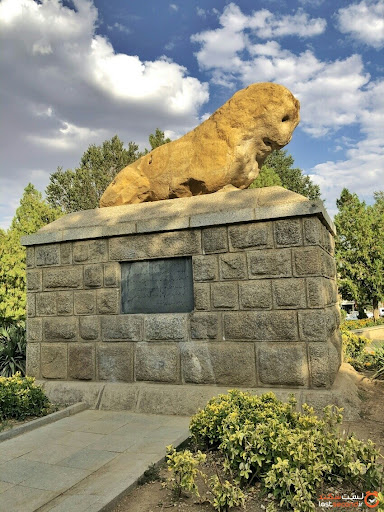
The stone lion – one part of the 'Lions' Gate' – sits on a hill. When first built, this statue had a twin counterpart for which they both constituted the old gate of the city. During the Islamic conquest of Persia, the victorious Arabs referred to the gate as bâb ul-asad (Persian: باب‌الاسد, "the lions' gate"). Stone Lion or Shir-e Sangi of Hamadan The gates were demolished in 931AD as the Deylamids took over the city. Mardāvij unsuccessfully tried transporting one of the lions to Ray. Angered by the failure to move them, he ordered them to be demolished. One lion was completely destroyed, while the other had its arm broken and pulled to the ground. The half-demolished lion lay on its side on the ground until 1949, when it was raised again, using a supplemental arm that was built into it. In 1968 Heinz Luschey demonstrated that the lion is a Hellenistic sculpture and that the lion monument at Chaeronea (erected in 338 BC) is comparable. His interpretation that it was built by the orders of Alexander the Great to commemorate the death of his close companion Hephaestion in 324 BC. is adopted by Iran's Cultural Heritage Organization.
ali mojahedali mojahed
مجسمه شیر سنگی یا سنگ شیر از یادمان‌های تاریخ باستان در شهر همدان است که در انتهای خیابان ۱۲ متری سنگ شیر و در وسط میدان مربع شکلی به همین نام جای گرفته‌است. این اثر در تاریخ ۱۵ دی ۱۳۱۰ با شمارهٔ ثبت ۹۳ به‌عنوان یکی از آثار ملی ایران به ثبت رسیده‌است. تپه‌ای که در هم‌اکنون تندیس شیر سنگی بر روی آن جای گرفته تپه‌ای باستانی است، چرا که تابوت متعلق به دوره اشکانی ازآن محل یافته شده و در موزه تپه هگمتانه نگهداری می‌شود. این تندیس به همراه قرینه‌اش نخست در دروازه شهر همدان قرار داشته‌است و اعراب به هنگام فتح همدان آن را باب‌الاسد به معنی دروازه شیر نامیده‌اند. در سال ۳۱۹ ه‍.ق نیز که دیلمیان همدان را به تصرف خود درآوردند دروازه شهر را به کلی تخریب کردند. مردآویج دیلمی قصد داشت یکی از آن‌ها را به ری منتقل نماید ولی چون موفق نشد پنجه‌های یکی از شیرها را شکست و دیگری را به‌طور کامل تخریب نمود مجسمه آسیب دیده تا سال ۱۳۲۸ هجری شمسی بر روی زمین افتاده بود تا اینکه مهندس سیحون طراح و معمار آرامگاه بوعلی‌سینا آن را در جایگاه کنونی قرار داد. در دوره اسلامی، این شیر را محافظی برای شهر و طلسمی بر رد بیماری برمی‌شمردند. جویندگان گنج آن را شکسته‌اند و برجستگی بینی آن بر اثر بوسه‌های زنان جویای همسر صاف شده‌است. تاریخ ساخت مجسمه شیر سنگی مورد اختلاف است. بنابر روایات معتبر تاریخی، شیر سنگی در تاریخ 324 پ.م به فرمان اسکندر مقدونی، و به مناسبت گرامیداشت خاطره دوست و سردار محبوبش هفایستیون ساخته شده و برفراز شهر نصب شد. این اثر در مجاورت یکی از دروازه های شهر قرار داشته که به همین خاطر، دروازه مذکور را باب الأسد میخواندند. برخی باستان‌شناسان و تاریخ‌نویسان این مجسمه را بازمانده تمدن مادها می‌دانند. همچنین نحوه کنده‌کاری تندیس و نزدیکی آن به باروی اشکانیان و نیز کشف تابوت دوره اشکانی از شان محل چنین بر می‌آید که این تندیس به اشکانیان مربوط باشد، اما این اثر از یادگارهای هنری سلوکی/اشکانی می‌باشد. در کتاب تاریخ ایران و جهان جلد اول این اثر باستانی به دوره مادها منتسب شده است. کلینتون اسکُلارد (۱۸۶۰–۱۹۳۲ م) خاطر نشان می‌سازد که از نشانه‌های عظمت اسکندر و دیگر مردان دوران باستان چیزی باقی نمانده‌است: «نگهدار شیر تنهای خوابیده، یادگاران خاموش را در سنگ از سه شاهنشاهی منقرض شده -مادها، پارسیان، پارتیان- بر گرداگرد باروهای همدان.»
auoob farabiauoob farabi
مجسمه شیر سنگی از یادمان‌های تاریخ باستان در شهر همدان است که در انتهای خیابان ۱۲ متری سنگ شیر و در وسط میدان مربع شکلی به همین نام جای گرفته‌است. این اثر در تاریخ ۱۵ دی ۱۳۱۰ با شمارهٔ ثبت ۹۳ به‌عنوان یکی از آثار ملی ایران به ثبت رسیده‌است.تپه‌ای که در هم‌اکنون تندیس شیر سنگی بر روی آن جای گرفته تپه‌ای باستانی است، چرا که تابوت متعلق به دوره اشکانی ازآن محل یافته شده و در موزه تپه هگمتانه نگهداری می‌شود.[۱] این تندیس به همراه قرینه‌اش نخست در دروازه شهر همدان قرار داشته‌است و اعراب به هنگام فتح همدان آن را باب‌الاسد به معنی دروازه شیر نامیده‌اند.[۱] در سال ۳۱۹ ه‍.ق نیز که دیلمیان همدان را به تصرف خود درآوردند دروازه شهر را به کلی تخریب کردند. مردآویج دیلمی قصد داشت یکی از آن‌ها را به ری منتقل نماید ولی چون موفق نشد پنجه‌های یکی از شیرها را شکست و دیگری را به‌طور کامل تخریب نمود[۱] مجسمه آسیب دیده تا سال ۱۳۲۸ هجری شمسی بر روی زمین افتاده بود تا اینکه مهندس سیحون طراح و معمار آرامگاه بوعلی‌سینا آن را در جایگاه کنونی قرار داد.[۱] در دوره اسلامی، این شیر را محافظی برای شهر و طلسمی بر رد بیماری برمی‌شمردند. جویندگان گنج آن را شکسته‌اند و برجستگی بینی آن بر اثر بوسه‌های زنان جویای همسر صاف شده‌است.تاریخ ساخت مجسمه شیر سنگی مورد اختلاف است ولی از نحوه کنده‌کاری تندیس و نزدیکی آن به باروی اشکانیان و نیز کشف تابوت دوره اشکانی از شان محل چنین بر می‌آید که این تندیس به اشکانیان مربوط باشد، اما این اثر از یادگارهای هنری سلوکی/اشکانی می‌باشد. احتمال دارد که اسکندر آن را به افتخار سردارش هفایستیون که در اکباتان مرد، ساخته باشد.[۳] کلینتون اسکُلارد (۱۸۶۰–۱۹۳۲ م) خاطر نشان می‌سازد که از نشانه‌های عظمت اسکندر و دیگر مردان دوران باستان چیزی باقی نمانده‌است: «نگهدار شیر تنهای خوابیده، یادگاران خاموش را در سنگ از سه شاهنشاهی منقرض شده -مادها، پارسیان، پارتیان- بر گرداگرد باروهای همدان.
See more posts
See more posts
hotel
Find your stay

Pet-friendly Hotels in Hamedan

Find a cozy hotel nearby and make it a full experience.

The stone lion – one part of the 'Lions' Gate' – sits on a hill. When first built, this statue had a twin counterpart for which they both constituted the old gate of the city. During the Islamic conquest of Persia, the victorious Arabs referred to the gate as bâb ul-asad (Persian: باب‌الاسد, "the lions' gate"). Stone Lion or Shir-e Sangi of Hamadan The gates were demolished in 931AD as the Deylamids took over the city. Mardāvij unsuccessfully tried transporting one of the lions to Ray. Angered by the failure to move them, he ordered them to be demolished. One lion was completely destroyed, while the other had its arm broken and pulled to the ground. The half-demolished lion lay on its side on the ground until 1949, when it was raised again, using a supplemental arm that was built into it. In 1968 Heinz Luschey demonstrated that the lion is a Hellenistic sculpture and that the lion monument at Chaeronea (erected in 338 BC) is comparable. His interpretation that it was built by the orders of Alexander the Great to commemorate the death of his close companion Hephaestion in 324 BC. is adopted by Iran's Cultural Heritage Organization.
mona barati

mona barati

hotel
Find your stay

Affordable Hotels in Hamedan

Find a cozy hotel nearby and make it a full experience.

Get the Appoverlay
Get the AppOne tap to find yournext favorite spots!
مجسمه شیر سنگی یا سنگ شیر از یادمان‌های تاریخ باستان در شهر همدان است که در انتهای خیابان ۱۲ متری سنگ شیر و در وسط میدان مربع شکلی به همین نام جای گرفته‌است. این اثر در تاریخ ۱۵ دی ۱۳۱۰ با شمارهٔ ثبت ۹۳ به‌عنوان یکی از آثار ملی ایران به ثبت رسیده‌است. تپه‌ای که در هم‌اکنون تندیس شیر سنگی بر روی آن جای گرفته تپه‌ای باستانی است، چرا که تابوت متعلق به دوره اشکانی ازآن محل یافته شده و در موزه تپه هگمتانه نگهداری می‌شود. این تندیس به همراه قرینه‌اش نخست در دروازه شهر همدان قرار داشته‌است و اعراب به هنگام فتح همدان آن را باب‌الاسد به معنی دروازه شیر نامیده‌اند. در سال ۳۱۹ ه‍.ق نیز که دیلمیان همدان را به تصرف خود درآوردند دروازه شهر را به کلی تخریب کردند. مردآویج دیلمی قصد داشت یکی از آن‌ها را به ری منتقل نماید ولی چون موفق نشد پنجه‌های یکی از شیرها را شکست و دیگری را به‌طور کامل تخریب نمود مجسمه آسیب دیده تا سال ۱۳۲۸ هجری شمسی بر روی زمین افتاده بود تا اینکه مهندس سیحون طراح و معمار آرامگاه بوعلی‌سینا آن را در جایگاه کنونی قرار داد. در دوره اسلامی، این شیر را محافظی برای شهر و طلسمی بر رد بیماری برمی‌شمردند. جویندگان گنج آن را شکسته‌اند و برجستگی بینی آن بر اثر بوسه‌های زنان جویای همسر صاف شده‌است. تاریخ ساخت مجسمه شیر سنگی مورد اختلاف است. بنابر روایات معتبر تاریخی، شیر سنگی در تاریخ 324 پ.م به فرمان اسکندر مقدونی، و به مناسبت گرامیداشت خاطره دوست و سردار محبوبش هفایستیون ساخته شده و برفراز شهر نصب شد. این اثر در مجاورت یکی از دروازه های شهر قرار داشته که به همین خاطر، دروازه مذکور را باب الأسد میخواندند. برخی باستان‌شناسان و تاریخ‌نویسان این مجسمه را بازمانده تمدن مادها می‌دانند. همچنین نحوه کنده‌کاری تندیس و نزدیکی آن به باروی اشکانیان و نیز کشف تابوت دوره اشکانی از شان محل چنین بر می‌آید که این تندیس به اشکانیان مربوط باشد، اما این اثر از یادگارهای هنری سلوکی/اشکانی می‌باشد. در کتاب تاریخ ایران و جهان جلد اول این اثر باستانی به دوره مادها منتسب شده است. کلینتون اسکُلارد (۱۸۶۰–۱۹۳۲ م) خاطر نشان می‌سازد که از نشانه‌های عظمت اسکندر و دیگر مردان دوران باستان چیزی باقی نمانده‌است: «نگهدار شیر تنهای خوابیده، یادگاران خاموش را در سنگ از سه شاهنشاهی منقرض شده -مادها، پارسیان، پارتیان- بر گرداگرد باروهای همدان.»
ali mojahed

ali mojahed

hotel
Find your stay

The Coolest Hotels You Haven't Heard Of (Yet)

Find a cozy hotel nearby and make it a full experience.

hotel
Find your stay

Trending Stays Worth the Hype in Hamedan

Find a cozy hotel nearby and make it a full experience.

مجسمه شیر سنگی از یادمان‌های تاریخ باستان در شهر همدان است که در انتهای خیابان ۱۲ متری سنگ شیر و در وسط میدان مربع شکلی به همین نام جای گرفته‌است. این اثر در تاریخ ۱۵ دی ۱۳۱۰ با شمارهٔ ثبت ۹۳ به‌عنوان یکی از آثار ملی ایران به ثبت رسیده‌است.تپه‌ای که در هم‌اکنون تندیس شیر سنگی بر روی آن جای گرفته تپه‌ای باستانی است، چرا که تابوت متعلق به دوره اشکانی ازآن محل یافته شده و در موزه تپه هگمتانه نگهداری می‌شود.[۱] این تندیس به همراه قرینه‌اش نخست در دروازه شهر همدان قرار داشته‌است و اعراب به هنگام فتح همدان آن را باب‌الاسد به معنی دروازه شیر نامیده‌اند.[۱] در سال ۳۱۹ ه‍.ق نیز که دیلمیان همدان را به تصرف خود درآوردند دروازه شهر را به کلی تخریب کردند. مردآویج دیلمی قصد داشت یکی از آن‌ها را به ری منتقل نماید ولی چون موفق نشد پنجه‌های یکی از شیرها را شکست و دیگری را به‌طور کامل تخریب نمود[۱] مجسمه آسیب دیده تا سال ۱۳۲۸ هجری شمسی بر روی زمین افتاده بود تا اینکه مهندس سیحون طراح و معمار آرامگاه بوعلی‌سینا آن را در جایگاه کنونی قرار داد.[۱] در دوره اسلامی، این شیر را محافظی برای شهر و طلسمی بر رد بیماری برمی‌شمردند. جویندگان گنج آن را شکسته‌اند و برجستگی بینی آن بر اثر بوسه‌های زنان جویای همسر صاف شده‌است.تاریخ ساخت مجسمه شیر سنگی مورد اختلاف است ولی از نحوه کنده‌کاری تندیس و نزدیکی آن به باروی اشکانیان و نیز کشف تابوت دوره اشکانی از شان محل چنین بر می‌آید که این تندیس به اشکانیان مربوط باشد، اما این اثر از یادگارهای هنری سلوکی/اشکانی می‌باشد. احتمال دارد که اسکندر آن را به افتخار سردارش هفایستیون که در اکباتان مرد، ساخته باشد.[۳] کلینتون اسکُلارد (۱۸۶۰–۱۹۳۲ م) خاطر نشان می‌سازد که از نشانه‌های عظمت اسکندر و دیگر مردان دوران باستان چیزی باقی نمانده‌است: «نگهدار شیر تنهای خوابیده، یادگاران خاموش را در سنگ از سه شاهنشاهی منقرض شده -مادها، پارسیان، پارتیان- بر گرداگرد باروهای همدان.
auoob farabi

auoob farabi

See more posts
See more posts

Reviews of Stone lion statue

4.2
(288)
avatar
5.0
6y

The stone lion of Hamadan (Persian: شیر سنگی همدان‎ šir-e sangi-ye hamedân) is a historical monument in Hamadan, Iran.

The stone lion -one part of the 'Lions Gate'- sits on a hill where a Parthian era cemetery is said to have been located.

When first built, this statue had a twin counterpart for which they both constituted the old gate of the city. During the Islamic conquest of Persia, the victorious Arabs referred to the gate as bâb ul-asad (Persian: باب‌الاسد‎, "the lions gate").

Stone Lion or Shir-e Sangi of Hamadan The gates were demolished in 931CE as the Deylamids took over the city.

Mardāvij unsuccessfully tried transporting one of the lions to Ray. Angered by the failure to move them, he ordered them to be demolished. One lion was completely destroyed, while the other had its arm broken and pulled to the ground. The half demolished lion lay on its side on the ground until 1949, when it was raised again, using a supplemental arm that was built into it.

In 1968 Heinz Luschey demonstrated that the lion is a Hellenistic sculpture and that the lion monument at Chaironeia (erected in 338 BC) is comparable. His interpretation that it was built by the orders of Alexander the Great to commemorate the death of his close companion Hephaestion in 324 BC. is adopted by Iran's Cultural Heritage...

   Read more
avatar
3.0
1y

The stone lion – one part of the 'Lions' Gate' – sits on a hill.

When first built, this statue had a twin counterpart for which they both constituted the old gate of the city. During the Islamic conquest of Persia, the victorious Arabs referred to the gate as bâb ul-asad (Persian: باب‌الاسد, "the lions' gate").

Stone Lion or Shir-e Sangi of Hamadan The gates were demolished in 931AD as the Deylamids took over the city.

Mardāvij unsuccessfully tried transporting one of the lions to Ray. Angered by the failure to move them, he ordered them to be demolished. One lion was completely destroyed, while the other had its arm broken and pulled to the ground. The half-demolished lion lay on its side on the ground until 1949, when it was raised again, using a supplemental arm that was built into it. In 1968 Heinz Luschey demonstrated that the lion is a Hellenistic sculpture and that the lion monument at Chaeronea (erected in 338 BC) is comparable. His interpretation that it was built by the orders of Alexander the Great to commemorate the death of his close companion Hephaestion in 324 BC. is adopted by Iran's Cultural Heritage...

   Read more
avatar
5.0
26w

The lion isn’t as impressive as we expected. It looks more like a simple clay figure, but that’s likely because of its ancient age.

According to Encyclopedia Iranica, The Stone Lion of Hamadan (Šir-e Sangi) is an ancient relic carved from yellow sandstone, now worn down and missing its legs. Originally placed near the Bāb-al-Asad gate, it overlooked the Khorasan road. Some say Alexander the Great ordered it as a protective talisman, while others credit the Greek sculptor Balinās under King Qobād to guard against floods and cold. Nearby talismans were believed to ward off snakes, scorpions, and other dangers. The lion was damaged during the Ziarid conquest in 931 AD, and though the Abbasid caliph tried to move it to Baghdad, the people of Hamadan refused. Some scholars think it may date back to the Median era. Over the years, locals believed in its magical powers, performing rituals...

   Read more
Page 1 of 7
Previous
Next