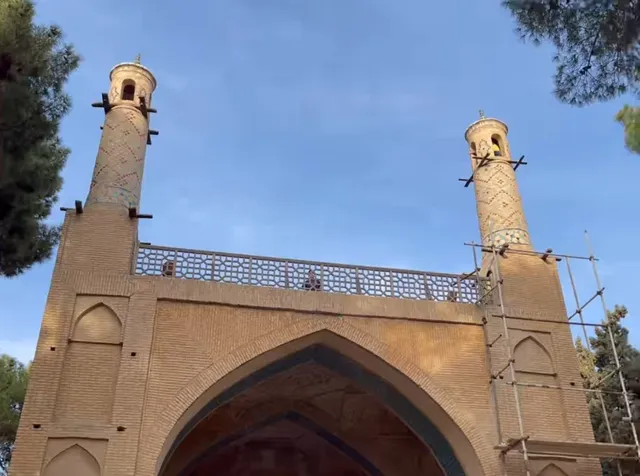
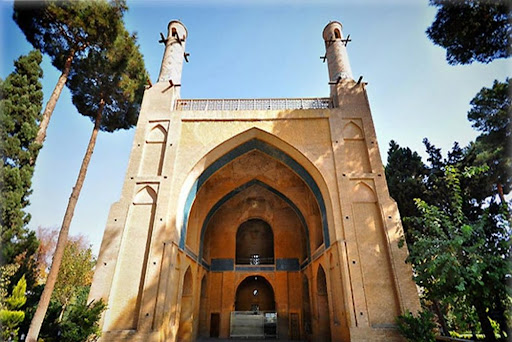
I had the opportunity to visit the magnificent Manar Jonban, and I was truly amazed by its historical significance and exceptional earthquake resistance. This architectural marvel left a lasting impression on me.
The Manar Jonban boasts an exquisite design that showcases the rich cultural heritage of the region. The intricate details and craftsmanship of this historical building are truly remarkable. It's a true testament to the skill and talent of the architects and craftsmen who brought it to life.
What truly sets Manar Jonban apart is its impressive earthquake resistance. Considering the region's seismic activity, it's reassuring to know that this building is built to withstand such natural disasters. The engineering techniques employed in its construction are ahead of their time and deserve immense appreciation.
During my visit, I couldn't help but marvel at the building's stability and resilience. Despite its age, Manar Jonban has stood the test of time, surviving numerous earthquakes throughout history. It's a testament to the ingenuity of the architects who anticipated the need for earthquake-resistant structures long before modern techniques were developed.
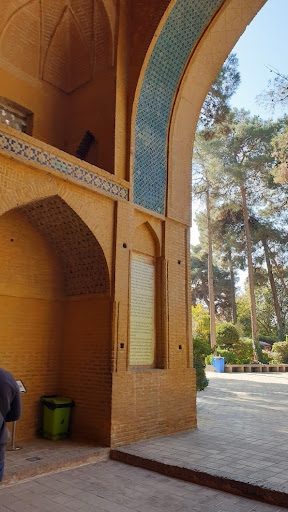
Exploring this historical gem was a captivating experience. The interior offers a glimpse into the past, with well-preserved artifacts and informative displays that provide insight into the building's historical and cultural significance.
In addition to its architectural splendor, Manar Jonban is conveniently located, making it easily accessible for visitors. The surrounding landscape adds to the overall ambiance, creating a serene and picturesque setting.
I highly recommend visiting Manar Jonban to anyone interested in history, architecture, or engineering. It's a true masterpiece that showcases the resilience of human creativity and innovation in the face of natural challenges.
Overall, my visit to Manar Jonban was unforgettable. I left with a deep appreciation for this historical building's beauty, cultural importance, and outstanding earthquake resistance. It's a must-visit destination for anyone...
Read moreIt’s a must see in Isfahan. The ticket price is around 5 USD, but I think you won’t see much more than what you can see from outside by going inside, you can see it from outside, specially when they shake it ( one time per hour) This building has been constructed at 14th century. Monar jonban means shaking towers. It has been constructed so that by shaking one tower the other tower and as a matter of fact the whole building will shake in the same frequency. The towers has been shaken for 6 centuries and they have not been damaged, that is the astonishing point about them. If you want to go there from the city center, you just need to take a bus from “ charbagh street” and the bus goes there directly for the price of less than 50 cent. It used to be available for every visitor to go up the towers and shake them, however, since 2010 they decided to just shake it one time per hour to prevent any damage to this precious monument. If you go there to see the towers there is another must see in Isfahan near there at top of a mountain called Atashgah, don’t miss visiting that. The best time during year for visiting there and also other part of Isfahan is between March to April and between September to December. It’s too hot there in the middle of summer and too cold in the middle of the winter. Another tip is to don’t miss Monarjonban ice cream when you are there. There is a ice cream store in front of the entrance of the monument that has great local ice creams with saffron and pistachio and all locals go there to...
Read moreEHRAN – Standing in Isfahan, Menar Jonban has long been a rather strange attraction of the central Iranian city. Its dual minarets are vastly prone to vibration!
Literary meaning “shaking minaret”, Menar Jonban is being visited by hundreds of domestic and foreign travelers each day. It is a burial monument surmounted by two brick minarets that can be swung with little pressure; when one is shaken by the human force, the other starts to vibrate automatically.
Such dynamic behavior has become a puzzle to architects and structural engineers for many years as there is no crack running on it due to centuries of shaking. Some believe that its considerable flexibility comes from a special type of mortar which has been utilized in its masonry.
Menar Jonban was originally built some 700 years ago as a mausoleum for “Amu Abdullah” who was a mystic figure in the Ilkhanid era (1256-1353 CE). Archeological studies suggest that the dual minarets were later added to the mausoleum during the Safavid era (1501–1736).
People visit Menar Jonban, a centuries-old monument in Isfahan, central Iran.
Isfahan, central Iran, is a top tourist destination for good reasons, it was used to be a capital of the mighty Safavid Empire. The city is filled with unlimited visual appeals such as tree-lined boulevards, Persian gardens and majestic Islamic buildings while ubiquitous artisans underpin its reputation as a living museum of traditional...
Read more