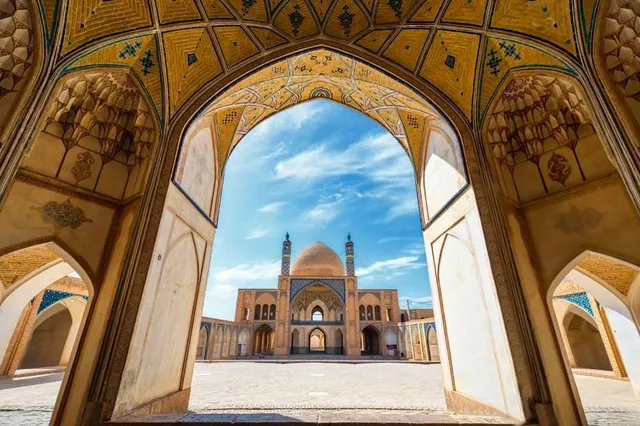
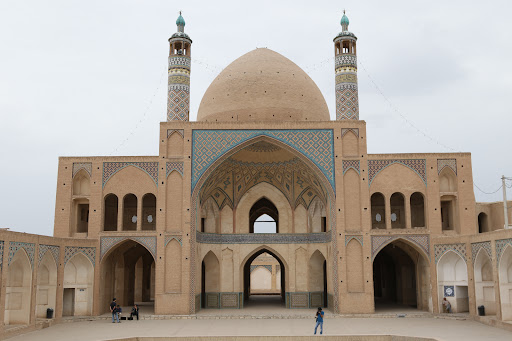
Built during the reign of Mohammad Shah Qajar, the Aga Bozorg Mosque is a stunning example of Qajar-era architecture, inspired by the design of Isfahan's Chaharbagh School. The mosque and its adjoining school, still in excellent condition, were funded by Haj Mohammad Taghi Khanban and are located near the shrine of Khoja Taj al-Din.
Construction of this magnificent structure was completed in 1265 after eight years of dedicated work. The mosque's name is derived from a fascinating historical anecdote. The custom in Kashan was to name sons after their fathers. The son of the original 'Aga Bozorg' became a renowned scholar, and both father and son were revered by the people. When Mohammad Shah Qajar visited Kashan, he was so impressed by the younger 'Aga Bozorg's' knowledge that he ordered him to be addressed with the same title as his father. To honor this esteemed scholar, the king commissioned the construction of the mosque.
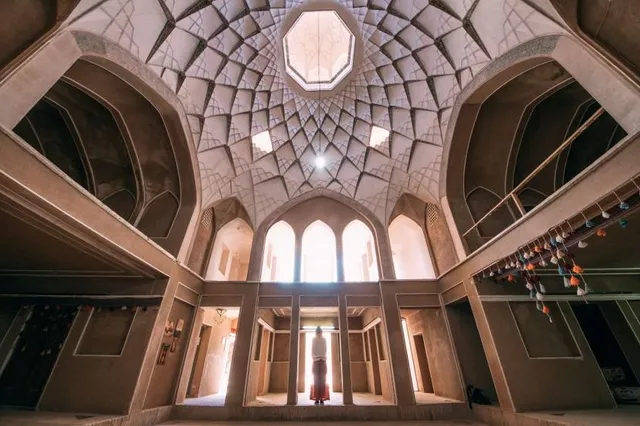
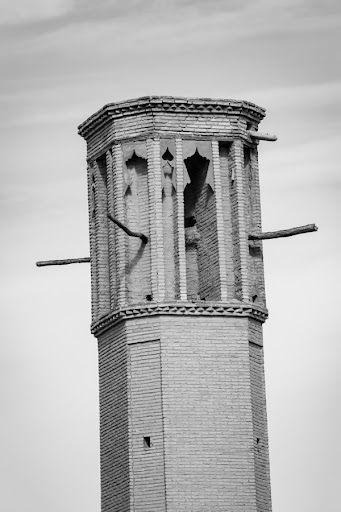
The mosque complex features a central courtyard, prayer halls, an entrance hall, and a sanctuary. The school section boasts windcatchers, a clever design that harnesses the power of the wind to cool the building. The mosque's dome rests on eight grand pillars, a unique architectural feature rarely found in older Iranian mosques. This innovative design ensures a cool interior, even during the scorching summer months. Other elements that enhance the mosque's beauty and serenity include a sunken garden, a large pond, and lush gardens.
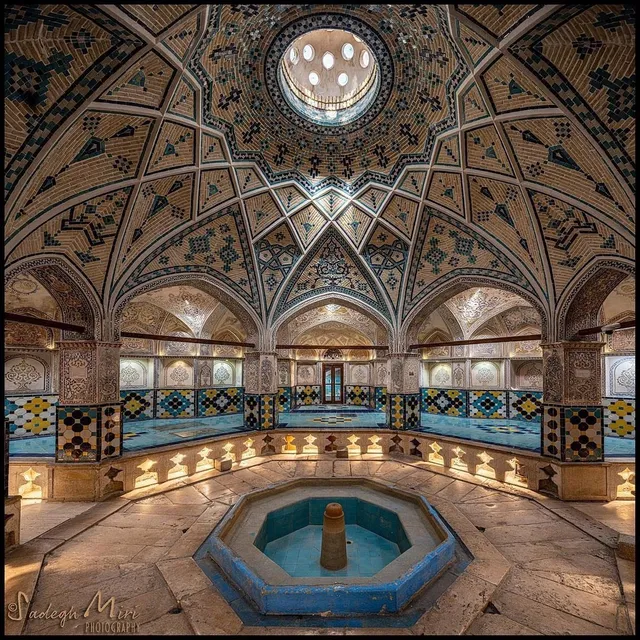
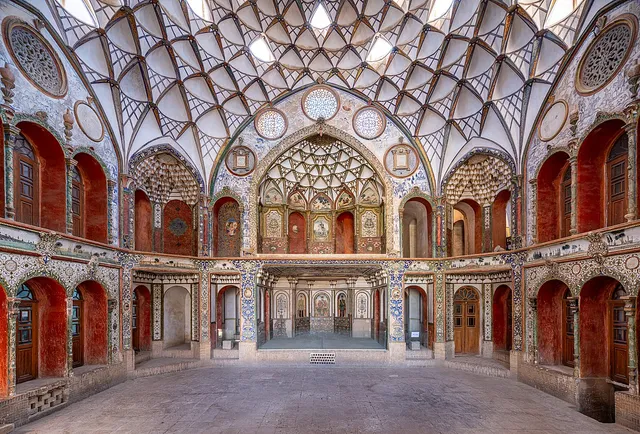
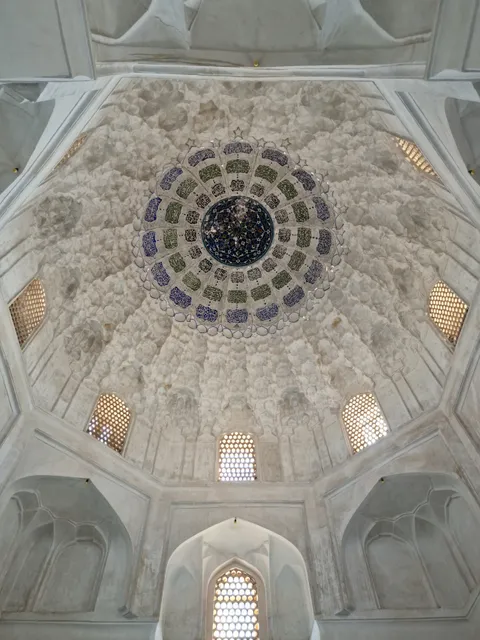
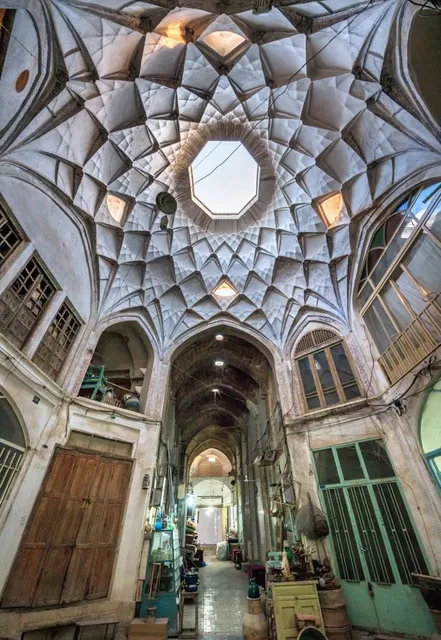
One of the mosque's most striking features is its simplicity. Intricate carvings, latticework, stuccowork, painting, muqarnas, and tile work adorn the mosque's interior, showcasing the artisans' skill. The main entrance door, embellished with carvings, latticework, and metal studs, remains in pristine condition.
Visiting the Aga Bozorg Mosque is free, and it typically takes 1-2 hours to explore. The best time to visit Kashan and the mosque is...
Read moreThe historic building of this building began during the reign of Mohammad Shah Qajar and ended in the first years of the reign of Nasser al-Din Shah (1264-1313 AH / 1848-1895 AD). Inscriptions from 1263, 1264, 1268 AH / 1847, 1848, 1852 AD, respectively, on the nave of the nave, inside the nave under the dome, also confirm this statement on the altar of the altar and the entrance of the mosque. The complex seems to have been built on remnants of the earthquake after 1192 AH / 1778 AD or earlier, especially the nave of the 40 northern columns of the mosque, which probably existed before the dome was built on the remains of a monastery, mosque, mausoleum and Khaja Tajuddin school. It belongs to the middle of the 9th century AH / 15 AD).
The combination of this nave with the mosque and the school that was later built next to it is one of the most beautiful and best examples of creating harmony and connection between the two buildings; But the 40 western columns of the dome, the most important building that later joined the main part and the dome of the house, have damaged the architecture of the maqsooreh building; Because the great architect of the mosque had designed the dome to have an open space on all four sides, so that in the summer, the air-conditioning of the area would naturally be ventilated around the dome, but in the time of Hajj Mullah Taghi Mohammad Ali Naraghi, the son of Aghabzorg (1285 AH / 1868 AD), the western nave of Gonbadkhaneh was built and from this side the connection with the outside space...
Read moreAgha Bozorg Mosque was built in the late 18th century. This lovely mosque has a lively backyard and also an oasis hidden underground level for praying ceremonies. The most eye-catching feature of this place is definitely its blue and turquoise tiles which are tactfully and beautifully placed next to each other to form interesting Persian geometric patterns. you can find another charming item of Persian architecture in the yard. The central courtyard and the lovely pool in the middle are good examples of this art. Another place for you to wonder about this structure is the ceiling under the dome. Generally speaking, you should NEVER forget to look at the ceilings in Persian historical sites. Also, there was a religious school next to the mosque that they both merged together to form a united building. This place even has Badgir, the traditional wind-catcher in Persian architecture that worked as an air-conditioner for the building. All of these items represent the simple life of both people and rulers of Kashan many years ago. Best thing to do in this mosque, except worshiping its beauty, of course, is to take your camera and capture little interesting details that you find in every corner of this...
Read more