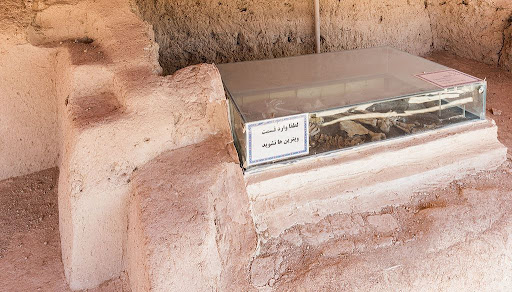
HTML SitemapExplore
logo
Find Things to DoFind The Best Restaurants

Sialk Archeological Hills — Attraction in Kashan

Name
Sialk Archeological Hills
Description
Tepe Sialk is a large ancient archeological site in a suburb of the city of Kashan, Isfahan Province, in central Iran, close to Fin Garden. The culture that inhabited this area has been linked to the Zayandeh River Culture.
Nearby attractions
Nearby restaurants
Nearby hotels
Related posts
Keywords
Sialk Archeological Hills tourism.Sialk Archeological Hills hotels.Sialk Archeological Hills bed and breakfast. flights to Sialk Archeological Hills.Sialk Archeological Hills attractions.Sialk Archeological Hills restaurants.Sialk Archeological Hills travel.Sialk Archeological Hills travel guide.Sialk Archeological Hills travel blog.Sialk Archeological Hills pictures.Sialk Archeological Hills photos.Sialk Archeological Hills travel tips.Sialk Archeological Hills maps.Sialk Archeological Hills things to do.
Sialk Archeological Hills things to do, attractions, restaurants, events info and trip planning
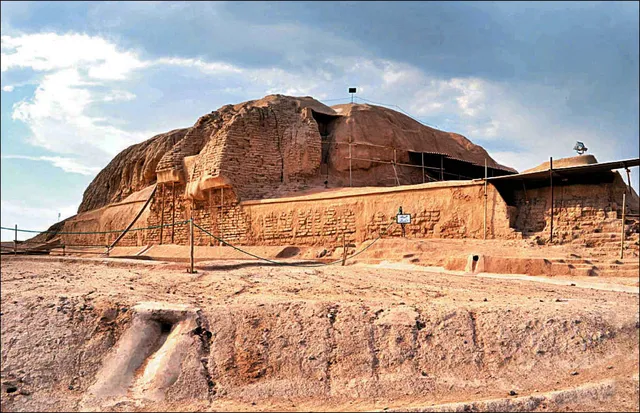
Sialk Archeological Hills
IranIsfahan ProvinceKashanSialk Archeological Hills

Basic Info

Sialk Archeological Hills

XC93+FPC, Kashan, Isfahan Province, Iran
4.3(341)
Closed
Save
spot

Ratings & Description

Info

Tepe Sialk is a large ancient archeological site in a suburb of the city of Kashan, Isfahan Province, in central Iran, close to Fin Garden. The culture that inhabited this area has been linked to the Zayandeh River Culture.

Cultural
Scenic
attractions: , restaurants:
logoLearn more insights from Wanderboat AI.
Phone
+98 913 361 0667
Website
sialk.ir
Open hoursSee all hours
Tue9 AM - 4 PMClosed

Plan your stay

hotel
Pet-friendly Hotels in Kashan
Find a cozy hotel nearby and make it a full experience.

hotel
Affordable Hotels in Kashan
Find a cozy hotel nearby and make it a full experience.

hotel
The Coolest Hotels You Haven't Heard Of (Yet)
Find a cozy hotel nearby and make it a full experience.

hotel
Trending Stays Worth the Hype in Kashan
Find a cozy hotel nearby and make it a full experience.

Reviews

Get the Appoverlay
Get the AppOne tap to find yournext favorite spots!
Wanderboat LogoWanderboat

Your everyday Al companion for getaway ideas

CompanyAbout Us
InformationAI Trip PlannerSitemap
SocialXInstagramTiktokLinkedin
LegalTerms of ServicePrivacy Policy

Get the app

© 2025 Wanderboat. All rights reserved.
logo

Reviews of Sialk Archeological Hills

4.3
(341)
avatar
5.0
1y

For over 8,000 years, the ancient Silk Tepe has borne witness to the birth and evolution of human civilization. This site offers a unique journey through time, showcasing the gradual progression of human society from simple dwellings made of reeds and wood to complex cities engaged in trade.

A visit to Silk Tepe is like stepping back in time. Visitors can marvel at artifacts that tell the story of ancient civilizations, including pottery shards, jewelry, spinning wheels, metal tools, hand-made bricks, pottery wheels, and most importantly, the ziggurat (a temple tower).

Exploring this historical site and its artifacts from the Neolithic, Chalcolithic, Urban, Iron Age, and Median periods, one can't help but wonder how such magnificent structures were built with the limited technology of the time.

For millennia, Silk Tepe has guarded the secrets of human history, attracting countless visitors eager to connect with a distant past. As one of the world's oldest ziggurats, it was once a sacred site for worship. Ironically, this lost civilization was rediscovered a century ago after being unearthed by a flood and targeted by looters.

Opportunists took advantage of the situation, plundering the site and selling artifacts on the black market. Fortunately, French archaeologist Roman Ghirshman recognized the significance of this discovery and organized a French archaeological mission to save the site.

Ghirshman and his team conducted extensive excavations in 1933 and 1936, publishing their findings in two volumes titled "Silk of Kashan." Unfortunately, after the French excavations, the site was neglected and faced the threat of complete destruction. In 2000, a new chapter began when an Iranian archaeological team led by Dr. Sadegh Malek Shahmirzadi undertook a five-year excavation.

The best time to visit Silk Tepe is from early April to late May. Due to its proximity to the central Iranian desert, the region experiences hot, arid summers and...

   Read more
avatar
5.0
7y

The Sialk ziggurat was built around the 3000 BC. A joint study between Iran's Cultural Heritage Organization, the Louvre, and the Institut Francais de Recherche en Iran also verifies the oldest settlements in Sialk to date back to 5500–6000 BC. Sialk, and the entire area around it, is thought to have originated as a result of the pristine large water sources nearby that still run today. The Cheshmeh ye Soleiman ("Solomon's Spring") has been bringing water to this area from nearby mountains for thousands of years. The Fin garden, built in its present form in the 17th century, is a popular tourist attraction. It is here that the kings of the Safavid dynasty would spend their vacations away from their capital cities. It is also here that Piruz Nahavandi (Abu-Lu'lu'ah), the Persian assassin of Caliph Umar, is buried. All these remains are located in the same location where Sialk is. Tepe Sialk was excavated for three seasons (1933, 1934, and 1937) by a team headed by Roman Ghirshman and his wife Tania Ghirshman.[4[6] Studies related to the site were conducted by D.E. McCown, Y. Majidzadeh, and P. Amieh. Excavation was resumed for several seasons between 1999 and 2004 by a team from the University of Pennsylvania and Iran's Cultural Heritage Organization led by Sadegh Malek Shahmirzadi called the Sialk Reconsideration Project. Artifacts from the original dig ended up mostly at the Louvre, while some can be found at the British Museum, the Metropolitan Museum of Art in New York, and the National Museum of Iran and in the hands of private collectors. These artifacts consisted of some very fine...

   Read more
avatar
5.0
9y

کاشان از قدیم ترین آثار تمدن قوم ایرانی، مهد تمدن در فلات مرکزی ایران، شهر تمدن های مدفون شده در دل تپه های سیلک، سرزمین معماری های بی بدیل، بناهای چشم نواز و روح افزا، خاستگاه اندیشمندان، سخنواران و دانشمندان نامی ایران است. شهری که با قدمت هشت هزار ساله خود ریشه در تاریخ با عظمت ایران دارد، دیاری با بیش از 7 هزار سال تمدن و فرهنگی آرمیده بر دامان کویر با مردمانی مومن، فهیم و فداکار، مردمی که وفاداری و جان نثاری خود را در طول تاریخ به اثبات رسانده اند.

سرزمینی که از دوران بسیار دور، مهد هنر و ادب بود و این امر از چهره های درخشان و شاخص علمی، هنری و مذهبی که در دامان خود پروراند و به جامعه هنر پرور ایران هدیه کرد هویداست و به همین سبب جایگاه ویژه ای از تاریخ را به خود اختصاص داده است.

دیاری که از دیدگاه علمی فرهنگی علوم دینی و سایر دانش های متعارف از دیرباز بسیار غنی بوده و علمای بزرگی را در دامان خود پرورده کاشان شهر عالمان و مومنان که در کوچه پس کوچه هایش تاریخ جاری است و در آینه تاریخش بزرگانی نقش بسته اند که هریک خورشید روزگاران خود بوده اند، غیاث الدین جمشیدها، ملامحسن ها، محتشم ها، کلیم ها،فیض ها و....

کاشان و آن مردم خونگرم و میهمان نوازش مردمی که به واسطه ایمان راسخ زهد و تقوای بی نظیر شیعی مسلک خود از صدر اسلام نام دارالومنین را برای دیار خود به ارمغان آوردند و آن را صدر شهرهای شیعه نشین قرار دادند و با تلاش خستگی ناپذیر خود و اندیشه ها و افکار متعالی احساسات لطیف و آمیخته با زیبایی‌ها مهربانی و عاطفه خود این شهر نشسته بر دامان کویر را چون نگین سبز بر تارک علم فلسفه فقه و ادب و عرصه های هنری نشاندند و درخشش و شکوه و جلوه این شهر را در تارخ زبانزد خاص و عام گرداندند.سیلک در حال حاضر مشتمل بر یک تپه شمالی و یک تپه جنوبی است که به فاصله پانصد متر از یکدیگر قرار دارند و در جلوی این تپه ها گورستان هایی از انسان های ماقبل تاریخ وجود دارد.

محوطه پیش از تاریخ سیلک در حدود چهار کیلومتری جنوب غرب کاشان واقع شده که از دوتپه و دو گورستان تشکیل شده در سال 1310 ه.ش بر حسب اتفاق سیلی از دامنه کوه ها سرازیر شد که گوشه ای از قبرستان (ب) سیلک را با خود برد و چند قبر را سوراخ کرد.

رهگذران در این قبرها کوزه های زیبایی یافتند که این کوزه ها در بازار کاشان فروخته شد و تدریجا از موزه لوور فرانسه سر درآورد.

رئیس موزه نامه ای به مسئول موزه ملی ایران نوشت که در آن سال شخصی به نام آندره گدار فرانسوبی بود.

وی تحقیق روی این کوزه ها را در تخصص خود ندید لذا طی نامه های از دکتر گریشمن دعوت نمود تا در این تپه ها حضور یابد.

وی چهار دوره تاریخی برای زندگی و سکونت در دو تپه شمالی و جنوبی نشان داد که ازحدود هزاره پنجم پیش از میلاد تا میانه هزاره اول پیش از میلاد ادامه داشته است، در این دوران پیشرفت های قابل ملاحظه ای در زندگی ساکنان سیلک روی داد، از پیشرفت در فن کوزه گری، پخت ظروف و تزئینات آن با نقوش و خطوط جانوری و پیدایش خط که برای اولین بار در مرکز ایران در میانه هزاره چهارم بیش از میلاد اختراع شد تا ساخت شهری مستحکم با دیوار و استحکامات و ساخت معبد و جنگ با دولت های بزرگ غرب به ویژه آشور.

سیلک نخستین پایگاه صنعت سفالگری در جهان به شمار می رود که ابتدا ساخت سفال با دست و به صورت فتیله ای انجام می گرفت ولی با اختراع سفالگری با چرخ،تحولی در ساخت سفال به وجود آمد.

هنرمند سفالگر با مهارت خاص خود چنان سفال را در دست می فشارد و به آن شکل می دهد که گویی تلاش می کند طروات زندگی را در سفال به نمایش بگذارد.

محوطه باستانی بسیار وسیع سیلک در اثر بیش نیم قرن بی توجهی و گسترش بیش از حد و سریع شهر کاشان از بین رفت و تنها بخش کوچکی از آن باقی مانده است که شامل دو تپه شمالی و جنوبی به فاصله 600 متر از یکدیگر و دو گورستان است.

قدمت قدیمی‌ترین آثار به دست آمده از تپه شمالی به حدود ۷۵۰۰ سال قبل می‌رسد و آخرین آثار مکشوفه از تپه جنوبی مربوط به ۵۰۰۰ سال قبل است.

این تپه تاریخی در ۲۴ شهریور ۱۳۱۰ با شماره ۳۸ در فهرست آثار تاریخی و ملی ایران...

   Read more
Page 1 of 7
Previous
Next

Posts

pegah esmailipegah esmaili
For over 8,000 years, the ancient Silk Tepe has borne witness to the birth and evolution of human civilization. This site offers a unique journey through time, showcasing the gradual progression of human society from simple dwellings made of reeds and wood to complex cities engaged in trade. A visit to Silk Tepe is like stepping back in time. Visitors can marvel at artifacts that tell the story of ancient civilizations, including pottery shards, jewelry, spinning wheels, metal tools, hand-made bricks, pottery wheels, and most importantly, the ziggurat (a temple tower). Exploring this historical site and its artifacts from the Neolithic, Chalcolithic, Urban, Iron Age, and Median periods, one can't help but wonder how such magnificent structures were built with the limited technology of the time. For millennia, Silk Tepe has guarded the secrets of human history, attracting countless visitors eager to connect with a distant past. As one of the world's oldest ziggurats, it was once a sacred site for worship. Ironically, this lost civilization was rediscovered a century ago after being unearthed by a flood and targeted by looters. Opportunists took advantage of the situation, plundering the site and selling artifacts on the black market. Fortunately, French archaeologist Roman Ghirshman recognized the significance of this discovery and organized a French archaeological mission to save the site. Ghirshman and his team conducted extensive excavations in 1933 and 1936, publishing their findings in two volumes titled "Silk of Kashan." Unfortunately, after the French excavations, the site was neglected and faced the threat of complete destruction. In 2000, a new chapter began when an Iranian archaeological team led by Dr. Sadegh Malek Shahmirzadi undertook a five-year excavation. The best time to visit Silk Tepe is from early April to late May. Due to its proximity to the central Iranian desert, the region experiences hot, arid summers and cold winters.
bahman nslbrzbahman nslbrz
The Sialk ziggurat was built around the 3000 BC. A joint study between Iran's Cultural Heritage Organization, the Louvre, and the Institut Francais de Recherche en Iran also verifies the oldest settlements in Sialk to date back to 5500–6000 BC.[ Sialk, and the entire area around it, is thought to have originated as a result of the pristine large water sources nearby that still run today. The Cheshmeh ye Soleiman ("Solomon's Spring") has been bringing water to this area from nearby mountains for thousands of years. The Fin garden, built in its present form in the 17th century, is a popular tourist attraction. It is here that the kings of the Safavid dynasty would spend their vacations away from their capital cities. It is also here that Piruz Nahavandi (Abu-Lu'lu'ah), the Persian assassin of Caliph Umar, is buried. All these remains are located in the same location where Sialk is. Tepe Sialk was excavated for three seasons (1933, 1934, and 1937) by a team headed by Roman Ghirshman and his wife Tania Ghirshman.[4][5][6] Studies related to the site were conducted by D.E. McCown, Y. Majidzadeh, and P. Amieh. Excavation was resumed for several seasons between 1999 and 2004 by a team from the University of Pennsylvania and Iran's Cultural Heritage Organization led by Sadegh Malek Shahmirzadi called the Sialk Reconsideration Project. Artifacts from the original dig ended up mostly at the Louvre, while some can be found at the British Museum, the Metropolitan Museum of Art in New York, and the National Museum of Iran and in the hands of private collectors. These artifacts consisted of some very fine painted potteries.
saeed choganbazsaeed choganbaz
ساکنین سیلک برای محافظت خود از گرما و سرما در اتاق‌های کوچکی که با شاخ و برگ درختان می‌ساختند به سر می‌بردند و بعدها خانه‌های گِلین نیز بنا نهادند و تحقیقاتی که در محل مزبور انجام گرفته‌است نشان می‌دهد که مردم فلات ایران به امر کشاورزی پرداختند و حیوانات اهلی را نیز پرورش دادند. در خرابه‌های سیلک بقایای استخوان گاو و گوسفند شاهد بارزی بر توجه مردم آنجا به تربیت این‌گونه حیوانات است. در این محل ظروف سفالین قرمز رنگی نیز پیدا کرده‌اند که از لحاظ صنعت نسبت به ظروف پیش تا حدی کامل‌تر به نظر می‌آید و معلوم می‌شود که آن‌ها را در کوره‌های ابتدایی می‌ساختند. چون در همین محل مقداری دوک‌های سنگی و گِلین به دست آورده‌اند تصور می‌رود که مردم آن زمان با صنعتنساجی آشنایی داشته‌اند. در پایان عهد حجر پسین مردم این سامان آلات و ابزار خود را با مس می‌ساختند و کم‌کم این‌گونه ادوات جای ابزار سنگی را که تا آن زمان متداول بود گرفت و به تدریج کنده‌کاری بر استخوان نیز معمول شد و مردان و زنان به زینت‌آلات توجه خاصی نشان دادند و مردگان را در محل سکونت خویش به خاک سپردند.»[۴] «در هزاره چهارم پیش از میلاد مردم دشت‌نشین فلات ایران در کار زندگی پیشرفت بیشتری کردند و این پیشرفت در توسعه محل سکونت و توجه به تزیین منازل آن‌ها به خوبی دیده می‌شود، در قریه سیلک نموداری از آن وجود دارد، ساکنین این محل اتاق‌های خود را با اکسیدآهن و مواد دیگر نقاشی می‌کردند و ظروف سفالین ظریف می‌ساختند و تصویر پرندگان و حیوانات وحشی را بر روی آن‌ها با رنگ سیاه منقوش می‌کردند و به تدریج این ظروف شفاف‌تر و شکل آن‌ها منظم‌تر شد، از این‌جا می‌توان حدس زد که مردم آن ناحیه جهت انجام این عمل به اختراع چرخ نائل شده بودن، چرخ آن‌ها تخته باریکی بوده‌است که بر زمین می‌گذاشته‌اند و آن را با دست می‌چرخاندند و به این ترتیب به ظروف خود شکل زیباتری می‌دادند. تاکنون شبیه این‌گونه ظروف در هیچ‌یک از کشورهای آن دوران به دست نیامده است. چنین می‌توان نتیجه گرفت که ایرانیان در این صنعت سرآمد اقوام دیگر بودند و شاید اختراع مزبور ویژه آن‌ها باشد. با آن‌که سنگ در ساختن آلات و ادوات در این عهد به کار می‌رفت فلز نیز بیش از دوره پیش وارد صنعت گردید، مس را با چکش صاف می‌کردند، اما طرز ذوب کردن فلزات را نمی‌دانستند و با مس سنجاق و ظروف ظریف می‌ساختند. چون استخوان‌های نوعی اسب و سگ به دست آمده‌است این توهم حاصل می‌شود که مردم آن دوره از این‌گونه حیوانات در حمل و نقل استفاده می‌کردند و مسلماً توسعه کشاورزی مدیون همین امر بوده‌است.
See more posts
See more posts
hotel
Find your stay

Pet-friendly Hotels in Kashan

Find a cozy hotel nearby and make it a full experience.

For over 8,000 years, the ancient Silk Tepe has borne witness to the birth and evolution of human civilization. This site offers a unique journey through time, showcasing the gradual progression of human society from simple dwellings made of reeds and wood to complex cities engaged in trade. A visit to Silk Tepe is like stepping back in time. Visitors can marvel at artifacts that tell the story of ancient civilizations, including pottery shards, jewelry, spinning wheels, metal tools, hand-made bricks, pottery wheels, and most importantly, the ziggurat (a temple tower). Exploring this historical site and its artifacts from the Neolithic, Chalcolithic, Urban, Iron Age, and Median periods, one can't help but wonder how such magnificent structures were built with the limited technology of the time. For millennia, Silk Tepe has guarded the secrets of human history, attracting countless visitors eager to connect with a distant past. As one of the world's oldest ziggurats, it was once a sacred site for worship. Ironically, this lost civilization was rediscovered a century ago after being unearthed by a flood and targeted by looters. Opportunists took advantage of the situation, plundering the site and selling artifacts on the black market. Fortunately, French archaeologist Roman Ghirshman recognized the significance of this discovery and organized a French archaeological mission to save the site. Ghirshman and his team conducted extensive excavations in 1933 and 1936, publishing their findings in two volumes titled "Silk of Kashan." Unfortunately, after the French excavations, the site was neglected and faced the threat of complete destruction. In 2000, a new chapter began when an Iranian archaeological team led by Dr. Sadegh Malek Shahmirzadi undertook a five-year excavation. The best time to visit Silk Tepe is from early April to late May. Due to its proximity to the central Iranian desert, the region experiences hot, arid summers and cold winters.
pegah esmaili

pegah esmaili

hotel
Find your stay

Affordable Hotels in Kashan

Find a cozy hotel nearby and make it a full experience.

Get the Appoverlay
Get the AppOne tap to find yournext favorite spots!
The Sialk ziggurat was built around the 3000 BC. A joint study between Iran's Cultural Heritage Organization, the Louvre, and the Institut Francais de Recherche en Iran also verifies the oldest settlements in Sialk to date back to 5500–6000 BC.[ Sialk, and the entire area around it, is thought to have originated as a result of the pristine large water sources nearby that still run today. The Cheshmeh ye Soleiman ("Solomon's Spring") has been bringing water to this area from nearby mountains for thousands of years. The Fin garden, built in its present form in the 17th century, is a popular tourist attraction. It is here that the kings of the Safavid dynasty would spend their vacations away from their capital cities. It is also here that Piruz Nahavandi (Abu-Lu'lu'ah), the Persian assassin of Caliph Umar, is buried. All these remains are located in the same location where Sialk is. Tepe Sialk was excavated for three seasons (1933, 1934, and 1937) by a team headed by Roman Ghirshman and his wife Tania Ghirshman.[4][5][6] Studies related to the site were conducted by D.E. McCown, Y. Majidzadeh, and P. Amieh. Excavation was resumed for several seasons between 1999 and 2004 by a team from the University of Pennsylvania and Iran's Cultural Heritage Organization led by Sadegh Malek Shahmirzadi called the Sialk Reconsideration Project. Artifacts from the original dig ended up mostly at the Louvre, while some can be found at the British Museum, the Metropolitan Museum of Art in New York, and the National Museum of Iran and in the hands of private collectors. These artifacts consisted of some very fine painted potteries.
bahman nslbrz

bahman nslbrz

hotel
Find your stay

The Coolest Hotels You Haven't Heard Of (Yet)

Find a cozy hotel nearby and make it a full experience.

hotel
Find your stay

Trending Stays Worth the Hype in Kashan

Find a cozy hotel nearby and make it a full experience.
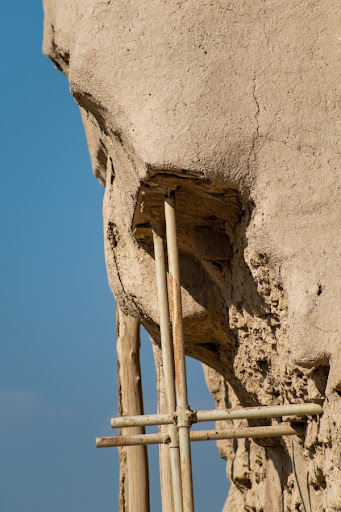
ساکنین سیلک برای محافظت خود از گرما و سرما در اتاق‌های کوچکی که با شاخ و برگ درختان می‌ساختند به سر می‌بردند و بعدها خانه‌های گِلین نیز بنا نهادند و تحقیقاتی که در محل مزبور انجام گرفته‌است نشان می‌دهد که مردم فلات ایران به امر کشاورزی پرداختند و حیوانات اهلی را نیز پرورش دادند. در خرابه‌های سیلک بقایای استخوان گاو و گوسفند شاهد بارزی بر توجه مردم آنجا به تربیت این‌گونه حیوانات است. در این محل ظروف سفالین قرمز رنگی نیز پیدا کرده‌اند که از لحاظ صنعت نسبت به ظروف پیش تا حدی کامل‌تر به نظر می‌آید و معلوم می‌شود که آن‌ها را در کوره‌های ابتدایی می‌ساختند. چون در همین محل مقداری دوک‌های سنگی و گِلین به دست آورده‌اند تصور می‌رود که مردم آن زمان با صنعتنساجی آشنایی داشته‌اند. در پایان عهد حجر پسین مردم این سامان آلات و ابزار خود را با مس می‌ساختند و کم‌کم این‌گونه ادوات جای ابزار سنگی را که تا آن زمان متداول بود گرفت و به تدریج کنده‌کاری بر استخوان نیز معمول شد و مردان و زنان به زینت‌آلات توجه خاصی نشان دادند و مردگان را در محل سکونت خویش به خاک سپردند.»[۴] «در هزاره چهارم پیش از میلاد مردم دشت‌نشین فلات ایران در کار زندگی پیشرفت بیشتری کردند و این پیشرفت در توسعه محل سکونت و توجه به تزیین منازل آن‌ها به خوبی دیده می‌شود، در قریه سیلک نموداری از آن وجود دارد، ساکنین این محل اتاق‌های خود را با اکسیدآهن و مواد دیگر نقاشی می‌کردند و ظروف سفالین ظریف می‌ساختند و تصویر پرندگان و حیوانات وحشی را بر روی آن‌ها با رنگ سیاه منقوش می‌کردند و به تدریج این ظروف شفاف‌تر و شکل آن‌ها منظم‌تر شد، از این‌جا می‌توان حدس زد که مردم آن ناحیه جهت انجام این عمل به اختراع چرخ نائل شده بودن، چرخ آن‌ها تخته باریکی بوده‌است که بر زمین می‌گذاشته‌اند و آن را با دست می‌چرخاندند و به این ترتیب به ظروف خود شکل زیباتری می‌دادند. تاکنون شبیه این‌گونه ظروف در هیچ‌یک از کشورهای آن دوران به دست نیامده است. چنین می‌توان نتیجه گرفت که ایرانیان در این صنعت سرآمد اقوام دیگر بودند و شاید اختراع مزبور ویژه آن‌ها باشد. با آن‌که سنگ در ساختن آلات و ادوات در این عهد به کار می‌رفت فلز نیز بیش از دوره پیش وارد صنعت گردید، مس را با چکش صاف می‌کردند، اما طرز ذوب کردن فلزات را نمی‌دانستند و با مس سنجاق و ظروف ظریف می‌ساختند. چون استخوان‌های نوعی اسب و سگ به دست آمده‌است این توهم حاصل می‌شود که مردم آن دوره از این‌گونه حیوانات در حمل و نقل استفاده می‌کردند و مسلماً توسعه کشاورزی مدیون همین امر بوده‌است.
saeed choganbaz

saeed choganbaz

See more posts
See more posts