hazdeh Garden means the Garden of the Prince and is located around 6 km from Mahan in Kerman. Kerman is the capital city of Mahan district that is located in kerman province. Two of the most popular places in Mahan are the Shazdeh Garden and the tomb of Sufi leader Shah Ne’emat Ollah-e-Vali. Shah Nur-eddin Nematollah Vali, a poet, Sufi, sage and the father of dervish order lies in a tomb that is covered with turquoise colored tiles in its minarets [1]. The tomb alone was constructed by Ahmad Shah Kani, whereas the rest of the building was built during the various reigns of Shah Abbas I, Mohammad Shah Qajar and Nasser-al-Din Shah. Shah Nematallah Vali had spent most of his lifetime in central Asia learning and perfecting arts of spirituality. He then chose to spend the last 25 years of his life in Mahan that is located around twenty miles from the Kerman Province. He established a Darvish order that still exists and is utilized in the art of spirituality at a great extent till the day he passed away in the year 1431. The dome shaped burial vault at Mahan was built by Ahmad Shah Bahmani, and one of Shah Nematallah’s disciples and was completed in 1437 [1].
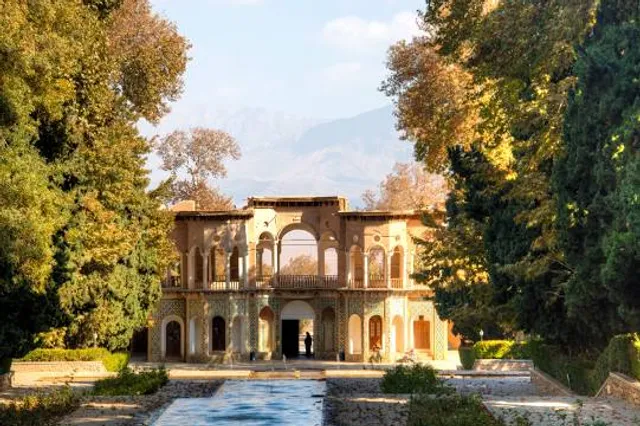
The garden was constructed in the 1900s in a very traditional manner and contained terraced pools. It has been said that upon the news of the Governor’s demise, the builders had stopped their work and therefore, bits of the entrance gate is still unfinished. The location of the garden was a thought out decision as it was placed midway between Kerman and Bam Citadel [2]. Apart from the residential area at the upper end, the garden also consisted of a two storey building at the lower end in which the second floor was utilized as living areas and a place for welcoming visitors. There are also smaller utility rooms that have been placed along the garden’s sides. Some of these rooms have side entrances which are connected directly to the garden [1]. The Shazdeh garden consists of water fountains that flow to the lower end from the upper end of the garden. The fountains are not just aesthetically pleasing but have also been cleverly constructed in a manner that utilizes the gravity to help the water flow. The use of the natural environment to aid the design is a typical element of Persian gardens [3]. Furthermore, the Shazdeh garden is filled with pine, cedar, elm and other trees that contrast with the dry climate of Iran. The height of the garden is around 20 m with a length of 207 m and inclination of 6.4%. The natural slope has led to the garden dividing it into the upper and lower end. The water from the Qanat starts from the upper end and irrigates all the plantations as it flows downwards on both the upper and the lower end of the garden, there is a pool whose function is to collect the residual water. In total, there are eight levels of the path that the water flows through [4].
The Shazdeh Garden is spread over 5.5 hectares, with a boundary wall and is in the shape of a rectangle. The upper end of the garden consists of two residential complexes whereas the lower end is the entrance gate. The space between the lower and upper end is decorated with the use of water fountains that follow the natural inclination of the ground. The garden of Shazdeh is considered to be one of the prime examples of Persian gardens that take advantage of the natural climate to enhance its designs. The Shazdeh Garden was originally constructed for Mohammad Hasan Khan Qajar Sardari Iravani ca.1850, and 20 years later it was given to Abdolhamid Mirza Naserodollehand, the governor of the Qajar dynasty. However, the building was unfinished following the demise of Abdolhamid Mirza in...
Read moreThe garden is just a 30-minute drive from Kerman so it's well worth taking the time to come and have a look around. It has the perfect mix between cultural and natural heritage and, for many, the green landscape is a relief after days in the desert. It's certainly a surprise for many people who aren't expecting something so lush in this region! The greenery is not the only impressive feature of the Shazdeh Mahan garden, with its architecture and gorgeous pavilion also highlights. The garden was designed to have different levels, and you'll find the pavilion on the highest levels overlooking the layout below. The tiered construction also helps with irrigation of the entire space, as water flows like a waterfall from the highest to the lower step. Impressively, the pavilion even has a pool and five fountains. Perhaps it's not what you would expect to find in such a dry part of the country, but the Shazdeh Mahan garden is a magnificent oasis of green trees and bushes right in the heart of the desert. Its name means 'the prince's garden' and it was ordered to be built by the ruler of Kerman during the Qajar dynasty. The garden is so significant, it's one of the national monuments of Iran that has been added to the UNESCO World Heritage...
Read moreبا سلام و عرض ادب باغ شاهزاده ماهان یا باغ شازده ماهان یکی از باغهای تاریخی ایران بهشمار میرود. این باغ در حدود ۲ کیلومتری شهر ماهان و در نزدیکی شهر کرمان و در دامنه کوههای تیگران جای گرفته و مربوط به پایان دوره قاجاریه است. این باغ در مختصات جغرافیایی ۳۰ درجه و ۱ دقیقه عرض شمالی و ۵۷ درجه و ۱۷ دقیقه طول شرقی قرار گرفته و بلندای آن از سطح دریای آزاد ۲۰۲۰ متر است. این اثر در تاریخ ۱۴ آبان ۱۳۵۳ با شمارهٔ ثبت ۱۰۱۲ بهعنوان یکی از آثار ملی ایران به ثبت رسیدهاست و در سال ۲۰۱۱ در نشست سی و پنجم میراث جهانی یونسکو به همراه هشت باغ ایرانی دیگر در فهرست میراث جهانی یونسکو به ثبت جهانی رسید. مکان ایران ایران، استان کرمان معیار ثبت فرهنگی: (i)(ii)(iii)(iv)(vi) شمارهٔ ثبت ۱۳۷۲ تاریخ ثبت ۲۰۱۱ (طی نشست سیوپنجم) اطلاعات ثبت ملی شماره ثبت ملی ۱۰۱۲ تاریخ ثبت ملی ۱۴ آبان ۱۳۵۳ این باغ از نمونه باغ تختهای ایرانی است و در زمینی مستطیلی شکل به مساحت پنج و نیم هکتار بنا شده و دارای سردر ورودی بسیار زیبایی است. بناهای باغ عبارتند از کوشک اصلی یعنی سکونتگاه دائمی یا فصلی مالک که در انتهای سربالایی باغ قرار دارد. سردر خانه در ورودی باغ به صورت بنایی خطی جبهه ورودی باغ را اشغال کرده و در دو طبقه بنا گردیدهاست. طبقه بالای این سردر دارای اتاقهایی است که برای زندگی و پذیرایی پیشبینی شدهاند. سایر بناهای خدماتی باغ از حصار اصلی استفاده نموده و به صورت دیواری مرکب بناهای مختلف خدماتی را در نقاط مناسب در خود جا دادهاست. این باغ علاوه بر سردر، شامل عمارت شاهنشین و حمام نیز میباشد. در حال حاضر قسمت شاهنشین، به یک رستوران تبدیل شده و توسط بخش خصوصی اداره میشود. این باغ مساحتی نزدیک به ۳/۵ هکتار دارد. دو مجموعه شرقی و غربی دارد. کوشک یا همان عمارتهای آن بسیار زیباست و به صورت دو اشکوب ساخته شدهاست و سر در آن از معماری زیبایی برخوردار است که آن را از سایر باغهای ایرانی برجسته میسازد. در باغ فوارهها یا آبفشانهایی نیز وجود دارد که در درازنای باغ قرار دارند و از زیباترین فوارههای باغهای ایرانی هستند. فوارههای باغ شاهزاده بر پایه نیروی اختلاف ارتفاع کارکرد دارند. درازای باغ شاهزاده کرمان ۴۰۷ متر و پهنای آن ۱۲۲ متر است، و از این رو بزرگترین و زیباترین باغ تاریخی ایرانی محسوب میشود[نیازمند منبع]. این باغ در بیشتر سال و به ویژه در فصل تابستان و بهار بازدیدکنندگان پرشماری دارد.جای گرفتن در جاده گذری کرمان به بم و در مسیر جاده کهن ابریشم از عواملی است که این محل را برای احداث یک باغ اشرافی مناسب ساختهاست. باغ شاهزاده به گونهای ساخته شده بیشینه دید را از چشماندازهای درونی را بسان زیر فراهم میسازد: هنگام ورود، به ویژه در طبقه بالایی سردر خانه بجز نماها و چشماندازهای بیرونی باغ، چشمانداز چهارباغ و در جهت وارون بر آن و چشمانداز کوه را ممکن میسازد. این چشماندازهای دیدنی یعنی دیدن جوش و خروش آب، حوضچهها و آبشارها هر کدام به نوبه خود تأکیدی بر محورهای عمود بر محور اصلی دارند و همراه با با آرایش گیاهی چشماندازهای درونی بیمانندی را به دست میدهند. در این باغ درختان میوه گوناگونی به چشم میخورند و در جلوی عمارت هم حوضها و فوارهها آبنمای زیبایی را تشکیل دادهاند. آب باغ از رودخانه کوچک تیگران فراهم میشود. مسعودی بنای این باغ را از جنبههای مختلف معماری و نقش آب در آن...
Read more







