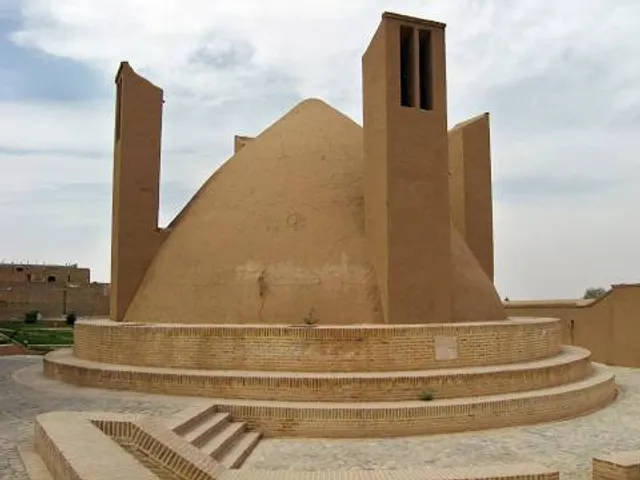
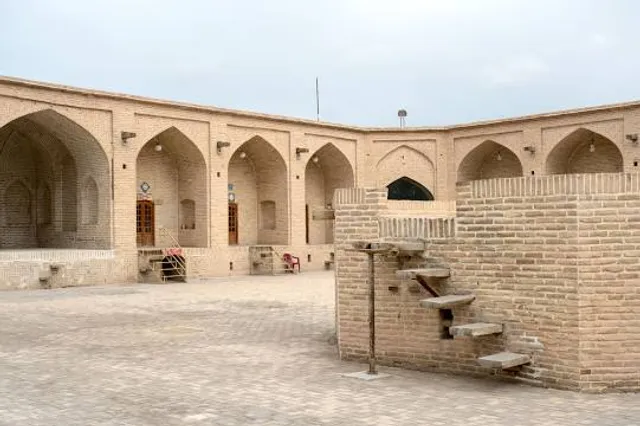
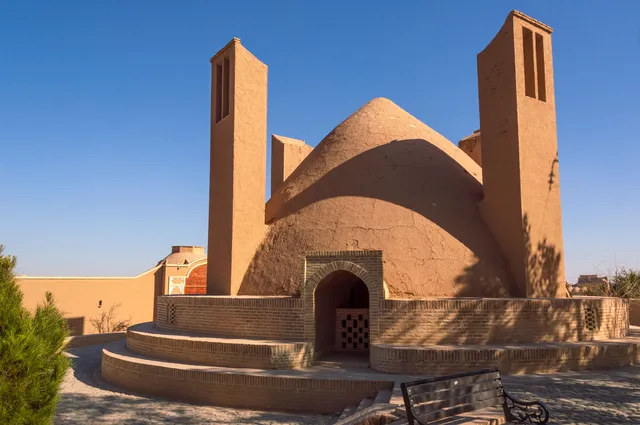
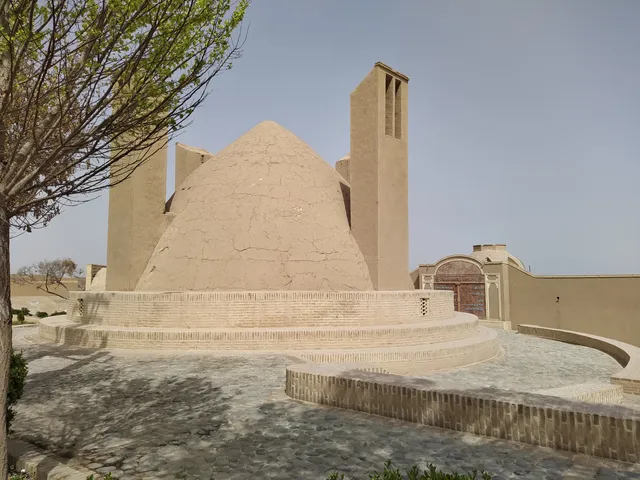
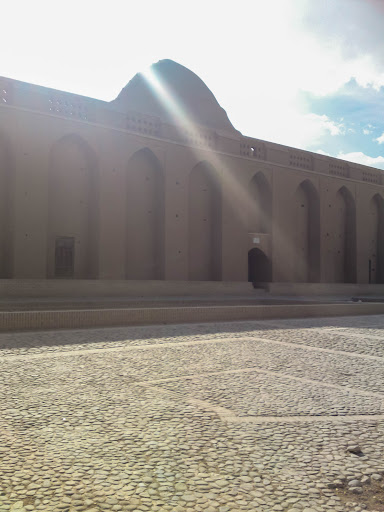
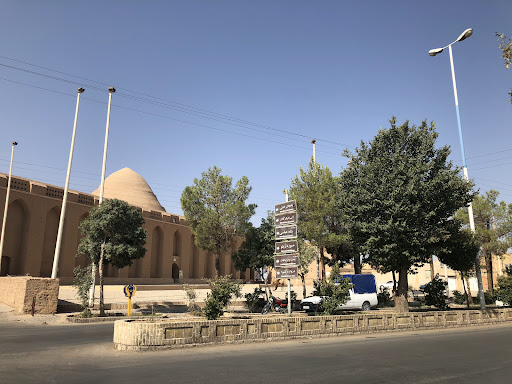
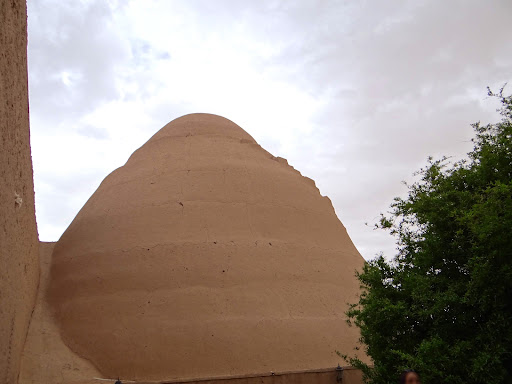
Among the oldest and most ancient ice houses in Yazd Province, the Meybod ice house stands out as one of the largest adobe ice houses in the country. It is located near the water reservoir, the Chapar Khaneh caravanserai, and the Shah Abbasi Rabat. Historically, ice houses were utilized for a variety of purposes, and in Iran, they were constructed to preserve ice during the hot summer months. A small door on the southern side of the structure was used to extract ice during the summer. In the past, some ice houses were built exclusively for the wealthy, while others, like the Meybod ice house, were constructed by philanthropists and donated to the community, allowing everyone to benefit from them during the summer heat. If you plan to visit Yazd, known as the city of windcatchers, be sure to include a visit to this ancient ice house in your itinerary. For a more enjoyable trip, consider using tourist packages for an exciting and cost-effective experience. It is advisable to plan your visit during spring or autumn, as these seasons offer more pleasant weather. However, the interior of the ice house maintains a pleasant atmosphere, making a summer visit enjoyable as well. The Meybod ice house is classified as a cultural heritage site, and visitors can enjoy its beautiful Iranian architecture with a minimal entry fee. Foreign visitors pay a slightly higher fee. The site is open daily from 09:00 AM to 05:00 PM. To reach Meybod, you can use various modes of public transportation such as trains, buses, or taxis. If traveling from Tehran, Kerman, or Bandar Abbas by train, note that trains stop at Meybod. Direct bus tickets from Tehran to Meybod are also available. For air travel, book a ticket to Yazd and then take a taxi to Meybod. Keep in mind that Yazd does not have a metro system, so you will need to rely on taxis or buses for local...
Read moreIran's ice homes, such as the one in Meybod, are impressive examples of past civilizations' architectural talent. These constructions, generally made of mud bricks, were built to harvest and store ice, a valuable resource in hot, dry conditions.
While the actual origins of these ice homes remain unknown, it is obvious that they were built long before modern refrigeration. While historical records and poetry from the pre-Safavid period regularly mention ice, they give little information regarding its manufacturing or storage. The absence of substantial evidence makes it impossible to determine the precise date of the Meybod ice house's construction, while it is thought to date back to at least the Safavid era or earlier.
The Meybod ice house is a complicated building that includes several essential components:
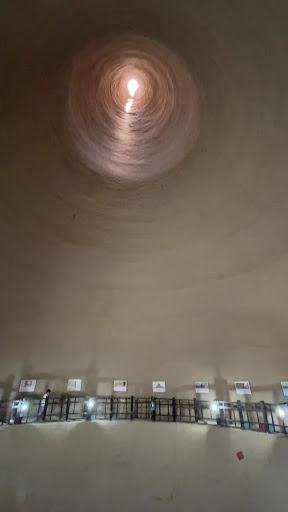
Ice Pond: A small, clay-lined pond where water was gathered and frozen during cold winter nights. Shading Walls: High walls on the pond's southern, western, and eastern sides provide a deep, chilly shade, helping the freezing process. Ice Storage: The obtained ice was then placed in an underground chamber protected by a large, domed construction. The dome's massive walls and insulating characteristics helped to keep the temperature low, allowing the ice to last for months.
The Meybod Ice House is an engineering marvel that takes use of the desert climate's natural cooling effects. The thick walls and domed roof produced thermal mass, which helped to manage the temperature within the building. After harvesting, the ice was carefully put into the storage chamber and coated with insulation materials. This clever method allowed people to enjoy ice-cold drinks and snacks even in the sweltering summer heat.
In recognition of its historical significance, the Meybod Ice House was named a national...
Read moreOne of the olddest and biggest ice houses in Iran. Being used to storage ice during winter time and use it in summer in past in desert.
Ice and Ice Houses in Iran – Persian Ice House In ancient times, Iranians used to build structures known as Ice Houses. What for? Well, to a modern person, it could sound weird. But ice used to be a valuable luxury in the past, especially in the desert. So, they built these lovely structures to produce ice in winter and store it until summer. Plus, ice houses made water supplies available for other seasons of the year, as well as for water shortages and possible droughts. As precious architectural treasures that are important in terms of design and materials, ice houses are also historically significant.
As a luxury that only the rich could afford, ice was also a blessing for ice house workers. The value of ice was so much that the Ice House workers received some free ice instead of their wages or in addition to their wages. Plus, the economic value of ice made Ice House owners wealthy. Even, according to some historians, it was the wealthy people who built Ice Houses. The presence of aristocratic mansions next to some Ice Houses supports this theory.
Of course, the ice produced in the Ice Houses was not of the same quality. First-class crystal ice was used for cooling drinks, medium-sized ice was used to keep the food cold, and low-grade ice was used for making ice cream. Another type of ice, ornamental ice, cost a fortune. These red crystal ices were made using...
Read more