Masuleh About this soundpronunciation (help·info) (Persian: ماسوله, also Romanized as Māsūleh, Masoleh and Masouleh is a village in the Sardar-e Jangal District, in Fuman County, Gilan Province, Iran. At the 2006 census, its population was 554 individuals from 180 families.
Historical names for the city include Māsalar and Khortāb. It was founded in the 10th century AD.
Masuleh is approximately 60 km southwest of Rasht and 32 km west of Fuman. The village is 1,050 meters above sea level in the Alborz (or Elburz) mountain range, near the southern coast of the Caspian Sea. The village itself has a difference in elevation of 100 meters.
Although it has been written that the community was established around 10 AD, the province of Gilan has a long history. The first village of Masuleh was established around 1006 AD, 6 km northwest of the current city, and it is called Old-Masuleh (Kohneh Masuleh in Persian). People moved from Old-Masuleh to the current city because of pestilence and attacks from neighbouring communities.
Masouheh-Rood-Khan is the river passing through the city, with a waterfall located just 200 meters away from the village. It's cut-off by snow during the winter months. Fog is the predominant weather feature of Masuleh.
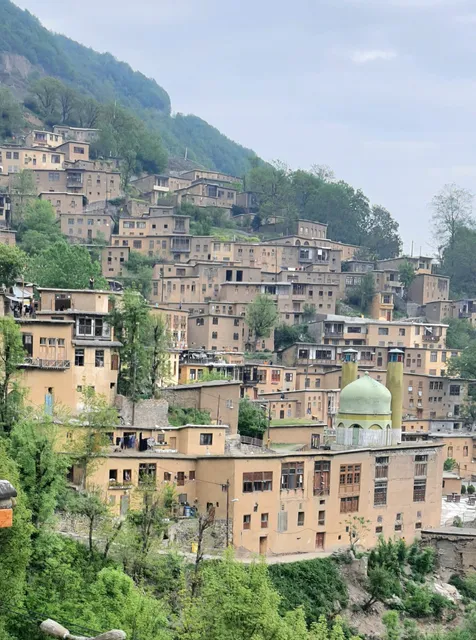
Masuleh architecture is unique. The buildings have been built into the mountain and are interconnected. Courtyards and roofs both serve as pedestrian areas similar to streets. Masuleh does not allow any motor vehicles to enter, due to its unique layout. It is the only city in Iran with such a prohibition. However, the small streets and many stairs simply wouldn't make it possible for vehicles to enter.
The spectacular architecture of Masuleh is popularly known as "The yard of the building above is the roof of the building below".
Yellow clay coats the exterior of most buildings in Masuleh. This allows for better visibility in the fog.
Buildings are mostly two stories (1st floor and 'ground' floor) made of adobe, rods and bole. A small living room, big guest room, winter room, hall, WC and balcony are usually found in 1st floor. A cold closet, barn and stable are located on the floor below, which are connected to the upper floor by several narrow steps inside the building.
There are four main local communities at the city named: "Maza-var" (meaning beside the Mosque) at the south, "Khana-var" (beside homes) at the East, "Kasha-sar" (stretched on top) at the North, and, "Assa-mahala" (Assad community) at the West. Apparently, down town is the Market (Bazaar) area and also the main mosque of the city, named "O-ne-ben-ne Ali" (Awn Ibn Mohammad Ibn Ali Ibn. Abi Taleb)...
Read moreMore than a thousand meters above sea level on the slopes of the Alborz mountain range in Gilan, northern Iran, a remarkable village dating back to 1006 AD bustles with life. The unique ochre-brown structures of Masuleh follow the slope of the mountain that the village nestles on—or rather, grows from—giving the village its most unusual quality: the roofs of many of the houses connect directly to, or even form a part of, the street serving the houses above. Here, nature, architecture, and the community flourish together. This is a village built not by trained architects, but by the inhabitants themselves. Like all vernacular architecture, it is clever in its sensitivity towards the environment, climate, materials, and local needs and traditions. Houses built out of a combination of wood, adobe, and stone stand resolutely on a 60-degree incline. With natural rock at the foundation, and a sturdy “koh deevar” or “mountain wall” supported by the mountain slope at the back of each structure, the stepped village is built to be earthquake resistant. Most extraordinary of all, however, is Masuleh’s ingenious use of public space: with no marked boundaries, all rooftops double as courtyards, gardens and public thoroughfares for the inhabitants on the level above. Meandering stairways, narrow alleys and paths link one terrace to the other, and the village rises as one massive interconnected, multi-leveled public space shared by the whole community. Each narrow staircase in the village is equipped with a ramp as well, but only to accommodate the wheelbarrows that the locals use for transporting goods; due to its unique spatial layout, Masuleh is the only settlement in Iran where automobiles are strictly prohibited and pedestrians...
Read moreMasuleh Tourism Village, located in the Gilan Province of Iran, is a picturesque and historic destination that captivates visitors with its unique architecture, stunning natural scenery, and rich cultural heritage. Nestled in the Alborz Mountains, Masuleh offers a perfect blend of history, culture, and nature, making it a must-visit location for travelers.
Unique Architecture One of the most striking features of Masuleh is its unique terraced architecture. The village is built on a steep hillside, with the roof of one house serving as the courtyard for the house above. This ingenious design not only maximizes space but also creates a visually stunning landscape. The narrow, winding streets are car-free, adding to the village’s charm and ensuring a peaceful, pedestrian-friendly environment.
Scenic Beauty Masuleh is surrounded by lush forests, flowing rivers, and the majestic Alborz Mountains, offering breathtaking views at every turn. The village’s elevated position provides panoramic vistas of the surrounding natural beauty, making it an ideal spot for nature lovers and photographers. The changing seasons bring different hues and moods to Masuleh, from the vibrant greens of spring and summer to the golden shades of autumn and the serene snowscapes of winter.
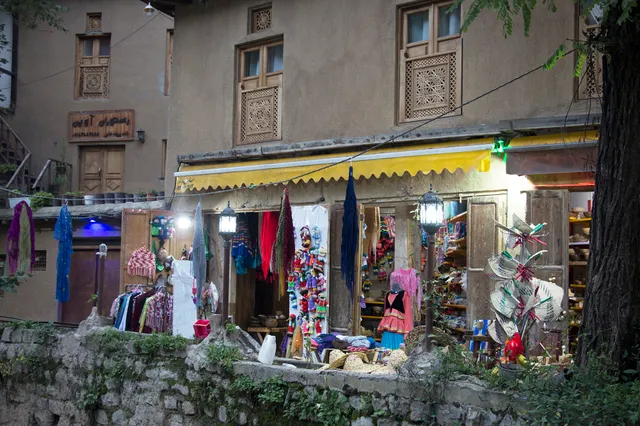
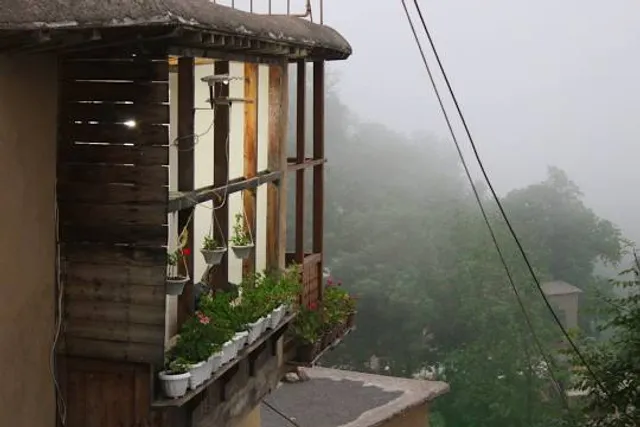
Cultural Heritage Masuleh is rich in history and culture, with roots dating back over a thousand years. The village’s traditional houses, many adorned with beautiful wooden balconies and intricate latticework, reflect the architectural styles of bygone eras. Local artisans continue to practice traditional crafts, and visitors can find handmade souvenirs, including pottery, textiles, and carpets, in the village’s...
Read more