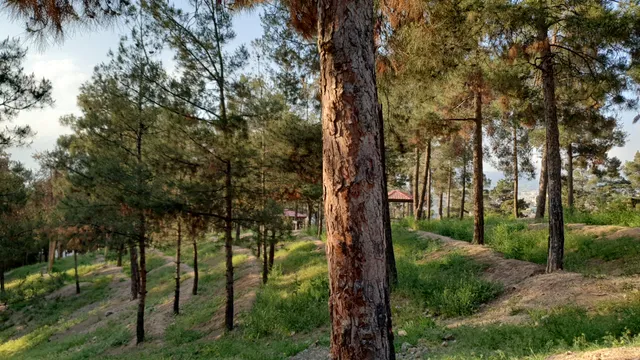
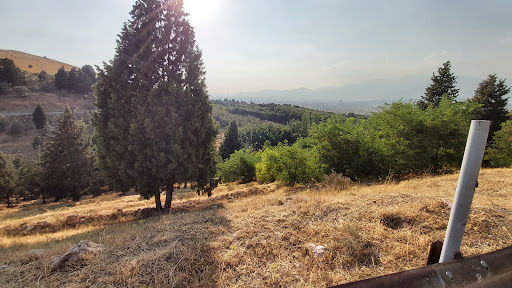
Nestled in eastern Tehran at the foothills of the Alborz mountain range, Sorkhe Hesar National Park stands as one of the city’s largest and most ecologically significant green spaces. Spanning over 1,200 hectares, this expansive park serves as a vital lung for the bustling metropolis, offering a serene escape from urban life and a refuge for biodiversity.
Renowned for its rugged terrain and sweeping vistas, the park blends semi-arid landscapes with mountainous trails, creating a haven for outdoor enthusiasts. Hikers and nature lovers can explore its network of paths, which wind through valleys and hills, revealing seasonal blooms in spring and vibrant autumn foliage. The park’s elevation and proximity to the Alborz provide cooler temperatures, making it a popular retreat during Tehran’s hot summers.
As a protected wildlife refuge, Sorkhe Hesar is home to native species such as Persian fallow deer, foxes, and a variety of birdlife, including partridges and migratory birds that pause here during their journeys. This ecological richness has made the park a focal point for conservation efforts and environmental education, with initiatives aimed at preserving Tehran’s natural heritage.
Visitors can enjoy picnicking in designated areas, birdwatching, or simply soaking in the tranquility of its unspoiled environment. Unlike Tehran’s more manicured parks, Sorkhe Hesar retains a wild, untouched charm, attracting those seeking solitude or adventure. Its role in combating air pollution and fostering biodiversity underscores its importance to the city’s ecological health.
Whether for a brisk hike, a family outing, or a moment of quiet reflection, Sorkhe Hesar National Park offers a unique blend of natural beauty and environmental significance, making it a must-visit destination for both locals and travelers yearning to connect with nature in Iran’s...
Read moreSorkh-e-Hesar National Park is one of the oldest protected areas in the world and dates back to the Qajar era. The park is one of the famous promenades for people who are in the east part of Tehran .
The weather is semi-arid and the temperature difference between day and night is high. The average annual maximum temperature is 18.9 degrees Celsius. Sorkheh Hesar and Khojir National Park have the same ecosystem, with the proximity of Sorkheh Hesar Park to the city of Tehran, has increased the tourist attractions of the area. The presence of natural landscapes and suitable biodiversity, as well as the high impact of this region on reducing air pollution in Tehran has doubled the importance of this national park.
Precipitation in Sorkh-e-Hesar National Park is mostly due to western and Mediterranean currents, affecting the region for about 8 months from the beginning of the autumn to mid-spring. The minimum annual precipitation in Sarakh-e Hesar National Park is 275 mm and the average annual rainfall is 450 mm.
The highest point of the Sorkh-e-Asar is Arakouh Peak with 2649 m and its lowest point is Sang Tarashan plain at a height of 1100 m above sea level.
Sorkheh-Hesar National Park along with Khojir National Park are one of the oldest protected areas in the world. This park is one of the old hunting grounds in Iran, which turned into the park about two...
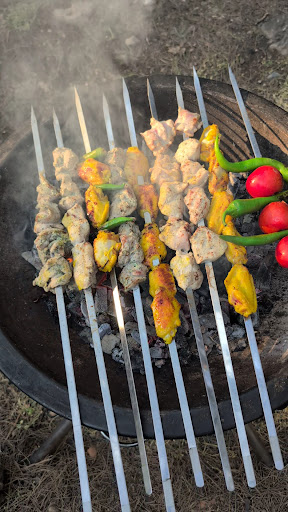
Read moreMost of people prefer to spend holidays out of their houses. Thus, national parks is suggested for picnic. One of the best Iranian national park is situated in the east side of Tehran named Sorkhe Hesar. This amazing promenade is suitable for families and children. You can access here from Yassini autobahn while driving your car. Besides, you can get here by subway, taxi lines or Bus Raid Transit easily. Opening hours are 9 to 23. However, no one can enter to park after 22 o'clock. The area is about 10,000 acres. Pine trees are seen everywhere in the park. Sorkhe Hesar is located in the hillside, so there are many sharp slopes where you can hike. There is a special path for walking and cycling. Also, there is a recreational place for children named Traffic Park. Moreover, paintball, football, ping-pong, basketball and volleyball are alternatives to do here. You can camp out and use barbecues which is put all over the park. The security is in high level and you can call the police if need be. Buffets, tap water and public toilets are available. I strongly recommend you to keep clean the natural resources when...
Read more