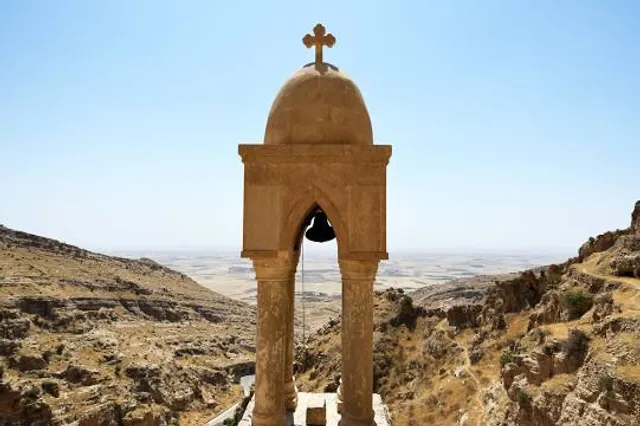
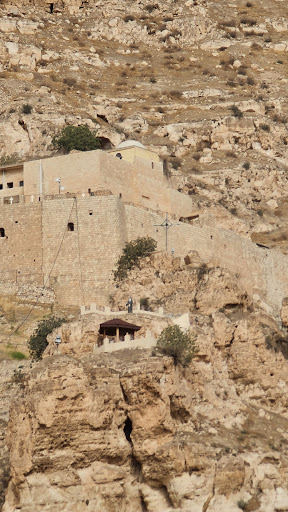
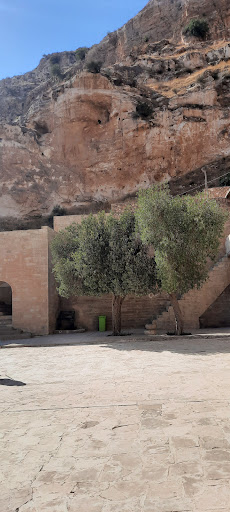
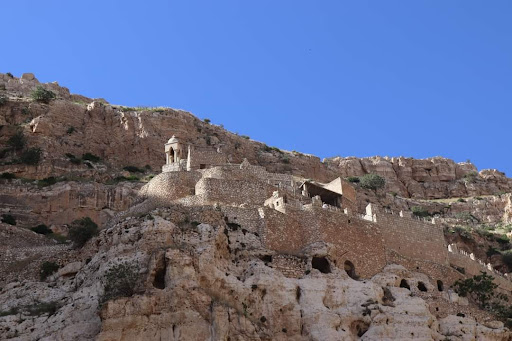
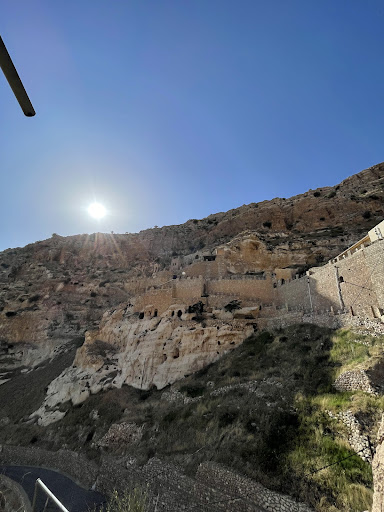
Rabban Hormizd Monastery, established in 640 AD, is a significant Christian monastic site located near Alqosh in northern Iraq. Carved into the mountains approximately 2 miles from Alqosh, it has been a pivotal center for the Assyrian Church of the East and later the Chaldean Catholic Church.
Historical Significance
Founded by Rabban Hormizd, a monk of the Church of the East, the monastery became a central hub for Eastern Syriac Christianity. Between the 16th and 18th centuries, it served as the official residence of the patriarchs of the Eliya line of the Church of the East. The monastery's strategic location and architectural design reflect its historical importance and the turbulent history of Christianity in Mesopotamia.
Architectural Features
The monastery is renowned for its impressive structure, carved directly into the mountainside. This design provided both spiritual seclusion and defense against potential attacks. The complex includes chapels, living quarters, and a library that once housed a rich collection of Syriac manuscripts. Notably, two black marble slabs bearing Syriac inscriptions document the monastery's history, including reconstructions after an earthquake in 1666 and subsequent renovations in the 19th and 20th centuries.
Cultural and Religious Importance
Rabban Hormizd Monastery played a central role in the transmission of Eastern Syriac literature and was a focal point in the historical interactions between the Chaldean Church and the Church of the East. Its rich history reflects the complex religious dynamics of the region.
Challenges and Preservation
Throughout its history, the monastery faced numerous challenges, including attacks and looting. In the 19th century, it suffered from regional conflicts, leading to the looting of its manuscripts. Despite these adversities, efforts have been made to preserve its cultural and religious heritage. In 1859, due to security concerns, a new monastery, Our Lady of the Seeds, was constructed nearby, and many monks relocated there.
Visiting Today
Today, Rabban Hormizd Monastery stands as a testament to the enduring legacy of Christianity in Iraq. Its historical significance and architectural grandeur continue to attract visitors and pilgrims interested in the rich tapestry of Mesopotamian...
Read more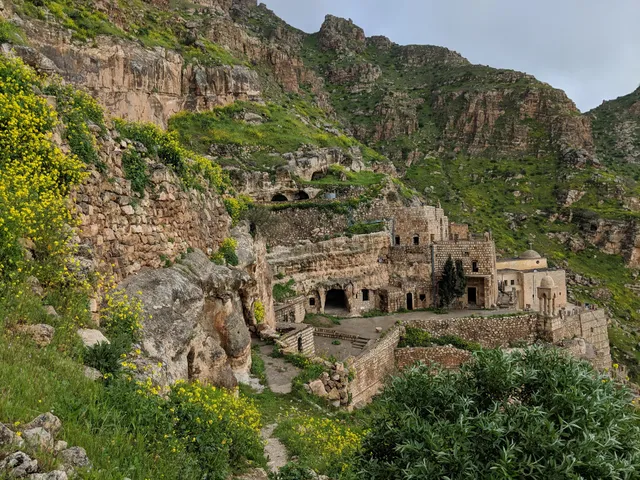
 Learn more insights from Wanderboat AI.