HTML SitemapExplore
logo
Find Things to DoFind The Best Restaurants

Halamata cave — Attraction in Duhok Central Subdistrict

Name
Halamata cave
Description
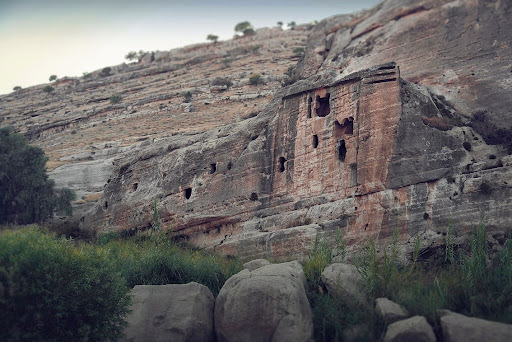
Halamata Cave is an archaeological site near Duhok in the Kurdistan Region of Iraq. The caves contain the Assyrian relief carvings known as the Maltai reliefs. The cave is located seven kilometres south-west of Dohuk, above the village of Geverke.
Nearby attractions
Nearby restaurants
Geverke Restaurant
Barzan street, Duhok, Duhok Governorate, 42000, Iraq
Nearby hotels
Related posts
Keywords
Halamata cave tourism.Halamata cave hotels.Halamata cave bed and breakfast. flights to Halamata cave.Halamata cave attractions.Halamata cave restaurants.Halamata cave travel.Halamata cave travel guide.Halamata cave travel blog.Halamata cave pictures.Halamata cave photos.Halamata cave travel tips.Halamata cave maps.Halamata cave things to do.
Halamata cave things to do, attractions, restaurants, events info and trip planning
Halamata cave
IraqDuhok GovernorateDuhok Central SubdistrictHalamata cave

Basic Info

Halamata cave

RWRV+6XG, Duhok, Duhok Governorate, Iraq
4.1(33)
Open until 12:00 AM
Save
spot

Ratings & Description

Info

Halamata Cave is an archaeological site near Duhok in the Kurdistan Region of Iraq. The caves contain the Assyrian relief carvings known as the Maltai reliefs. The cave is located seven kilometres south-west of Dohuk, above the village of Geverke.

Outdoor
Adventure
Scenic
Cultural
attractions: , restaurants: Geverke Restaurant
logoLearn more insights from Wanderboat AI.
Open hoursSee all hours
TueOpen 24 hoursOpen

Plan your stay

hotel
Pet-friendly Hotels in Duhok Central Subdistrict
Find a cozy hotel nearby and make it a full experience.

hotel
Affordable Hotels in Duhok Central Subdistrict
Find a cozy hotel nearby and make it a full experience.

hotel
The Coolest Hotels You Haven't Heard Of (Yet)
Find a cozy hotel nearby and make it a full experience.

hotel
Trending Stays Worth the Hype in Duhok Central Subdistrict
Find a cozy hotel nearby and make it a full experience.

Reviews

Nearby restaurants of Halamata cave

Geverke Restaurant
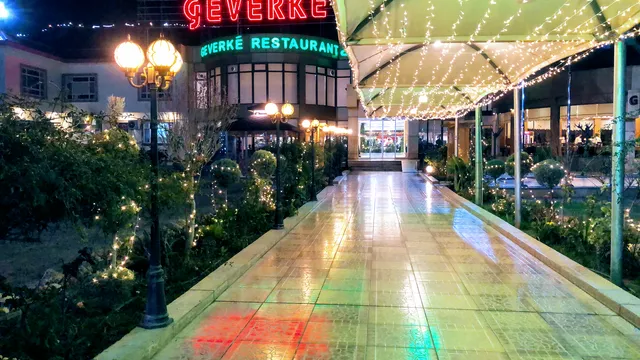
Geverke Restaurant

Geverke Restaurant

4.3

(578)

Click for details
Get the Appoverlay
Get the AppOne tap to find yournext favorite spots!
Wanderboat LogoWanderboat

Your everyday Al companion for getaway ideas

CompanyAbout Us
InformationAI Trip PlannerSitemap
SocialXInstagramTiktokLinkedin
LegalTerms of ServicePrivacy Policy

Get the app

© 2025 Wanderboat. All rights reserved.
logo

Posts

長野市Lavi ローラ長野市Lavi ローラ
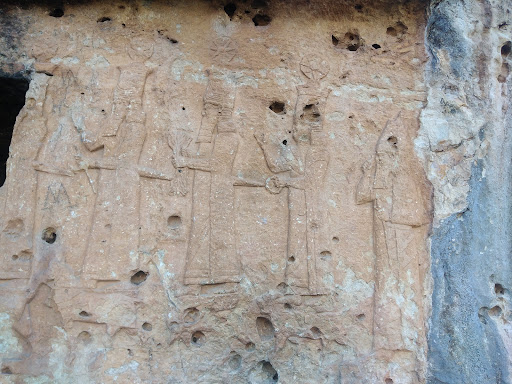
Halamata Cave is an archaeological site near Duhok in the Kurdistan Region of Iraq. The caves contain the Assyrian relief carvings known as the Maltai reliefs.The cave is located seven kilometres south-west of Dohuk, above the village of Geverke. The site is composed of "four Neo-Assyrian bas-reliefs carved into the cliff-side above the village of Malthai".The reliefs are approximately six metres long and two metres high. The reliefs all show a procession of nine figures, and were first photographed by British explorer Gertrude Bell in 1909. According to ArtStor, the reliefs "depict the Assyrian king worshipping the main divinities in the Mesopotamian pantheon" and date from 704 BC to 681 BC.[2] As with the reliefs at Khinnis, the reliefs at Halamata Cave are "associated with the northern canal system built by the Assyrian king Sennacherib (r. 704-681 BCE) to carry water to his capital city of Nineveh" source Wikipedia you must visit it اللهم صلي وسلم وبارك على نبينا محمد 🙏🏻❤️🌱
Mahdi K. MohammedMahdi K. Mohammed
This remarkable historical landscape, crafted by the Assyrians millennia ago, stands as a testament to the power and heritage of the Assyrian civilization. What captivates is the ingenious excavation methods employed in an era devoid of contemporary tools like diamonds and hard metals. Regrettably, unlike some preserved sites in the region, this landscape requires careful attention and preservation. Accessing the site poses challenges, as there's no clear path to the cave. Having a local guide is advisable, but you can also follow faint red signs leading to the landscape. Despite extensive vandalism, the site still offers a visible glimpse into the past. Though marred, it remains a worthwhile visit, offering a picturesque view of Duhok city.
Mohammed SaddamMohammed Saddam
يقع الكهف على بعد سبعة كيلومترات جنوب غرب دهوك ، فوق قرية جيفيركي. يتألف الموقع من "أربعة نقوش بارزة آشورية حديثة منحوتة في جانب الجرف فوق قرية مالتاي". يبلغ طول النقوش حوالي ستة أمتار وارتفاعها مترين. تُظهر النقوش جميعها موكبًا من تسعة شخصيات ، وقد التقط المستكشف البريطاني جيرترود بيل صورًا لأول مرة في عام 1909. وفقًا لـ ArtStor ، فإن النقوش "تصور الملك الآشوري وهو يعبد الآلهة الرئيسية في آلهة بلاد ما بين النهرين" ويعود تاريخها من 704 قبل الميلاد إلى 681 قبل الميلاد. [2] كما هو الحال مع النقوش في خينيس ، فإن النقوش في كهف هالاماتا "مرتبطة بنظام القناة الشمالية الذي بناه الملك الآشوري سنحاريب (حكم .704-681 قبل الميلاد) لنقل المياه إلى عاصمته
See more posts
See more posts
hotel
Find your stay

Pet-friendly Hotels in Duhok Central Subdistrict

Find a cozy hotel nearby and make it a full experience.

Halamata Cave is an archaeological site near Duhok in the Kurdistan Region of Iraq. The caves contain the Assyrian relief carvings known as the Maltai reliefs.The cave is located seven kilometres south-west of Dohuk, above the village of Geverke. The site is composed of "four Neo-Assyrian bas-reliefs carved into the cliff-side above the village of Malthai".The reliefs are approximately six metres long and two metres high. The reliefs all show a procession of nine figures, and were first photographed by British explorer Gertrude Bell in 1909. According to ArtStor, the reliefs "depict the Assyrian king worshipping the main divinities in the Mesopotamian pantheon" and date from 704 BC to 681 BC.[2] As with the reliefs at Khinnis, the reliefs at Halamata Cave are "associated with the northern canal system built by the Assyrian king Sennacherib (r. 704-681 BCE) to carry water to his capital city of Nineveh" source Wikipedia you must visit it اللهم صلي وسلم وبارك على نبينا محمد 🙏🏻❤️🌱
長野市Lavi ローラ

長野市Lavi ローラ

hotel
Find your stay

Affordable Hotels in Duhok Central Subdistrict

Find a cozy hotel nearby and make it a full experience.

Get the Appoverlay
Get the AppOne tap to find yournext favorite spots!
This remarkable historical landscape, crafted by the Assyrians millennia ago, stands as a testament to the power and heritage of the Assyrian civilization. What captivates is the ingenious excavation methods employed in an era devoid of contemporary tools like diamonds and hard metals. Regrettably, unlike some preserved sites in the region, this landscape requires careful attention and preservation. Accessing the site poses challenges, as there's no clear path to the cave. Having a local guide is advisable, but you can also follow faint red signs leading to the landscape. Despite extensive vandalism, the site still offers a visible glimpse into the past. Though marred, it remains a worthwhile visit, offering a picturesque view of Duhok city.
Mahdi K. Mohammed

Mahdi K. Mohammed

hotel
Find your stay

The Coolest Hotels You Haven't Heard Of (Yet)

Find a cozy hotel nearby and make it a full experience.

hotel
Find your stay

Trending Stays Worth the Hype in Duhok Central Subdistrict

Find a cozy hotel nearby and make it a full experience.

يقع الكهف على بعد سبعة كيلومترات جنوب غرب دهوك ، فوق قرية جيفيركي. يتألف الموقع من "أربعة نقوش بارزة آشورية حديثة منحوتة في جانب الجرف فوق قرية مالتاي". يبلغ طول النقوش حوالي ستة أمتار وارتفاعها مترين. تُظهر النقوش جميعها موكبًا من تسعة شخصيات ، وقد التقط المستكشف البريطاني جيرترود بيل صورًا لأول مرة في عام 1909. وفقًا لـ ArtStor ، فإن النقوش "تصور الملك الآشوري وهو يعبد الآلهة الرئيسية في آلهة بلاد ما بين النهرين" ويعود تاريخها من 704 قبل الميلاد إلى 681 قبل الميلاد. [2] كما هو الحال مع النقوش في خينيس ، فإن النقوش في كهف هالاماتا "مرتبطة بنظام القناة الشمالية الذي بناه الملك الآشوري سنحاريب (حكم .704-681 قبل الميلاد) لنقل المياه إلى عاصمته
Mohammed Saddam

Mohammed Saddam

See more posts
See more posts

Reviews of Halamata cave

4.1
(33)
avatar
3.0
3y

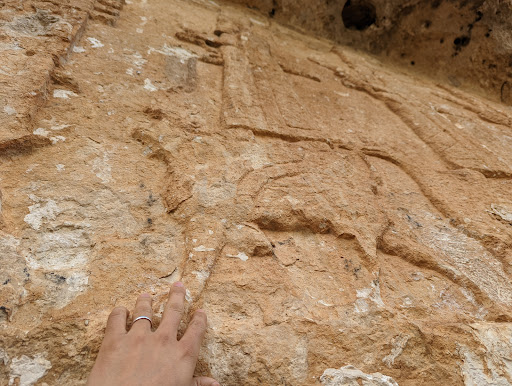
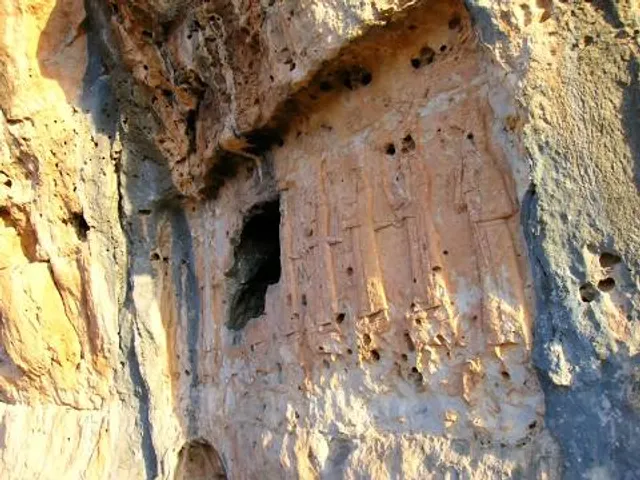
The cave is located seven kilometres south-west of Dohuk, above the village of Geverke. The site is composed of "four Neo-Assyrian bas-reliefs carved into the cliff-side above the village of Malthai".[1] The reliefs are approximately six metres long and two metres high. The reliefs all show a procession of nine figures, and were first photographed by British explorer Gertrude Bell in 1909.[1]

According to ArtStor, the reliefs "depict the Assyrian king worshipping the main divinities in the Mesopotamian pantheon" and date from 704 BC to 681 BC.[2] As with the reliefs at Khinnis, the reliefs at Halamata Cave are "associated with the northern canal system built by the Assyrian king Sennacherib (r. 704-681 BCE) to carry water to his capital city of Nineveh".[3]

The reliefs are unique because "Unlike other examples of Assyrian royal art, in which the king is represented worshipping symbols of gods, these reliefs show the king gesturing in front of anthropomorphic deities, or gods in human form."[4]

In 2016 the reliefs had to be cleaned and restored after vandals spray painted a Kurdish flag on them.[5] In February 2018, thieves removed a part of the relief carvings. "The archeological piece stolen is called Sanharib,” said Nivin Mohammed, head of legal affairs for Duhok's archeology directorate.[6] These incidents have increased in recent years, and the Kurdistan Region authorities have been criticised for not doing enough to prevent the erasure of Assyrian cultural heritage in the...

   Read more
avatar
4.0
2y

Halamata Cave is an archaeological site near Duhok in the Kurdistan Region of Iraq. The caves contain the Assyrian relief carvings known as the Maltai reliefs.The cave is located seven kilometres south-west of Dohuk, above the village of Geverke. The site is composed of "four Neo-Assyrian bas-reliefs carved into the cliff-side above the village of Malthai".The reliefs are approximately six metres long and two metres high. The reliefs all show a procession of nine figures, and were first photographed by British explorer Gertrude Bell in 1909. According to ArtStor, the reliefs "depict the Assyrian king worshipping the main divinities in the Mesopotamian pantheon" and date from 704 BC to 681 BC.[2] As with the reliefs at Khinnis, the reliefs at Halamata Cave are "associated with the northern canal system built by the Assyrian king Sennacherib (r. 704-681 BCE) to carry water to his capital city of Nineveh" source Wikipedia you must visit it

اللهم صلي وسلم وبارك على نبينا...

   Read more
avatar
3.0
2y

This remarkable historical landscape, crafted by the Assyrians millennia ago, stands as a testament to the power and heritage of the Assyrian civilization. What captivates is the ingenious excavation methods employed in an era devoid of contemporary tools like diamonds and hard metals. Regrettably, unlike some preserved sites in the region, this landscape requires careful attention and preservation.

Accessing the site poses challenges, as there's no clear path to the cave. Having a local guide is advisable, but you can also follow faint red signs leading to the landscape. Despite extensive vandalism, the site still offers a visible glimpse into the past. Though marred, it remains a worthwhile visit, offering a picturesque view...

   Read more
Page 1 of 7
Previous
Next