HTML SitemapExplore

Kilcrea Castle(Caisleán Chill Chré) — Attraction in Municipal District of Macroom

Name
Kilcrea Castle(Caisleán Chill Chré)
Description
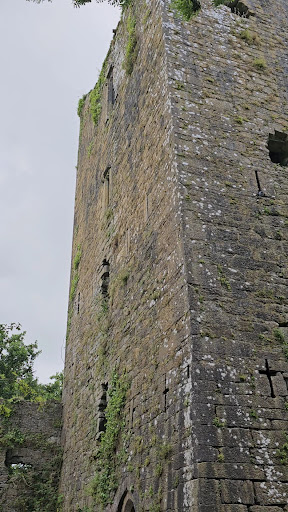
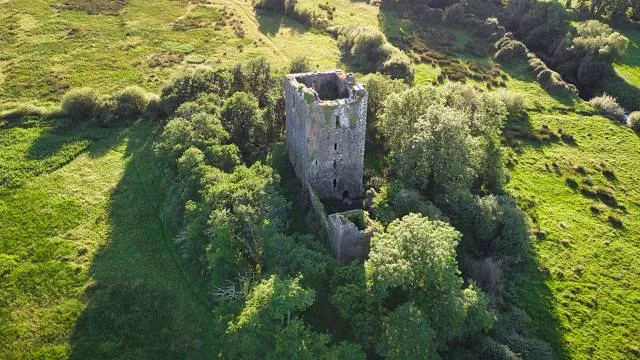
Kilcrea Castle is a ruined 15th-century towerhouse and bawn located near the Kilcrea Friary, west of Cork City, Ireland. The tower house and friary were both built by Cormac Laidir MacCarthy, 9th Lord of Muskerry.
Nearby attractions
Kilcrea Friary(Mainistir Chill Cré)
Kilcrea, Co. Cork, Ireland
Nearby restaurants
Nearby local services
Nearby hotels
Related posts
Keywords
Kilcrea Castle(Caisleán Chill Chré) tourism.Kilcrea Castle(Caisleán Chill Chré) hotels.Kilcrea Castle(Caisleán Chill Chré) bed and breakfast. flights to Kilcrea Castle(Caisleán Chill Chré).Kilcrea Castle(Caisleán Chill Chré) attractions.Kilcrea Castle(Caisleán Chill Chré) restaurants.Kilcrea Castle(Caisleán Chill Chré) local services.Kilcrea Castle(Caisleán Chill Chré) travel.Kilcrea Castle(Caisleán Chill Chré) travel guide.Kilcrea Castle(Caisleán Chill Chré) travel blog.Kilcrea Castle(Caisleán Chill Chré) pictures.Kilcrea Castle(Caisleán Chill Chré) photos.Kilcrea Castle(Caisleán Chill Chré) travel tips.Kilcrea Castle(Caisleán Chill Chré) maps.Kilcrea Castle(Caisleán Chill Chré) things to do.
Kilcrea Castle(Caisleán Chill Chré) things to do, attractions, restaurants, events info and trip planning
Kilcrea Castle(Caisleán Chill Chré)
IrelandMunicipal District of MacroomKilcrea Castle(Caisleán Chill Chré)

Basic Info

Kilcrea Castle(Caisleán Chill Chré)

Kilcrea, Co. Cork, Ireland
4.8(77)
Open until 12:00 AM
Save
spot

Ratings & Description

Info

Kilcrea Castle is a ruined 15th-century towerhouse and bawn located near the Kilcrea Friary, west of Cork City, Ireland. The tower house and friary were both built by Cormac Laidir MacCarthy, 9th Lord of Muskerry.

Cultural
Outdoor
Scenic
Off the beaten path
attractions: Kilcrea Friary(Mainistir Chill Cré), restaurants: , local businesses:

logoLearn more insights from Wanderboat AI.
Website
roaringwaterjournal.com
Open hoursSee all hours
WedOpen 24 hoursOpen

Plan your stay

hotel
Pet-friendly Hotels in Municipal District of Macroom
Find a cozy hotel nearby and make it a full experience.

hotel
Affordable Hotels in Municipal District of Macroom
Find a cozy hotel nearby and make it a full experience.

hotel
The Coolest Hotels You Haven't Heard Of (Yet)
Find a cozy hotel nearby and make it a full experience.

hotel
Trending Stays Worth the Hype in Municipal District of Macroom
Find a cozy hotel nearby and make it a full experience.

Reviews

Live events
Candlelight: Tribute to The Beatles
Sun, Feb 1 • 9:00 PM
60 College Road, Cork, T12 K5W7
View details
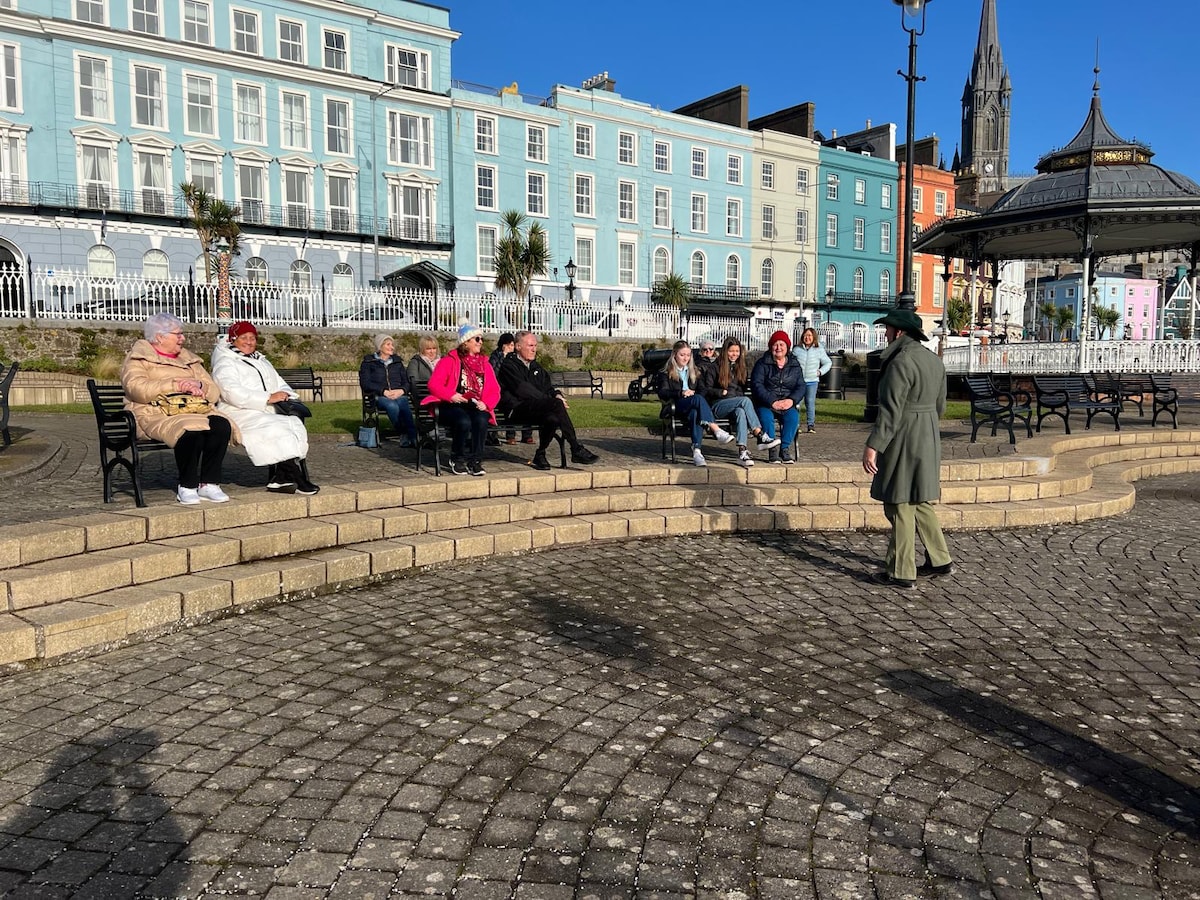
Explore Cobhs rebel history
Sat, Jan 31 • 11:00 AM
Cobh, County Cork, P24 CY67, Ireland
View details
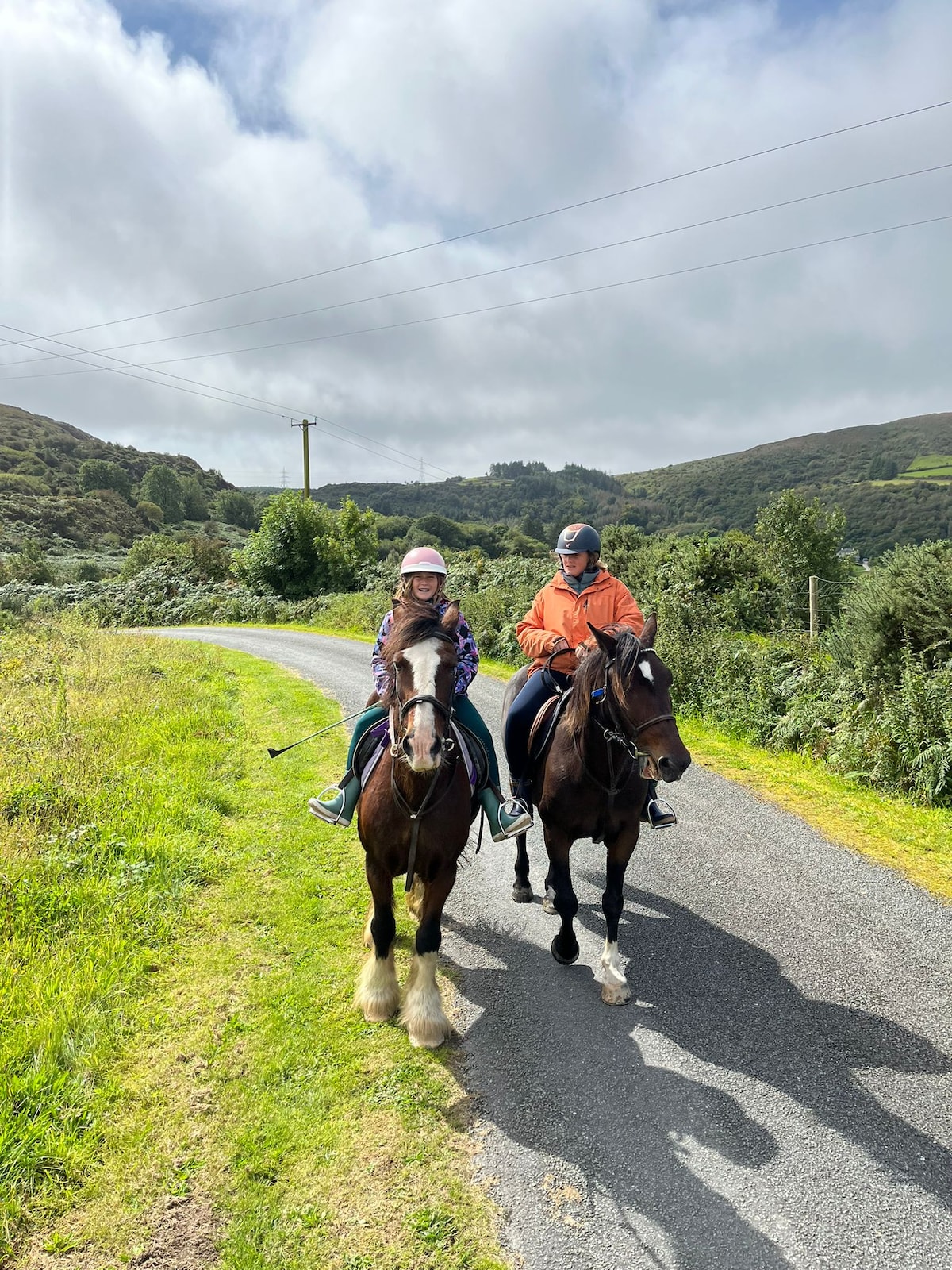
Ride through stunning scenery with a riding guide
Wed, Jan 28 • 1:00 PM
Millstreet, County Cork, P51 N66K, Ireland
View details

Nearby attractions of Kilcrea Castle(Caisleán Chill Chré)

Kilcrea Friary(Mainistir Chill Cré)
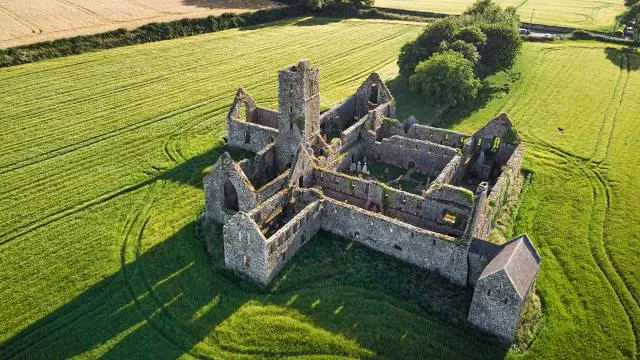
Kilcrea Friary(Mainistir Chill Cré)

Kilcrea Friary(Mainistir Chill Cré)

4.8

(75)

Open until 12:00 AM
Click for details

Get the Appoverlay
Get the AppOne tap to find yournext favorite spots!
Wanderboat LogoWanderboat

Your everyday Al companion for getaway ideas

CompanyAbout Us
InformationAI Trip PlannerSitemap
SocialXInstagramTiktokLinkedin
LegalTerms of ServicePrivacy Policy

Get the app

© 2025 Wanderboat. All rights reserved.

Reviews of Kilcrea Castle(Caisleán Chill Chré)

4.8
(77)
avatar
5.0
26w

A hauntingly beautiful relic of Gaelic lordship and medieval power in Munster

Kilcrea Castle is one of the most atmospheric and historically layered ruins in County Cork — a textbook example of a 15th-century tower house and bawn built by Cormac Láidir MacCarthy, Lord of Muskerry. Though overshadowed in popular memory by nearby Blarney Castle, Kilcrea is arguably the more authentic experience: unspoiled, remote, and rich in untold stories.

The site consists of a five-storey rectangular keep with defensive features typical of Gaelic-Irish strongholds — machicolations, mural staircases, and a flanking bawn wall, which once had two corner towers (one survives). The castle sits in a low river valley beside the River Bride, strategically placed for control over local routes, and just a short walk from Kilcrea Friary, also founded by Cormac in the same period.

What sets Kilcrea apart is its sense of continuity. Built over what may have been a Bronze Age enclosure, the castle later housed Elizabethan soldiers during the Tudor conquest and remained occupied into the 17th century. The friary nearby still serves as a burial site — including for MacCarthy himself — tying the secular and religious history of the site together in a deeply Irish way.

Access is across a field from the friary car park, with no signage or gates, which only adds to the sense of discovery. The castle is overgrown in parts, but the upper floors are still intact, and the view from the top offers a sweeping panorama of the surrounding farmland. It’s a brilliant example of late medieval Irish architecture, power politics, and Gaelic resilience.

Highly recommended for historians, photographers, and those interested in Ireland’s lesser-known monuments of independence and identity. A quiet and...

   Read more
avatar
5.0
4y

Kilcrea Castle was built together with the also ruined Franciscan Kilcrea Friary 500 meters to the east, in the mid-15th century by Cormac Laidir McCarthy, Lord of Muskerry. Cormac was killed in battle in 1494 and lies buried in the friary. Althoung Kilcrea Castle is on private farmland it can freely be visited. You just have to make a short walk over a foot path beginning at the car park in front of the friary. A great castle to visit, together with the friary. At our visit horses were around the castle. It felt like being in those ancient times. The castle has 5 levels, you can walk up on fairly good stone steps. It worth to go up, it enjoy the view. The friary is also a...

   Read more
avatar
5.0
6y

The castle is a bit hidden compared to Kilcrea Friary but still have to be seen. It is on private land so avoid the wandering cows on the fields. If you standing in front of Kilcrea Friary and turn 180 degree back, you can see the top of the living tower over the distant trees. Climb over the stone wall next to the road and walk through the (potato?) field then at the trees climb over the wooden gate and then a field again, a short walk, and you are there. Only for your responsibility, it is not a maintained building. There is another ruin in the distance if the living tower in front of you, look left. I didn't check...

   Read more
Page 1 of 7
Previous
Next

Posts

Brian ReillyBrian Reilly
A hauntingly beautiful relic of Gaelic lordship and medieval power in Munster Kilcrea Castle is one of the most atmospheric and historically layered ruins in County Cork — a textbook example of a 15th-century tower house and bawn built by Cormac Láidir MacCarthy, Lord of Muskerry. Though overshadowed in popular memory by nearby Blarney Castle, Kilcrea is arguably the more authentic experience: unspoiled, remote, and rich in untold stories. The site consists of a five-storey rectangular keep with defensive features typical of Gaelic-Irish strongholds — machicolations, mural staircases, and a flanking bawn wall, which once had two corner towers (one survives). The castle sits in a low river valley beside the River Bride, strategically placed for control over local routes, and just a short walk from Kilcrea Friary, also founded by Cormac in the same period. What sets Kilcrea apart is its sense of continuity. Built over what may have been a Bronze Age enclosure, the castle later housed Elizabethan soldiers during the Tudor conquest and remained occupied into the 17th century. The friary nearby still serves as a burial site — including for MacCarthy himself — tying the secular and religious history of the site together in a deeply Irish way. Access is across a field from the friary car park, with no signage or gates, which only adds to the sense of discovery. The castle is overgrown in parts, but the upper floors are still intact, and the view from the top offers a sweeping panorama of the surrounding farmland. It’s a brilliant example of late medieval Irish architecture, power politics, and Gaelic resilience. Highly recommended for historians, photographers, and those interested in Ireland’s lesser-known monuments of independence and identity. A quiet and powerful place.
Your browser does not support the video tag.
BooksBoozeViewsBooksBoozeViews
A+ for the DIY castle explorer experience
Renata HockRenata Hock
Kilcrea Castle was built together with the also ruined Franciscan Kilcrea Friary 500 meters to the east, in the mid-15th century by Cormac Laidir McCarthy, Lord of Muskerry. Cormac was killed in battle in 1494 and lies buried in the friary. Althoung Kilcrea Castle is on private farmland it can freely be visited. You just have to make a short walk over a foot path beginning at the car park in front of the friary. A great castle to visit, together with the friary. At our visit horses were around the castle. It felt like being in those ancient times. The castle has 5 levels, you can walk up on fairly good stone steps. It worth to go up, it enjoy the view. The friary is also a must. Enjoy😊🌄
See more posts
See more posts
hotel
Find your stay

Pet-friendly Hotels in Municipal District of Macroom

Find a cozy hotel nearby and make it a full experience.

A hauntingly beautiful relic of Gaelic lordship and medieval power in Munster Kilcrea Castle is one of the most atmospheric and historically layered ruins in County Cork — a textbook example of a 15th-century tower house and bawn built by Cormac Láidir MacCarthy, Lord of Muskerry. Though overshadowed in popular memory by nearby Blarney Castle, Kilcrea is arguably the more authentic experience: unspoiled, remote, and rich in untold stories. The site consists of a five-storey rectangular keep with defensive features typical of Gaelic-Irish strongholds — machicolations, mural staircases, and a flanking bawn wall, which once had two corner towers (one survives). The castle sits in a low river valley beside the River Bride, strategically placed for control over local routes, and just a short walk from Kilcrea Friary, also founded by Cormac in the same period. What sets Kilcrea apart is its sense of continuity. Built over what may have been a Bronze Age enclosure, the castle later housed Elizabethan soldiers during the Tudor conquest and remained occupied into the 17th century. The friary nearby still serves as a burial site — including for MacCarthy himself — tying the secular and religious history of the site together in a deeply Irish way. Access is across a field from the friary car park, with no signage or gates, which only adds to the sense of discovery. The castle is overgrown in parts, but the upper floors are still intact, and the view from the top offers a sweeping panorama of the surrounding farmland. It’s a brilliant example of late medieval Irish architecture, power politics, and Gaelic resilience. Highly recommended for historians, photographers, and those interested in Ireland’s lesser-known monuments of independence and identity. A quiet and powerful place.
Brian Reilly

Brian Reilly

hotel
Find your stay

Affordable Hotels in Municipal District of Macroom

Find a cozy hotel nearby and make it a full experience.

Get the Appoverlay
Get the AppOne tap to find yournext favorite spots!
A+ for the DIY castle explorer experience
BooksBoozeViews

BooksBoozeViews

hotel
Find your stay

The Coolest Hotels You Haven't Heard Of (Yet)

Find a cozy hotel nearby and make it a full experience.

hotel
Find your stay

Trending Stays Worth the Hype in Municipal District of Macroom

Find a cozy hotel nearby and make it a full experience.

Kilcrea Castle was built together with the also ruined Franciscan Kilcrea Friary 500 meters to the east, in the mid-15th century by Cormac Laidir McCarthy, Lord of Muskerry. Cormac was killed in battle in 1494 and lies buried in the friary. Althoung Kilcrea Castle is on private farmland it can freely be visited. You just have to make a short walk over a foot path beginning at the car park in front of the friary. A great castle to visit, together with the friary. At our visit horses were around the castle. It felt like being in those ancient times. The castle has 5 levels, you can walk up on fairly good stone steps. It worth to go up, it enjoy the view. The friary is also a must. Enjoy😊🌄
Renata Hock

Renata Hock

See more posts
See more posts