A study opportunity for anyone interested in the interplay of social science, the environment and politics. The estate was sold back in the 1970s to a developer who was persuaded to part with the mansion and several adjacent fields which were eventually transferred to State ownership.. Part of the land retained by the developer became a sizeable housing estate and part is leased to farming. Following a buy-out by another developer, access to the mansion, which had been possible from the motorway roundabout, was withdrawn. The OPW faced with loss of access sought to reinstate the roadway from Celbridge village and set up parking near to the village. Since then a protest group, which ironically operates under the banner of 'Save Castletown', has maintained a blockade at the Celbridge entrance so that work on the estate is now at a very bare minimum. The mansion has been awaiting restoration work on the windows for over a year - with scaffolding in place. Overall the estate has become increasingly unkempt and littered. For those interested in the social science aspect, the blockaders have recently put up a notice saying one year and no change. Whist it is not true that there is no change, the deterioration is evidence, it is notable that the subtext of the notice is one which seems to align with the old aphorism that 'doing the same thing again and again and expecting a different output from the last time is a sign of insanity'. For the politics interest there would seem to be parallels with the observed irrational behaviour of some electorates. I believe it would take someone with the insight and patience of a Jane Goodall to fully comprehend what...
Read moreThis is a wonderful place to visit for anyone of all ages
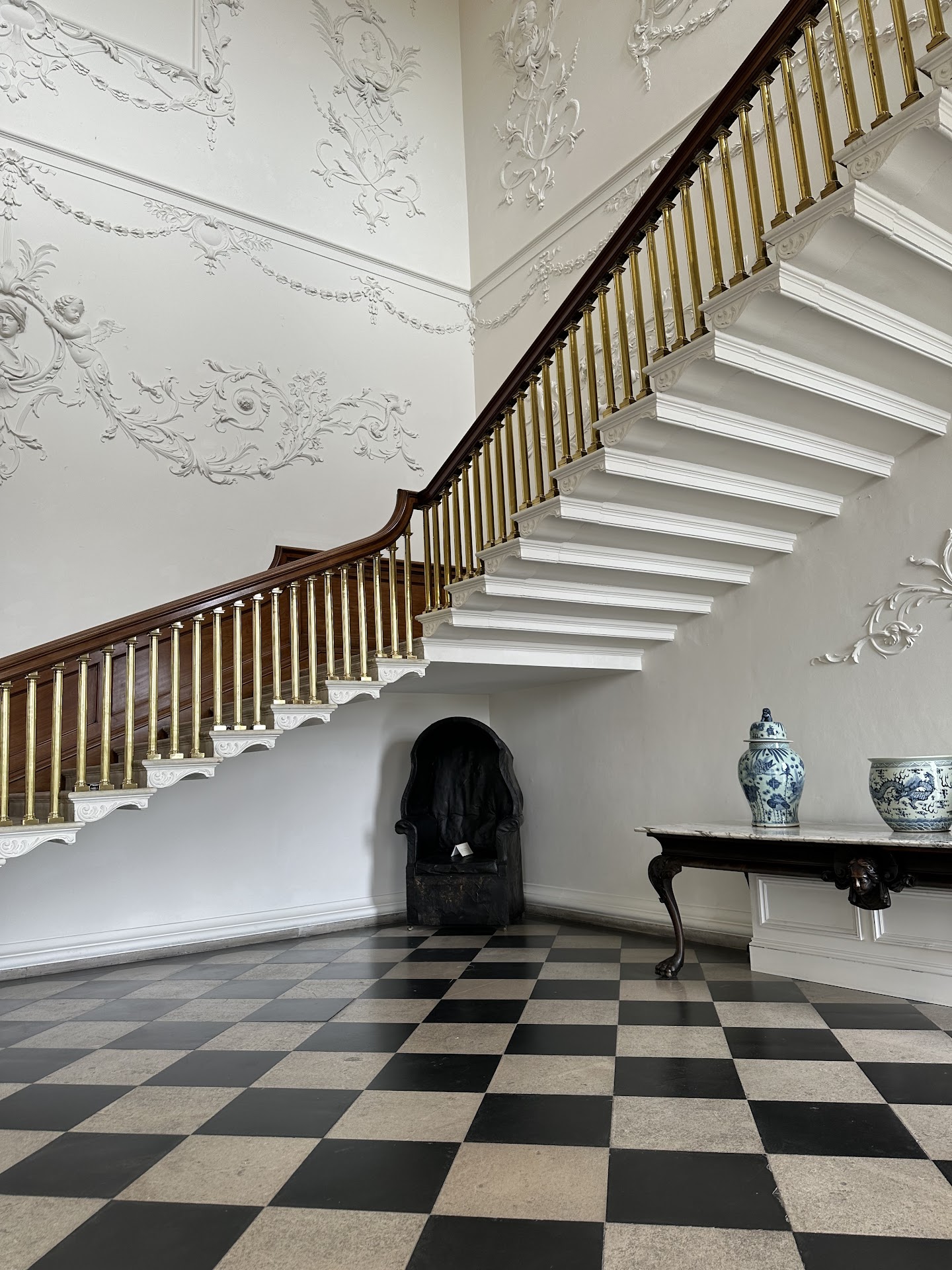
Castletown House, Celbridge, County Kildare, Ireland, is a Palladian country house built in 1722 for William Conolly, the Speaker of the Irish House of Commons. It formed the centrepiece of an 800-acre estate. Sold to developers in 1965, the estate is now divided between State and private ownership.
What is Castletown House used for?
The estate flourished under William Conolly's great-nephew Thomas and his wife, Lady Louisa, who devoted much of her life to improving her home. Today, Castletown is home to a significant collection of paintings, furnishings and objets d'art.
How many rooms are in Castletown House?
one hundred magnificent
In 1722 Speaker Conolly started building Castletown House which is Ireland's largest eighteenth century country mansion. It contains one hundred magnificent rooms with 229 windows.
How long did Castletown House take to build?
Castletown House was built between 1722 and 1729 in the Palladian style by a man named William Conolly. William was from...
Read moreWent on the first Wednesday (so was free) and at the start half heard something then at the end found out it's only a "highlights" 1/4 tour
I was looking forward to looking out and seeing Connolly's Folly (a staff member told me I would see it)
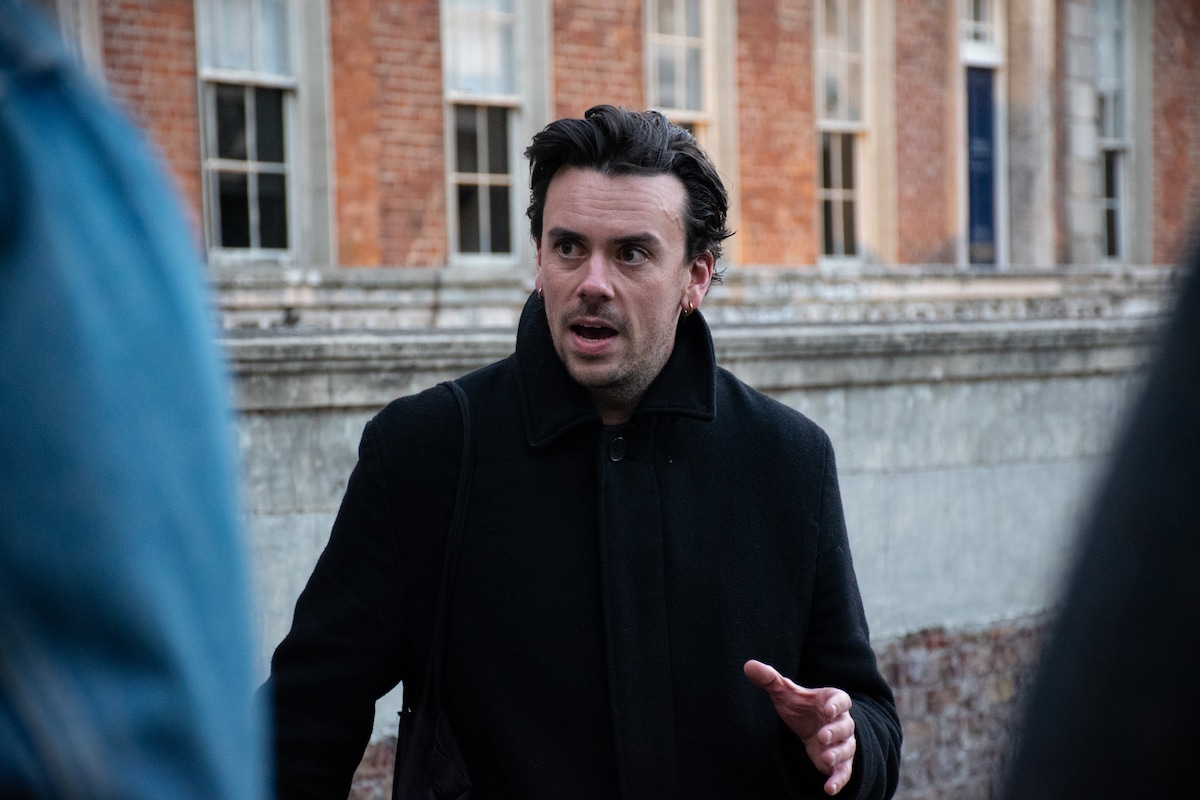
Apart from this big disappointment (should be full tour for half price or offer free limited ones). It was enjoyable (if somewhat rushed tour, checking her watch and saying need to get a move on) from a friendly guide
Also given a code to see a nice small garden loop with statues and plenty of flowers
Much as I would love to see the full tour, I wouldn't drive from Dublin to pay to see/hear a lot of the same
The woman on reception not very friendly and came across as coming from her wages
A nice building and grounds, but wouldn't drive too far to see (especially as works going on that block the front of the house)
Also not allowed to take videos on tour (plenty of videos taken inside the house can be...
Read more