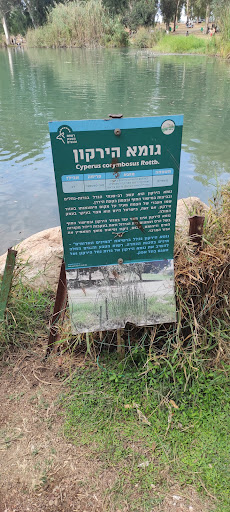
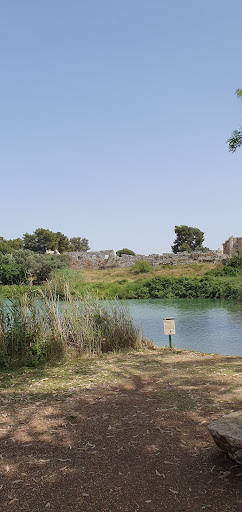
The Tel Aphek park is located within 5 min. drive from the easternmost quarters of Petach Tikva. By the way, it is probably the ugliest and the most abominable town in Israel, with nothing to see yet everything to hide. The Rosh ha Ayin area to the east is verdant and more pleasing to the eye, yet due to its chaotic, overcrowded construction it already resembles its venerable counterpart to the west, Petah Tikva. The Tel Aphek park itself is a tiny patch of green and blue in the barren, parched terrain, simmering under the relentless Israeli sun. It could be reached mostly by vehicle from HWY's # 483, 444, 5 and toll road nr. 6. The entryway to the park is woefully narrow, so please be patient and understanding. Take cash/credit card. The entry fee for an average family (parents with 2 kids) is around 90 NIS, an outrageous price for a place with little to see and ZERO organized activities for kids. The park is best enjoyed when visited during the late autumn-early winter (November- December) or in the first Spring weeks (February-March). The park is rather clean (by local standards) and well tended after by the Israel National Park Authority team, with garbage disposal bins, incl. recycling sites installed in the recreational area. Although most of the park is somewhat shaded by eucalyptus trees do not be caught off the guard, take all the necessary measures to counteract the sun (prepare caps, sunscreen lotion, sunglasses, water etc). According to the Israel National Park Authority the park is said to be adapted to the families with kids, yet the lack of any kind of entertainment or educational activities renders it unsuitable or at least misleads the visitors. Wading in the tiny, overcrowded creek flowing from the ground source through the artificial set of miniscule pools can serve a poor substitute for those seeking to actively educate/entertain their children. The creek flows down to the lake teaming with freshwater fish. The swimming/fishing in it is prohibited, due to ecological/safety considerations. Best hours to visit: early in the morning or in the afternoon (after 14:00 in the summer) as parking area is limited and the place becoming too crowded and noise ridden. The ancient Roman ruins of the Antipatros citadel to the west of the pools area, (10 min.walk) look neglected and poorly managed, with no guidance or explanations offered to the visitors (no signs, maps, aerial views etc.). If managed properly, it could have been a unique tourist attraction in the entire area. Imagine a partially restored Roman citadel, with shaded passageways, historical reenactment, wine tastings, antique marketplace, effective illumination at nights, augmented reality applications etc. It could have been a goldmine in lieu of this empty desolation standing unprotected and happless under the fierce Israeli sun. 2 thumbs down for wanting, unprofessional mismanagement of this potentially stunning historical site. A shame and disgrace for...
Read moreАрхеологический памятник Тель-Афек (Антипатри́да) находится в национальном парке Яркон. Вход в парк 28 шекелей с взрослого на октябрь 2022. Если вы часто посещаете платные национальные парки, имеет смысл приобрести «абонемент матмон». На территории парка просторная паковочная зона, зона для пикника, есть небольшой магазинчик и кафе, несколько исторических объектов, большое озеро, легкий пеший маршрут длиной в шесть километров, есть туалеты.
Теперь по порядку :-) Немного истории. Антипатри́да - это древний город, построенный Иродом Великим и названный в честь его отца Антипатра Идумеянина. Основан в 35 году до н. э. на месте библейского города Афек, название которого происходит от ивритского слова «поток». В эпоху крестоносцев здесь находилась крепость, а во времена мамлюков один из султанов построил здесь постоялый двор. Позже здесь располагалась арабская деревня Мигдаль-Цедек. Во времена Британского мандата в Тель-Афек работал водонапорный завод, начавшийся строиться в 1930-ом году и открытый в 1936-ом. который качал воду из реки Яркон в Иерусалим. Работа завода была остановлена во время войны за независимость в связи с подрывом насоса на линии снабжения недалеко от Латруна. Сейчас же здесь находится водопроводный завод Яркон — Негев.
Немного западнее завода находится та самая крепость Антипатрида. На входе в нее нас встречает турецкий солдат. Внутри крепости сохранились развалины дома правительства древних египтян (13 век до нашей эры) и развалины Ханаанского дворца (17 век до нашей эры). Здесь были найдены 11 древних писем, которые сейчас хранятся в национальном музее Израиля. В том числе было найдено каменное письмо от повелителя земли Угарит (современная северная Сирия) к египетскому повелителю Ханаана (1230 — 1240 год до нашей эры). Со стен крепости открывается живописные пейзажи на озеро. А в угловой башне крепости установлена смотровая труба, в которую видно Мигдаль-Цедек.
Пешеходные ворота на западной стороне Тель-Афек закрыты, чтобы попасть к доту надо вернуться на стоянку и поехать к другим воротам. Справа от ворот лежит отрезок железной дороги, которая редко используется по назначению и является излюбленным местом фотографов. Выходим за ворота и идем по тропинке среди живописного поля. Справа видны старые заброшенные здания. Кстати, в этом парке находится первый бетонный дом, который был построен в государстве Израиль.
Пройдя дальше по тропинке можно дойти до кувшинкового озера, уникального места. Это озеро полностью закрыто от человеческого присутствия, и является домом для многих видов водных обитателей. Некоторые из них являются эндемиками этой территории. Отсюда начинается река Яркон, которая через 28 километров впадает в Средиземное море. Пройдя мимо озера мы выходим в ворота и поворачиваем направо. Идем прямо, пока не дойдем до старого армейского дота. Этот дот использовался для охраны железнодорожного моста с 1935 до 1948 года. От дота повернем направо и пройдем под мостом. Продолжаем идти прямо, пока не дойдем до заброшенных домов.
В заключение. Очень красивое и ухоженое место для прогулок всей семьей. Подходит для инвалидов-колясочников и...
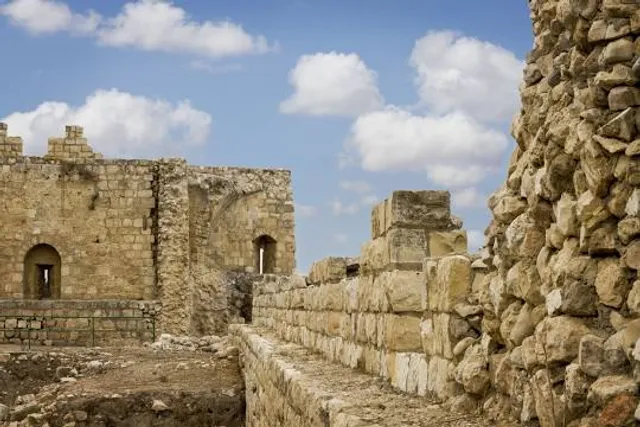
Read moreAntipatris /ænˈtɪpətrɪs/ (Hebrew: אנטיפטריס, Ancient Greek: Αντιπατρίς) was a city built during the first century BC by Herod the Great, who named it in honour of his father, Antipater. The site, now a national park in central Israel, was inhabited from the Chalcolithic Period to the late Roman Period. The remains of Antipatris are known today as Tel Afek (תל אפק), although formerly as Kŭlat Râs el 'Ain. It has been identified as either the tower of Aphek mentioned by Josephus, or the biblical Aphek, best known from the story of the Battle of Aphek. During the Crusader Period the site was known as Surdi fontes, "Silent springs". The Ottoman fortress known as Binar Bashi was built there in the...
Read more