HTML SitemapExplore
logo
Find Things to DoFind The Best Restaurants

Nuraghe La Prisgiona — Attraction in Alzachèna/Arzachena

Name
Nuraghe La Prisgiona
Description
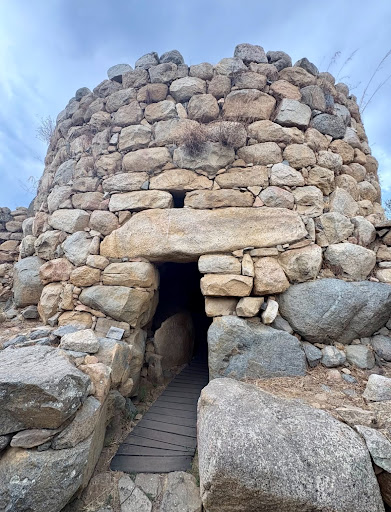
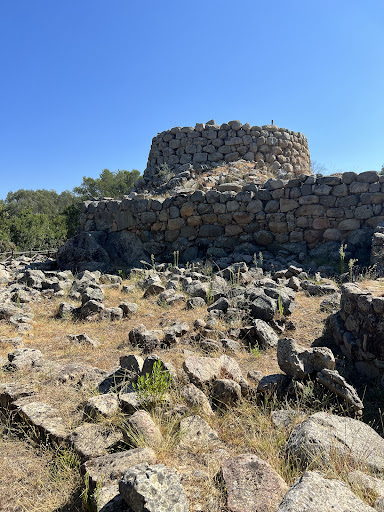
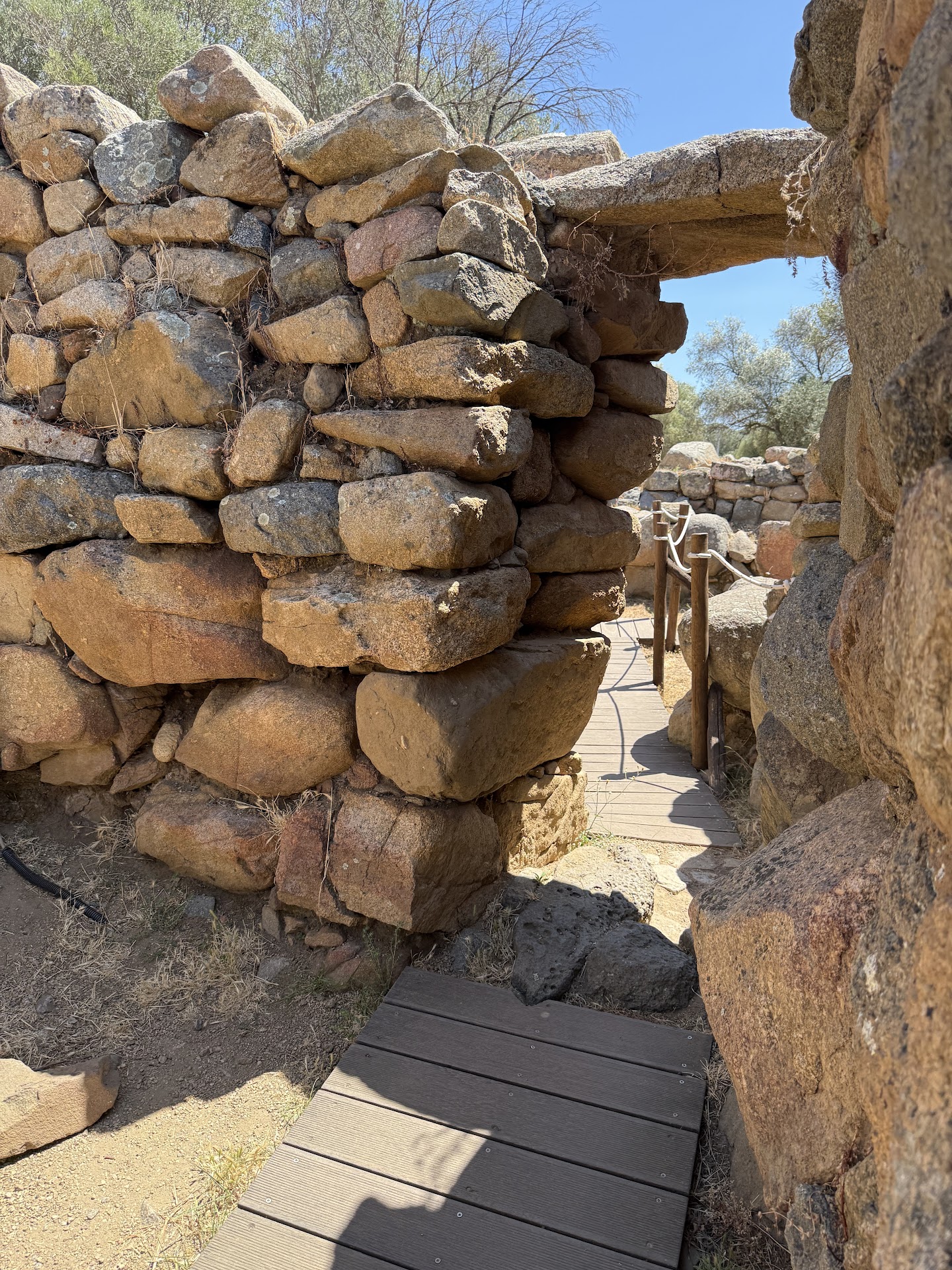
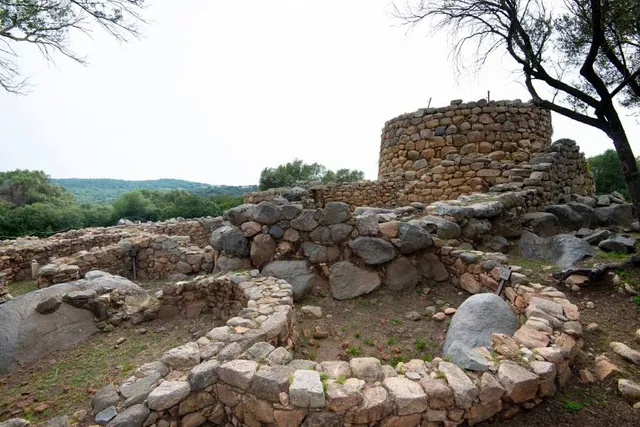
The Nuraghe La Prisgiona is a nuragic archaeological site, located in the Capichera valley in the municipality of Arzachena Costa Smeralda in the north of Sardinia. It consists of a nuraghe and a village comprising around 90–100 buildings, spread across 5 hectares.
Nearby attractions
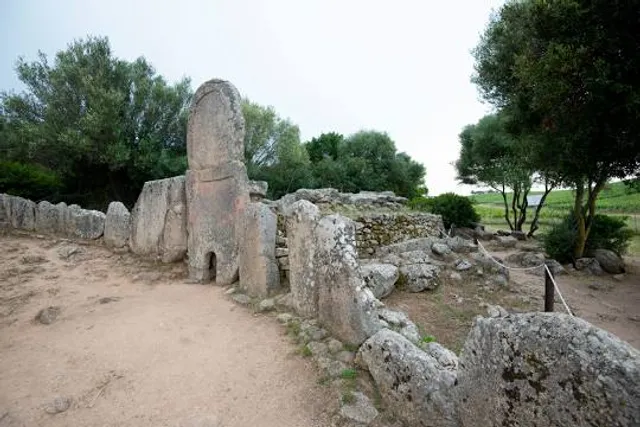
Giants' grave of Coddu Vecchiu
07021 Arzachena, Province of Sassari, Italy
Nearby restaurants
DON'S BARBECUE
Via capichera, 24, 07021 Arzachena SS, Italy
Nearby hotels
Punta D'Acu Country Resort - Costa Smeralda
Coddu Ecchiu, 07021 Arzachena SS, Italy
Jaddhu Country-Resort
Località Capichera, 07021 Arzachena SS, Italy
B&B Codduecchju
Località Coddu Ecchju, 07021 Arzachena SS, Italy
Related posts
Keywords
Nuraghe La Prisgiona tourism.Nuraghe La Prisgiona hotels.Nuraghe La Prisgiona bed and breakfast. flights to Nuraghe La Prisgiona.Nuraghe La Prisgiona attractions.Nuraghe La Prisgiona restaurants.Nuraghe La Prisgiona travel.Nuraghe La Prisgiona travel guide.Nuraghe La Prisgiona travel blog.Nuraghe La Prisgiona pictures.Nuraghe La Prisgiona photos.Nuraghe La Prisgiona travel tips.Nuraghe La Prisgiona maps.Nuraghe La Prisgiona things to do.
Nuraghe La Prisgiona things to do, attractions, restaurants, events info and trip planning
Nuraghe La Prisgiona
ItalySardiniaAlzachèna/ArzachenaNuraghe La Prisgiona

Basic Info

Nuraghe La Prisgiona

Coddu Ecchiu, 07021 Arzachena SS, Italy
4.5(1.3K)
Open 24 hours
Save
spot

Ratings & Description

Info

The Nuraghe La Prisgiona is a nuragic archaeological site, located in the Capichera valley in the municipality of Arzachena Costa Smeralda in the north of Sardinia. It consists of a nuraghe and a village comprising around 90–100 buildings, spread across 5 hectares.

Cultural
Outdoor
Family friendly
attractions: Giants' grave of Coddu Vecchiu, restaurants: DON'S BARBECUE
logoLearn more insights from Wanderboat AI.
Phone
+39 393 897 5528
Website
gesecoarzachena.it

Plan your stay

hotel
Pet-friendly Hotels in Alzachèna/Arzachena
Find a cozy hotel nearby and make it a full experience.

hotel
Affordable Hotels in Alzachèna/Arzachena
Find a cozy hotel nearby and make it a full experience.

hotel
The Coolest Hotels You Haven't Heard Of (Yet)
Find a cozy hotel nearby and make it a full experience.

hotel
Trending Stays Worth the Hype in Alzachèna/Arzachena
Find a cozy hotel nearby and make it a full experience.

Reviews

Nearby attractions of Nuraghe La Prisgiona

Giants' grave of Coddu Vecchiu

Giants' grave of Coddu Vecchiu

Giants' grave of Coddu Vecchiu

4.2

(1.1K)

Closed
Click for details

Things to do nearby

Make authentic pasta and tiramisu in local home
Sun, Dec 7 • 10:00 AM
07021, Arzachena, Sardinia, Italy
View details
Try traditional pasta-making in a typical village
Wed, Dec 10 • 10:30 AM
07026, Olbia, Sardinia, Italy
View details

Nearby restaurants of Nuraghe La Prisgiona

DON'S BARBECUE
DON'S BARBECUE

DON'S BARBECUE

4.8

(48)

Click for details
Get the Appoverlay
Get the AppOne tap to find yournext favorite spots!
Wanderboat LogoWanderboat

Your everyday Al companion for getaway ideas

CompanyAbout Us
InformationAI Trip PlannerSitemap
SocialXInstagramTiktokLinkedin
LegalTerms of ServicePrivacy Policy

Get the app

© 2025 Wanderboat. All rights reserved.
logo

Reviews of Nuraghe La Prisgiona

4.5
(1,305)
avatar
5.0
15w

Wonderful place! The village. Craftsmen's huts. The remains of the village cover an area of four hec-tares. Particularly interesting is the block near the outer wall, made up of five rooms facing a cobbled lane. The organisation of the rooms and the peculiarities of the finds found suggest that specific craft activities were carried out. Hut 3 was likely used for firing pottery vases, as evidenced by the probable remains of a large mud-brick kiln. The potters' work was accompanied by that of a tinsmith in Hut 2, as evidenced by the discovery of large containers that had been restored in antiquity, as well as a crucible and two lead ingots used for repairing the vases. Hut 10 appears to have been used for making and baking bread, given the presence of an oven that was originally domed. Numerous millstones, grindstones and beaters have been found in the village, testifying to the processing of grain into flour. The water supply was provided by a small cistern covered by an ogival roof, connected to a system of canals that can still be seen today, which also served for the flow of water. The life of the craft area of the village dates from...

   Read more
avatar
4.0
34w

Worth the visit, amazing walking around such history - 4000 years old. The audio guide is excellent and very informative (quite technical rather than easy tourist info). All the historic attractions in the area (7 sites in total) can be accessed with one 20€ ticket, which we thought was good value. This site is the largest, but visiting them all gives you a good idea of the history and walking in the old footsteps. Some sites are small and just 10mins to see, but together with the audio guide (only accessed via QR code given on ticket on your phone) they all have staff and are clean. Most sites seem to have parking, toilets and ice creams in summer season. Would recommend starting at this site, then walk on the track to the giants tomb, and back via the road for a round tour. Some steps are around, but otherwise all have a good path or roped walkway around, and we did see disabled parking and access. The audio tour and some research will make your visit more rewarding as it’s amazing these places were found and are preserved after...

   Read more
avatar
5.0
3y

Sito bellissimo , guida a dir poco deludente . Il Nuraghe della Prisgiona è sicuramente una delle testimonianze più affascinati fra tutti i siti nuragici della Gallura , tuttavia sono rimasto molto deluso dal racconto confuso e fantasioso della guida , condito da considerazioni personali del tutto fuori luogo , ad iniziare dalla spiegazione della funzione del complesso nuragico nel territorio . La guida inizia dicendo che non si tratta di una fortificazione militare con scopo di controllo del territorio al pari ad esempio (cit.) di un castello medievale , bensì una struttura civile come ad esempio (cit.) una sorta di municipio , "che dominava si il territorio , ma a scopi civili " . confesso di essere stato tentato di chiedere alla guida se le torri che caratterizzano la struttura servissero a prendere il sole ... La guida continua a infierire , sostenendo la sua tesi , che no , non si può considerare al pari di un castello medievale perchè gli spazi all'interno sono angusti , stretti, inoltre le mura di un castello medievale cingevano tutto il villaggio (cit.) queste invece no . Forse la guida ha visto il Signore degli Anelli , le mura dei castelli medievali non cingono i villaggi , quelle sono le mura delle città .. le mura dei castelli medievali racchiudono poco più del castello stesso e i castelli medievali all'interno sono caratterizzati da spazi stetti e angusti , con una scala a chiocciola che porta sulle torri o sul mastio percorrendo le quali è facile sbattere la testa o i gomiti ovunque . La guida prosegue con la sua tesi , sostenendo che un altro fattore indicativo della funzione civile piuttosto che militare è che a costruire un nuraghe ci vuole tempo (cit.) e i nemici mica aspettavano ad attaccare ... E sì perché i castelli medievali li costruivano in tre balletti con i pannelli prefabbricati in cartongesso ... A parte l'ironia , mi chiedo dove abbia trovato una indicazione dei tempi di costruzione per confrontarli se poi dichiara che non si sa nemmeno quali fossero esattamente le tecniche costruttive , poi chiaramente la signora dà per scontato che in caso di attacco , i guerrieri (visto che la stragrande maggioranza dei bronzetti raffigurano guerrieri ) stavano là a pettinare le bambole perché non c'era ancora il nuraghe . Arriviamo poi ad uno dei pochi ritrovamenti in bronzo , di un'epoca che si caratterizza soprattutto in Sardegna per la produzione di armi e manufatti in bronzo , un pugnale "gammato" di pochi centimetri, la signora dice che non si sa a cosa potesse servire perchè era troppo piccolo per essere usato come pugnale , precisazione superflua , forse le è sfuggito che il pugnale cosiddetto "gammato" è un simbolo estremamente ricorrente nei bronzetti con figure maschili e al museo di Nuoro ne può trovare esemplari abbastanza grossi da trafiggere due persone insieme , per cui è abbastanza chiaro che quello era un ciondolo o un oggetto votivo. Sono certo di aver trovato la peggiore fra tutte le guide disponibili nel sito , quindi non esprimo giudizi sulle altre , spero che chi di dovere faccia più attenzione a chi mettono a raccontare la storia...

   Read more
Page 1 of 7
Previous
Next

Posts

demo clipdemo clip
Wonderful place! The village. Craftsmen's huts. The remains of the village cover an area of four hec-tares. Particularly interesting is the block near the outer wall, made up of five rooms facing a cobbled lane. The organisation of the rooms and the peculiarities of the finds found suggest that specific craft activities were carried out. Hut 3 was likely used for firing pottery vases, as evidenced by the probable remains of a large mud-brick kiln. The potters' work was accompanied by that of a tinsmith in Hut 2, as evidenced by the discovery of large containers that had been restored in antiquity, as well as a crucible and two lead ingots used for repairing the vases. Hut 10 appears to have been used for making and baking bread, given the presence of an oven that was originally domed. Numerous millstones, grindstones and beaters have been found in the village, testifying to the processing of grain into flour. The water supply was provided by a small cistern covered by an ogival roof, connected to a system of canals that can still be seen today, which also served for the flow of water. The life of the craft area of the village dates from 1260 to 790 BC.
ConnieConnie
A well-preserved nuragic complex dating back to the 13th-8th century BC, consisting of a central tower and the remains of what would have been various meeting huts. The ticket for an individual archeological site is €4, or €7 for two, €10 for three etc. There are 7 sites/monuments in total in the area (+ one civic museum) and for entry into all 8 would cost €23. You have to specify which monuments you want to want to visit when you buy your tickets. The Nuraghe La Prisgiona is the largest archaeological site to visit, and about a kilometre down the road from the Giants’ Tomb monument. There is separate parking for La Prisgiona, and the walk around the monument took about 15 minutes.
Carlo SalvettiCarlo Salvetti
Il Nuraghe si trova lungo una strada vicinale che si dirama dalla SP14 e per la quale si raggiunge anche la Tomba dei Giganti di Coddu Ecchiu. L'ingresso all'area avviene tramite un ampio ed ombroso parcheggio collegato all'ingresso principale del sito che è forse il più conosciuto e frequentato Nuraghe della Gallura, La visita può essere effettuata liberamente od avvalendosi dell'accompagnamento (ovviamente ad orari prestabiliti circa i quali conviene informarsi in anticipo) di una competente guida archeologa che non si limita a fornire informazioni sul sito ma spazia con preziose notizie su tutto il periodo nuragico sardo. La particolarità di questo sito consiste in una serie di capanne addossate al Nuraghe e che potrebbero far pensare alla presenza di un villaggio. Si tratta invece di capanne specializzate in attività artigianali le più varie, dai forni per la panificazione, ai forni per le stoviglie di ceramica per la conservazione degli alimenti e la cottura dei cibi, ai forni per la realizzazione di piccoli manufatti di bronzo. La loro vicinanza al Nuraghe stava a significare una forma di controllo e protezione delle attività che vi si svolgevano, segno di una strategica importanza del centro di produzione. Il villaggio vero e proprio esiste ... ma è ben nascosto tra la vegetazione ed e tutto da scavare ... in attesa di agognati finanziamenti. Può essere importante per il turista sapere che nel territorio di Arzachena è possibile acquistare biglietti cumulativi da 1 ad 8 siti, visitabili nell'arco di 6 giorni. Noi abbiamo optato per tutti e 8 i siti avendo programmato di dedicare l'intera giornata al territorio di Arzachena compreso il suo Museo Civico Archeologico. Da elogiare la gestione della società Ge.Se.Co. in house del Comune di Arzachena per la capillarità delle presenze di personale qualificato su tutti i siti.
See more posts
See more posts
hotel
Find your stay

Pet-friendly Hotels in Alzachèna/Arzachena

Find a cozy hotel nearby and make it a full experience.

Wonderful place! The village. Craftsmen's huts. The remains of the village cover an area of four hec-tares. Particularly interesting is the block near the outer wall, made up of five rooms facing a cobbled lane. The organisation of the rooms and the peculiarities of the finds found suggest that specific craft activities were carried out. Hut 3 was likely used for firing pottery vases, as evidenced by the probable remains of a large mud-brick kiln. The potters' work was accompanied by that of a tinsmith in Hut 2, as evidenced by the discovery of large containers that had been restored in antiquity, as well as a crucible and two lead ingots used for repairing the vases. Hut 10 appears to have been used for making and baking bread, given the presence of an oven that was originally domed. Numerous millstones, grindstones and beaters have been found in the village, testifying to the processing of grain into flour. The water supply was provided by a small cistern covered by an ogival roof, connected to a system of canals that can still be seen today, which also served for the flow of water. The life of the craft area of the village dates from 1260 to 790 BC.
demo clip

demo clip

hotel
Find your stay

Affordable Hotels in Alzachèna/Arzachena

Find a cozy hotel nearby and make it a full experience.

Get the Appoverlay
Get the AppOne tap to find yournext favorite spots!
A well-preserved nuragic complex dating back to the 13th-8th century BC, consisting of a central tower and the remains of what would have been various meeting huts. The ticket for an individual archeological site is €4, or €7 for two, €10 for three etc. There are 7 sites/monuments in total in the area (+ one civic museum) and for entry into all 8 would cost €23. You have to specify which monuments you want to want to visit when you buy your tickets. The Nuraghe La Prisgiona is the largest archaeological site to visit, and about a kilometre down the road from the Giants’ Tomb monument. There is separate parking for La Prisgiona, and the walk around the monument took about 15 minutes.
Connie

Connie

hotel
Find your stay

The Coolest Hotels You Haven't Heard Of (Yet)

Find a cozy hotel nearby and make it a full experience.

hotel
Find your stay

Trending Stays Worth the Hype in Alzachèna/Arzachena

Find a cozy hotel nearby and make it a full experience.

Il Nuraghe si trova lungo una strada vicinale che si dirama dalla SP14 e per la quale si raggiunge anche la Tomba dei Giganti di Coddu Ecchiu. L'ingresso all'area avviene tramite un ampio ed ombroso parcheggio collegato all'ingresso principale del sito che è forse il più conosciuto e frequentato Nuraghe della Gallura, La visita può essere effettuata liberamente od avvalendosi dell'accompagnamento (ovviamente ad orari prestabiliti circa i quali conviene informarsi in anticipo) di una competente guida archeologa che non si limita a fornire informazioni sul sito ma spazia con preziose notizie su tutto il periodo nuragico sardo. La particolarità di questo sito consiste in una serie di capanne addossate al Nuraghe e che potrebbero far pensare alla presenza di un villaggio. Si tratta invece di capanne specializzate in attività artigianali le più varie, dai forni per la panificazione, ai forni per le stoviglie di ceramica per la conservazione degli alimenti e la cottura dei cibi, ai forni per la realizzazione di piccoli manufatti di bronzo. La loro vicinanza al Nuraghe stava a significare una forma di controllo e protezione delle attività che vi si svolgevano, segno di una strategica importanza del centro di produzione. Il villaggio vero e proprio esiste ... ma è ben nascosto tra la vegetazione ed e tutto da scavare ... in attesa di agognati finanziamenti. Può essere importante per il turista sapere che nel territorio di Arzachena è possibile acquistare biglietti cumulativi da 1 ad 8 siti, visitabili nell'arco di 6 giorni. Noi abbiamo optato per tutti e 8 i siti avendo programmato di dedicare l'intera giornata al territorio di Arzachena compreso il suo Museo Civico Archeologico. Da elogiare la gestione della società Ge.Se.Co. in house del Comune di Arzachena per la capillarità delle presenze di personale qualificato su tutti i siti.
Carlo Salvetti

Carlo Salvetti

See more posts
See more posts