Cala Goloritze – Ein Traumziel mit Herausforderungen
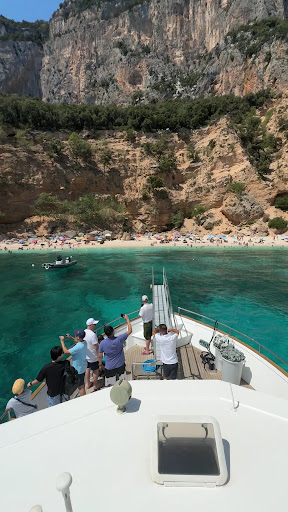
Cala Goloritze ist zweifellos eine der schönsten Buchten, die ich je gesehen habe. Das kristallklare Wasser und die beeindruckenden Fotomotive machen sie zu einem unvergesslichen Erlebnis. Allerdings ist der Weg dorthin anspruchsvoll und erfordert eine gewisse Fitness.
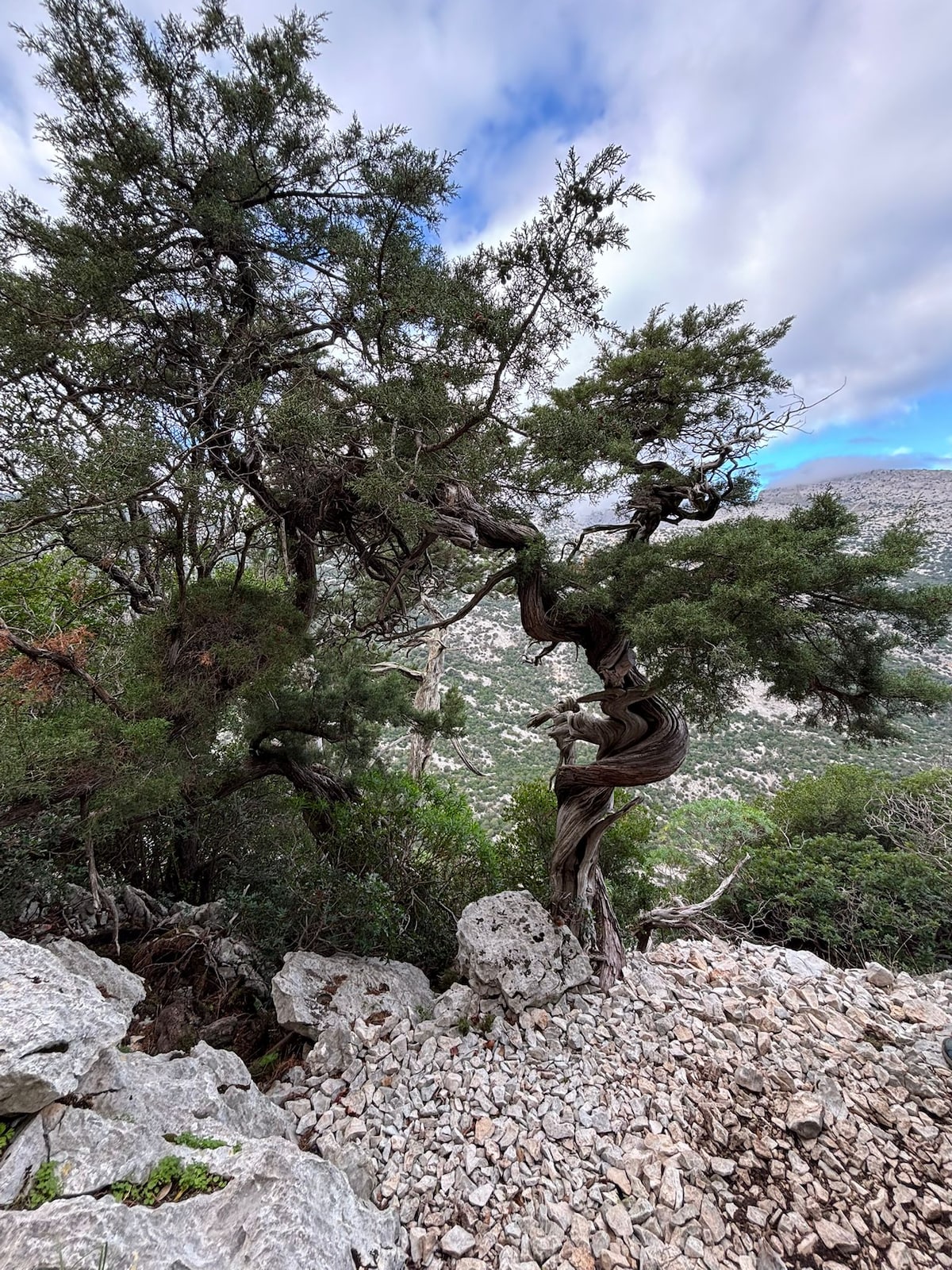
Der Trek umfasst etwa 4 km (einfacher Weg) mit rund 500 Höhenmetern. Der Untergrund ist anspruchsvoll, insbesondere für ungeeignetes Schuhwerk – darauf achtet sogar der Parkwächter beim Einlass. Ich empfehle daher dringend feste Schnürschuhe oder am besten richtige Wanderschuhe. Der Abstieg dauerte bei uns etwa 90 Minuten, davon ca. 15–20 Minuten Aufstieg und 75 Minuten Abstieg. Der Rückweg ist deutlich herausfordernder und hat uns etwa 100 Minuten gekostet – insgesamt über zwei Stunden.😅
Denkt daran, ausreichend Wasser und Verpflegung mitzunehmen, da es unterwegs oder am Ziel keinerlei Möglichkeiten gibt, etwas zu kaufen. Ein Rucksack ist hier deutlich praktischer als eine Strandtasche – so habt ihr die Hände frei, was an manchen Stellen hilfreich sein kann.
Ein Sonnenschirm ist in der Regel nicht nötig, da die Bucht durch die angrenzenden Felswände natürlichen Schatten bietet. Nur wenn ihr zu den ersten Besuchern gehört, könnte ein Schirm nützlich sein, da der Platz begrenzt ist. Wichtig: Der Strand ist kein Sandstrand, sondern steinig. Empfindliche Füße sollten daher Badeschuhe mitnehmen.
Für den Besuch benötigt ihr eine Reservierung, da die Besucheranzahl auf etwa 250 Personen begrenzt ist. Ein Ticket kostet 6 Euro pro Person, und die Öffnungszeiten sind von 8 bis 17 Uhr. Achtet darauf, rechtzeitig aufzubrechen, denn der Rückweg sollte auf keinen Fall im Dunkeln erfolgen – glaubt mir, das wollt ihr nicht erleben! 😅
Trotz der Anstrengung ist Cala Goloritze ein absolutes Highlight, das jede Mühe wert ist – ein echtes Paradies für Naturliebhaber und Abenteurer! ❣️
Cala Goloritze - A dream destination with challenges
Cala Goloritze is undoubtedly one of the most beautiful bays I have ever seen. The crystal-clear water and the impressive photo opportunities make it an unforgettable experience. However, the path to get there is challenging and requires a certain level of fitness.
The trek is around 4 km (one way) with an elevation gain of around 500 meters. The surface is challenging, especially for unsuitable footwear - even the park ranger pays attention to this at the entrance. I therefore strongly recommend sturdy lace-up shoes or preferably proper hiking boots. The descent took us around 90 minutes, of which around 15-20 minutes was the ascent and 75 minutes the descent. The way back is much more challenging and took us around 100 minutes - over two hours in total.
Remember to take enough water and food with you, as there are no opportunities to buy anything on the way or at your destination. A rucksack is much more practical here than a beach bag - it leaves your hands free, which can be helpful in some places.
A parasol is generally not necessary as the bay offers natural shade thanks to the adjacent rock faces. Only if you are one of the first visitors could an umbrella be useful, as space is limited. Important: The beach is not sandy, but stony. Sensitive feet should therefore bring bathing shoes.
You will need a reservation to visit, as the number of visitors is limited to around 250 people. A ticket costs 6 euros per person and the opening hours are from 8 am to 5 pm. Make sure you set off in good time, because the way back should definitely not be in the dark - believe me, you don't want to experience that!
Despite the effort, Cala Goloritze is an absolute highlight that is worth every effort - a real paradise for nature lovers and...
Read more
 Learn more insights from Wanderboat AI.