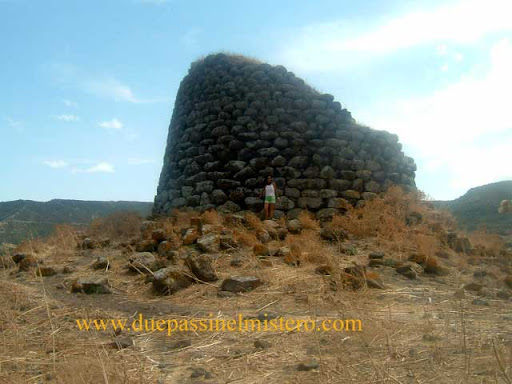
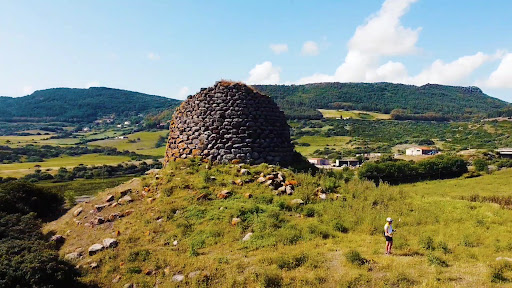
Nuraghe Paddàggiu, located along the SP90 road near Castelsardo in Sardinia, Italy, is a remarkable archaeological site from the Nuragic civilization, which flourished from the Bronze Age through the Roman era.
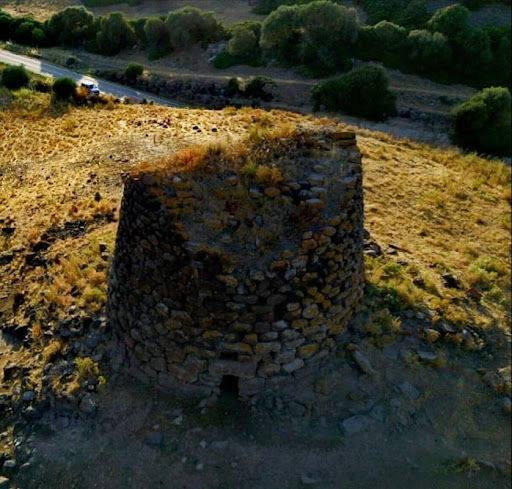
This structure is situated on a hill, providing a panoramic view of its surroundings, a strategic choice typical of Nuragic builders. Originally, it was a complex fortress featuring a main tower with a distinctive "tholos" or false dome roof, constructed by progressively narrowing rings of stones.
This central tower, approximately 11 meters in base diameter and standing about 8.5 meters tall today, contained two levels linked by a winding internal staircase. Adjacent to the main tower were two lateral towers and a bastion, enclosed by a thick outer wall that also encompassed a small village made up of stone huts topped with thatched roofs.
Today, only the main tower survives intact, along with a 27-meter stretch of the surrounding wall and the base of one hut, providing insight into the site's original layout. The entrance corridor of the tower is notable for its transverse stone slabs forming a roof and includes a niche with an internal staircase on its left side that ascends to the tower’s summit.
Although the wooden balcony once crowning the tower no longer exists, the preservation of the tholos roof and some architectural details like the entrance corridor niche make it a genuine testament to Nuragic engineering and culture.
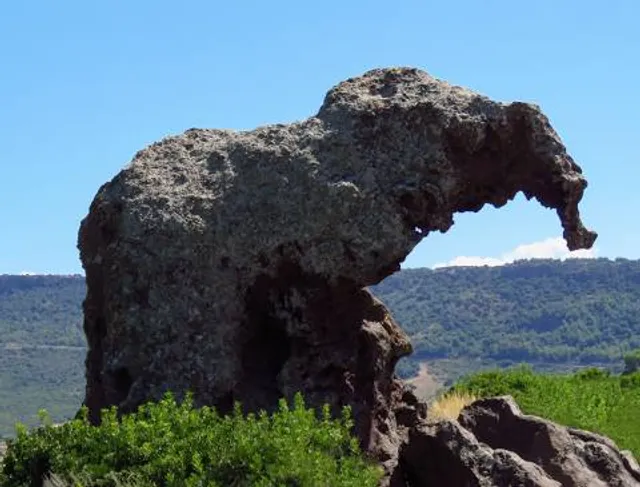
Nuraghe Paddàggiu, meaning “haystack” in Sardinian, is closely linked to nearby prehistoric sites such as the Domus de Janas “dell’elefante,” illustrating the dense ancient heritage in this part of Sardinia. It stands less than a kilometer from this famous rock-cut tomb complex.
While the site is most easily admired from the roadside given limited parking options, it remains a significant cultural landmark illustrating Sardinia’s prehistoric past.
The discovery of numerous ceramic artifacts at Nuraghe Paddàggiu has been fundamental for establishing its age and understanding its function within the Nuragic civilization.
This site offers a tangible connection to an ancient era when Sardinia was dotted with these monumental stone edifices, making it an essential destination for those interested in archaeology and the island’s deep historical roots.
Though relatively modest in scale compared to some larger nuraghi, Nuraghe Paddàggiu stands out for its well-preserved central tower and the clarity with which it conveys the architectural sophistication of Sardinia’s Bronze Age inhabitants. Its scenic hilltop location further enhances the visitor experience, providing a glimpse into the strategic considerations of the Nuragic people and offering expansive views of the surrounding...
Read more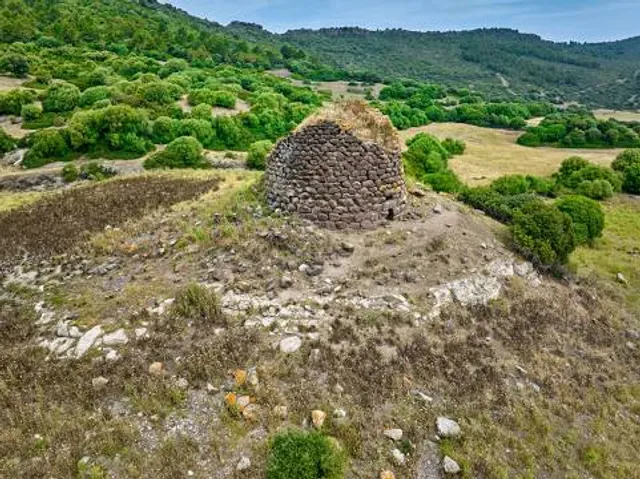
 Learn more insights from Wanderboat AI.