HTML SitemapExplore
logo
Find Things to DoFind The Best Restaurants

The Gardens Of Ninfa — Attraction in Cisterna di Latina

Name
The Gardens Of Ninfa
Description
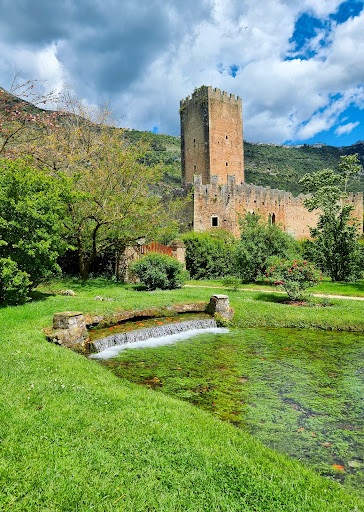
The Garden of Ninfa is a garden in the territory of Cisterna di Latina, in the province of Latina, central Italy. The park has an area of 105 hectares, and is an Italian natural monument.
Nearby attractions
Nearby restaurants
Nearby hotels
Related posts
Keywords
The Gardens Of Ninfa tourism.The Gardens Of Ninfa hotels.The Gardens Of Ninfa bed and breakfast. flights to The Gardens Of Ninfa.The Gardens Of Ninfa attractions.The Gardens Of Ninfa restaurants.The Gardens Of Ninfa travel.The Gardens Of Ninfa travel guide.The Gardens Of Ninfa travel blog.The Gardens Of Ninfa pictures.The Gardens Of Ninfa photos.The Gardens Of Ninfa travel tips.The Gardens Of Ninfa maps.The Gardens Of Ninfa things to do.
The Gardens Of Ninfa things to do, attractions, restaurants, events info and trip planning
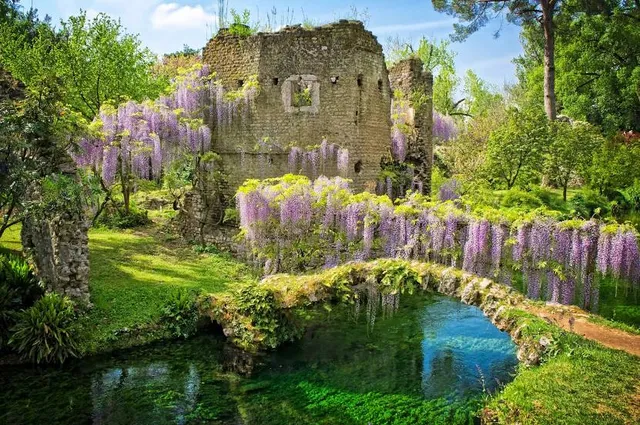
The Gardens Of Ninfa
ItalyLazioCisterna di LatinaThe Gardens Of Ninfa

Basic Info

The Gardens Of Ninfa

Via Ninfina, 68, 04012 Cisterna di Latina LT, Italy
4.7(4.1K)
Open 24 hours
Save
spot

Ratings & Description

Info

The Garden of Ninfa is a garden in the territory of Cisterna di Latina, in the province of Latina, central Italy. The park has an area of 105 hectares, and is an Italian natural monument.

Outdoor
Relaxation
Family friendly
attractions: , restaurants:
logoLearn more insights from Wanderboat AI.
Phone
+39 0773 632231
Website
giardinodininfa.eu

Plan your stay

hotel
Pet-friendly Hotels in Cisterna di Latina
Find a cozy hotel nearby and make it a full experience.

hotel
Affordable Hotels in Cisterna di Latina
Find a cozy hotel nearby and make it a full experience.

hotel
The Coolest Hotels You Haven't Heard Of (Yet)
Find a cozy hotel nearby and make it a full experience.

hotel
Trending Stays Worth the Hype in Cisterna di Latina
Find a cozy hotel nearby and make it a full experience.

Reviews

Things to do nearby

Kayak and taste local wines, meats and cheeses
Sat, Dec 6 • 10:00 AM
00040, Castel Gandolfo, Lazio, Italy
View details
Roma MagicLand: Biglietto dingresso Magic Christmas
Sat, Dec 6 • 10:30 AM
Via della Pace, Valmontone, 00038
View details
SERMONETA CULTURAL GAME JAM 2025
Fri, Dec 5 • 4:00 PM
04013 Sermoneta
View details
Get the Appoverlay
Get the AppOne tap to find yournext favorite spots!
Wanderboat LogoWanderboat

Your everyday Al companion for getaway ideas

CompanyAbout Us
InformationAI Trip PlannerSitemap
SocialXInstagramTiktokLinkedin
LegalTerms of ServicePrivacy Policy

Get the app

© 2025 Wanderboat. All rights reserved.
logo

Reviews of The Gardens Of Ninfa

4.7
(4,079)
avatar
5.0
1y

The Garden of Ninfa (Giardino di Ninfa), built on the ruins of the medieval town of Ninfa in the Pontine Marshes (Agro Pontino), has been classified by the New York Times as one of the most beautiful and romantic gardens in the world. Declared a Natural Monument by the Lazio Region, the garden, given the delicate environmental balance, may only be visited on certain days of the year, but the beauty of this place is well worth a visit.

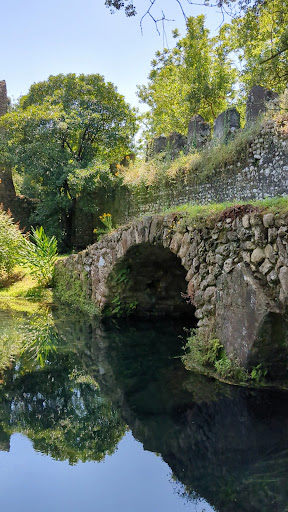
The name Ninfa (Nymph) derives from a temple of the Roman era, dedicated to the Naiad Nymphs goddesses of spring water, which is still located in the garden. The city of Ninfa was destroyed in the fourteenth century since the sixteenth century, several members of the Caetani family present in the Pontine and Lepine territory for many centuries, decided to create a garden with precious botanical varieties, pools of water and fountains. However, it was only in the nineteenth century that Ada Bootle Wilbraham, the wife of Onoraro Caetani, and her sons built an actual Anglo-Saxon style garden, by draining the swamps, planting cypress trees, oaks, beeches, and restoring some ruins, including the baronial palace. The care of the garden was continued by the descendants of the Caetani family, until the last heir, Lelia, who added various botanical species and established the Roffredo Caetani Foundation, which still deals with protecting the Giardino di Ninfa and the castle of Sermoneta. There are 1300 botanical species over the eight acres of landscape. You can admire nineteen varieties of deciduous magnolia, birch, water iris and several Japanese maples. The ornamental cherry trees that bloom in the spring, apple trees and the tulip tree are also spectacular. There are many varieties of roses that climb on trees and ruins along the river and streams, making this a particularly romantic place. Tropical plants such as the avocado, the South American Gunnera manicata and the banana trees can also be admired.

The River Ninfa rises near the city and flows for 30 km towards the Pontine plain, forming the eponymous lake whose waters house a particular species of trout, imported from Africa thousands of years ago by the Romans. A 1,800 acre oasis was created around the nucleus of Ninfa in 1976 in order to protect the local fauna which includes 152 species of birds, including some raptors such as the Peregrine Falcon and the Barn Owl, and several species of wading birds such as...

   Read more
avatar
5.0
6y

The name Ninfa derives from a Roman temple built near the current garden and dedicated to the water deities.

Ninfa was part of a larger territory called Campagna and Marittima. In the 8th century it became part of the papal administration and had a strategic role due to its position on the foothill route or via pedemontana which connected Rome and Naples and was used by travellers during periods when the Via Appian was flooded.

From the 11th century the town of Ninfa was governed by various noble families such as the Conti di Tuscolo and the Frangipani, under whom the town’s architecture flourished and the economic and political importance of Ninfa grew:

in 1159 Cardinal Rolando Bandinelli was crowned Alexander III in the church of Santa Maria Maggiore, the ruins of which are visible today.

In 1298 Benedetto Caetani, known as Pope Bonifacio VIII, bought Ninfa and other neighbouring territories for his nephew Pietro II Caetani, marking the beginning of the presence of the Caetani family in the Pontine region. The small feudal proprietors of Ninfa were persuaded to sell their holdings to the Caetani for 200,000...

   Read more
avatar
5.0
11w

I just saw a surprisingly low review where someone complained about the vegetation and that it is nothing special. And while that may be true, IT IS STUNNINGLY BEAUTIFUL!!!!!! My trip was several years ago but after this review I actually felt the need to chime in. I saw the garden in a TV documentary about gardening and was able to visit it years later. I find the entrance fee well worth it and I wish the tour had been longer or slower, giving me more time to take in the magic. It is so beautifully laid out between the ruins and the atmosphere is really special. And I am glad (and grateful to myself 😉) that I pre-booked two tickets so I could get in back to back. Once to take it all in and the second time to take pictures. And you know what? If I ever get the chance again to go there I will do the same. It is a wonderfully tranquil and peaceful place. Serene, really. And I can only thank the wonderful people who maintain it and am grateful that this beautiful piece of this world is open...

   Read more
Page 1 of 7
Previous
Next

Posts

giulio risgiulio ris
The Garden of Ninfa (Giardino di Ninfa), built on the ruins of the medieval town of Ninfa in the Pontine Marshes (Agro Pontino), has been classified by the New York Times as one of the most beautiful and romantic gardens in the world. Declared a Natural Monument by the Lazio Region, the garden, given the delicate environmental balance, may only be visited on certain days of the year, but the beauty of this place is well worth a visit. The name Ninfa (Nymph) derives from a temple of the Roman era, dedicated to the Naiad Nymphs goddesses of spring water, which is still located in the garden. The city of Ninfa was destroyed in the fourteenth century since the sixteenth century, several members of the Caetani family present in the Pontine and Lepine territory for many centuries, decided to create a garden with precious botanical varieties, pools of water and fountains. However, it was only in the nineteenth century that Ada Bootle Wilbraham, the wife of Onoraro Caetani, and her sons built an actual Anglo-Saxon style garden, by draining the swamps, planting cypress trees, oaks, beeches, and restoring some ruins, including the baronial palace. The care of the garden was continued by the descendants of the Caetani family, until the last heir, Lelia, who added various botanical species and established the Roffredo Caetani Foundation, which still deals with protecting the Giardino di Ninfa and the castle of Sermoneta. There are 1300 botanical species over the eight acres of landscape. You can admire nineteen varieties of deciduous magnolia, birch, water iris and several Japanese maples. The ornamental cherry trees that bloom in the spring, apple trees and the tulip tree are also spectacular. There are many varieties of roses that climb on trees and ruins along the river and streams, making this a particularly romantic place. Tropical plants such as the avocado, the South American Gunnera manicata and the banana trees can also be admired. The River Ninfa rises near the city and flows for 30 km towards the Pontine plain, forming the eponymous lake whose waters house a particular species of trout, imported from Africa thousands of years ago by the Romans. A 1,800 acre oasis was created around the nucleus of Ninfa in 1976 in order to protect the local fauna which includes 152 species of birds, including some raptors such as the Peregrine Falcon and the Barn Owl, and several species of wading birds such as the Grey Heron.
Maria GalloMaria Gallo
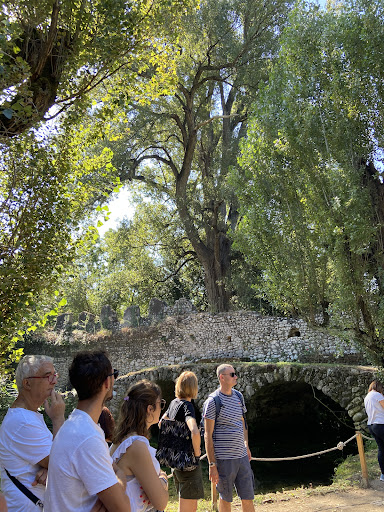
I had high expectations for this place and unfortunately, it was not as expected Only Italian tours are available (not English) 🥀To take an amazing shot of the flowers an the scenery you'll need to go in early spring to admire them so the flowers that you observe in the pics are only in June. 🥲 It is only 1 one-hour tour and you are always with the guide guy and the group and to take nice pics they are always on your way. 🍃 I give only two starts because I was in many botanical gardens in London and I feel that they are more to see and to do compared to this place (18€ this place for one hour - £25 key gardens all day) I think that would be a better idea to have a audio tour available in English and in Italian and to let people explore in freedom. The tour guide had to wait until everyone was close to star talking and a lot of people was always behind taking pictures and they didn't care even if all of us were waiting under the burning sun 😔 👍Dog friendly 👍Toillettes available
Naomi LatiniNaomi Latini
Visitato in un sabato di Aprile, durante la fascia oraria 13,30-14,30 con un gruppetto composto da poco meno di una trentina di persone. È un luogo davvero splendido, un tripudio di colori e profumi. Annessa alla biglietteria, sulla sinistra, ci sono una botteghina dove acquistare prodotti artigianali e piante, una fontanella, i bagni e un'area ristoro con tavoli e sedie allestiti all'esterno dove fare colazione o pranzare (se volete sedervi qui, siete obbligati a consumare non cibo vostro ma prodotti acquistati in loco). Se vi fermate qui, vi consiglio di prendervi i loro taglieri vegetariano o tradizionale (senza la bevanda) che sono molto abbondanti e buoni. Sempre su questa zona esterna, in alternativa, ci sono qua e là delle panchine dove sedersi e pranzare al sacco e i cestini. C'è inoltre un parcheggio ampio e gratuito. Nel giardino si può accedere anche con le carrozzine, i passeggini e la sedia a rotelle, perché il sentiero è piano e tranquillo (tuttavia assolato e con poche zone d'ombra). Non dò però cinque stelle per una serie di dettagli: 1) il costo di €16,00 per una visita di un'ora e un quarto dove non è offerta la possibilità di avere, durante la visita stessa, dei momenti in cui fermarsi qualche minuto, contemplare meglio il paesaggio e scattare foto con calma mi sembra un po' eccessivo; 2) la reperibilità degli addetti all'Area Ristoro per prenotare un tavolo è stata molto difficile; mi hanno sempre risposto il giorno successivo al messaggio; solo alla fine ho capito che conveniva mandare direttamente un Whatsapp al numero indicato nel sito e fare la prenotazione (che consiglio di evitare perché i tavoli liberi si trovano sempre, a meno che non siate un gruppetto di persone) 3) I cellulari non prendono in tutta l'area 4) I bagni non sono il massimo della pulizia (nonostante abbia visto degli addetti) 5) La botteghina espone i gadget senza un minimo di gusto per l'arredo; tutto il contorno è molto trasandato e poco curato e questo penalizza molto la merce esposta. 6) Le guide dovrebbero parlare con un microfonino ad archetto, altrimenti si perderebbero pezzi interessanti della spiegazione 7) I biglietti del giardino sono acquistabili solo on-line sul loro sito (e la cosa è svantaggiosa per chi desidera fare visita al posto ma è poco avvezzo con le tecnologie) e non sono rimborsabili neanche di poco in caso di disdetta (motivo per cui vi suggerisco di acquistarli il giorno prima, quando siete piú sicuri e anche il meteo è piú affidabile). Vi consiglio di visitare il giardino nelle fasce orarie meno gettonate, perché avanzano sempre diversi posti liberi (quella delle 9,30, quella delle 13,30 e quella delle 18,30). Nel complesso, esperienza piacevole e rilassante. Vedi reel su Blinkoo 😉⤵️ https://blinkoo-app.onelink.me/Cc1C?type=POST&id=b23656b1fd68b44542e2cd2033b1724024e3b09943b7be2845e419a3dc25e4b7&shareSrc=naomilatini-33b17240
See more posts
See more posts
hotel
Find your stay

Pet-friendly Hotels in Cisterna di Latina

Find a cozy hotel nearby and make it a full experience.

The Garden of Ninfa (Giardino di Ninfa), built on the ruins of the medieval town of Ninfa in the Pontine Marshes (Agro Pontino), has been classified by the New York Times as one of the most beautiful and romantic gardens in the world. Declared a Natural Monument by the Lazio Region, the garden, given the delicate environmental balance, may only be visited on certain days of the year, but the beauty of this place is well worth a visit. The name Ninfa (Nymph) derives from a temple of the Roman era, dedicated to the Naiad Nymphs goddesses of spring water, which is still located in the garden. The city of Ninfa was destroyed in the fourteenth century since the sixteenth century, several members of the Caetani family present in the Pontine and Lepine territory for many centuries, decided to create a garden with precious botanical varieties, pools of water and fountains. However, it was only in the nineteenth century that Ada Bootle Wilbraham, the wife of Onoraro Caetani, and her sons built an actual Anglo-Saxon style garden, by draining the swamps, planting cypress trees, oaks, beeches, and restoring some ruins, including the baronial palace. The care of the garden was continued by the descendants of the Caetani family, until the last heir, Lelia, who added various botanical species and established the Roffredo Caetani Foundation, which still deals with protecting the Giardino di Ninfa and the castle of Sermoneta. There are 1300 botanical species over the eight acres of landscape. You can admire nineteen varieties of deciduous magnolia, birch, water iris and several Japanese maples. The ornamental cherry trees that bloom in the spring, apple trees and the tulip tree are also spectacular. There are many varieties of roses that climb on trees and ruins along the river and streams, making this a particularly romantic place. Tropical plants such as the avocado, the South American Gunnera manicata and the banana trees can also be admired. The River Ninfa rises near the city and flows for 30 km towards the Pontine plain, forming the eponymous lake whose waters house a particular species of trout, imported from Africa thousands of years ago by the Romans. A 1,800 acre oasis was created around the nucleus of Ninfa in 1976 in order to protect the local fauna which includes 152 species of birds, including some raptors such as the Peregrine Falcon and the Barn Owl, and several species of wading birds such as the Grey Heron.
giulio ris

giulio ris

hotel
Find your stay

Affordable Hotels in Cisterna di Latina

Find a cozy hotel nearby and make it a full experience.

Get the Appoverlay
Get the AppOne tap to find yournext favorite spots!
I had high expectations for this place and unfortunately, it was not as expected Only Italian tours are available (not English) 🥀To take an amazing shot of the flowers an the scenery you'll need to go in early spring to admire them so the flowers that you observe in the pics are only in June. 🥲 It is only 1 one-hour tour and you are always with the guide guy and the group and to take nice pics they are always on your way. 🍃 I give only two starts because I was in many botanical gardens in London and I feel that they are more to see and to do compared to this place (18€ this place for one hour - £25 key gardens all day) I think that would be a better idea to have a audio tour available in English and in Italian and to let people explore in freedom. The tour guide had to wait until everyone was close to star talking and a lot of people was always behind taking pictures and they didn't care even if all of us were waiting under the burning sun 😔 👍Dog friendly 👍Toillettes available
Maria Gallo

Maria Gallo

hotel
Find your stay

The Coolest Hotels You Haven't Heard Of (Yet)

Find a cozy hotel nearby and make it a full experience.

hotel
Find your stay

Trending Stays Worth the Hype in Cisterna di Latina

Find a cozy hotel nearby and make it a full experience.

Visitato in un sabato di Aprile, durante la fascia oraria 13,30-14,30 con un gruppetto composto da poco meno di una trentina di persone. È un luogo davvero splendido, un tripudio di colori e profumi. Annessa alla biglietteria, sulla sinistra, ci sono una botteghina dove acquistare prodotti artigianali e piante, una fontanella, i bagni e un'area ristoro con tavoli e sedie allestiti all'esterno dove fare colazione o pranzare (se volete sedervi qui, siete obbligati a consumare non cibo vostro ma prodotti acquistati in loco). Se vi fermate qui, vi consiglio di prendervi i loro taglieri vegetariano o tradizionale (senza la bevanda) che sono molto abbondanti e buoni. Sempre su questa zona esterna, in alternativa, ci sono qua e là delle panchine dove sedersi e pranzare al sacco e i cestini. C'è inoltre un parcheggio ampio e gratuito. Nel giardino si può accedere anche con le carrozzine, i passeggini e la sedia a rotelle, perché il sentiero è piano e tranquillo (tuttavia assolato e con poche zone d'ombra). Non dò però cinque stelle per una serie di dettagli: 1) il costo di €16,00 per una visita di un'ora e un quarto dove non è offerta la possibilità di avere, durante la visita stessa, dei momenti in cui fermarsi qualche minuto, contemplare meglio il paesaggio e scattare foto con calma mi sembra un po' eccessivo; 2) la reperibilità degli addetti all'Area Ristoro per prenotare un tavolo è stata molto difficile; mi hanno sempre risposto il giorno successivo al messaggio; solo alla fine ho capito che conveniva mandare direttamente un Whatsapp al numero indicato nel sito e fare la prenotazione (che consiglio di evitare perché i tavoli liberi si trovano sempre, a meno che non siate un gruppetto di persone) 3) I cellulari non prendono in tutta l'area 4) I bagni non sono il massimo della pulizia (nonostante abbia visto degli addetti) 5) La botteghina espone i gadget senza un minimo di gusto per l'arredo; tutto il contorno è molto trasandato e poco curato e questo penalizza molto la merce esposta. 6) Le guide dovrebbero parlare con un microfonino ad archetto, altrimenti si perderebbero pezzi interessanti della spiegazione 7) I biglietti del giardino sono acquistabili solo on-line sul loro sito (e la cosa è svantaggiosa per chi desidera fare visita al posto ma è poco avvezzo con le tecnologie) e non sono rimborsabili neanche di poco in caso di disdetta (motivo per cui vi suggerisco di acquistarli il giorno prima, quando siete piú sicuri e anche il meteo è piú affidabile). Vi consiglio di visitare il giardino nelle fasce orarie meno gettonate, perché avanzano sempre diversi posti liberi (quella delle 9,30, quella delle 13,30 e quella delle 18,30). Nel complesso, esperienza piacevole e rilassante. Vedi reel su Blinkoo 😉⤵️ https://blinkoo-app.onelink.me/Cc1C?type=POST&id=b23656b1fd68b44542e2cd2033b1724024e3b09943b7be2845e419a3dc25e4b7&shareSrc=naomilatini-33b17240
Naomi Latini

Naomi Latini

See more posts
See more posts