I can't recommend S'abba Frisca highly enough. The tour is very interesting and ranges from the flora to the fauna and ethnographic subjects. The fact that the tours are led by the sons of Portolu, Marcello and Gianluca, makes the tours even more relevant. On many tours, by the end you have had enough, but with these tours I could have listened for another hour. At the end you get to walk around the garden and see the animals at your own pace. Both Marcello and Gianluca are very engaging and able to translate very well into English and as I speak both I can say that the translation is of a very high quality and complete (they don't miss things out in either language). These tours will be interesting for everyone and we had children on ours who enjoyed them. At the end we bumped into Portolu who invited us to sit and have coffee with him, so we had the opportunity to chat for a while with him and Gianluca. If you are in the region, it is hard to think of a better cultural activity. We...
Read moreVery well made museum at the farm! Kind people who care about their history.
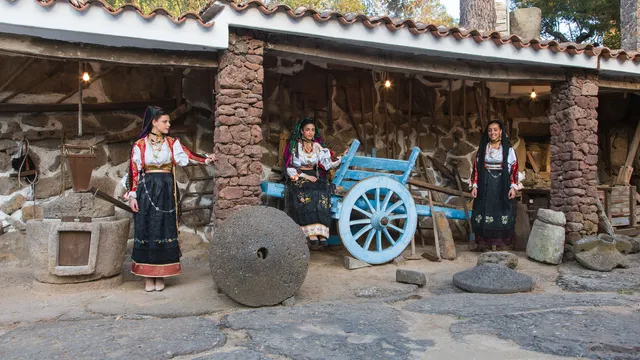
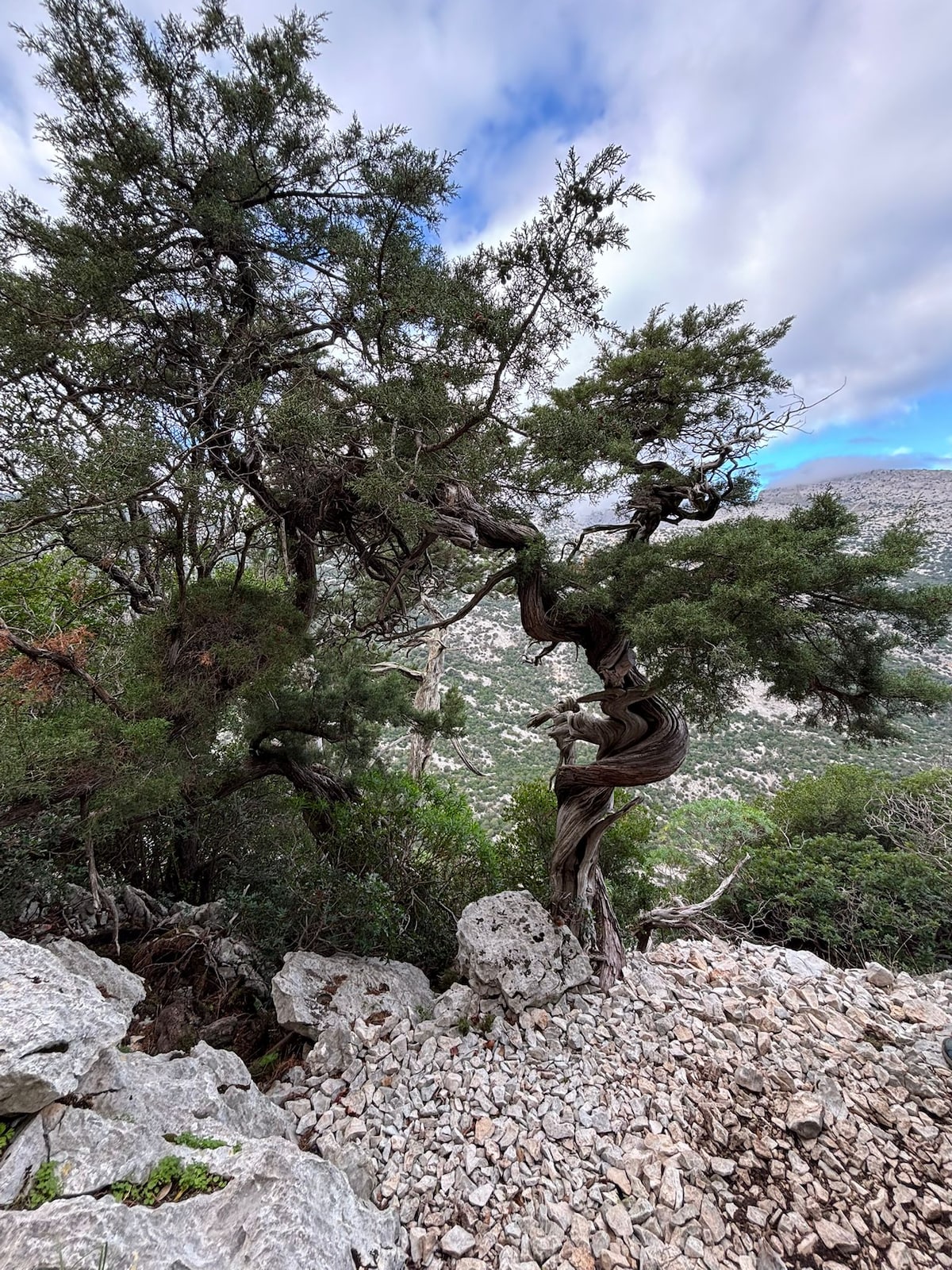
You will have a visit to the sardinian family farm. Your guide is a member of the family, he will tell you everything about the history of the place, the way sardinians were living before, the names of every plant of the territory. He speaks English very well, uses specific vocabulary for every tool in the museum (and there are plenty of different objects!), also he knows the names of plants in German. After the excursion you could visit animals and the garden of the farm. Horses, donkeys, albino donkeys, turkeys, chickens, cows and boars. Perfect for visit with children ☺️ Every animal has a sign with info in Italian, English, German and French. Great work behind!
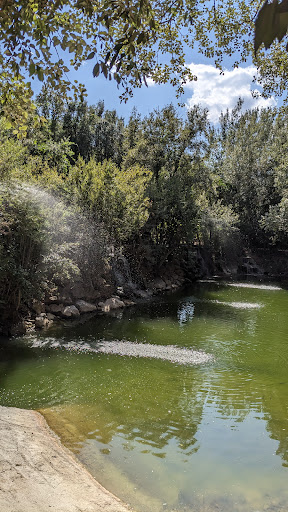
The place itself is beautiful and peaceful. Well organized and clean. Toilets are also clean. You could also order food or just relax under the roof at the marbles...
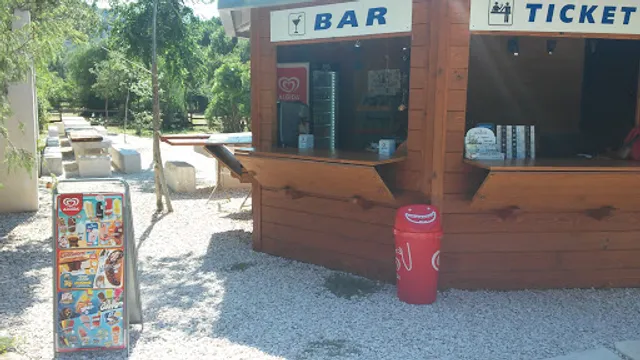
Read moreAn interesting presentation of the normal life of the inhabitants of this part of Sardinia. The guided tour (also in English) includes a short, easy walk around the surrounding area, a tour of a couple of buildings with a display of the typical living facilities of shepherds, ordinary residents. In addition, we see examples of national costumes, tools for producing olive oil, blacksmithing, looms for making cloth, woodworking machines and (surprisingly) a soda machine... All from the end of the 19th or beginning of the 20th century. The last part of the visit is unguided and we can walk by the stables with domestic animals such as donkeys, horses, poultry, pigs... Interesting for children and adults. Worth a visit. Free parking, there is a bar at the entrance where you can get coffee, various other drinks and...
Read more