Basilica di Santa Maria di Collemaggio things to do, attractions, restaurants, events info and trip planning
Basic Info
Basilica di Santa Maria di Collemaggio
Piazzale Collemaggio, 5, 67100 L'Aquila AQ, Italy
4.8(984)
Closed
Save
spot
spot
Ratings & Description
Info
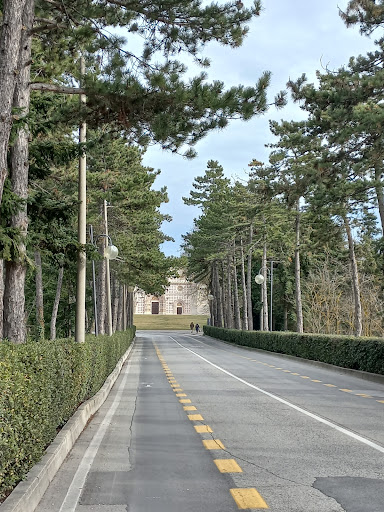
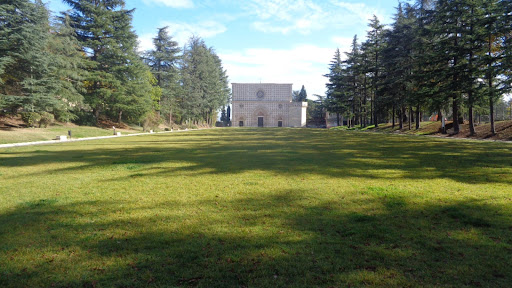
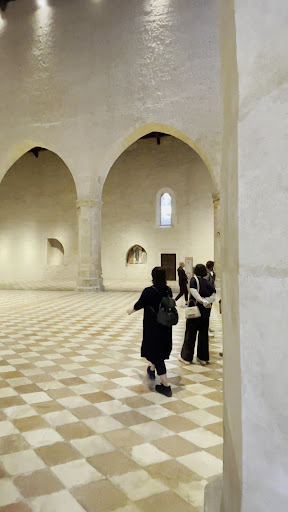
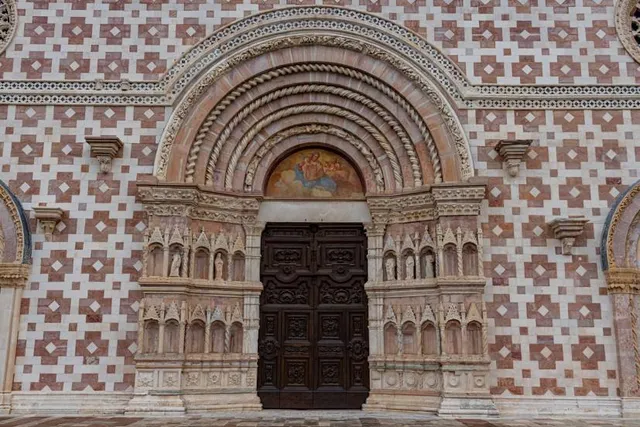
Santa Maria di Collemaggio is a large medieval church in L'Aquila, central Italy. It was the site of the original Papal Jubilee, a penitential observation devised by Pope Celestine V, who is buried there.
Cultural
Accessibility
attractions: Basilica of San Bernardino, Porta Leone, Parco della Memoria, Palazzo Cipolloni Cannella, restaurants: Ristorante L'Unico Posto, Pizzeria Bufalarium - Via Strinella, Ristorante La Mala Lengua, Ristorante Magione Papale, La Cascina del Viaggiatore, La Grotta di Aligi Osteria, Sushikaiten L'Aquila, Antica Trattoria dei Gemelli, Le Tagliatelle di Nonna Dina s.n.c di Sabrina e Francesca Moro., Il Tavernacolo - Osteria, local businesses: Church of Saint Justa, L'Aquila Cathedral, Church of Saint Mary of Suffrage
 Learn more insights from Wanderboat AI.
Website
santamariadicollemaggio.it
Open hoursSee all hours
Tue9 AM - 7 PMClosed
Plan your stay

Pet-friendly Hotels in L'Aquila
Find a cozy hotel nearby and make it a full experience.

Affordable Hotels in L'Aquila
Find a cozy hotel nearby and make it a full experience.

The Coolest Hotels You Haven't Heard Of (Yet)
Find a cozy hotel nearby and make it a full experience.

Trending Stays Worth the Hype in L'Aquila
Find a cozy hotel nearby and make it a full experience.
Reviews
Live events
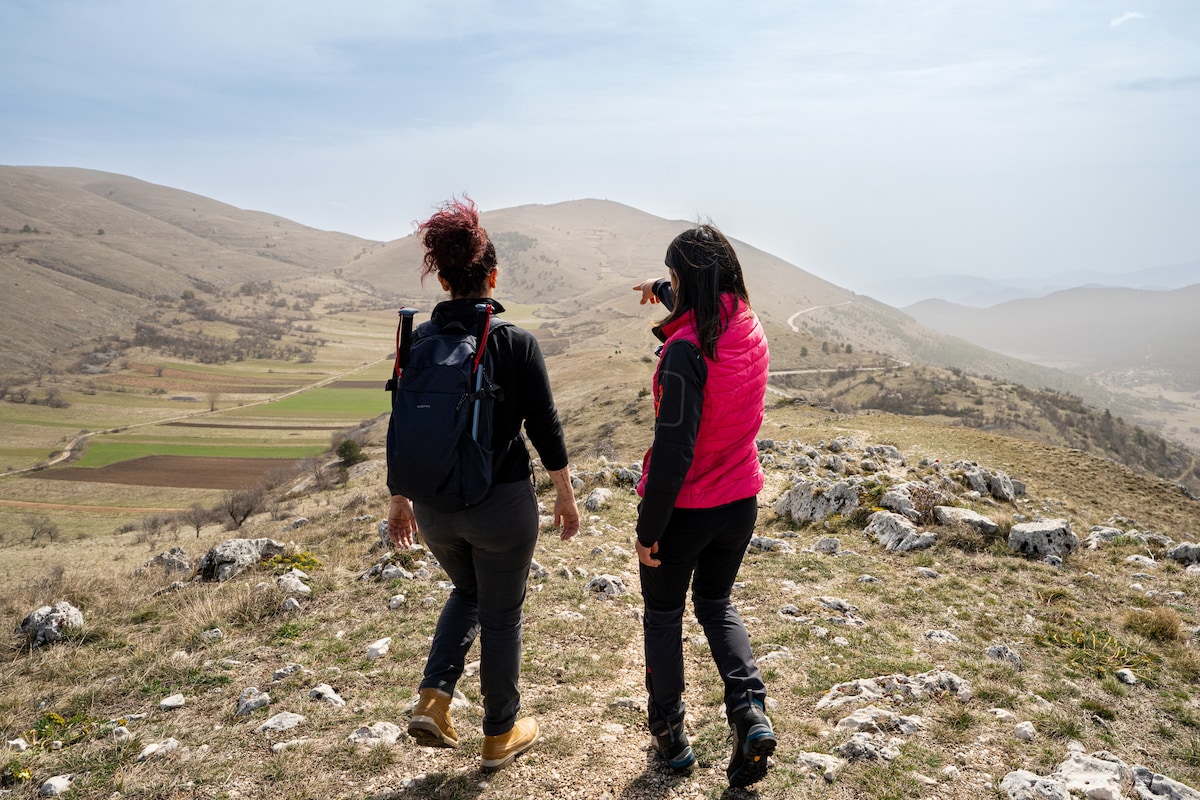
Santo Stefano di S and the castle of Rocca Calascio
Tue, Feb 24 • 10:30 PM
67020, Santo Stefano di Sessanio, Abruzzo, Italy
View details
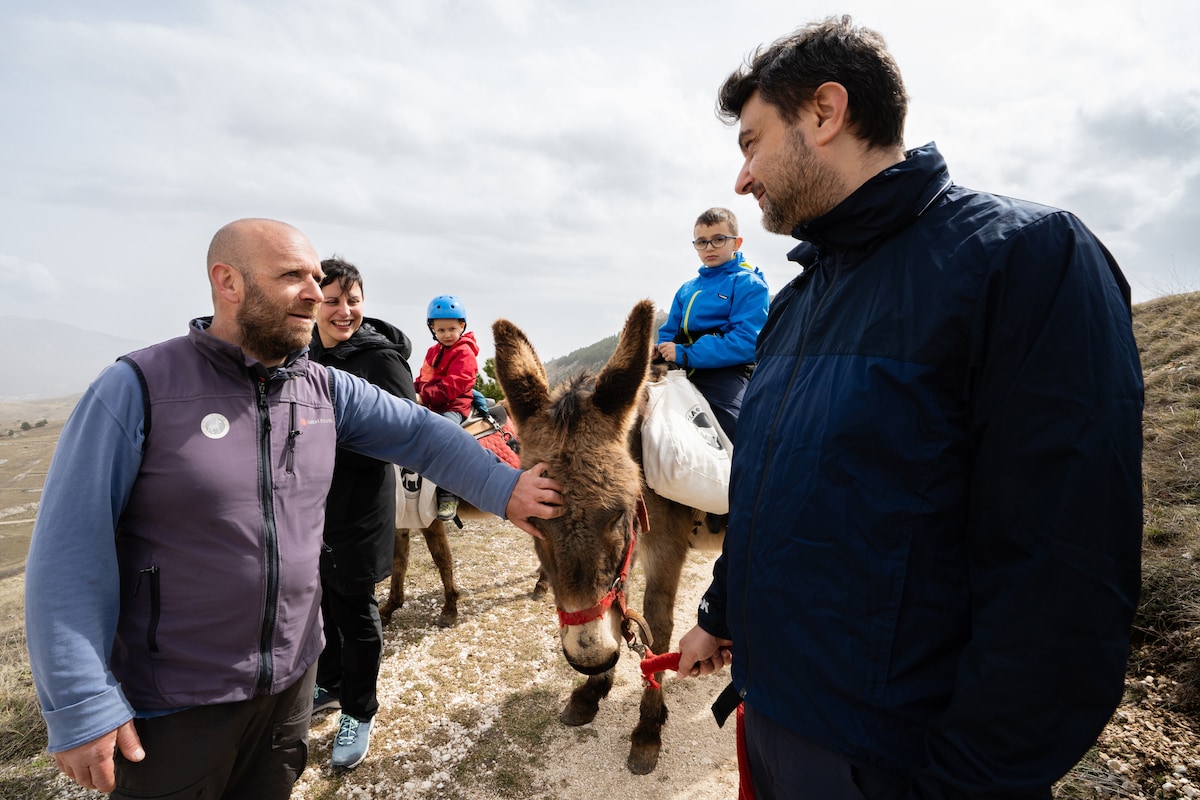
Trek with donkeys to Rocca Calascio
Sat, Feb 28 • 9:45 AM
67020, Provincia dell'Aquila, Abruzzo, Italy
View details

Discover rare carpets and their hidden stories
Wed, Feb 25 • 10:00 AM
67100, L'Aquila, Abruzzo, Italy
View details
Nearby attractions of Basilica di Santa Maria di Collemaggio
Basilica of San Bernardino
Porta Leone
Parco della Memoria
Palazzo Cipolloni Cannella
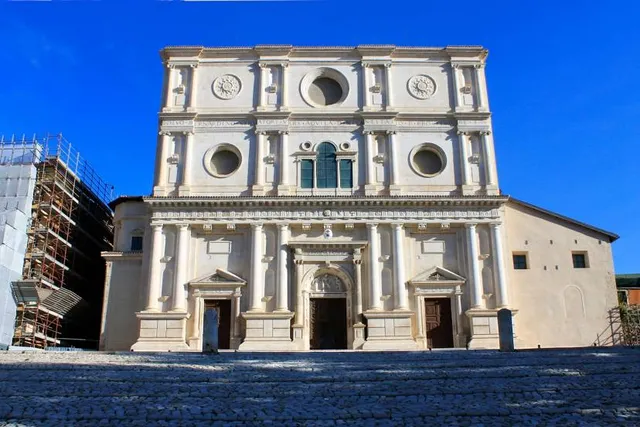
Basilica of San Bernardino
4.7
(975)
Closed
Click for details
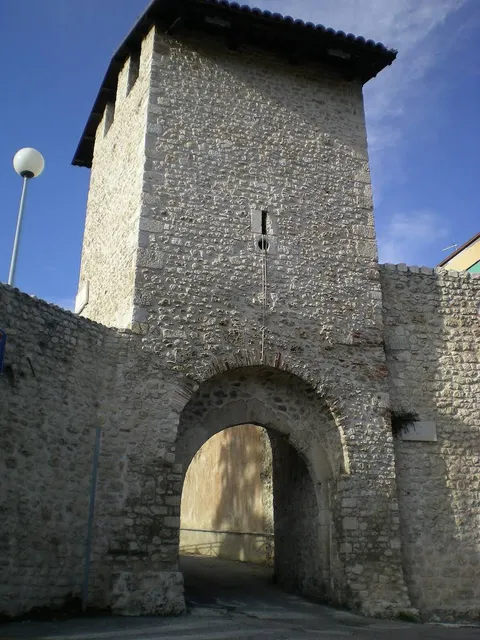
Porta Leone
4.6
(58)
Open until 12:00 AM
Click for details
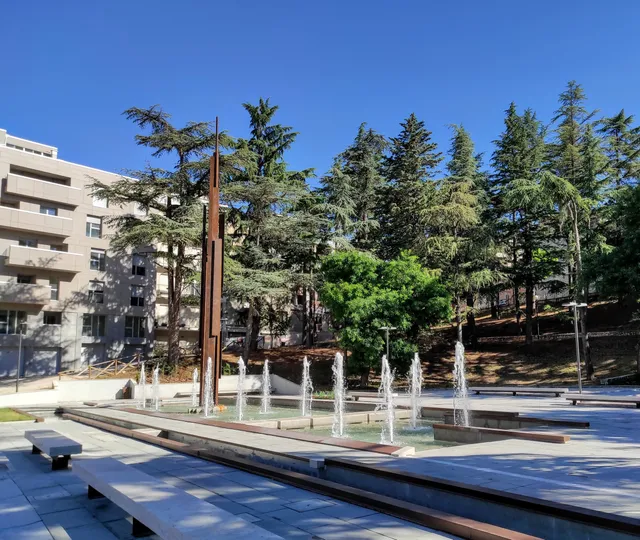
Parco della Memoria
4.5
(47)
Open until 12:00 AM
Click for details
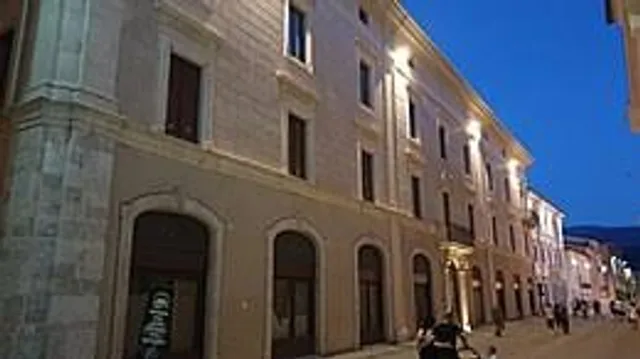
Palazzo Cipolloni Cannella
4.8
(18)
Open 24 hours
Click for details
Nearby restaurants of Basilica di Santa Maria di Collemaggio
Ristorante L'Unico Posto
Pizzeria Bufalarium - Via Strinella
Ristorante La Mala Lengua
Ristorante Magione Papale
La Cascina del Viaggiatore
La Grotta di Aligi Osteria
Sushikaiten L'Aquila
Antica Trattoria dei Gemelli
Le Tagliatelle di Nonna Dina s.n.c di Sabrina e Francesca Moro.
Il Tavernacolo - Osteria
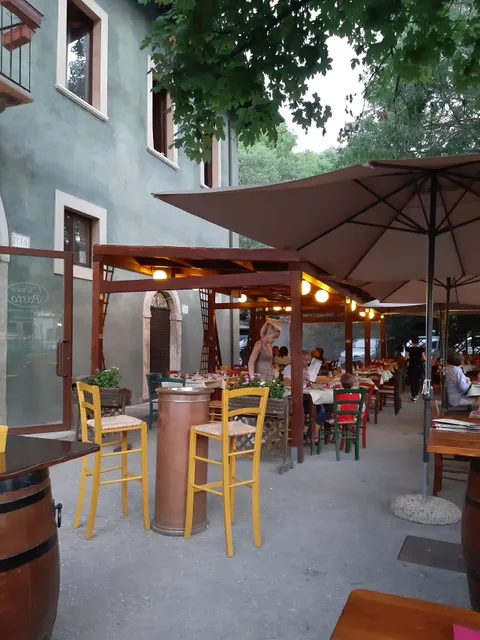
Ristorante L'Unico Posto
4.6
(464)
Closed
Click for details

Pizzeria Bufalarium - Via Strinella
4.4
(418)
Open until 11:30 PM
Click for details
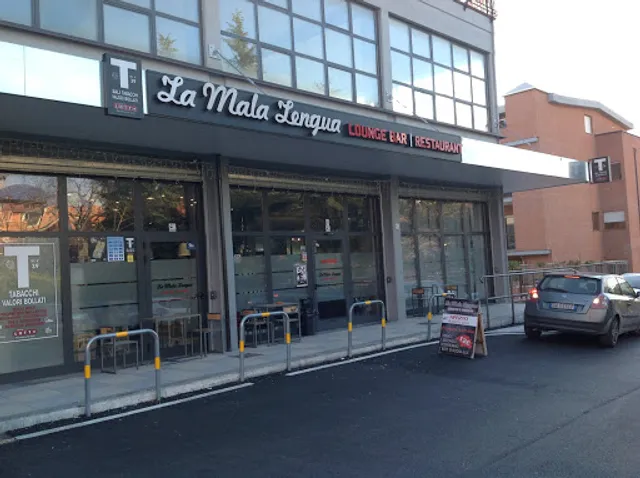
Ristorante La Mala Lengua
4.0
(119)
Closed
Click for details
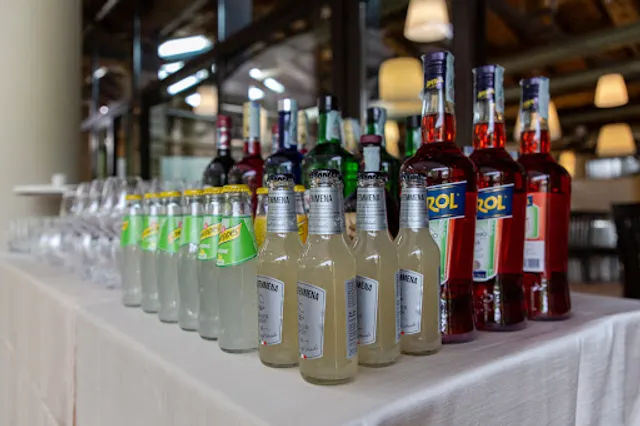
Ristorante Magione Papale
3.6
(7)
Open until 12:00 AM
Click for details
Nearby local services of Basilica di Santa Maria di Collemaggio
Church of Saint Justa
L'Aquila Cathedral
Church of Saint Mary of Suffrage
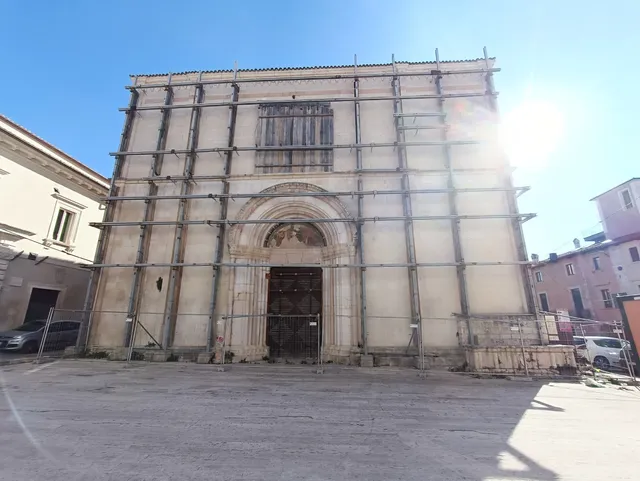
Church of Saint Justa
4.2
(16)
Click for details
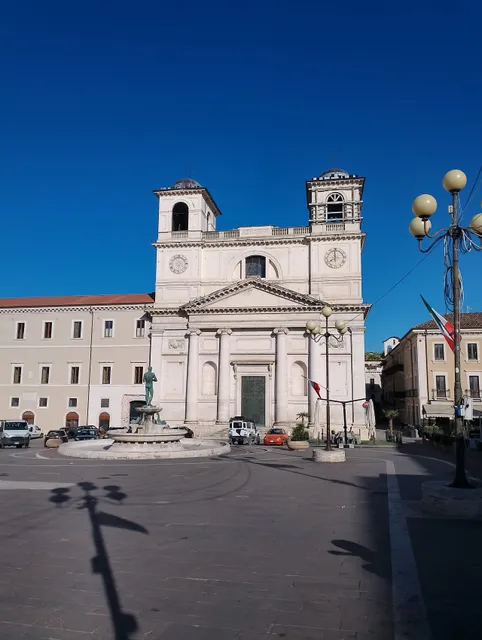
L'Aquila Cathedral
4.6
(634)
Click for details
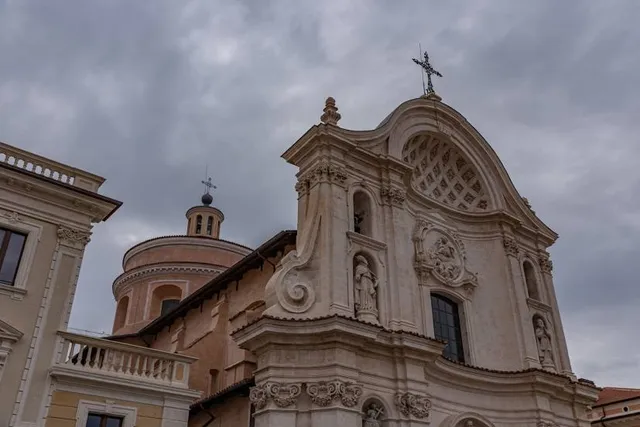
Church of Saint Mary of Suffrage
4.7
(111)
Click for details