Forte Gonzaga things to do, attractions, restaurants, events info and trip planning
Basic Info
Forte Gonzaga
Salita Montepiselli, 98124 Messina ME, Italy
4.0(111)
Open 24 hours
Save
spot
spot
Ratings & Description
Info
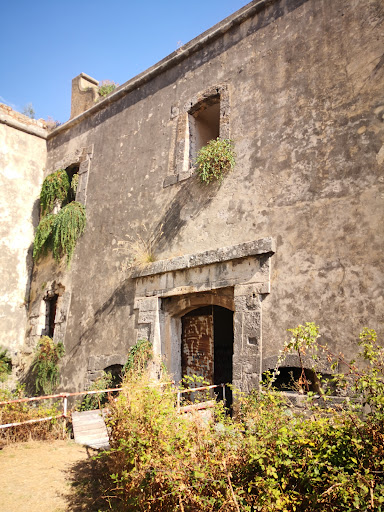
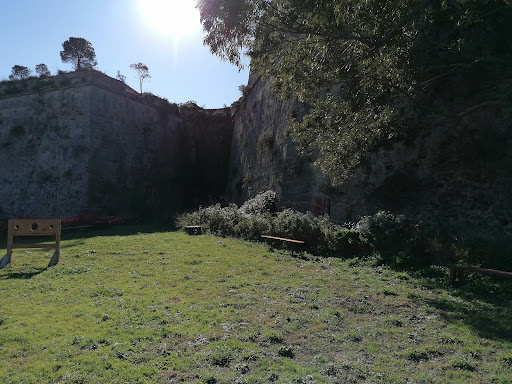
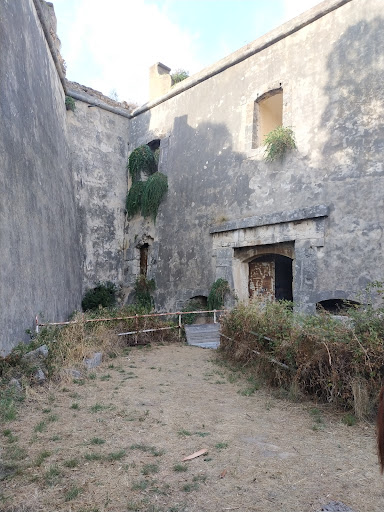
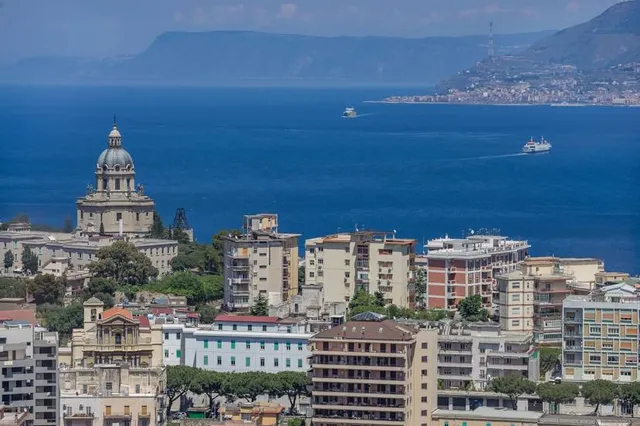
Forte Gonzaga, also known as Castel Gonzaga, is a bastioned fort in Messina, Sicily. It was built in the mid-16th century, and it remained in use by the military until 1973. Today, the fort is in good condition.
Cultural
Scenic
Outdoor
Family friendly
attractions: , restaurants: Pasticceria Principe Panebianco, La Casa della Pizza...panificio..pasticceria, Panificio Delizie di Pane di Pulio Giovanni, Polleria Sbraciamo le mani, Bar Noviziato, Di Pietro ... The Pastry Chef Loredana Di Ermini, Voglia di Pane, Glamour, Ristorante Yoshi, Bar Cannizzaro, local businesses: Macelleria Sullini Salvatore, Church of Saint Mary of the Carmel, Yogurtissimo Messina, Chiesa dello Spirito Santo, Alì Babà by Dream Party
 Learn more insights from Wanderboat AI.
Phone
+39 347 646 0615
Website
associazionegonzaga.it
Plan your stay

Pet-friendly Hotels in Messina
Find a cozy hotel nearby and make it a full experience.

Affordable Hotels in Messina
Find a cozy hotel nearby and make it a full experience.

The Coolest Hotels You Haven't Heard Of (Yet)
Find a cozy hotel nearby and make it a full experience.

Trending Stays Worth the Hype in Messina
Find a cozy hotel nearby and make it a full experience.
Reviews
Live events
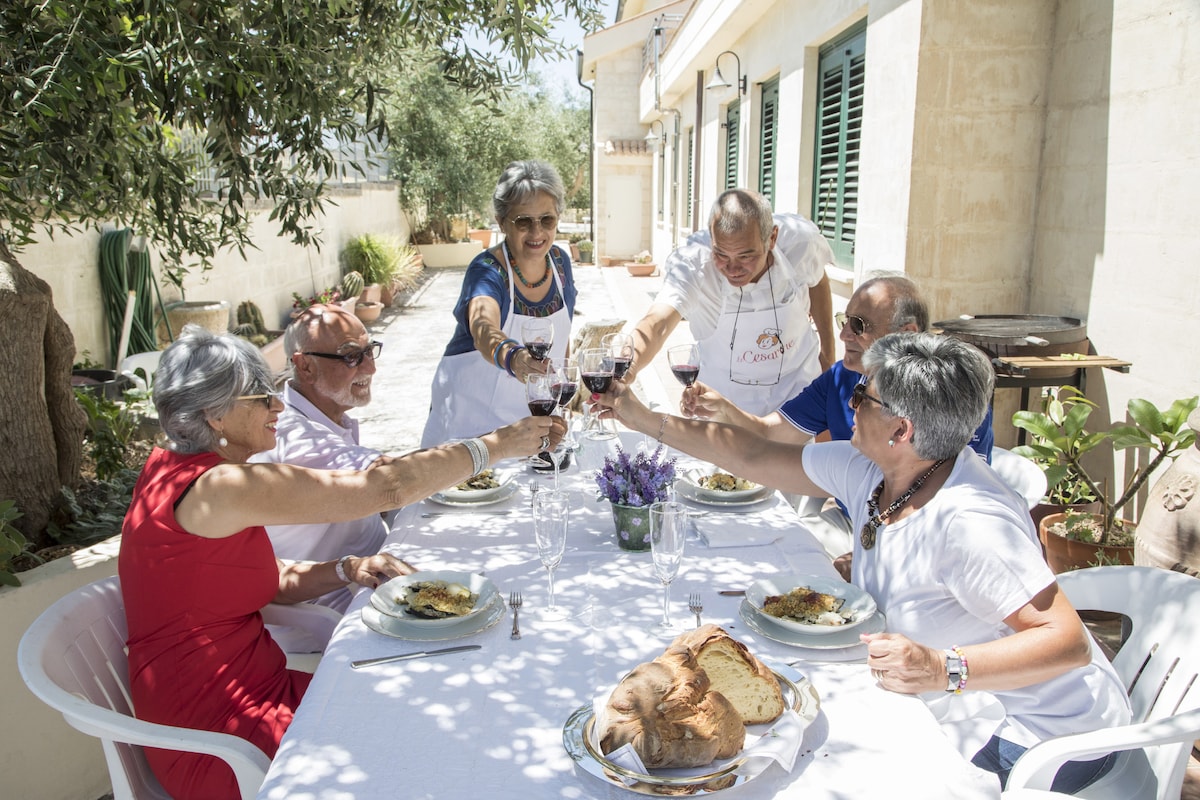
Make traditional pasta and Tiramisu in Messina
Fri, Feb 27 • 5:00 PM
98123, Messina, Sicily, Italy
View details
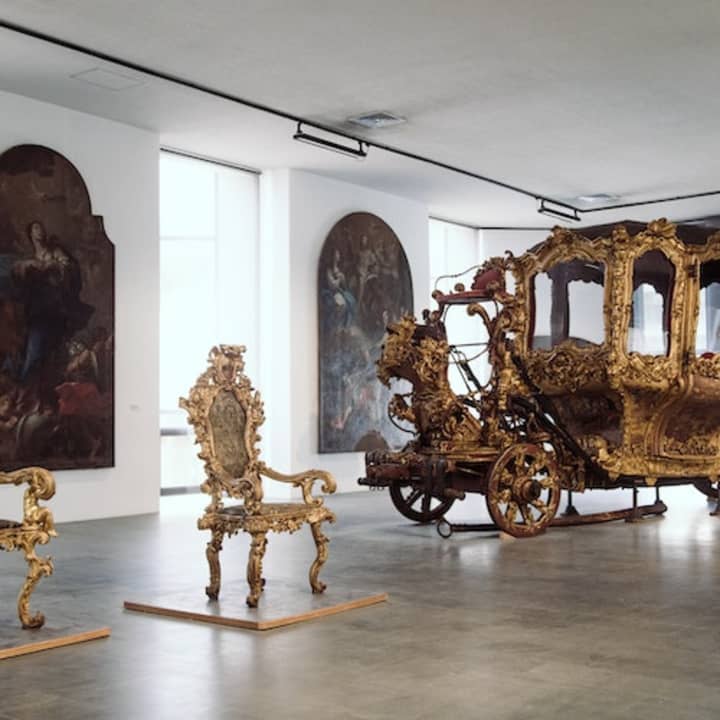
Museo Interdisciplinare Regionale di Messina: Biglietto dingresso
Fri, Feb 27 • 9:30 AM
Viale della Libertà, 465, Messina, 98121
View details

CHE FORTE #1
Sat, Feb 28 • 6:00 PM
Località Forte Petrazza Messina
View details
Nearby restaurants of Forte Gonzaga
Pasticceria Principe Panebianco
La Casa della Pizza...panificio..pasticceria
Panificio Delizie di Pane di Pulio Giovanni
Polleria Sbraciamo le mani
Bar Noviziato
Di Pietro ... The Pastry Chef Loredana Di Ermini
Voglia di Pane
Glamour
Ristorante Yoshi
Bar Cannizzaro
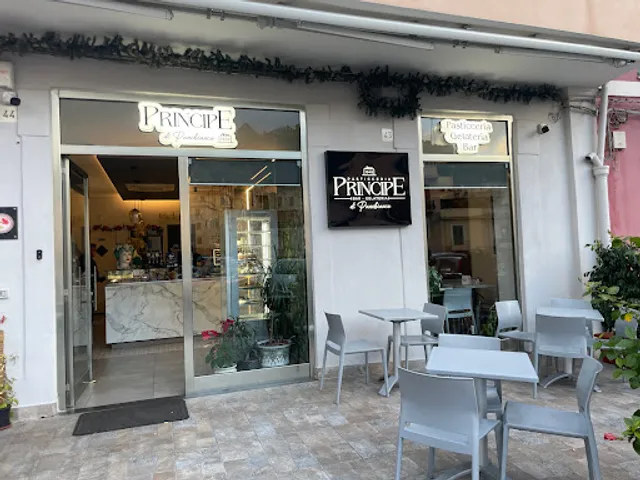
Pasticceria Principe Panebianco
4.6
(85)
$
Closed
Click for details

La Casa della Pizza...panificio..pasticceria
4.4
(57)
Closed
Click for details
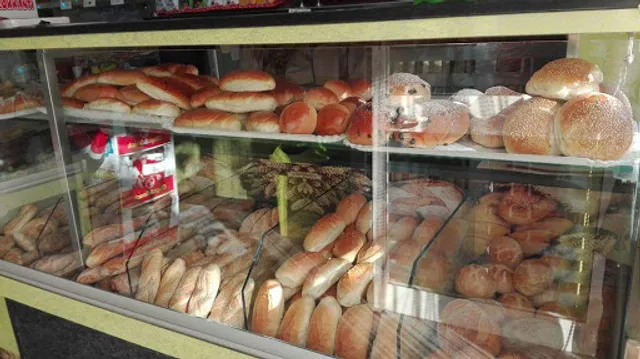
Panificio Delizie di Pane di Pulio Giovanni
4.7
(34)
Closed
Click for details
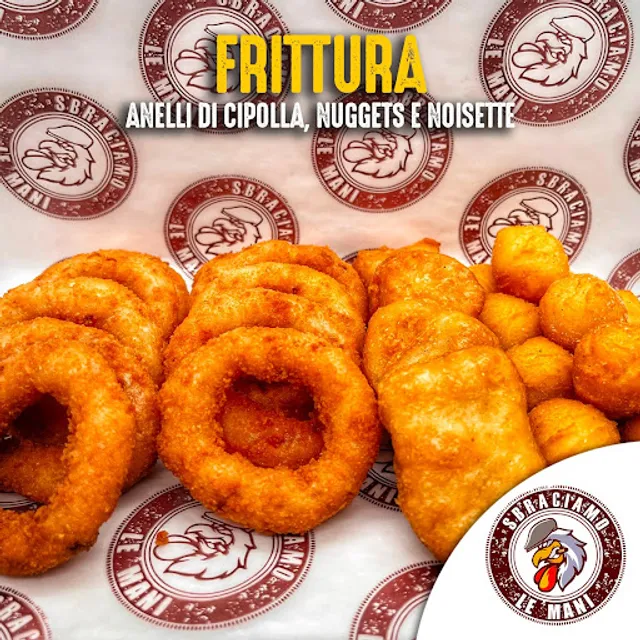
Polleria Sbraciamo le mani
4.4
(79)
Closed
Click for details
Nearby local services of Forte Gonzaga
Macelleria Sullini Salvatore
Church of Saint Mary of the Carmel
Yogurtissimo Messina
Chiesa dello Spirito Santo
Alì Babà by Dream Party
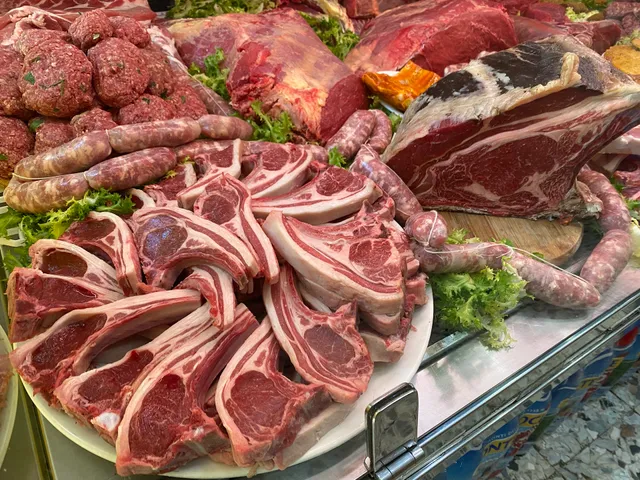
Macelleria Sullini Salvatore
4.7
(19)
Click for details
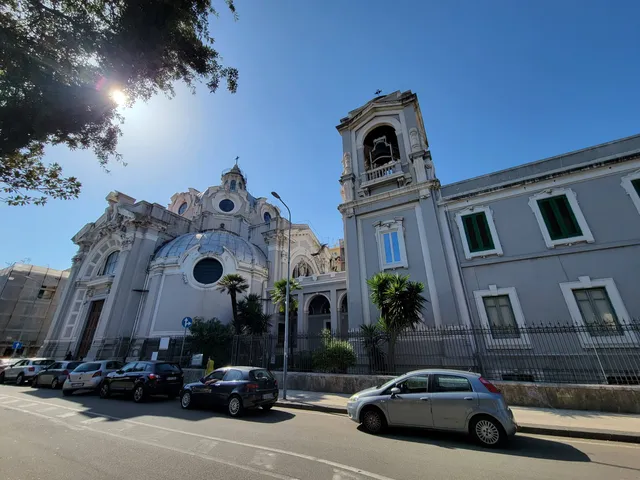
Church of Saint Mary of the Carmel
4.3
(118)
Click for details
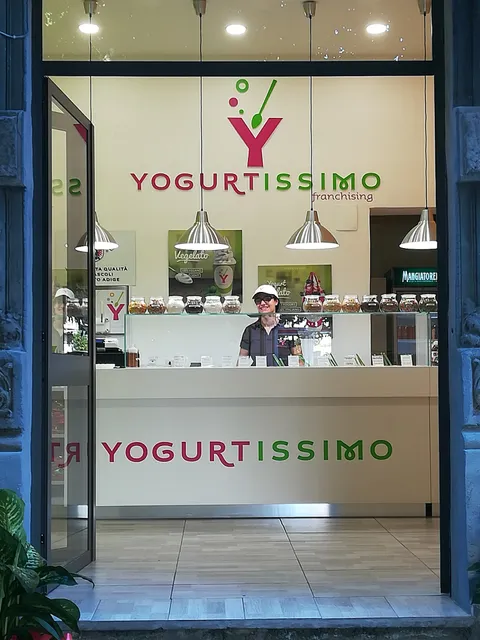
Yogurtissimo Messina
4.3
(186)
Click for details
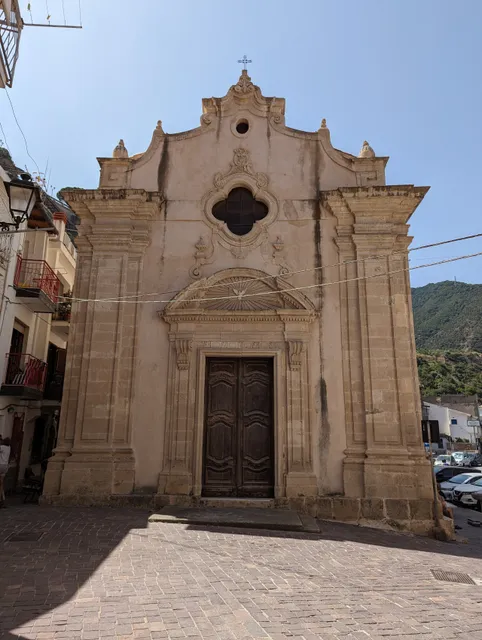
Chiesa dello Spirito Santo
4.1
(11)
Click for details