Santuario di San Michele Arcangelo things to do, attractions, restaurants, events info and trip planning
Basic Info
Santuario di San Michele Arcangelo
Via Reale Basilica, 127, 71037 Monte Sant'Angelo FG, Italy
4.8(5.2K)
Open until 6:00 PM

tickets
Save
spot
spot
Ratings & Description
Info
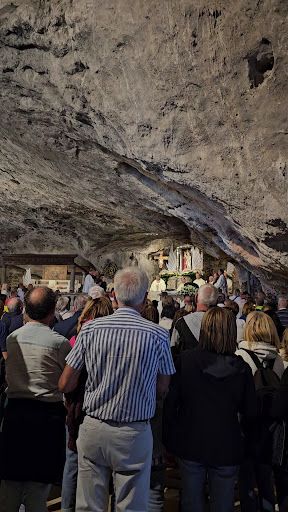
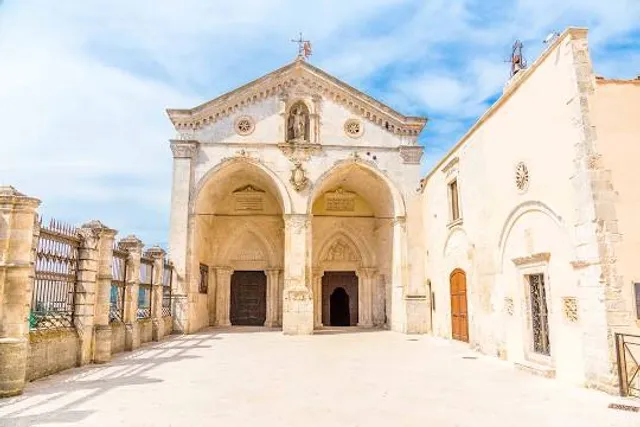
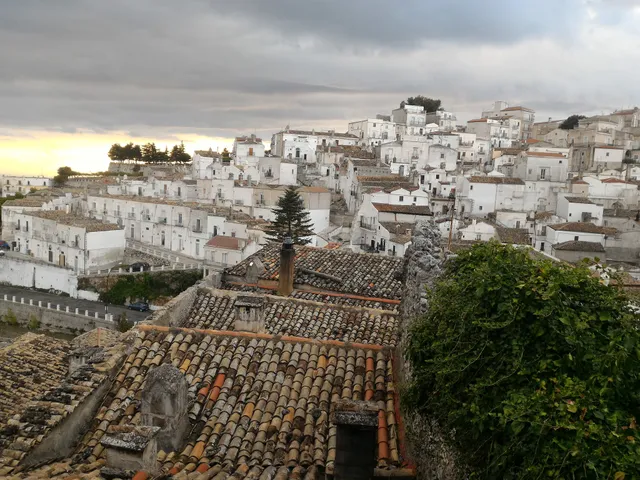
The Sanctuary of Saint Michael the Archangel is a Roman Catholic shrine on Mount Gargano, Italy, part of the commune of Monte Sant'Angelo, in the province of Foggia, northern Apulia. It has the dignity of a minor basilica.
Cultural
Family friendly
Accessibility
attractions: Monte Sant'Angelo castle, Baptistery of San Giovanni in Tumba, Church of Saint Mary 'Maggiore', restaurants: Al Battistero, Medioevo, Bar Ristorante CibuS, SixtySeven, Ristorante Al Barone, Li Jalantuùmene, Ristorante San Michele, Ristorante La Caravella, Drengots Beer Food e Lounge bar, Il Boccone, local businesses: Baptistery of San Giovanni, Chiesa della Madonna della Libera, Museu das Artes e das Tradições Populares do Gargano Giovanni Tancredi
 Learn more insights from Wanderboat AI.
Phone
+39 0884 561150
Website
santuariosanmichele.it
Open hoursSee all hours
Sun7:30 a.m. - 12:30 p.m., 2:30 - 6 p.m.Open
Plan your stay

Pet-friendly Hotels in Monte Sant'Angelo
Find a cozy hotel nearby and make it a full experience.

Affordable Hotels in Monte Sant'Angelo
Find a cozy hotel nearby and make it a full experience.

The Coolest Hotels You Haven't Heard Of (Yet)
Find a cozy hotel nearby and make it a full experience.

Trending Stays Worth the Hype in Monte Sant'Angelo
Find a cozy hotel nearby and make it a full experience.
Reviews
Live events

5RITMI® • LONDA
Fri, Feb 27 • 5:30 PM
163 Via Natale Maria Cimaglia 71043 Manfredonia
View details
Nearby attractions of Santuario di San Michele Arcangelo
Monte Sant'Angelo castle
Baptistery of San Giovanni in Tumba
Church of Saint Mary 'Maggiore'
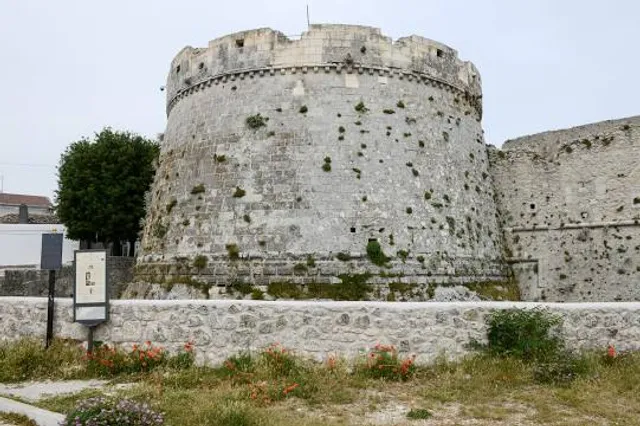
Monte Sant'Angelo castle
4.6
(765)
Open until 5:30 PM
Click for details
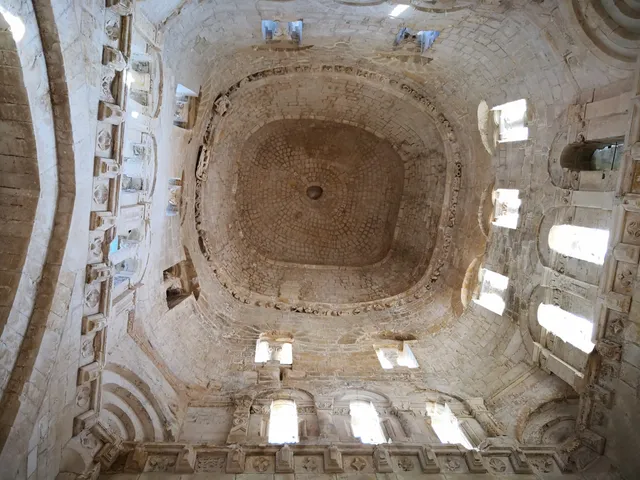
Baptistery of San Giovanni in Tumba
4.6
(53)
Closed
Click for details
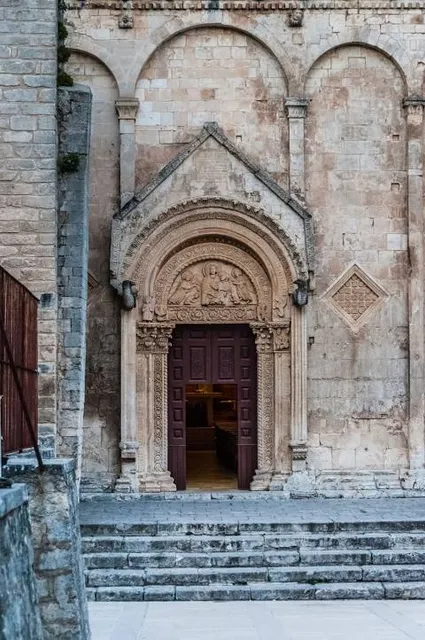
Church of Saint Mary 'Maggiore'
4.7
(64)
Open 24 hours
Click for details
Nearby restaurants of Santuario di San Michele Arcangelo
Al Battistero
Medioevo
Bar Ristorante CibuS
SixtySeven
Ristorante Al Barone
Li Jalantuùmene
Ristorante San Michele
Ristorante La Caravella
Drengots Beer Food e Lounge bar
Il Boccone
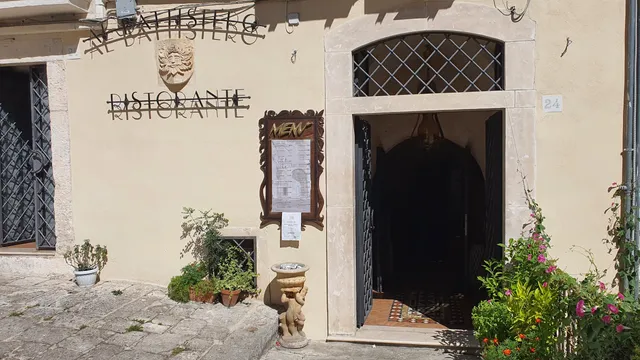
Al Battistero
4.6
(267)
Open until 3:30 PM
Click for details
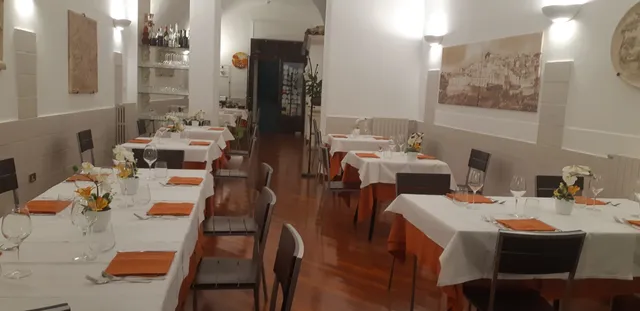
Medioevo
4.6
(324)
Open until 12:00 AM
Click for details
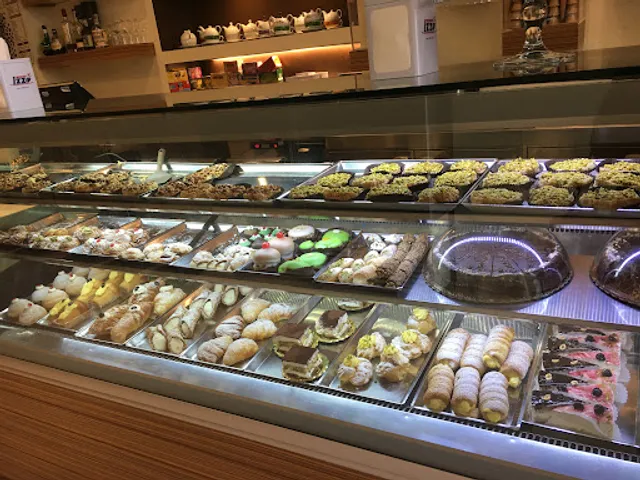
Bar Ristorante CibuS
3.7
(107)
Click for details
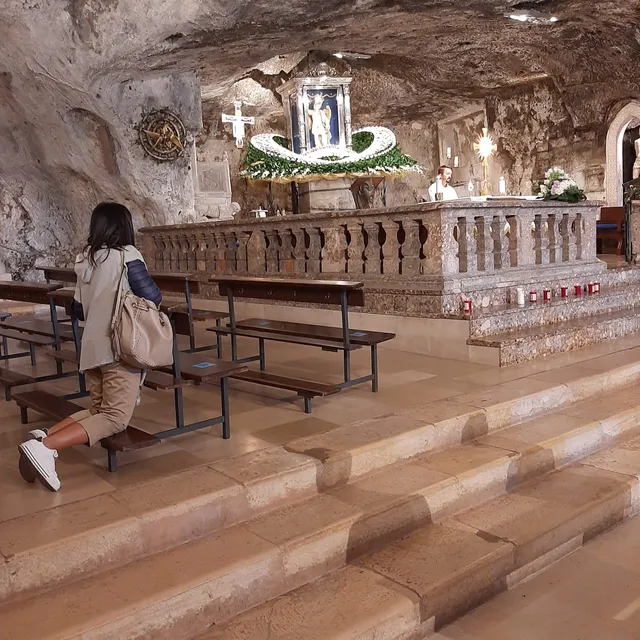
SixtySeven
4.3
(101)
Closed
Click for details
Nearby local services of Santuario di San Michele Arcangelo
Baptistery of San Giovanni
Chiesa della Madonna della Libera
Museu das Artes e das Tradições Populares do Gargano Giovanni Tancredi
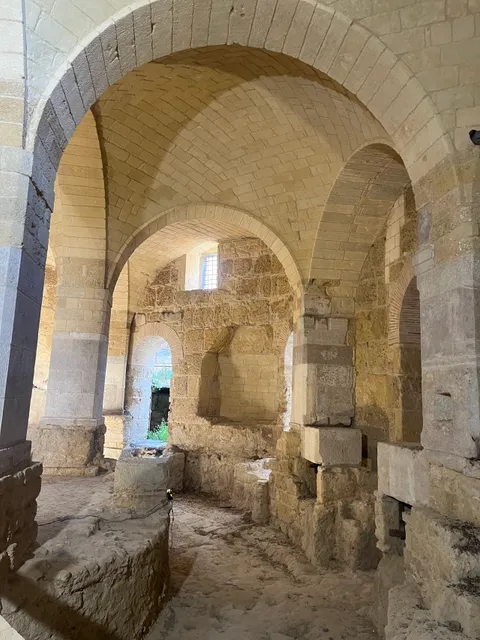
Baptistery of San Giovanni
4.4
(97)
Click for details
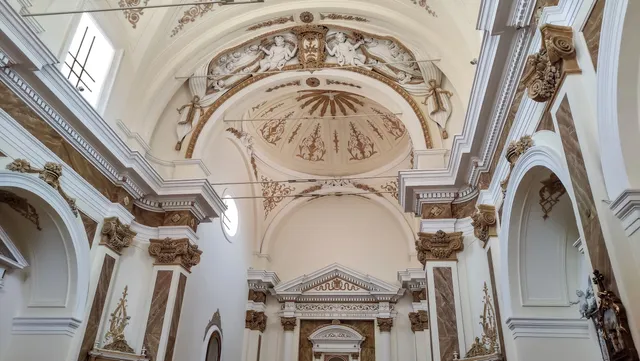
Chiesa della Madonna della Libera
4.8
(17)
Click for details
Museu das Artes e das Tradições Populares do Gargano Giovanni Tancredi
4.2
(17)
Click for details