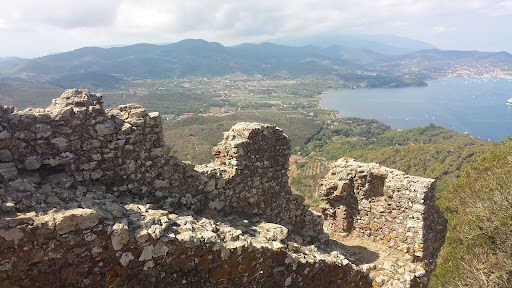
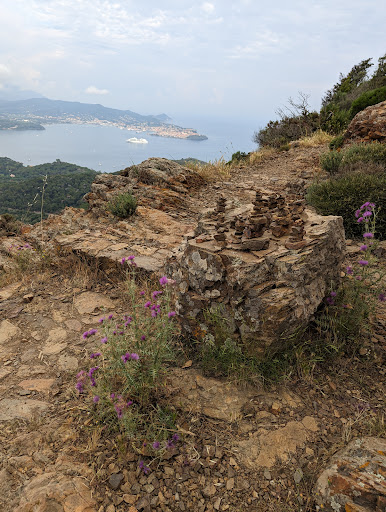
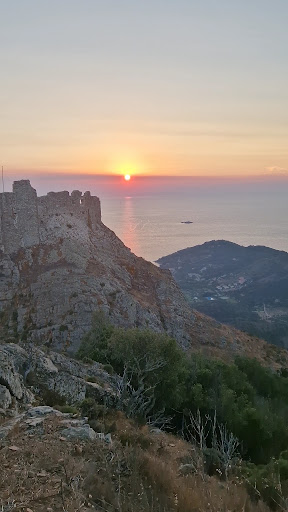
During my recent trip to Elba Island, I had the pleasure of visiting Castello del Volterraio, and it proved to be an extraordinary experience that transported me back in time. Nestled atop a verdant hill, this medieval fortress offers a captivating blend of history, breathtaking views, and a sense of wonder.
Upon approaching the castle, I was immediately struck by its imposing presence and well-preserved architecture. The stone walls, sturdy towers, and crenellations speak of a rich history that has endured centuries. As I walked through the gatehouse, I couldn't help but feel a sense of awe and anticipation for what lay ahead.
Exploring the castle's interior was like stepping into a medieval tale. The winding staircases, narrow passages, and intriguing chambers evoked a sense of mystery and intrigue. Each room had its own story to tell, adorned with period furnishings, armor, and artwork that provided a glimpse into the castle's past. The knowledgeable guides were passionate about sharing the history and legends associated with Castello del Volterraio, enhancing the immersive experience.
One of the highlights of my visit was ascending to the top of the castle's towers. The panoramic views of the surrounding landscape were absolutely breathtaking. The azure sea stretching into the horizon, the lush greenery of the island, and the picturesque towns nestled below created a postcard-worthy scene. It was an awe-inspiring vantage point that allowed me to appreciate the beauty of Elba Island from a unique perspective.
The castle's surroundings were equally enchanting. The sprawling grounds offered a tranquil setting for leisurely walks, picnics, and moments of contemplation. The meticulously maintained gardens, with their vibrant flowers and aromatic herbs, added a touch of natural beauty to the medieval fortress. Exploring the castle's fortifications and outer walls was like embarking on a journey through time, with surprises awaiting around every corner.
The Castello del Volterraio experience is not complete without mentioning the onsite restaurant. Nestled within the castle's walls, it offered a delightful dining experience. The menu featured a variety of authentic Tuscan dishes, prepared with locally sourced ingredients. The combination of traditional flavors, attentive service, and the castle's ambiance created a truly memorable culinary experience.
One aspect that impressed me throughout my visit was the commitment to preserving and maintaining Castello del Volterraio. The restoration efforts and attention to detail were evident in every nook and cranny, ensuring an authentic experience for visitors. The dedication of the staff and the local community to the castle's preservation is commendable and adds to the overall allure of the destination.
In conclusion, a trip to Castello del Volterraio is a journey into history that should not be missed. Its well-preserved architecture, captivating interiors, panoramic views, and serene surroundings make it a remarkable destination. Whether you are a history enthusiast, an admirer of architecture, or simply seeking a unique experience on Elba Island, Castello del Volterraio promises an unforgettable adventure that will leave you with...
Read moreSappiamo che nelle sue forme più o meno attuali nacque nel Medioevo, ma anche qui è difficile porre un periodo preciso. La prima notizia certa che ciò giunge è del 1281, un provvedimento del governo di Pisa, sotto cui ricadeva l'Elba, di mandare due capitani da guerra e l'ingegnere Vanni di Gherardo Rau a occuparsi del castello. Quali lavori dovesse svolgere qui è piuttosto vago: si trattò di fondazione, ingrandimento o semplice ristrutturazione. Il primo assedio documentato è del 1402, quando i genovesi occuparono l'Elba, adesso governata dai principi Appiani di Piombino. Gli elbani si rifugiarono nei forti sparsi per l'isola: il Volterraio accolse i riesi. I liguri si dettero ad assaltare tutti i luoghi fortificati, ma per quanti tentativi facessero in allora , scrive lo storico elbano Giuseppe Ninci, per far cadere il Volterraio, non poterono riuscirvi in alcun modo . Il forte ha una forma di un ovale irregolare, anche a causa del non accentuato ma comunque presente dislivello del terreno. Inoltre occorre tener presente che vi sono stati apportati miglioramenti e aggiunte in progresso di secoli. L'accesso al castello avveniva tramite un ponte levatoio, da cui si accedeva all'esterno da una scala in muratura. Appena entrati sulla destra si trova il pozzo della cisterna, elemento indispensabile per la riserva idrica della guarnigione. Vicino a esso si può salire sul camminò di ronda, che circondava tutto il perimetro, oggi ridotto in pessimo stato. Nell'angolo che guarda il fianco d'accesso il camminamento si allarga in un piccolo piazzale, interrotto da una sola garitta. Questo è infatti il punto maggiormente attaccabile, e quindi dove si doveva concentrare l'artiglieria. Oggi costituisce una terrazza panoramica incomparabile. Nella parte più alta svetta la torre quadrangolare, pericolante e in penosamente sventrata. Si ritiene essere il nucleo originario della piazzaforte. Realizzata su tre piani, quello superiore era guarnito di merli, e su di esso venivano accesi fuochi di segnalazione per comunicare agli altri forti il pericolo. Era stata anche munita di un ponte levatoio in modo da renderla il punto di difesa estremo in caso di necessità. Nel lato sud si trova un rivellino di forma pentagonale, dai parapetti molto alti in cui si aprono numerose feritoie. Realizzato molto più tardi rispetto alle altre opere, serviva come ulteriore difesa dell'ingresso. All'interno si trovava il magazzino della polvere. Gli ambienti coperti erano diversi, ma oggi ne restano in piedi solo due. Si trovano entrambi sul lato occidentale del forte. Quello di sinistra era il magazzino e deposito di artiglieria. Da esso un ripido scoscendimento porta a un'apertura che comunica con l'esterno, ed è di solito da qui che si accede con qualche difficoltà al castello. Quello di destra, sormontato da un fregio sinuoso, era la cappella, in cui ancora si notano i resti dell'altare. Più o meno al centro del fortilizio c'era il quartiere coperto, di cui oggi rimangono solo le fondazioni sepolte dalla vegetazione e dai detriti. Esso era diviso in una caserma dei soldati e negli ambienti di pertinenza del castellano. Vi era inoltre un forno, struttura anch'essa basilare per un caposaldo...
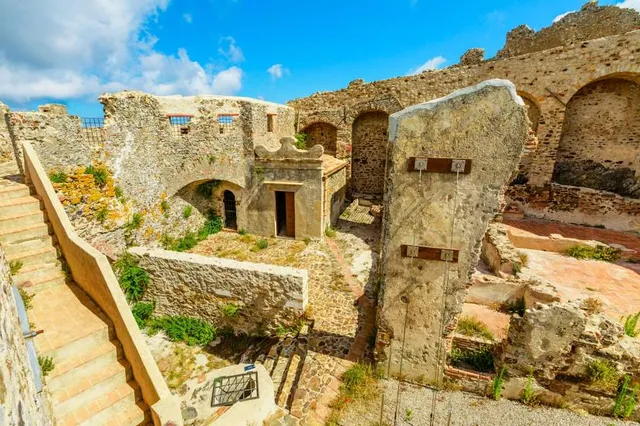
Read moreThe hike up has gotten much easier over the last decade, it's still rather steep but nothing too bad. The castle was closed when we arrived but you still get a great view from around the castle, there's nearby hills to climb as well. If you want to get inside of the castle you'll have to book a private tour which is quite expensive however during the summer it's apparently sometimes open to visitors in...
Read more