HTML SitemapExplore
Find Things to DoFind The Best Restaurants

Castello di Acquafredda — Attraction in Siliqua

Name
Castello di Acquafredda
Description
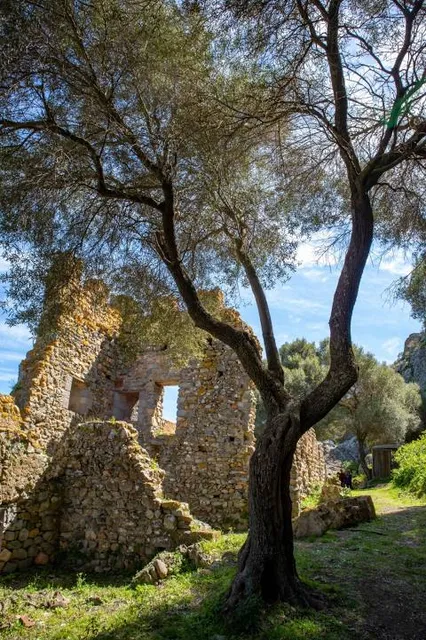
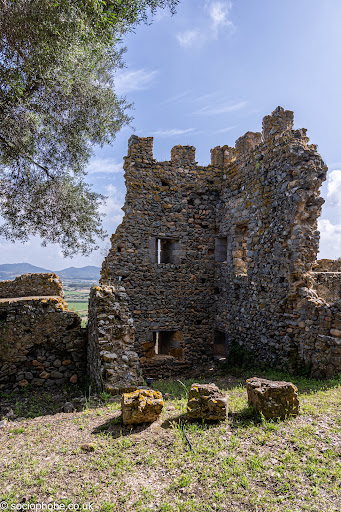
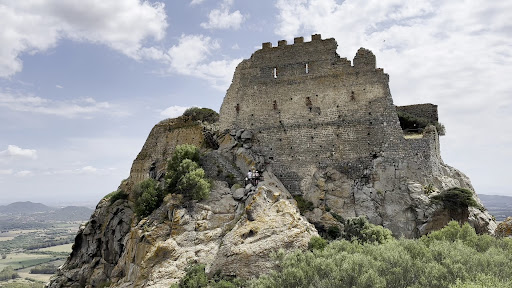
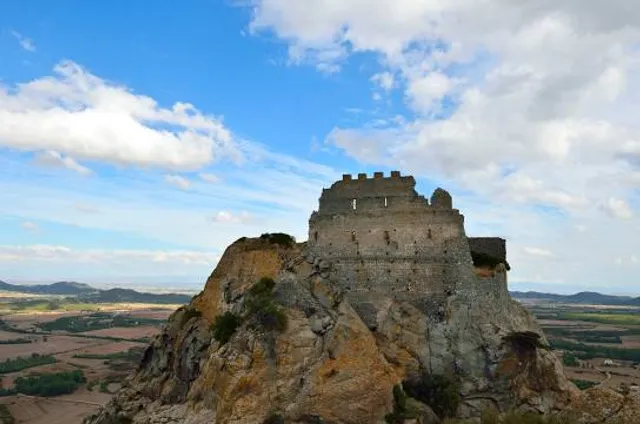
The Castle of Acquafredda is a medieval castle in Siliqua, province of South Sardinia, Italy.
Nearby attractions
Domo Andesitico di Acquafredda
Strada Statale 293 di giba, km 35, 09010 Siliqua CA, Italy
Nearby restaurants
Nearby hotels
Related posts
Keywords
Castello di Acquafredda tourism.Castello di Acquafredda hotels.Castello di Acquafredda bed and breakfast. flights to Castello di Acquafredda.Castello di Acquafredda attractions.Castello di Acquafredda restaurants.Castello di Acquafredda travel.Castello di Acquafredda travel guide.Castello di Acquafredda travel blog.Castello di Acquafredda pictures.Castello di Acquafredda photos.Castello di Acquafredda travel tips.Castello di Acquafredda maps.Castello di Acquafredda things to do.
Castello di Acquafredda things to do, attractions, restaurants, events info and trip planning
Castello di Acquafredda
ItalySardiniaSiliquaCastello di Acquafredda

Basic Info

Castello di Acquafredda

Strada Statale 293 di Giba, Km35, 09010 Siliqua CA, Italy
4.7(511)
Open 24 hours
Save
spot

Ratings & Description

Info

The Castle of Acquafredda is a medieval castle in Siliqua, province of South Sardinia, Italy.

Cultural
Scenic
Adventure
Family friendly
Off the beaten path
attractions: Domo Andesitico di Acquafredda, restaurants:
logoLearn more insights from Wanderboat AI.
Phone
+39 349 156 4023
Website
castellodiacquafredda.com

Plan your stay

hotel
Pet-friendly Hotels in Siliqua
Find a cozy hotel nearby and make it a full experience.

hotel
Affordable Hotels in Siliqua
Find a cozy hotel nearby and make it a full experience.

hotel
The Coolest Hotels You Haven't Heard Of (Yet)
Find a cozy hotel nearby and make it a full experience.

hotel
Trending Stays Worth the Hype in Siliqua
Find a cozy hotel nearby and make it a full experience.

Reviews

Nearby attractions of Castello di Acquafredda

Domo Andesitico di Acquafredda

Domo Andesitico di Acquafredda

Domo Andesitico di Acquafredda

4.7

(42)

Open 24 hours
Click for details

Things to do nearby

Cagliari Food Tour - Sardinia Flavors with a Local
Mon, Dec 29 • 11:00 AM
09124, Cagliari, Sardinia, Italy
View details
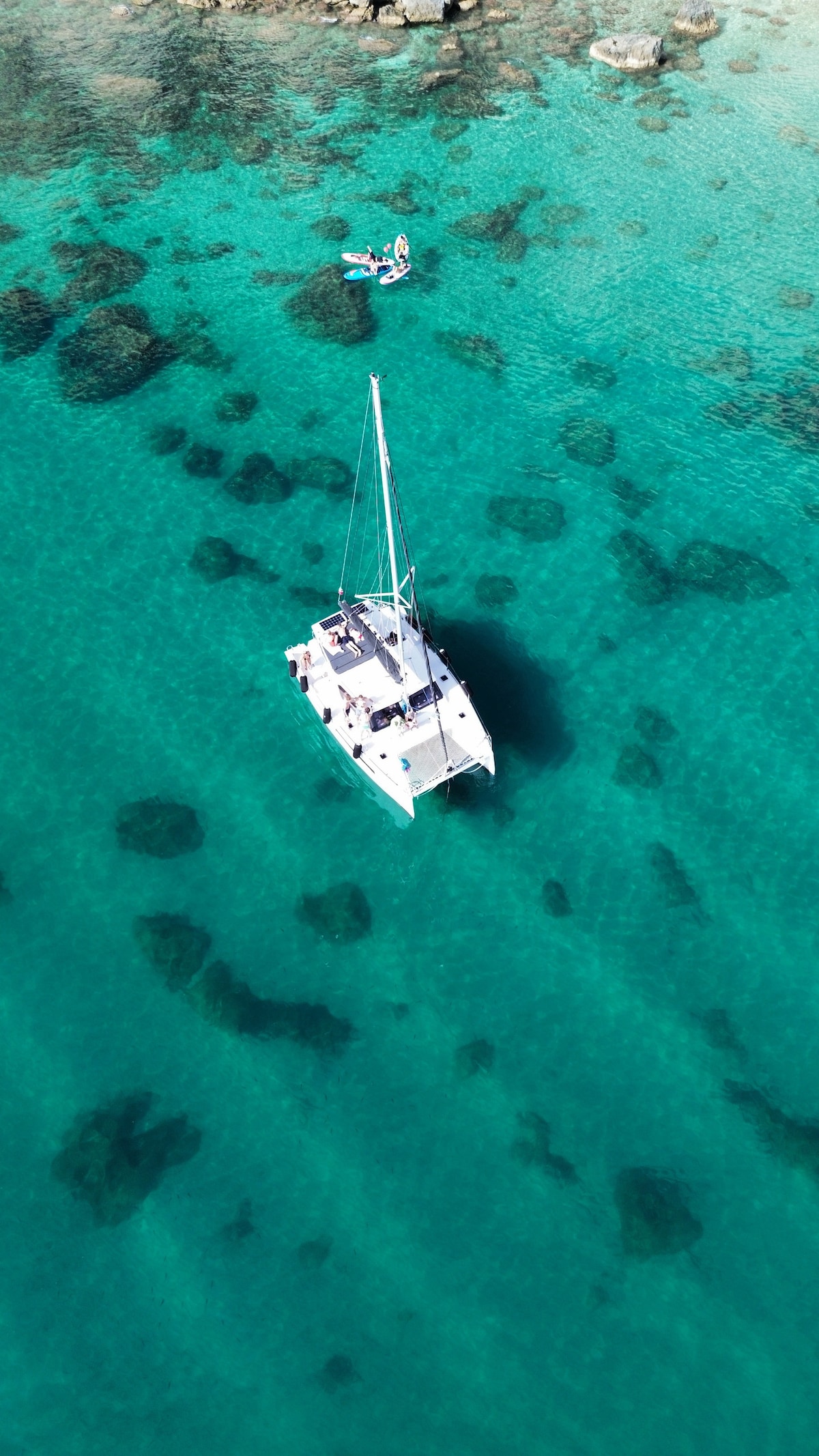
Sail to the Devils Saddle by catamaran
Sat, Dec 27 • 10:00 AM
09125, Cagliari, Sardinia, Italy
View details

Discover the typical products of the San Benedetto market
Tue, Dec 30 • 10:00 AM
09128, Cagliari, Sardinia, Italy
View details
Get the Appoverlay
Get the AppOne tap to find yournext favorite spots!
Wanderboat LogoWanderboat

Your everyday Al companion for getaway ideas

CompanyAbout Us
InformationAI Trip PlannerSitemap
SocialXInstagramTiktokLinkedin
LegalTerms of ServicePrivacy Policy

Get the app

© 2025 Wanderboat. All rights reserved.

Reviews of Castello di Acquafredda

4.7
(511)
avatar
5.0
3y

According to tradition, the castle of Acquafredda was built by the Donoratico della Gherardesca family when they took possession of the southwestern part of the Sardinia. In fact, count Ugolino dei Donoratico, a nobleman of Cagliari who was immortalized by Dante in Canto 23 of Inferno in the Divine Comedy, became the owner of the castle in 1257, while the fortress is older and was mentioned in a papal bull of 1215. After the death of Ugolino (1288), it went to Pisa, then to the Aragonese (1324) and later on from one feudal lord to another until it was redeemed by Victor Amadeus III of Savoy (1785).

From the top of a hill, the castle dominates the territory of Siliqua, which is four kilometres away. After climbing its slopes, the landscape varies from the green valley of Cixerri to Cagliari and from Marmilla to the Iglesiente area. From sunrise to sunset, you can see its shadows growing longer across the valley. It rises up out of the Mediterranean scrub and it has three levels that blend harmoniously with the sloping ground. You will enter at a height of 150 metres through a door that was once defended by three towers joined together by a boundary wall. The central one still survives and has recently been renovated. Inside the defensive line, there was the village with dwellings, warehouses, stables, cisterns and mills. Halfway up, at about 200 metres, stands the formidable cistern tower, which provided a huge supply of water: not surprisingly, the name Acquafredda comes from a spring that flows from the rocks on the hillside. In the highest part (250 metres) stand the impressive walls of the fortified tower, the dwelling of the castellan, accessible via a drawbridge. The building had a basement with a cistern (still well-preserved), two floors and a terrace fortified with 'Guelph' merlons. The entrance led to an open space, around which the rooms were located. On the second floor, you can admire the watchtower, which is still intact: it is possible that Vanni Gubetta was also imprisoned there. He was the accomplice of archbishop Ruggeri (also mentioned in the Inferno of the Divine Comedy) in the betrayal of Ugolino.

After the visit, you can take a break at the foot of the hill in a eucalyptus and pine forest with a...

   Read more
avatar
5.0
2y

The castle is maybe 40 minutes from Cagliari and is sign posted once close. There is a good sized and shaded car park on site.

The castle is on a steep, conical mountain and dates to the thirteenth century, built to control access to the local silver and lead mines. It was owned by Pisa and then Aragon before passing in to disuse. The guy in the ticket office was really helpful and explained some background and safety tips before we started the climb. It was 260m through dense pine forest to the summit and although that is pathetic compared to Maz's endevour it was sweaty work! The pictures don't cover the birdsong or the scent of pine trees but take it from me, it was fantastic, expecially as we only saw one other visitor in the 2 hours we were there.

The castle was split into three lines of defence as you climbed the hill and the path was a mixture of stone steps and wooden walkways. At the summit we were told the safety barrier was advisory so, working on my usual principle of I know best, we crossed it to carry on up to the keep. There were only a few bits of wall left but it gave an idea of the strength of the place and also the skill and effort that went in to building it! Originally the only access to the keep was a bridge built across the hillside from the guard tower but luckily they now have far more sensible steps!

The climb up and down, although hard work, was really lovely and we saw lots of lizards and birds although none of the frogs or snakes that inhabit the hillside. There were some huge mushrooms though, the size of tea plates! Quite a bargain at €4 each. The entrance fee, not...

   Read more
avatar
5.0
7y

E così, quest'anno finalmente sono riuscito ad andarci. E stata un'ottima esperienza salire fino al castello. I sentieri ben tenuti come tutto il tracciato a volte data la pendenza sostituito da scale in legno. La flora che con i suoi profumi accompagna fino alla cima che per raggiungere bastano 35 40 minuti. Se poi ci si ferma a fare le foto come me anche un'ora, ma non è sicuramente tempo perso. E poi gli ampi panorami dalla cima su tutto il Cixerri compreso il lago. E le rovine che danno ancora la sensazione della grandiosità del sito e della storia che raccontano. Andateci, non ve ne pentirete.

Qualche info sul sito.

Il castello di Acquafredda è un’importante testimonianza di struttura fortificata di epoca medioevale,si trova a Siliqua nel sud Sardegna a circa 30 km da Cagliari, si innalza su di un colle di origine vulcanica sviluppandosi per un’altezza di 256 metri rispetto al livello del mare. Il sito denominato “Domo Andesitico di Acquafredda”, è stato istituito a Monumento Naturale dalla regione Sardegna, Si tratta di una struttura di origine vulcanica, derivata dal raffreddamento e dal consolidamento rapido della lava, che, spinta dal basso verso l’uscita di una bocca vulcanica, per la sua viscosità si è ammassò sul posto senza espandersi in superficie. Pensate che siamo tra i 27,6 e i 27,8 milioni di anni fa . Dal ritrovamento di una bolla Papale datata 30 luglio 1238, si ritiene, che il castello esistesse già in quella data, ma è opinione diffusa attribuire la sua costruzione al celebre nobile pisano Ugolino Della Gherardesca conte di Donoratico sin dal 1257, anno in cui divenne Signore della parte sud – occidentale della Sardegna dopo la caduta del Giudicato di Cagliari. Caduto in disgrazia, il conte fu imprigionato a Pisa nella torre dei Gualandi poi chiamata “Torre della Fame” dove muore nel 1288. Le vicende del conte Ugolino sono divenute illustri grazie ai profondi versi di Dante Alighieri nella Divina Commedia: «La bocca sollevò dal fiero pasto quel peccator…» che  troviamo nel XXXIII canto della Cantica...

   Read more
Page 1 of 7
Previous
Next

Posts

Marcus HurleyMarcus Hurley
The castle is maybe 40 minutes from Cagliari and is sign posted once close. There is a good sized and shaded car park on site. The castle is on a steep, conical mountain and dates to the thirteenth century, built to control access to the local silver and lead mines. It was owned by Pisa and then Aragon before passing in to disuse. The guy in the ticket office was really helpful and explained some background and safety tips before we started the climb. It was 260m through dense pine forest to the summit and although that is pathetic compared to Maz's endevour it was sweaty work! The pictures don't cover the birdsong or the scent of pine trees but take it from me, it was fantastic, expecially as we only saw one other visitor in the 2 hours we were there. The castle was split into three lines of defence as you climbed the hill and the path was a mixture of stone steps and wooden walkways. At the summit we were told the safety barrier was advisory so, working on my usual principle of I know best, we crossed it to carry on up to the keep. There were only a few bits of wall left but it gave an idea of the strength of the place and also the skill and effort that went in to building it! Originally the only access to the keep was a bridge built across the hillside from the guard tower but luckily they now have far more sensible steps! The climb up and down, although hard work, was really lovely and we saw lots of lizards and birds although none of the frogs or snakes that inhabit the hillside. There were some huge mushrooms though, the size of tea plates! Quite a bargain at €4 each. The entrance fee, not the mushrooms.
Giorgio PegorettiGiorgio Pegoretti
E così, quest'anno finalmente sono riuscito ad andarci. E stata un'ottima esperienza salire fino al castello. I sentieri ben tenuti come tutto il tracciato a volte data la pendenza sostituito da scale in legno. La flora che con i suoi profumi accompagna fino alla cima che per raggiungere bastano 35 40 minuti. Se poi ci si ferma a fare le foto come me anche un'ora, ma non è sicuramente tempo perso. E poi gli ampi panorami dalla cima su tutto il Cixerri compreso il lago. E le rovine che danno ancora la sensazione della grandiosità del sito e della storia che raccontano. Andateci, non ve ne pentirete. Qualche info sul sito. Il castello di Acquafredda è un’importante testimonianza di struttura fortificata di epoca medioevale,si trova a Siliqua nel sud Sardegna a circa 30 km da Cagliari, si innalza su di un colle di origine vulcanica sviluppandosi per un’altezza di 256 metri rispetto al livello del mare. Il sito denominato “Domo Andesitico di Acquafredda”, è stato istituito a Monumento Naturale dalla regione Sardegna, Si tratta di una struttura di origine vulcanica, derivata dal raffreddamento e dal consolidamento rapido della lava, che, spinta dal basso verso l’uscita di una bocca vulcanica, per la sua viscosità si è ammassò sul posto senza espandersi in superficie. Pensate che siamo tra i 27,6 e i 27,8 milioni di anni fa . Dal ritrovamento di una bolla Papale datata 30 luglio 1238, si ritiene, che il castello esistesse già in quella data, ma è opinione diffusa attribuire la sua costruzione al celebre nobile pisano Ugolino Della Gherardesca conte di Donoratico sin dal 1257, anno in cui divenne Signore della parte sud – occidentale della Sardegna dopo la caduta del Giudicato di Cagliari. Caduto in disgrazia, il conte fu imprigionato a Pisa nella torre dei Gualandi poi chiamata “Torre della Fame” dove muore nel 1288. Le vicende del conte Ugolino sono divenute illustri grazie ai profondi versi di Dante Alighieri nella Divina Commedia: «La bocca sollevò dal fiero pasto quel peccator…» che  troviamo nel XXXIII canto della Cantica dell’Inferno.
Luca CicilloniLuca Cicilloni
Il castello risalirebbe ad un'epoca più antica essendo già citato in una bolla papale del 1238 e sarebbe sorto su iniziativa dei marchesi di Massa, ultimi giudici di Cagliari. Il conte Ugolino della Gherardesca divenne proprietario del forte dopo il 1257, a seguito della spartizione del giudicato di Cagliari. Nei documenti medievali è attestata l'esistenza di un borgo di Aquafredda, sito nella piana sottostante. Dopo la morte del conte Ugolino il castello passò prima a Pisa e poi nel 1324, dopo la conquista aragonese della Sardegna pisana, agli Aragonesi per venire poi abbandonato probabilmente a partire dal 1410. Successivamente passò a vari feudatari sardi fino a che non venne riscattato dal re di Sardegna Vittorio Amedeo lll di Savoia nel 1785. La fortificazione si articola su tre livelli: il borgo, la torre cisterna e il castello vero e proprio. Il borgo era la parte più bassa di tutto il complesso e comprendeva una serie di ambienti atti ad ospitare servi, truppe, stalle e magazzini. Il tutto era difeso da una cinta muraria merlata, lunga circa 80 metri, nella quale sono stati individuate le tracce di quattro torri e del cammino di ronda. Nel borgo è stata ritrovata anche una cisterna, voltata a botte e realizzata in mattoncini di laterizio. Al secondo livello è ben visibile una torre cisterna, anch'essa voltata a botte e articolata in tre vani che potevano essere interamente riempiti d'acqua. A 256 m di altezza si trova il castello vero e proprio, oggi in avanzato stato di degrado nonostante i ripetuti restauri. Doveva avere una pianta ad ''U'' e tre piani, di cui uno sotterraneo e due in elevato. Non rimane nulla del torrione principale mentre si conserva la torre di guardia, posta poco più in basso rispetto all'ingresso.
See more posts
See more posts
hotel
Find your stay

Pet-friendly Hotels in Siliqua

Find a cozy hotel nearby and make it a full experience.

The castle is maybe 40 minutes from Cagliari and is sign posted once close. There is a good sized and shaded car park on site. The castle is on a steep, conical mountain and dates to the thirteenth century, built to control access to the local silver and lead mines. It was owned by Pisa and then Aragon before passing in to disuse. The guy in the ticket office was really helpful and explained some background and safety tips before we started the climb. It was 260m through dense pine forest to the summit and although that is pathetic compared to Maz's endevour it was sweaty work! The pictures don't cover the birdsong or the scent of pine trees but take it from me, it was fantastic, expecially as we only saw one other visitor in the 2 hours we were there. The castle was split into three lines of defence as you climbed the hill and the path was a mixture of stone steps and wooden walkways. At the summit we were told the safety barrier was advisory so, working on my usual principle of I know best, we crossed it to carry on up to the keep. There were only a few bits of wall left but it gave an idea of the strength of the place and also the skill and effort that went in to building it! Originally the only access to the keep was a bridge built across the hillside from the guard tower but luckily they now have far more sensible steps! The climb up and down, although hard work, was really lovely and we saw lots of lizards and birds although none of the frogs or snakes that inhabit the hillside. There were some huge mushrooms though, the size of tea plates! Quite a bargain at €4 each. The entrance fee, not the mushrooms.
Marcus Hurley

Marcus Hurley

hotel
Find your stay

Affordable Hotels in Siliqua

Find a cozy hotel nearby and make it a full experience.

Get the Appoverlay
Get the AppOne tap to find yournext favorite spots!
E così, quest'anno finalmente sono riuscito ad andarci. E stata un'ottima esperienza salire fino al castello. I sentieri ben tenuti come tutto il tracciato a volte data la pendenza sostituito da scale in legno. La flora che con i suoi profumi accompagna fino alla cima che per raggiungere bastano 35 40 minuti. Se poi ci si ferma a fare le foto come me anche un'ora, ma non è sicuramente tempo perso. E poi gli ampi panorami dalla cima su tutto il Cixerri compreso il lago. E le rovine che danno ancora la sensazione della grandiosità del sito e della storia che raccontano. Andateci, non ve ne pentirete. Qualche info sul sito. Il castello di Acquafredda è un’importante testimonianza di struttura fortificata di epoca medioevale,si trova a Siliqua nel sud Sardegna a circa 30 km da Cagliari, si innalza su di un colle di origine vulcanica sviluppandosi per un’altezza di 256 metri rispetto al livello del mare. Il sito denominato “Domo Andesitico di Acquafredda”, è stato istituito a Monumento Naturale dalla regione Sardegna, Si tratta di una struttura di origine vulcanica, derivata dal raffreddamento e dal consolidamento rapido della lava, che, spinta dal basso verso l’uscita di una bocca vulcanica, per la sua viscosità si è ammassò sul posto senza espandersi in superficie. Pensate che siamo tra i 27,6 e i 27,8 milioni di anni fa . Dal ritrovamento di una bolla Papale datata 30 luglio 1238, si ritiene, che il castello esistesse già in quella data, ma è opinione diffusa attribuire la sua costruzione al celebre nobile pisano Ugolino Della Gherardesca conte di Donoratico sin dal 1257, anno in cui divenne Signore della parte sud – occidentale della Sardegna dopo la caduta del Giudicato di Cagliari. Caduto in disgrazia, il conte fu imprigionato a Pisa nella torre dei Gualandi poi chiamata “Torre della Fame” dove muore nel 1288. Le vicende del conte Ugolino sono divenute illustri grazie ai profondi versi di Dante Alighieri nella Divina Commedia: «La bocca sollevò dal fiero pasto quel peccator…» che  troviamo nel XXXIII canto della Cantica dell’Inferno.
Giorgio Pegoretti

Giorgio Pegoretti

hotel
Find your stay

The Coolest Hotels You Haven't Heard Of (Yet)

Find a cozy hotel nearby and make it a full experience.

hotel
Find your stay

Trending Stays Worth the Hype in Siliqua

Find a cozy hotel nearby and make it a full experience.

Il castello risalirebbe ad un'epoca più antica essendo già citato in una bolla papale del 1238 e sarebbe sorto su iniziativa dei marchesi di Massa, ultimi giudici di Cagliari. Il conte Ugolino della Gherardesca divenne proprietario del forte dopo il 1257, a seguito della spartizione del giudicato di Cagliari. Nei documenti medievali è attestata l'esistenza di un borgo di Aquafredda, sito nella piana sottostante. Dopo la morte del conte Ugolino il castello passò prima a Pisa e poi nel 1324, dopo la conquista aragonese della Sardegna pisana, agli Aragonesi per venire poi abbandonato probabilmente a partire dal 1410. Successivamente passò a vari feudatari sardi fino a che non venne riscattato dal re di Sardegna Vittorio Amedeo lll di Savoia nel 1785. La fortificazione si articola su tre livelli: il borgo, la torre cisterna e il castello vero e proprio. Il borgo era la parte più bassa di tutto il complesso e comprendeva una serie di ambienti atti ad ospitare servi, truppe, stalle e magazzini. Il tutto era difeso da una cinta muraria merlata, lunga circa 80 metri, nella quale sono stati individuate le tracce di quattro torri e del cammino di ronda. Nel borgo è stata ritrovata anche una cisterna, voltata a botte e realizzata in mattoncini di laterizio. Al secondo livello è ben visibile una torre cisterna, anch'essa voltata a botte e articolata in tre vani che potevano essere interamente riempiti d'acqua. A 256 m di altezza si trova il castello vero e proprio, oggi in avanzato stato di degrado nonostante i ripetuti restauri. Doveva avere una pianta ad ''U'' e tre piani, di cui uno sotterraneo e due in elevato. Non rimane nulla del torrione principale mentre si conserva la torre di guardia, posta poco più in basso rispetto all'ingresso.
Luca Cicilloni

Luca Cicilloni

See more posts
See more posts