Lake Garda (Italian: Lago di Garda [ˈlaːɡo di ˈɡarda] or Lago Benàco, Latin: Benacus; Lombard: Lach de Garda; Venetian: Łago de Garda) is the largest lake in Italy. It is a popular holiday location in northern Italy, about halfway between Brescia and Verona, and between Venice and Milan on the edge of the Dolomites. Glaciers formed this alpine region at the end of the last Ice Age. The lake and its shoreline are divided between the provinces of Verona (to the south-east), Brescia (south-west), and Trentino (north). The name Garda, which the lake has been seen referred to in documents dating to the eighth century, comes from the town of the same name. It is the evolution of the Germanic word warda, meaning "place of guard" or "place of observation."
The northern part of the lake is narrower, surrounded by mountains, the majority of which belong to the Gruppo del Baldo. The shape is typical of a moraine valley, probably having been formed under the action of a Paleolithic glacier. Although traces of the glacier's actions are evident today, in more recent years it has been hypothesised that the glacier occupied a previously existing depression, created by stream erosion 5 to 6 million years ago.
The lake has numerous small islands and five main ones, the largest being Isola del Garda where in 1220 St. Francis of Assisi founded a monastery, in its place now stands a nineteenth-century building in the Venetian Gothic style. Nearby to the south is Isola San Biagio, also known as the Isola dei Conigli ("Island of the Rabbits"). Both are offshore of San Felice del Benaco, on the lake's western side. The three other main islands are Isola dell'Olivo, Isola di Sogno, and Isola di Trimelone, all farther north near the eastern side. The main tributary is the Sarca River, others include the Ponale River (fed by Lago di Ledro), the Varone/Magnone River (via the Cascate del Varone) and various streams from both mountain sides, while the only outlet is the Mincio River (79 metres (259 ft), at Peschiera). The subdivision is created by the presence of a fault submerged between Sirmione and Punta San Vigilio which is almost a natural barrier that hampers the homogenization between the water of the two zones.
If the water level of the Adige river is too high, excess water is diverted to the lake through the Mori-Torbole tunnel.
History:
Battle of Lake Benacus, in which Roman forces defeated the Alamanni on the shores of Lake Garda, in the year 268.
Battle between Milan and Venetian Republic in 1438 following the military engineering feat of galeas per montes. Battle of Rivoli, in 1797 during the French campaign of Napoleon I in Italy against Austria.
Battle of Solferino in 1859, during the Italian Risorgimento. The terrible aftermath of this battle led to the Geneva Convention and the formation of the Red Cross.
The lake was the site of naval battles in 1866 between Italy and Austria.
As persuaded by the Nazis, Benito Mussolini established the capital of his Italian Social Republic in late 1943 in a villa in the town of Salò on its shores. It served as a nexus for military operations and communications for German troops who occupied northern Italy in late 1943 during...
Read moreLake Garda, located in northern Italy, is the largest lake in the country and is famous for its stunning landscapes, charming towns, and diverse recreational activities. The lake is nestled between the Alps and the Po Valley, making it a picturesque destination.
Activities:
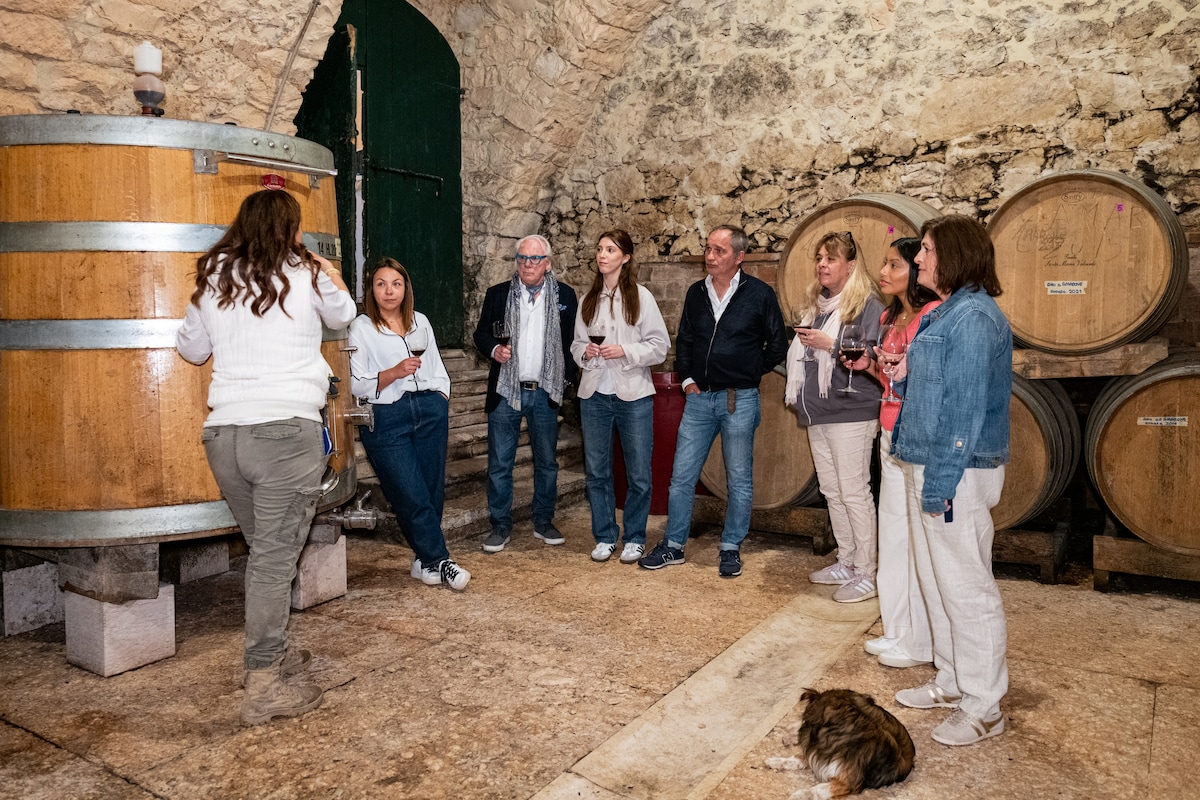
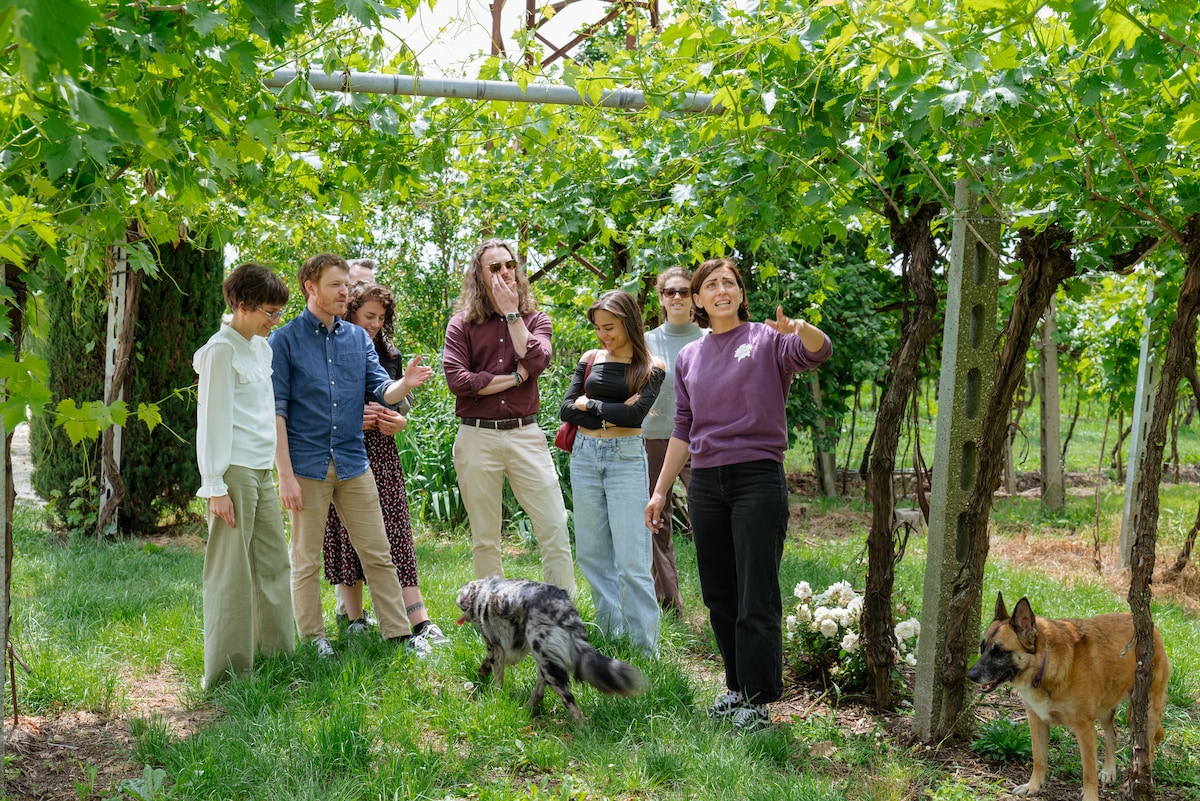
• Boating and Sailing: • The lake is perfect for sailing and boating, with rental services available for visitors. Exploring the numerous coves and nearby islands offers a unique perspective of the landscape. • Hiking and Cycling: • Surrounding mountains provide excellent hiking and cycling trails, offering breathtaking views of the lake and surrounding countryside. Popular routes include those in the Alto Garda Bresciano Regional Park. • Wine Tasting: • The region is known for its vineyards and olive groves. Visitors can enjoy wine tours and tastings, particularly for the local Bardolino and Lugana wines.
Scenery: Lake Garda is renowned for its crystal-clear waters and stunning backdrop of mountains and hills. The charming lakeside towns, such as Sirmione and Riva del Garda, add to the lake’s beauty, especially during sunset.
Cultural Attractions:
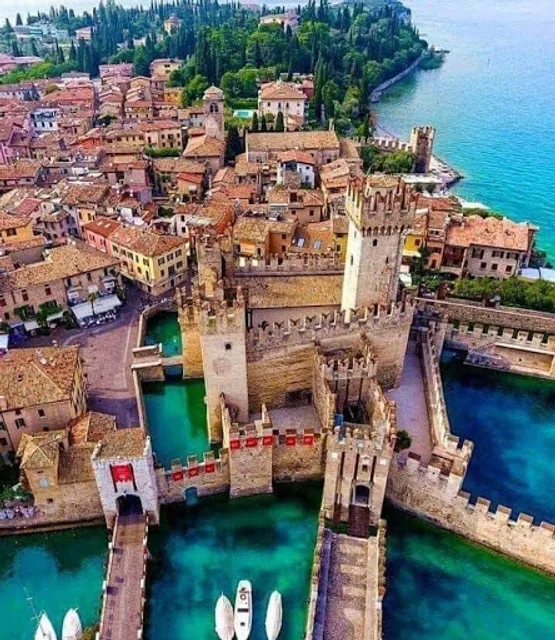
• Historical Sites: Visitors can explore ancient ruins, castles, and charming villages, including the famous Scaliger Castle in Sirmione. • Local Festivals: The area hosts various cultural events and festivals throughout the year, celebrating local traditions, food, and wine.
Visitor Amenities: Lake Garda offers a range of accommodations, from luxury hotels to family-run guesthouses. Local restaurants serve delicious Italian cuisine, featuring fresh local produce and seafood.
Conclusion: Lake Garda is a stunning destination that combines natural beauty, outdoor adventure, and rich cultural experiences. Whether sailing, hiking, or indulging in local cuisine, it provides an unforgettable experience in one of Italy’s most...
Read moreLake Garda, Italy’s largest lake, is a breathtaking destination that beautifully blends natural charm with cultural richness. Nestled between the regions of Lombardy, Veneto, and Trentino-Alto Adige, it offers a unique mix of landscapes—snowcapped mountains, rolling vineyards, olive groves, and crystal-clear waters that shimmer in the sun.
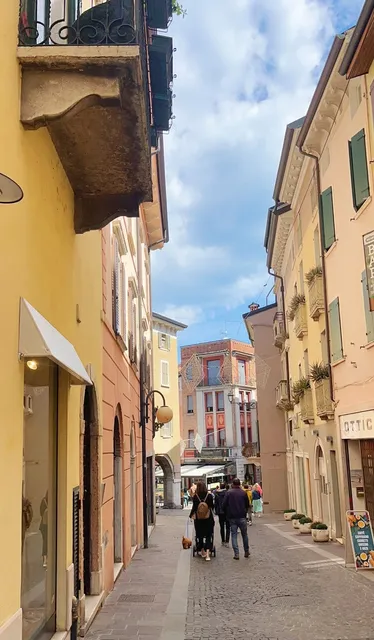
One of the lake's greatest attractions is its diversity of towns. Sirmione, with its medieval castle and Roman ruins, feels like a step back in time. Riva del Garda, on the northern shore, is a paradise for adventure seekers with opportunities for windsurfing, hiking, and mountain biking. On the eastern shore, towns like Bardolino and Lazise offer charming lakeside promenades and world-class wine tasting experiences.
Lake Garda is also known for its relaxing ambiance. The mild climate, especially in spring and early autumn, makes it perfect for leisurely boat rides, lakeside dining, or simply soaking in the views. The lake is dotted with elegant villas, gardens, and wellness resorts, making it ideal for romantic getaways or peaceful retreats.
Food lovers will find plenty to enjoy, from fresh lake fish and olive oil to creamy gelato and local wines. The hospitality in the region is warm and welcoming, with many family-run hotels and restaurants.
Transportation around the lake is easy, thanks to a network of ferries, buses, and well-maintained roads. Whether you're looking for luxury or budget travel, Lake Garda caters to all.
In summary, Lake Garda is a versatile destination that combines natural beauty, cultural depth, and recreational fun. It appeals to all types of travelers—nature enthusiasts, history buffs, families, and couples alike. A visit here feels like a rejuvenating escape into a world where time slows down and every view is...
Read more