What a brilliant place. Me and my family were staying and hour away in the north of Siena - the drive there was unstressful (Essential with a sat nav) through idyllic chiantishire of rolling hill sides and sun flower fileds.
The public old warm roman baths are not sign posted as you get to the village.
DIRECTIONS TO THE PUBLIC FREE ROMAN SPRINGS :-
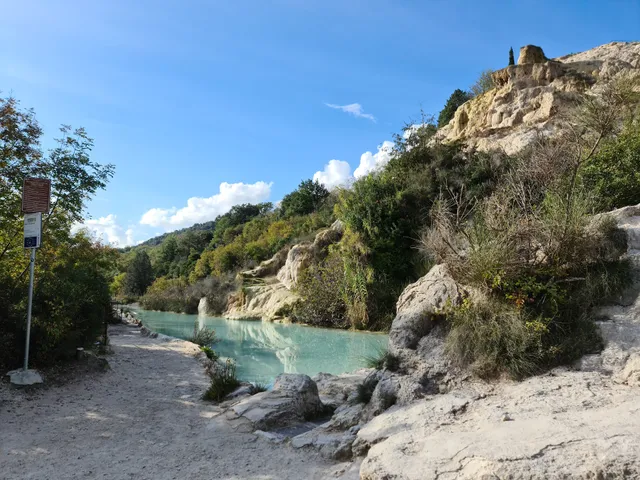
Sulphur pool
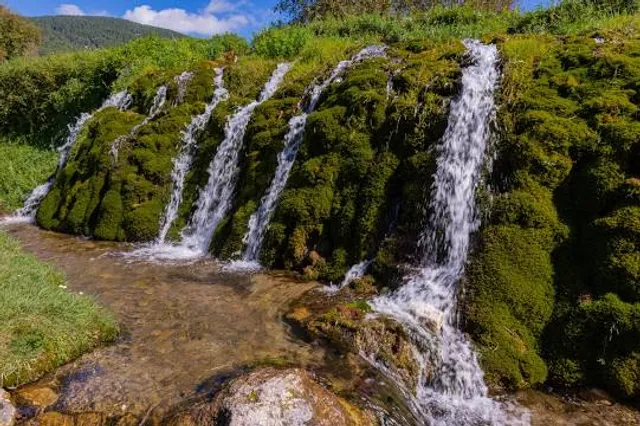
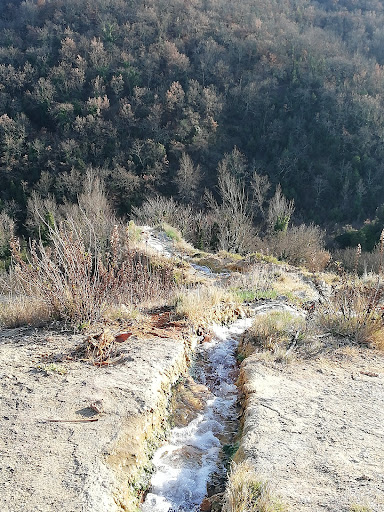
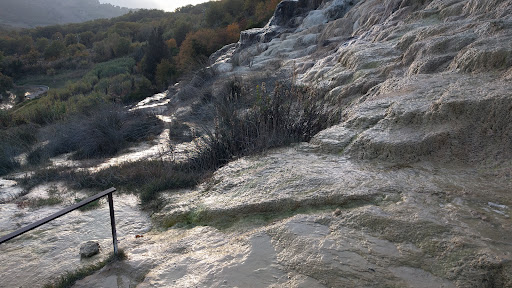
As you come up the hill to the terme the road starts to bear slightly to the left, take the left turn down a stoney road. If you start to see parking on the left under the trees (60 min max stay) or the tarmac carpark you have gone too far ( this is where you pay for the spa hotel /wellness centre/ village). Find a parking place down the lane about 500m down and you will see paths with and without rusy railings to the right. The first pool you get to is the cloudy sulphur clay pool with the water cascading in. The pool does not smell ..only if you grab a handful of clay from the bottom do you get a whiff of sulphur. You must sit under the warm shower. THE SURFACE ALL AROUND THE POOL AND ABOVE THE POOL IS NOT SLIPPERY AS YOU MAY THINK ITS ALL ROCK UNDER FOOT SO YOU CAN EXPLORE THE AREA ABOVE THE POOL SAFETLY - JUST FOLLOW THE WATER UP. We walked up the rocks following the channel of the water to reach the highest point where there is a powerfull water cascade and small pool to sit in. The 1* rating of how dangerous the place i read was IMO was because they tried to get to the pool from the village over the rails and it does look dangerous and slippery to get down from there.
Going down from the top was easy my 13 yo son and me went down on our bottoms in the channel created by the running water - all very safe.
Pool 2
Below the sulphur pool (you can see it from the narrow part) take the paths to the stiller/clearer and still warm pool. Its deeper so you can swim and surrouded by reeds and at least 10 species of dragon flies..
More pools
At the end of the pool 2 there is a small bridge which i am sure leads to some out of the way pools if you want a little more peace but the further away from the terme at the top the cooler the water becomes.
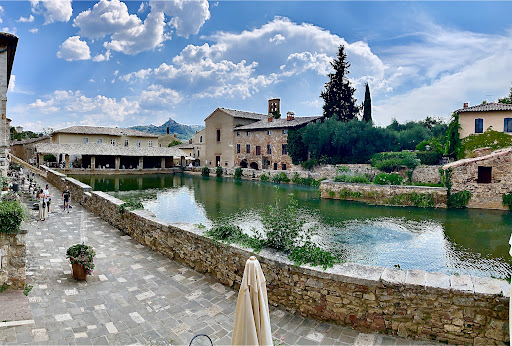
At the village you can paddle in the hottest water as is passes in a small culvert. Its a shame as here are the original pools and culverts carved in the rock but due to lack of flow of water they are dry (why ? Perhaps the paid spa and wellnes hotel affects the flow or the water table is lower ...either which way the original width of water cascade must have been an impressive site)
Notes
Take drinks and food you need as there is no where to purchase at the roman baths but you can walk to the village (20 mins) No toilet facilities Very little shade bring hats and factor 50 sunscreen
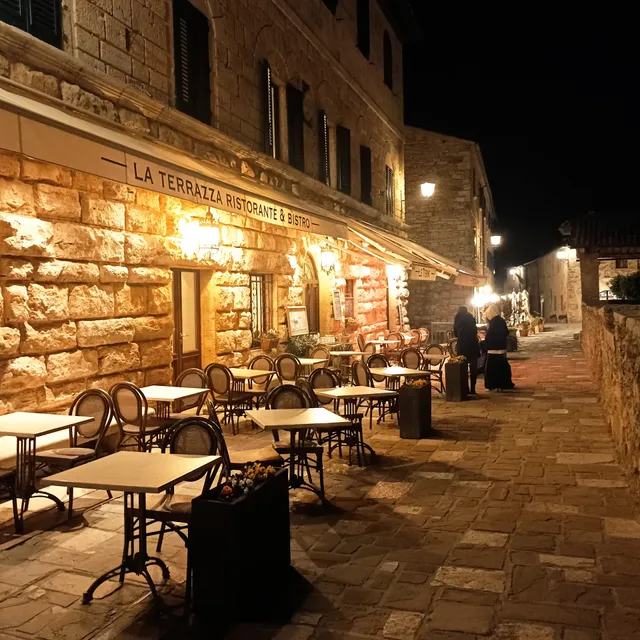
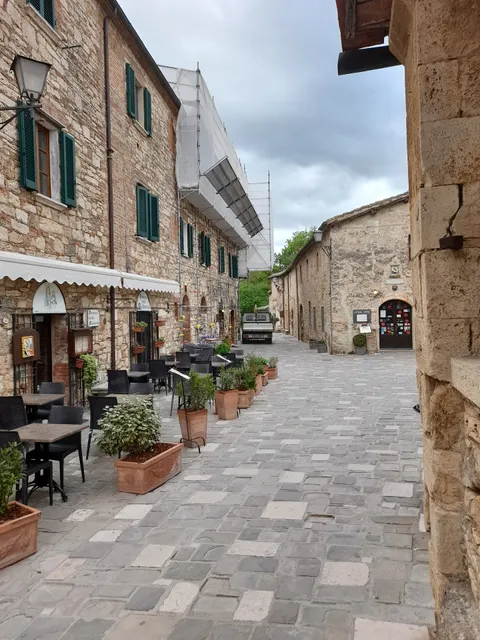
For the village there is FREE PARKING just as you arrive turn right up a dusty bumpy track to a stoney large car park. Its about a 5 min walk to the main village and paid...
Read moreBeautiful Valentina was our guide & she was fabulous, full of knowledge & very interesting.
We started with a little walking tour of Bagno Vignoni and it's history & then went on an easy walk through the countryside, maybe 45 minutes, with spectacular views of the landscape. Valentina has great knowledge of both the history of the area and of the nature, wildlife, plants, flowers, trees, herbs etc which we loved & found most informative.
We finished our tour with the Mills, steeped in history and we got to view inside one of them with the ancient wheat thresher & mill stones etc.
There was also the possibility of a dip in the thermal waters of Bagno Vignoni!
We 100% recommend this tour and absolutely recommend our guide Valentina, a credit to her employers.
Grazie a...
Read moreIl percorso si sviluppa tra le essenze della macchia mediterranea e della vegetazione tipica dei terreni salini, rivoli d’acqua termale scavati nella roccia (gorelli) che continuamente depositano il calcare, vasche e cisterne di raccolta dell’acqua che servivano per alimentare i mulini, antiche macine in pietra sistemate agli ingressi dei mulini sotterranei, il tutto accompagnato da un’esauriente cartellonistica che illustra la storia. L' acqua che esce dalla vasca termale si dirige verso una scarpata: qui, tra rivoli d'acqua e concrezioni calcaree, possiamo scoprire quattro mulini medievali posti in sequenza e scavati nella roccia, un' opera di ingegneria idraulica molto complessa ed unica nel suo genere. E' questo il Parco dei Mulini, visitabile grazie ad un percorso che si snoda in un'isola di macchia mediterranea, dominata dai cespugli di lentisco e da piante caratteristiche dei luoghi salsi. I mulini di Bagno Vignoni hanno una importante peculiarità: funzionavano anche in estate, quando gli altri mulini della zona erano fermi a causa dei fiumi in secca, perché erano alimentati da una sorgente termale che sgorgava con una portata costante, ma obbligava a lavorare in ambienti caldi e umidi, dato che la temperatura dell' acqua alla sorgente è di circa 50 °C. I primi due mulini ad acqua, detti Mulino di Sopra e Mulino Buca, sono interamente sottoterra; gli altri due, il Mulino di Mezzo ed il Mulino da Piedi, sono in parte fuori terra (le stanze delle macine) ed in parte sottoterra (i locali delle ruote). Gli ingressi e gli interni dei mulini, scavati nella roccia, sono stati restaurati e messi in sicurezza per permettere un’agevole visita. Dove possibile, è stata recuperata l’attrezzatura esistente, altrimenti sono stati realizzati ex-novo per l’idea della loro dimensione. Alcune macine in pietra sono state collocate davanti agli ingressi dei mulini sotterranei. Scavati nella roccia sono anche le condotte d'acqua, le vasche di accumulo e le strade di accesso. Non si conoscono notizie precise sulla loro costruzione. Si ritiene che sia stata opera dei signori feudali, forse degli stessi Tignosi, padroni della Rocca di Tentennano (oggi Rocca d' Orcia). I mulini restarono in attività fino alla metà degli anni '50; seguì il degrado, fino all'acquisizione nel 1999 da parte del Comune di San Quirico d'Orcia ed il...
Read more