HTML SitemapExplore
logo
Find Things to DoFind The Best Restaurants

Campanile di Curon Venosta Vecchia — Attraction in Vinschgau - Val Venosta

Name
Campanile di Curon Venosta Vecchia
Description
Nearby attractions
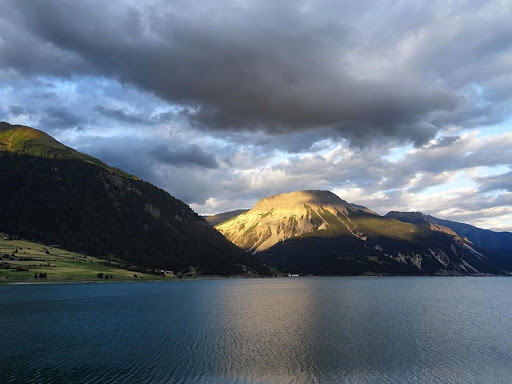
Reschensee
39027 Graun im Vinschgau, Autonomous Province of Bolzano – South Tyrol, Italy
Nearby restaurants
Restaurant Club Adrenalina
Hauptstraße, 6, 39027 Graun im Vinschgau, Autonome Provinz Bozen - Südtirol, Italy
Nearby hotels
Hotel Traube Post am Reschensee
Via Claudia Augusta, 10, 39027 Curon Venosta BZ, Italy
Lacumontes Lake View Apartments
Via S. Anna, 19, 39027 Curon Venosta BZ, Italy
Hotel Theiner
Via Vallelunga, 1, 39027 Curon Venosta BZ, Italy
Chalet am Reschensee
Arlund 2, 39027 Resia BZ, Italy
Related posts
Keywords
Campanile di Curon Venosta Vecchia tourism.Campanile di Curon Venosta Vecchia hotels.Campanile di Curon Venosta Vecchia bed and breakfast. flights to Campanile di Curon Venosta Vecchia.Campanile di Curon Venosta Vecchia attractions.Campanile di Curon Venosta Vecchia restaurants.Campanile di Curon Venosta Vecchia travel.Campanile di Curon Venosta Vecchia travel guide.Campanile di Curon Venosta Vecchia travel blog.Campanile di Curon Venosta Vecchia pictures.Campanile di Curon Venosta Vecchia photos.Campanile di Curon Venosta Vecchia travel tips.Campanile di Curon Venosta Vecchia maps.Campanile di Curon Venosta Vecchia things to do.
Campanile di Curon Venosta Vecchia things to do, attractions, restaurants, events info and trip planning
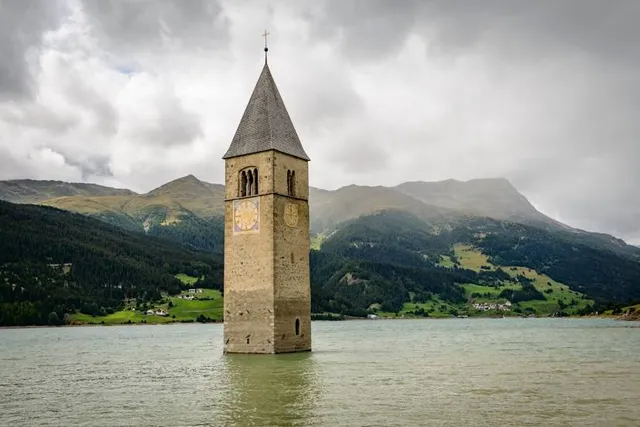
Campanile di Curon Venosta Vecchia
ItalyTrentino-Alto Adige/SüdtirolVinschgau - Val VenostaCampanile di Curon Venosta Vecchia

Basic Info

Campanile di Curon Venosta Vecchia

SS40, 39027 Curon Venosta BZ, Italy
4.7(7.6K)
Open until 12:00 AM
Save
spot

Ratings & Description

Info

Cultural
Outdoor
Family friendly
attractions: Reschensee, restaurants: Restaurant Club Adrenalina
logoLearn more insights from Wanderboat AI.
Phone
+39 0471 999999
Website
suedtirolerland.it
Open hoursSee all hours
FriOpen 24 hoursOpen

Plan your stay

hotel
Pet-friendly Hotels in Vinschgau - Val Venosta
Find a cozy hotel nearby and make it a full experience.

hotel
Affordable Hotels in Vinschgau - Val Venosta
Find a cozy hotel nearby and make it a full experience.

hotel
The Coolest Hotels You Haven't Heard Of (Yet)
Find a cozy hotel nearby and make it a full experience.

hotel
Trending Stays Worth the Hype in Vinschgau - Val Venosta
Find a cozy hotel nearby and make it a full experience.

Reviews

Nearby attractions of Campanile di Curon Venosta Vecchia

Reschensee
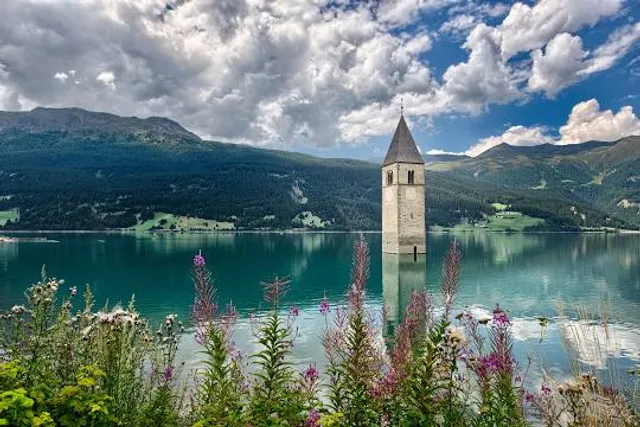
Reschensee

Reschensee

4.7

(1.7K)

Open 24 hours
Click for details

Things to do nearby

Klangtal
Klangtal
Sun, Dec 7 • 7:00 PM
97 Via Corzes, 39028 Silandro
View details

Nearby restaurants of Campanile di Curon Venosta Vecchia

Restaurant Club Adrenalina

Restaurant Club Adrenalina

Restaurant Club Adrenalina

4.3

(41)

Click for details
Get the Appoverlay
Get the AppOne tap to find yournext favorite spots!
Wanderboat LogoWanderboat

Your everyday Al companion for getaway ideas

CompanyAbout Us
InformationAI Trip PlannerSitemap
SocialXInstagramTiktokLinkedin
LegalTerms of ServicePrivacy Policy

Get the app

© 2025 Wanderboat. All rights reserved.
logo

Reviews of Campanile di Curon Venosta Vecchia

4.7
(7,561)
avatar
5.0
6y

Not only the church tower was witness - the inhabitants of the South Tyrolean village Graun also had to watch as the village was flooded. On August 1, 1949, the locks of dame were provisionally closed for the first time. The population was not informed about it. The inflowing water jammed then, the water level rose, the lake spread and reached for the meadows and villages in the valley. The water stood higher and higher. Resistance was futile. The Prieths were asked to pack their belongings and leave their homes. They carried the furniture in the trucks. People received a compensation, which was ridiculous at first, and was still shamefully low after a remedy. And they were assigned a house that had Montecatini built at a safe distance. 65 of the approximately 100 families moved away at that time, many of the survivors had to move to a barrack village. They had been forcibly expropriated, out of "national interests to strengthen national industry," as the information board on the lake says. Everything but the church steeple of the parish church of St. Catherine was destroyed. The church tower was built around 1300. In 1727 it was expanded to create more space for the bells. On July 9, 1950, the last service was celebrated there. Exactly two weeks later, the church, which had already been marked by hundreds of holes for the explosive, was to be finally destroyed. But the pastor could prevent the blast that day - not on a Sunday. Of course he could not save the church, a few days later it fell. Only the tower next to the church remained standing, at the behest of the Trient of Monuments of Trent - it was classified as a work of art and thus saved from being blown up. The dammed up water rose and rose until the ruins were no longer visible. And thanks to its new environment, the old work of art became a whole new, more powerful one. Decades later, the tower threatened to be blown up. In 2007 cracks were discovered in the tower, and the South Tyroleans feared that water would penetrate the walls. In winter, frozen water could have caused the building to collapse. Only since a renovation two years ago, the tower is safe again. For the ignorant, it remains a curious eye-catcher in the holiday paradise. For the initiated, however, it remains a memorial. One that shines in the South Tyrolean sun and yet reminds only of the...

   Read more
avatar
4.0
2y

Der Turm stammt aus dem Jahr 1357 und gehörte einst zur Pfarrkirche St. Katharina in dem Dorf Graun (italienisch: Curon). Damals gab es in der direkten Umgebung noch drei Seen: den Reschensee, den Mittersee (wird auch Graunersee genannt) und den Haidersee. Nach dem ersten Weltkrieg wurde Tirol geteilt und Südtirol Italien zugesprochen. Die italienische Regierung plante daraufhin zur Energiegewinnung eine Seestauung von fünf Metern. Diese wäre für die Bewohner der Ortschaften Graun und Reschen nicht existenzgefährdend und damit wenig beunruhigend gewesen wäre. Doch nachdem die Faschisten in Italien die politische Macht ergriffen haben, geriet der Plan zunächst in Vergessenheit.

1939 stieß schließlich der italienische Konzern Montecatini ein Projekt an, das eine Stauung des Reschensees und des Graunersees von 22 Metern vorsah. Dafür sollten die beiden Seen zusammengeführt und die Dörfer Graun und Reschen geflutet werden. Bedingt durch den zweiten Weltkrieg passierte in den kommenden Jahren nicht allzu viel. Kurz nach Kriegsende setzte sich der Albtraum für die Bewohner von Graun und Reschen jedoch fort. Die Idee wurde wieder aufgenommen und die Stauung schließlich 1950 vorgenommen.

Es wurde eine Fläche von 677 Hektar geflutet. Die Bewohner von Graun und Reschen hatten in Bezug auf die Stauung kein Mitspracherecht. Fast 150 Familien verloren damals ihre Existenz. Sie wurden zwangsenteignet und erhielten nur eine kleine Abfindung. Ein großer Teil wurde in neu errichteten Baracken untergebracht. Schließlich mussten die Menschen ja irgendwie durch den Winter kommen. Nichtsdestotrotz war es in den Baracken kalt und die Zustände mehr als schlecht. Als Alternative blieb ihnen nur die Auswanderung.

Heute befinden sich auf dem Grund des Reschensees nur noch die Überreste der beiden Dörfer. Die Kirche St. Katharina wurde zerstört. Der Turm, der etwas abseits der Kirche stand, blieb erhalten. Er steht mittlerweile unter Denkmalschutz und wurde schon...

   Read more
avatar
5.0
3y

The partially submerged church tower in Lake Resia has since been declared a protected historical artefact, becoming a tourist attraction and thus symbolizing the legacy of old Curon. The symbol of the Venosta Valley is quite fascinating and more like a fable. The lone church tower half emerges from the clear water of the 6 km long Lake Resia against the majestic backdrop of the wild Langtaufers Valley. However, the story behind this postcard image is far less idyllic, and the romantic 14th-century church is a testament to the state's irresponsible decision to place a dam there after the end of...

   Read more
Page 1 of 7
Previous
Next

Posts

Your browser does not support the video tag.
femmetravelfemmetravel
Do you know the story of the submerged Church in Lago di Resia, Italy? Credit: @michaelacarrot Well it is a man made lake that flooded the old village of Curon. The only remain is this submerged Church tower that you can walk to in winter. . . . . #femmetravel #ftb #traveltips #interestingplaces #mustseeplaces #mytinyatlas #travelmore
SUHAS DubeySUHAS Dubey
Not only the church tower was witness - the inhabitants of the South Tyrolean village Graun also had to watch as the village was flooded. On August 1, 1949, the locks of dame were provisionally closed for the first time. The population was not informed about it. The inflowing water jammed then, the water level rose, the lake spread and reached for the meadows and villages in the valley. The water stood higher and higher. Resistance was futile. The Prieths were asked to pack their belongings and leave their homes. They carried the furniture in the trucks. People received a compensation, which was ridiculous at first, and was still shamefully low after a remedy. And they were assigned a house that had Montecatini built at a safe distance. 65 of the approximately 100 families moved away at that time, many of the survivors had to move to a barrack village. They had been forcibly expropriated, out of "national interests to strengthen national industry," as the information board on the lake says. Everything but the church steeple of the parish church of St. Catherine was destroyed. The church tower was built around 1300. In 1727 it was expanded to create more space for the bells. On July 9, 1950, the last service was celebrated there. Exactly two weeks later, the church, which had already been marked by hundreds of holes for the explosive, was to be finally destroyed. But the pastor could prevent the blast that day - not on a Sunday. Of course he could not save the church, a few days later it fell. Only the tower next to the church remained standing, at the behest of the Trient of Monuments of Trent - it was classified as a work of art and thus saved from being blown up. The dammed up water rose and rose until the ruins were no longer visible. And thanks to its new environment, the old work of art became a whole new, more powerful one. Decades later, the tower threatened to be blown up. In 2007 cracks were discovered in the tower, and the South Tyroleans feared that water would penetrate the walls. In winter, frozen water could have caused the building to collapse. Only since a renovation two years ago, the tower is safe again. For the ignorant, it remains a curious eye-catcher in the holiday paradise. For the initiated, however, it remains a memorial. One that shines in the South Tyrolean sun and yet reminds only of the shadows of history.
Stefan BaloghStefan Balogh
Der Turm stammt aus dem Jahr 1357 und gehörte einst zur Pfarrkirche St. Katharina in dem Dorf Graun (italienisch: Curon). Damals gab es in der direkten Umgebung noch drei Seen: den Reschensee, den Mittersee (wird auch Graunersee genannt) und den Haidersee. Nach dem ersten Weltkrieg wurde Tirol geteilt und Südtirol Italien zugesprochen. Die italienische Regierung plante daraufhin zur Energiegewinnung eine Seestauung von fünf Metern. Diese wäre für die Bewohner der Ortschaften Graun und Reschen nicht existenzgefährdend und damit wenig beunruhigend gewesen wäre. Doch nachdem die Faschisten in Italien die politische Macht ergriffen haben, geriet der Plan zunächst in Vergessenheit. 1939 stieß schließlich der italienische Konzern Montecatini ein Projekt an, das eine Stauung des Reschensees und des Graunersees von 22 Metern vorsah. Dafür sollten die beiden Seen zusammengeführt und die Dörfer Graun und Reschen geflutet werden. Bedingt durch den zweiten Weltkrieg passierte in den kommenden Jahren nicht allzu viel. Kurz nach Kriegsende setzte sich der Albtraum für die Bewohner von Graun und Reschen jedoch fort. Die Idee wurde wieder aufgenommen und die Stauung schließlich 1950 vorgenommen. Es wurde eine Fläche von 677 Hektar geflutet. Die Bewohner von Graun und Reschen hatten in Bezug auf die Stauung kein Mitspracherecht. Fast 150 Familien verloren damals ihre Existenz. Sie wurden zwangsenteignet und erhielten nur eine kleine Abfindung. Ein großer Teil wurde in neu errichteten Baracken untergebracht. Schließlich mussten die Menschen ja irgendwie durch den Winter kommen. Nichtsdestotrotz war es in den Baracken kalt und die Zustände mehr als schlecht. Als Alternative blieb ihnen nur die Auswanderung. Heute befinden sich auf dem Grund des Reschensees nur noch die Überreste der beiden Dörfer. Die Kirche St. Katharina wurde zerstört. Der Turm, der etwas abseits der Kirche stand, blieb erhalten. Er steht mittlerweile unter Denkmalschutz und wurde schon mehrfach saniert.
See more posts
See more posts
hotel
Find your stay

Pet-friendly Hotels in Vinschgau - Val Venosta

Find a cozy hotel nearby and make it a full experience.

Do you know the story of the submerged Church in Lago di Resia, Italy? Credit: @michaelacarrot Well it is a man made lake that flooded the old village of Curon. The only remain is this submerged Church tower that you can walk to in winter. . . . . #femmetravel #ftb #traveltips #interestingplaces #mustseeplaces #mytinyatlas #travelmore
femmetravel

femmetravel

hotel
Find your stay

Affordable Hotels in Vinschgau - Val Venosta

Find a cozy hotel nearby and make it a full experience.

Get the Appoverlay
Get the AppOne tap to find yournext favorite spots!
Not only the church tower was witness - the inhabitants of the South Tyrolean village Graun also had to watch as the village was flooded. On August 1, 1949, the locks of dame were provisionally closed for the first time. The population was not informed about it. The inflowing water jammed then, the water level rose, the lake spread and reached for the meadows and villages in the valley. The water stood higher and higher. Resistance was futile. The Prieths were asked to pack their belongings and leave their homes. They carried the furniture in the trucks. People received a compensation, which was ridiculous at first, and was still shamefully low after a remedy. And they were assigned a house that had Montecatini built at a safe distance. 65 of the approximately 100 families moved away at that time, many of the survivors had to move to a barrack village. They had been forcibly expropriated, out of "national interests to strengthen national industry," as the information board on the lake says. Everything but the church steeple of the parish church of St. Catherine was destroyed. The church tower was built around 1300. In 1727 it was expanded to create more space for the bells. On July 9, 1950, the last service was celebrated there. Exactly two weeks later, the church, which had already been marked by hundreds of holes for the explosive, was to be finally destroyed. But the pastor could prevent the blast that day - not on a Sunday. Of course he could not save the church, a few days later it fell. Only the tower next to the church remained standing, at the behest of the Trient of Monuments of Trent - it was classified as a work of art and thus saved from being blown up. The dammed up water rose and rose until the ruins were no longer visible. And thanks to its new environment, the old work of art became a whole new, more powerful one. Decades later, the tower threatened to be blown up. In 2007 cracks were discovered in the tower, and the South Tyroleans feared that water would penetrate the walls. In winter, frozen water could have caused the building to collapse. Only since a renovation two years ago, the tower is safe again. For the ignorant, it remains a curious eye-catcher in the holiday paradise. For the initiated, however, it remains a memorial. One that shines in the South Tyrolean sun and yet reminds only of the shadows of history.
SUHAS Dubey

SUHAS Dubey

hotel
Find your stay

The Coolest Hotels You Haven't Heard Of (Yet)

Find a cozy hotel nearby and make it a full experience.

hotel
Find your stay

Trending Stays Worth the Hype in Vinschgau - Val Venosta

Find a cozy hotel nearby and make it a full experience.

Der Turm stammt aus dem Jahr 1357 und gehörte einst zur Pfarrkirche St. Katharina in dem Dorf Graun (italienisch: Curon). Damals gab es in der direkten Umgebung noch drei Seen: den Reschensee, den Mittersee (wird auch Graunersee genannt) und den Haidersee. Nach dem ersten Weltkrieg wurde Tirol geteilt und Südtirol Italien zugesprochen. Die italienische Regierung plante daraufhin zur Energiegewinnung eine Seestauung von fünf Metern. Diese wäre für die Bewohner der Ortschaften Graun und Reschen nicht existenzgefährdend und damit wenig beunruhigend gewesen wäre. Doch nachdem die Faschisten in Italien die politische Macht ergriffen haben, geriet der Plan zunächst in Vergessenheit. 1939 stieß schließlich der italienische Konzern Montecatini ein Projekt an, das eine Stauung des Reschensees und des Graunersees von 22 Metern vorsah. Dafür sollten die beiden Seen zusammengeführt und die Dörfer Graun und Reschen geflutet werden. Bedingt durch den zweiten Weltkrieg passierte in den kommenden Jahren nicht allzu viel. Kurz nach Kriegsende setzte sich der Albtraum für die Bewohner von Graun und Reschen jedoch fort. Die Idee wurde wieder aufgenommen und die Stauung schließlich 1950 vorgenommen. Es wurde eine Fläche von 677 Hektar geflutet. Die Bewohner von Graun und Reschen hatten in Bezug auf die Stauung kein Mitspracherecht. Fast 150 Familien verloren damals ihre Existenz. Sie wurden zwangsenteignet und erhielten nur eine kleine Abfindung. Ein großer Teil wurde in neu errichteten Baracken untergebracht. Schließlich mussten die Menschen ja irgendwie durch den Winter kommen. Nichtsdestotrotz war es in den Baracken kalt und die Zustände mehr als schlecht. Als Alternative blieb ihnen nur die Auswanderung. Heute befinden sich auf dem Grund des Reschensees nur noch die Überreste der beiden Dörfer. Die Kirche St. Katharina wurde zerstört. Der Turm, der etwas abseits der Kirche stand, blieb erhalten. Er steht mittlerweile unter Denkmalschutz und wurde schon mehrfach saniert.
Stefan Balogh

Stefan Balogh

See more posts
See more posts