HTML SitemapExplore

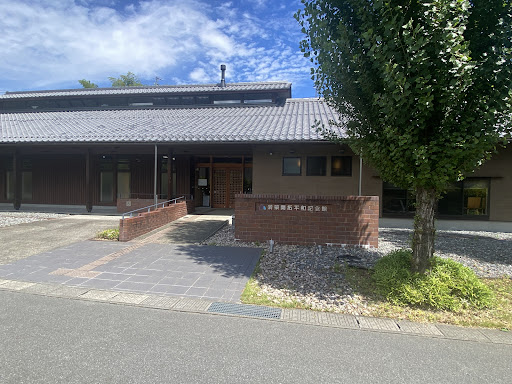
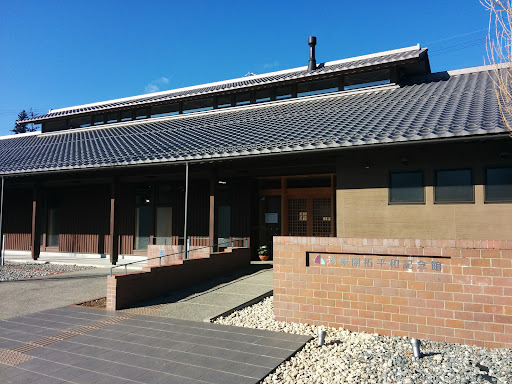
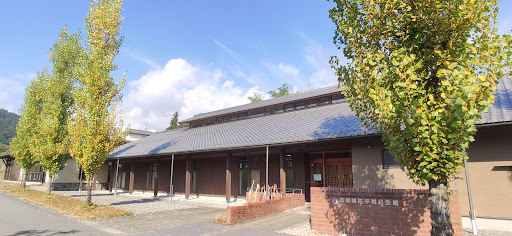
Manmou Kinenkan (Memorial Museum for Agricultural Emigrants to Manchuria) — Attraction in Achi

Name
Manmou Kinenkan (Memorial Museum for Agricultural Emigrants to Manchuria)
Description
Nearby attractions
Chogakuji Temple
569 Komaba, Achi, Shimoina District, Nagano 395-0303, Japan
Nearby restaurants
Zakoya
492-10 Komaba, Achi, Shimoina District, Nagano 395-0303, Japan
Osaka-ya
1180 Komaba, Achi, Shimoina District, Nagano 395-0303, Japan
春駒
876-3 Komaba, Achi, Shimoina District, Nagano 395-0303, Japan
Yamabiko
431-1 Komaba, Achi, Shimoina District, Nagano 395-0303, Japan
御食事処 はらだ
426 Komaba, Achi, Shimoina District, Nagano 395-0303, Japan
Nearby local services
Manmou Kinenkan (Memorial Museum for Agricultural Emigrants to Manchuria)
711-10 Komaba, Achi, Shimoina District, Nagano 395-0303, Japan
Nearby hotels
Related posts
Keywords
Manmou Kinenkan (Memorial Museum for Agricultural Emigrants to Manchuria) tourism.Manmou Kinenkan (Memorial Museum for Agricultural Emigrants to Manchuria) hotels.Manmou Kinenkan (Memorial Museum for Agricultural Emigrants to Manchuria) bed and breakfast. flights to Manmou Kinenkan (Memorial Museum for Agricultural Emigrants to Manchuria).Manmou Kinenkan (Memorial Museum for Agricultural Emigrants to Manchuria) attractions.Manmou Kinenkan (Memorial Museum for Agricultural Emigrants to Manchuria) restaurants.Manmou Kinenkan (Memorial Museum for Agricultural Emigrants to Manchuria) local services.Manmou Kinenkan (Memorial Museum for Agricultural Emigrants to Manchuria) travel.Manmou Kinenkan (Memorial Museum for Agricultural Emigrants to Manchuria) travel guide.Manmou Kinenkan (Memorial Museum for Agricultural Emigrants to Manchuria) travel blog.Manmou Kinenkan (Memorial Museum for Agricultural Emigrants to Manchuria) pictures.Manmou Kinenkan (Memorial Museum for Agricultural Emigrants to Manchuria) photos.Manmou Kinenkan (Memorial Museum for Agricultural Emigrants to Manchuria) travel tips.Manmou Kinenkan (Memorial Museum for Agricultural Emigrants to Manchuria) maps.Manmou Kinenkan (Memorial Museum for Agricultural Emigrants to Manchuria) things to do.
Manmou Kinenkan (Memorial Museum for Agricultural Emigrants to Manchuria) things to do, attractions, restaurants, events info and trip planning
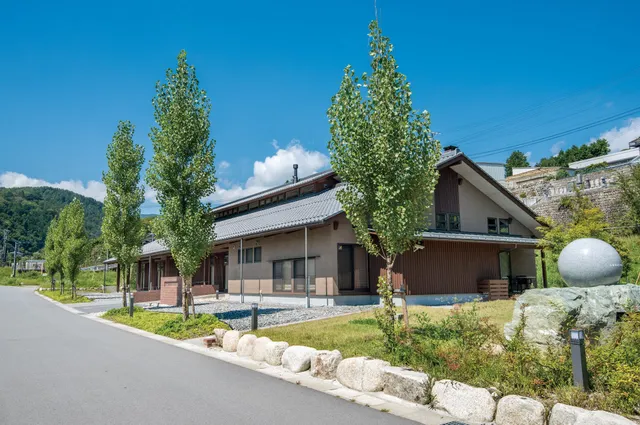
Manmou Kinenkan (Memorial Museum for Agricultural Emigrants to Manchuria)
JapanNagano PrefectureAchiManmou Kinenkan (Memorial Museum for Agricultural Emigrants to Manchuria)

Basic Info

Manmou Kinenkan (Memorial Museum for Agricultural Emigrants to Manchuria)

711-10 Komaba, Achi, Shimoina District, Nagano 395-0303, Japan
4.3(242)
Open until 12:00 AM
ticket
Get
tickets
Save
spot

Ratings & Description

Info

Cultural
Accessibility
Family friendly
attractions: Chogakuji Temple, restaurants: Zakoya, Osaka-ya, 春駒, Yamabiko, 御食事処 はらだ, local businesses: Manmou Kinenkan (Memorial Museum for Agricultural Emigrants to Manchuria)

logoLearn more insights from Wanderboat AI.
Phone
+81 265-43-5580
Website
manmoukinenkan.com
Open hoursSee all hours
Wed9:30 AM - 4:30 PMOpen

Plan your stay

hotel
Pet-friendly Hotels in Achi
Find a cozy hotel nearby and make it a full experience.

hotel
Affordable Hotels in Achi
Find a cozy hotel nearby and make it a full experience.

hotel
The Coolest Hotels You Haven't Heard Of (Yet)
Find a cozy hotel nearby and make it a full experience.

hotel
Trending Stays Worth the Hype in Achi
Find a cozy hotel nearby and make it a full experience.

Reviews

Nearby attractions of Manmou Kinenkan (Memorial Museum for Agricultural Emigrants to Manchuria)

Chogakuji Temple
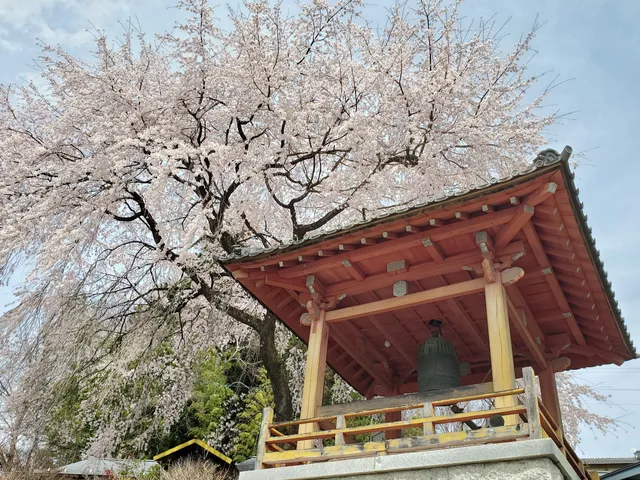
Chogakuji Temple

Chogakuji Temple

4.1

(108)

Closed
Click for details

Nearby restaurants of Manmou Kinenkan (Memorial Museum for Agricultural Emigrants to Manchuria)

Zakoya

Osaka-ya

春駒

Yamabiko

御食事処 はらだ

Zakoya

Zakoya

3.9

(24)

Closed
Click for details
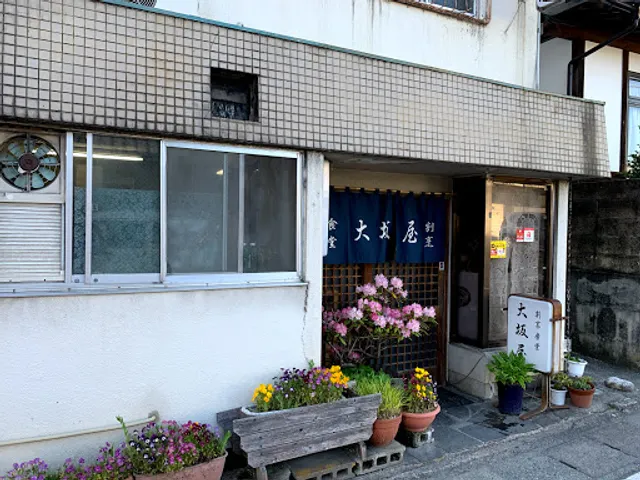
Osaka-ya

Osaka-ya

4.4

(137)

Open until 12:00 AM
Click for details
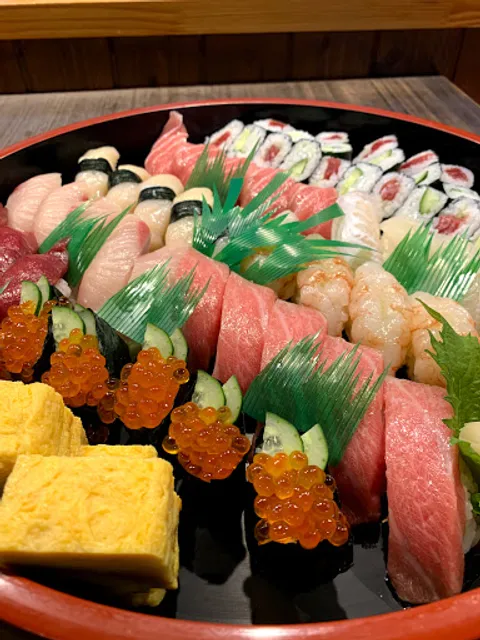
春駒

春駒

4.5

(15)

Closed
Click for details
Yamabiko

Yamabiko

4.1

(26)

Closed
Click for details

Nearby local services of Manmou Kinenkan (Memorial Museum for Agricultural Emigrants to Manchuria)

Manmou Kinenkan (Memorial Museum for Agricultural Emigrants to Manchuria)
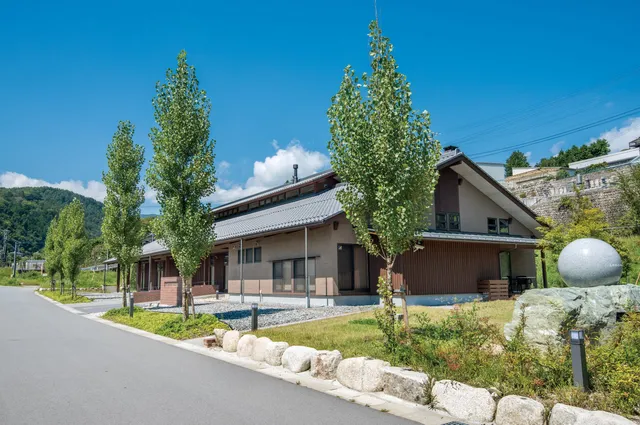
Manmou Kinenkan (Memorial Museum for Agricultural Emigrants to Manchuria)

Manmou Kinenkan (Memorial Museum for Agricultural Emigrants to Manchuria)

4.2

(195)

Click for details

Get the Appoverlay
Get the AppOne tap to find yournext favorite spots!
Wanderboat LogoWanderboat

Your everyday Al companion for getaway ideas

CompanyAbout Us
InformationAI Trip PlannerSitemap
SocialXInstagramTiktokLinkedin
LegalTerms of ServicePrivacy Policy

Get the app

© 2025 Wanderboat. All rights reserved.

Posts

Tony WongTony Wong
This museum is quite remote and choices of public transportation are quite limited. It requires careful plannings and researches ahead if you’re not driving. Also please be reminded that the ways that google map leads you to the Komaba bus stop (there’re two Komaba stations so don’t mess up) are all wrong. I almost missed my bus back to Matsumoto because of the false information that google indicated that there’re two roads behind a shrine which can access to the Komaba station, which are not the case. The museum is not big but it has informative illustrations, records of the witnesses, documentary videos, and artifacts which explain the history of Japanese immigrants to Manchuria. Despite Japan is often blamed for not willing to hold responsibility for the war, this museum, just as many often museums, and books, shows that’s not true. The illustrations in the museum clearly state that expropriations of lands from the locals by Japanese happened, and multiple witnesses proved that different ethnicities in Manchuria were ranked and discriminated. The museum also explained how hundred thousands of Japanese left their hometowns, emigrated to foreign soil and worked hard for a living while suffering difficult climate, hostility from locals, and deadly raids from bandits. They responded to calls from their country to move to Manchuria only to be treated like “beggars” when their country lost and they’re expelled from where they had built up for years. I definitely recommend this museum to everyone who is interested in history. I also recommend Lori Watt’s book “When Empire Comes Home: Repatriation, and Reintegration in Postwar Japan” for everyone who is interested in such topic.
Daniel López PratDaniel López Prat
This museum explain the story of the people who were convinced by the government to leave their country in order to colonise Manchuria and their unfortunate fate after the defeat of the Japanese army. The museum is entirely in Japanese language, but I got an excellent explanation by a bilingual guide.
at愛知ふさくat愛知ふさく
貧しい農家の次男三男以降が、20町歩の田畑を持てる、との国策宣伝文句に夢を抱いて入植するも、厳しい自然に苦労した上ロシア侵攻に追われて多くが命を落とした、悲惨な歴史を地元出身の生存者証言を中心に紹介。 ニュートラルなスタンスで事実背景も展示してあるが、体験者の口述文字起こし中心ゆえ、見学後に心に残るのは「悲惨・酷い・可哀想・怖い」の感情と、誤解による「国に騙された」「見殺しにされた」等被害者意識と反政府感情、【情】ではないだろうか。 2度と悲惨な状況や戦争を起こさないためには、敵を見誤ってはならない。開拓団政策を政府が進めた背景(土地を得て農業で食わせる、ロシアとの緩衝地帯を得る)を学び、関東軍が入植者を守れなかった原因を研究し、そもそも野心の隣国に侵攻の決意をさせないようパワーバランス均衡を構築する必要を国民に理解させる、という【理知】を提供することこそが、こういった記念館の役割だと思う。 「2度と戦争を起こしてはならない」これには全日本人が既に同意であろう。問題は「どうやって平和維持するのか具体的Actionは?」である。「国が」「政府が」「日本人は」など虚像に対する憎悪を募らせても全く前進しない。現実の隣国脅威をどう封じるか、マイナス面も合わせ呑み込みながらActionの選択を国民が我が事として行えるようになりたい。その方向へ見学者の背中を推す記念館であって欲しい。
See more posts
See more posts
hotel
Find your stay

Pet-friendly Hotels in Achi

Find a cozy hotel nearby and make it a full experience.

This museum is quite remote and choices of public transportation are quite limited. It requires careful plannings and researches ahead if you’re not driving. Also please be reminded that the ways that google map leads you to the Komaba bus stop (there’re two Komaba stations so don’t mess up) are all wrong. I almost missed my bus back to Matsumoto because of the false information that google indicated that there’re two roads behind a shrine which can access to the Komaba station, which are not the case. The museum is not big but it has informative illustrations, records of the witnesses, documentary videos, and artifacts which explain the history of Japanese immigrants to Manchuria. Despite Japan is often blamed for not willing to hold responsibility for the war, this museum, just as many often museums, and books, shows that’s not true. The illustrations in the museum clearly state that expropriations of lands from the locals by Japanese happened, and multiple witnesses proved that different ethnicities in Manchuria were ranked and discriminated. The museum also explained how hundred thousands of Japanese left their hometowns, emigrated to foreign soil and worked hard for a living while suffering difficult climate, hostility from locals, and deadly raids from bandits. They responded to calls from their country to move to Manchuria only to be treated like “beggars” when their country lost and they’re expelled from where they had built up for years. I definitely recommend this museum to everyone who is interested in history. I also recommend Lori Watt’s book “When Empire Comes Home: Repatriation, and Reintegration in Postwar Japan” for everyone who is interested in such topic.
Tony Wong

Tony Wong

hotel
Find your stay

Affordable Hotels in Achi

Find a cozy hotel nearby and make it a full experience.

Get the Appoverlay
Get the AppOne tap to find yournext favorite spots!
This museum explain the story of the people who were convinced by the government to leave their country in order to colonise Manchuria and their unfortunate fate after the defeat of the Japanese army. The museum is entirely in Japanese language, but I got an excellent explanation by a bilingual guide.
Daniel López Prat

Daniel López Prat

hotel
Find your stay

The Coolest Hotels You Haven't Heard Of (Yet)

Find a cozy hotel nearby and make it a full experience.

hotel
Find your stay

Trending Stays Worth the Hype in Achi

Find a cozy hotel nearby and make it a full experience.

貧しい農家の次男三男以降が、20町歩の田畑を持てる、との国策宣伝文句に夢を抱いて入植するも、厳しい自然に苦労した上ロシア侵攻に追われて多くが命を落とした、悲惨な歴史を地元出身の生存者証言を中心に紹介。 ニュートラルなスタンスで事実背景も展示してあるが、体験者の口述文字起こし中心ゆえ、見学後に心に残るのは「悲惨・酷い・可哀想・怖い」の感情と、誤解による「国に騙された」「見殺しにされた」等被害者意識と反政府感情、【情】ではないだろうか。 2度と悲惨な状況や戦争を起こさないためには、敵を見誤ってはならない。開拓団政策を政府が進めた背景(土地を得て農業で食わせる、ロシアとの緩衝地帯を得る)を学び、関東軍が入植者を守れなかった原因を研究し、そもそも野心の隣国に侵攻の決意をさせないようパワーバランス均衡を構築する必要を国民に理解させる、という【理知】を提供することこそが、こういった記念館の役割だと思う。 「2度と戦争を起こしてはならない」これには全日本人が既に同意であろう。問題は「どうやって平和維持するのか具体的Actionは?」である。「国が」「政府が」「日本人は」など虚像に対する憎悪を募らせても全く前進しない。現実の隣国脅威をどう封じるか、マイナス面も合わせ呑み込みながらActionの選択を国民が我が事として行えるようになりたい。その方向へ見学者の背中を推す記念館であって欲しい。
at愛知ふさく

at愛知ふさく

See more posts
See more posts

Reviews of Manmou Kinenkan (Memorial Museum for Agricultural Emigrants to Manchuria)

4.3
(242)
avatar
5.0
2y

This museum is quite remote and choices of public transportation are quite limited. It requires careful plannings and researches ahead if you’re not driving.

Also please be reminded that the ways that google map leads you to the Komaba bus stop (there’re two Komaba stations so don’t mess up) are all wrong. I almost missed my bus back to Matsumoto because of the false information that google indicated that there’re two roads behind a shrine which can access to the Komaba station, which are not the case.

The museum is not big but it has informative illustrations, records of the witnesses, documentary videos, and artifacts which explain the history of Japanese immigrants to Manchuria.

Despite Japan is often blamed for not willing to hold responsibility for the war, this museum, just as many often museums, and books, shows that’s not true. The illustrations in the museum clearly state that expropriations of lands from the locals by Japanese happened, and multiple witnesses proved that different ethnicities in Manchuria were ranked and discriminated. The museum also explained how hundred thousands of Japanese left their hometowns, emigrated to foreign soil and worked hard for a living while suffering difficult climate, hostility from locals, and deadly raids from bandits. They responded to calls from their country to move to Manchuria only to be treated like “beggars” when their country lost and they’re expelled from where they had built up for years.

I definitely recommend this museum to everyone who is interested in history. I also recommend Lori Watt’s book “When Empire Comes Home: Repatriation, and Reintegration in Postwar Japan” for everyone who is interested...

   Read more
avatar
5.0
1y

満蒙開拓平和記念館は阿智村にある満蒙開拓団をテーマにした記念館です。学生のころに授業中に見た「蒼い記憶満蒙開拓と少年たち」というアニメが印象に残っており、阿智村に記念館ができたと聞いていつか見学をさせていただきたいと思っていたのですがかなり遠出をすることになるので迷っていました。そこで飯田から南側へ散策することを思いつき、その時に記念館を見学をしようと思いました。 駐車場には車が2台程停まっていました。少しでも静かな環境で見学したいと考えていたのでラッキーだと思いました。 記念館が造られたのは2013年になります。飯田・下伊那地域から長野県の中でも特に多くの満蒙開拓団を送り出したという事実から是非記念館を造ってほしいとたくさんの声があり、記念館が造られました。現在では平和学習の1つとして見学に来られる学生さんが多いそうです。 受付をすると記念館の奥にある映像ルームで映像が始まったばかりだということで、20分程映像を見ました。映像を見た後は順路に従って記念館の中を進んで展示物を見学していきました。記念館の中は撮影が禁止ということだったので、撮影することができませんでした。 満州はかつて中国の東北部分にあった国の名前です。満州へは開拓のために組織された開拓団である「満蒙開拓団」として27万人の人々が日本から渡っていきました。日本各地から特に多くの方が渡った県は長野県でその数は約...

   Read more
avatar
5.0
2y

1人で来てよかった。時間を気にせず4時間超え。資料、図書を集めている小部屋もあり、4時間いてもそこまでは見切れないです。

私が小学6年頃(昭和58年頃?)、残留(戦争)孤児の肉親探しがあり、連日新聞に孤児、というにはすっかり大人になった、そして、大変失礼ながら苦労が姿に滲み出るような姿が掲載されたり、ニュースで映し出されたり、と衝撃をうけました。

詳しいことはわからず大人になり、山崎豊子さんの「大地の子」に出会い、以降20年ほど折に触れて読み返してきました。

転居してきた長野県の地元紙、信濃毎日新聞は社会問題に深く斬り込んでいて素晴らしいメディアと思っていますが、2024年より満蒙開拓の歴史の連載が始まりました。そのタイミングで「ぜひいつか1人でゆっくり行ってみたい」を叶えました。

展示が、被害と加害の両側面を扱っていること(証言者の言葉から)も素晴らしいと思いました。 歴史とは後になってみれば「なんでそんなバカなことをしたのだろう」と思うものですが、資料を拝見して、もし自分だったらホイホイのっていたかも、とも思いました。それだけ国が必死で宣伝しているのだから当たり前かもしれません。

今の時代、情報が自由にとれると思っている日本ですが果たしてそうでしょうか? 原発にしてもリニアにしても、 もっと身近なテーマにしても例えば「国が認可してるんだから大丈夫」と添加物やら農薬やら何やらをすんなり受け入れる日本人の国民性。そして、ひとたび何か問題あれば、何も考えず受け入れた愚かな自分を棚に上げて国を責める。(開拓団の方を責めているわけではない)

満蒙開拓平和記念館で学んだこと、感じたことは、 ①この歴史をどう捉えて活かすかということ、積み残してある課題に国主導で真摯に取り組むこと (国に三度棄てられた孤児、中国の養父母のことなどなど)

②この問題の本質がどこにあるかを見つめ、形を変えて再びの不幸を生まないようにすること

だな、と思います。 今の日本だと、違う形で歴史が繰り返される気がしてならないです。 自分も賢くならねば、考えることを手放さないでいましょう!とみんなに声をかけたい気分です。

戦争孤児のお世話に人生を捧げられた山本慈照師のお寺、長岳寺もすぐ近くです。 私がみた限り、武田信玄が荼毘に伏された場所、というだけの情報で、戦争孤児のことは情報ありませんでした。 (かつて境内にあったらしい孤児と慈照さんの手紙などを展示するスペースは全て満蒙開拓平和記...

   Read more
Page 1 of 7
Previous
Next