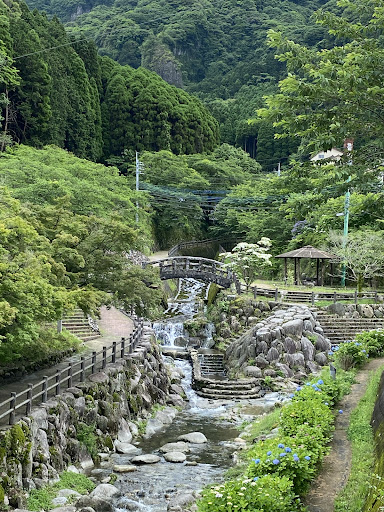
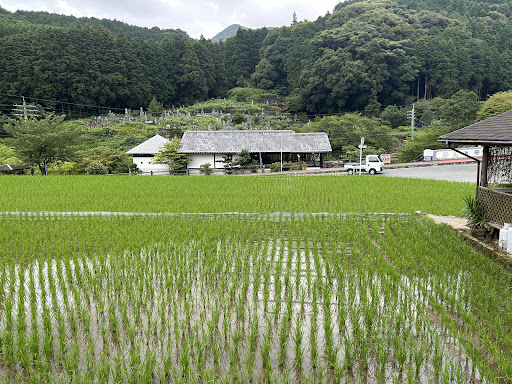
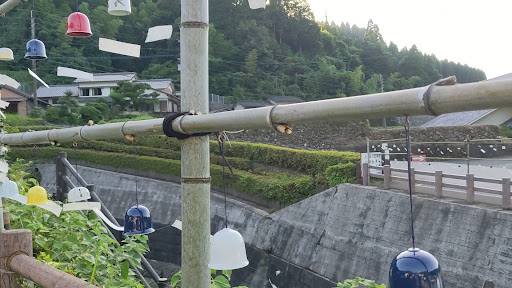
Okawachiyama Village things to do, attractions, restaurants, events info and trip planning
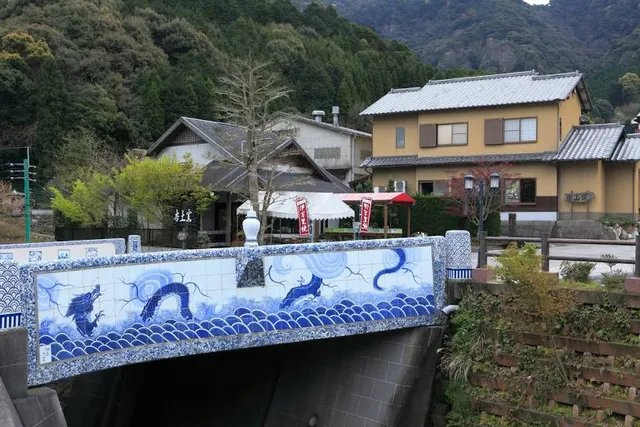
Basic Info
Okawachiyama Village
Otsu-1848 Okawachicho, Imari, Saga 848-0025, Japan
4.3(677)
Open until 5:00 PM
Save
spot
spot
Ratings & Description
Info
Cultural
Scenic
Family friendly
Off the beaten path
attractions: Nabeshima Clan Kiln Park, restaurants: , local businesses:
 Learn more insights from Wanderboat AI.
Phone
+81 955-23-7293
Website
imari-ookawachiyama.com
Open hoursSee all hours
Sun9 a.m. - 5 p.m.Open
Plan your stay

Pet-friendly Hotels in Imari
Find a cozy hotel nearby and make it a full experience.

Affordable Hotels in Imari
Find a cozy hotel nearby and make it a full experience.

The Coolest Hotels You Haven't Heard Of (Yet)
Find a cozy hotel nearby and make it a full experience.

Trending Stays Worth the Hype in Imari
Find a cozy hotel nearby and make it a full experience.
Reviews
Live events
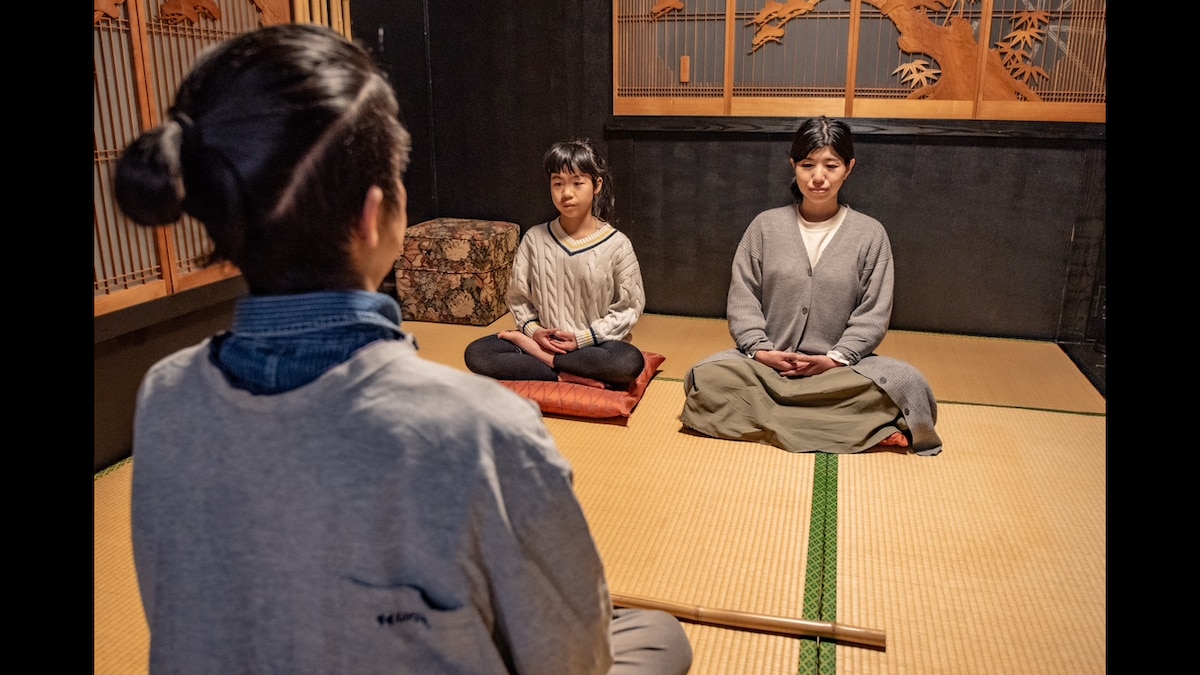
A time to experience authentic Zen, and learn self-improvement skills that you can use throughout your life in a concrete way through zazen
Sun, Feb 8 • 2:00 PM
859-3921, Nagasaki, Higashisonogi, Higashisonogi District, Japan
View details
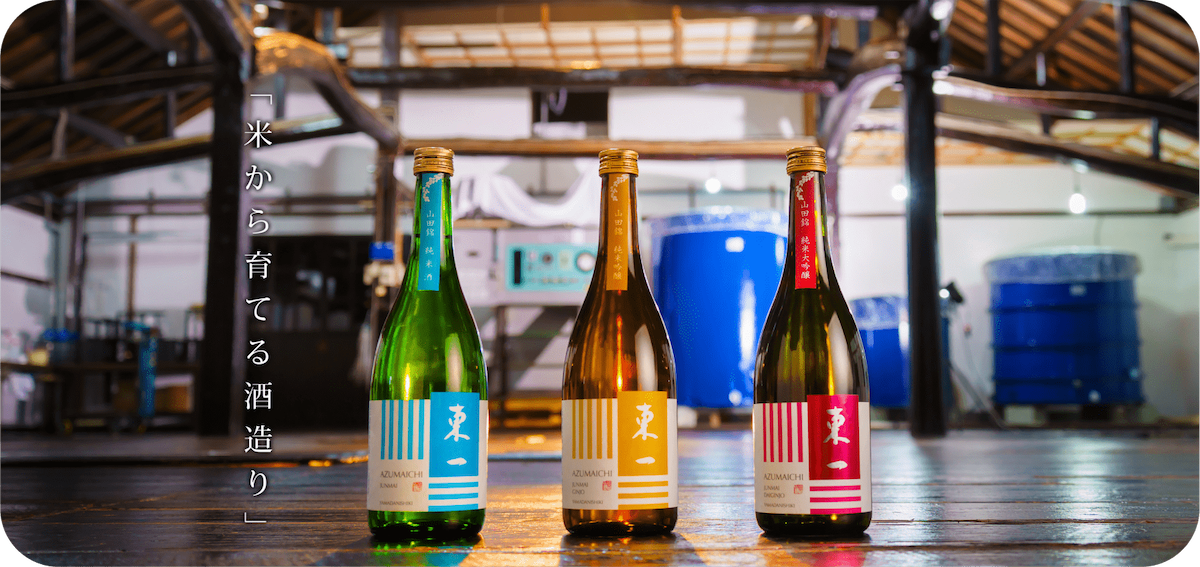
Experience at Gomabuta Sake Brewery Sake tasting & brewery tour
Mon, Feb 9 • 9:00 AM
849-1425, Saga, Ureshino, Japan
View details
Nearby attractions of Okawachiyama Village
Nabeshima Clan Kiln Park
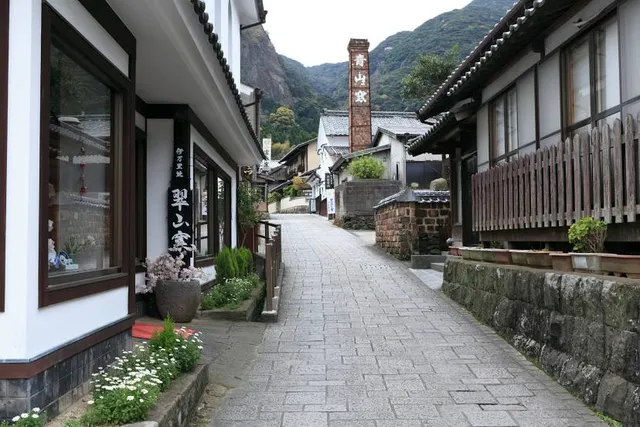
Nabeshima Clan Kiln Park
4.0
(82)
Open until 12:00 AM
Click for details