HTML SitemapExplore
logo
Find Things to DoFind The Best Restaurants

Heisenji Hakusan Shrine — Attraction in Katsuyama

Name
Heisenji Hakusan Shrine
Description
Heisenji Hakusan Shrine is a Shinto shrine in the city of Katsuyama, Fukui Prefecture, Japan. In the former Modern system of ranked Shinto Shrines, it was a prefectural shrine of Fukui Prefecture.
Nearby attractions
Genjo-in garden
Katsuyama, Fukui 911-0822, Japan
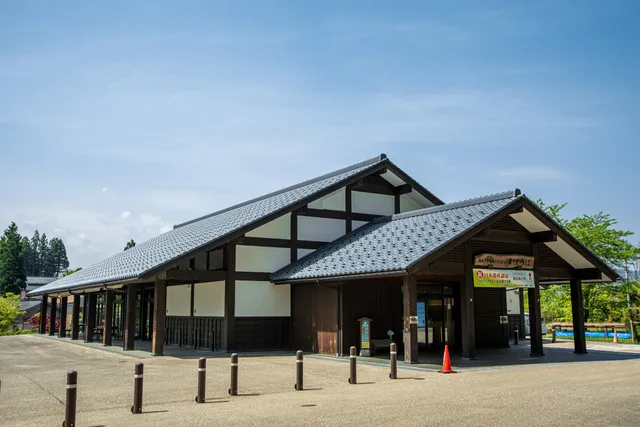
Hakusan Heisanji Historical Museum Mahoroba
66-2-12 Heisenjicho, Katsuyama, Fukui 911-0822, Japan
Nearby restaurants
Nearby hotels
Related posts
Keywords
Heisenji Hakusan Shrine tourism.Heisenji Hakusan Shrine hotels.Heisenji Hakusan Shrine bed and breakfast. flights to Heisenji Hakusan Shrine.Heisenji Hakusan Shrine attractions.Heisenji Hakusan Shrine restaurants.Heisenji Hakusan Shrine travel.Heisenji Hakusan Shrine travel guide.Heisenji Hakusan Shrine travel blog.Heisenji Hakusan Shrine pictures.Heisenji Hakusan Shrine photos.Heisenji Hakusan Shrine travel tips.Heisenji Hakusan Shrine maps.Heisenji Hakusan Shrine things to do.
Heisenji Hakusan Shrine things to do, attractions, restaurants, events info and trip planning
Heisenji Hakusan Shrine
JapanFukui PrefectureKatsuyamaHeisenji Hakusan Shrine

Basic Info

Heisenji Hakusan Shrine

56-63 Heisenjicho Heisenji, Katsuyama, Fukui 911-0822, Japan
4.5(1.1K)
Open until 12:00 AM
Save
spot

Ratings & Description

Info

Heisenji Hakusan Shrine is a Shinto shrine in the city of Katsuyama, Fukui Prefecture, Japan. In the former Modern system of ranked Shinto Shrines, it was a prefectural shrine of Fukui Prefecture.

Cultural
Outdoor
Family friendly
attractions: Genjo-in garden, Hakusan Heisanji Historical Museum Mahoroba, restaurants:
logoLearn more insights from Wanderboat AI.
Phone
+81 779-88-1591
Website
heisenji.jp
Open hoursSee all hours
SunOpen 24 hoursOpen

Plan your stay

hotel
Pet-friendly Hotels in Katsuyama
Find a cozy hotel nearby and make it a full experience.
hotel
Affordable Hotels in Katsuyama
Find a cozy hotel nearby and make it a full experience.
hotel
The Coolest Hotels You Haven't Heard Of (Yet)
Find a cozy hotel nearby and make it a full experience.
hotel
Trending Stays Worth the Hype in Katsuyama
Find a cozy hotel nearby and make it a full experience.

Reviews

Nearby attractions of Heisenji Hakusan Shrine

Genjo-in garden

Hakusan Heisanji Historical Museum Mahoroba

Genjo-in garden

Genjo-in garden

3.8

(12)

Open 24 hours
Click for details
Hakusan Heisanji Historical Museum Mahoroba

Hakusan Heisanji Historical Museum Mahoroba

4.1

(102)

Closed
Click for details
Get the Appoverlay
Get the AppOne tap to find yournext favorite spots!
Wanderboat LogoWanderboat

Your everyday Al companion for getaway ideas

CompanyAbout Us
InformationAI Trip PlannerSitemap
SocialXInstagramTiktokLinkedin
LegalTerms of ServicePrivacy Policy

Get the app

© 2025 Wanderboat. All rights reserved.
logo

Reviews of Heisenji Hakusan Shrine

4.5
(1,055)
avatar
5.0
7y

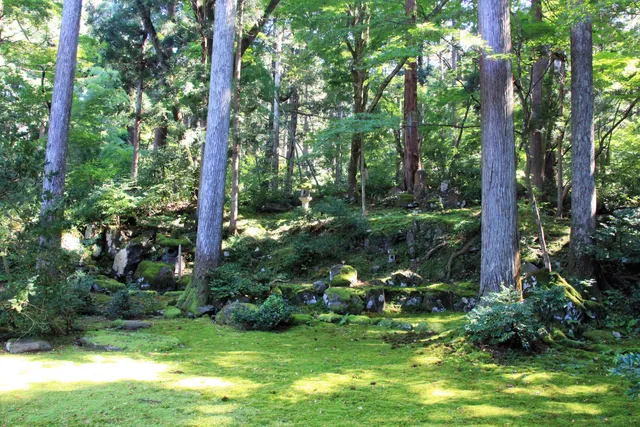
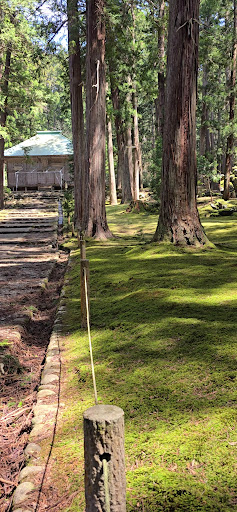
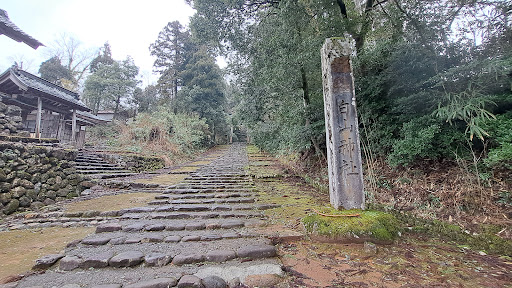
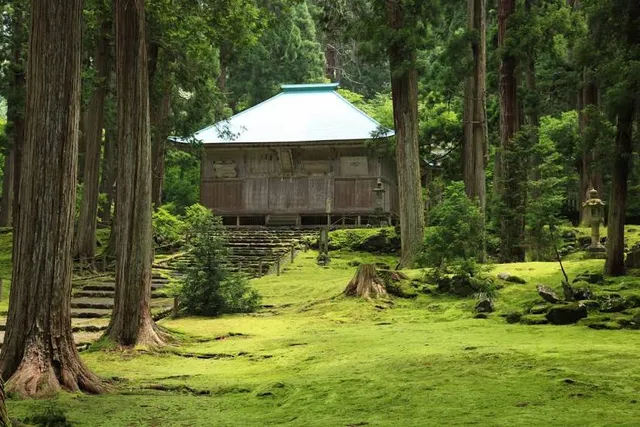
Heisenji Hakusan Shrine is located in north-east of Katsuyama City. This area is a part of Hakusan National Park. It was established by Saint Taicho in 717 as a home of Hakusan Cult in Echizen Region. Hakusan Cult developed expended across regions extending to Ishikawa prefecture and Gifu Prefecture as well as Fukui Prefecture where we can see a huge mountain of Hakusan towering over these 3 prefectures. Its lofty mountain peak reaching the height of 2,702 meters above the sea level, Mt. Hakusan is one of the three major mountain peaks along with Mt. Fuji and Mt. Tachiyama in Japan. Japan developed this unique tradition of making worship to those impressive mountain peaks as mighty creation of a God. Although this sacred area once had more than 8,000 force of monk soldiers in its peak time and it was the biggest force among religious organizations in Japan, the entire zone of the cult in this mountain was burned town in 1574 by a raid of outsiders. The latest excavation unearthed some of the historical remains of residence belonged to the monk soldiers. The entire ground of the precincts is covered in thick moss and the path to the shrine is considered one of the 100 most beautiful view of a path in Japan. As you approach toward the sacred main hall of the shrine there are some places where two large rock standing on each side of the path. Those rocks are called boundary rocks to mark the sacred boundary. It is believed that you can purify your body and soul as you cross each boundaries in the sacred ground. You might sense the different atmosphere as you cross the boundary.

( Trans-word+ : TGM...

   Read more
avatar
5.0
1y

Heisenji Hakusan Shrine is located in Katsuyama City, Fukui Prefecture. Once, it was home to one of Japan’s largest religious cities. The site has a long history, said to have been founded in 717 by the Buddhist monk Taichō. It later prospered as a central temple for the syncretic worship of Hakusan. At its peak in the late Muromachi period, the area housed 6,000 living quarters, fortified with stone walls and embankments, and had an army of 8,000 warrior-monks. In 1574, the entire site was burned down during a conflict of Ikko-ikki. It was subsequently rebuilt and later became Hakusan Shrine under the Meiji-era policy of separating Shinto and Buddhism.

The moss carpets here, praised by the famous novelist Ryotaro Shiba as being "on a scale and of a quality that makes the moss at Kyoto's Saiho-ji Temple (aka "Moss Temple") seem laughable," are breathtakingly beautiful. Highlights include the Sanno-miya approach, the starting point of the Echizen Zenjodo pilgrimage trail to Mount Hakusan, stone-paved roads, and ruins that evoke its former grandeur (excavation work is ongoing).

Of all the remarkable sights in Fukui, this spot stands out as a top recommendation. If you have the chance, I highly encourage...

   Read more
avatar
5.0
34w

Heisenji Hakusan Shrine (平泉寺白山神社) is a historically significant Shinto shrine nestled in the forested foothills of Mount Hakusan in Katsuyama City, Fukui Prefecture, Japan. Established in 717 AD by the Buddhist monk Taichō, it originally served as a Buddhist temple and a base for pilgrimages to the sacred Mount Hakusan. Over time, it evolved into a prominent religious center, blending elements of Buddhism, Shintoism, and mountain worship.

In the 16th century, the temple complex was destroyed during the Echizen Ikkō-ikki uprising. Later, during the Meiji period's separation of Shinto and Buddhism, it was reestablished as a Shinto shrine, retaining the name "Heisenji" despite the "-ji" suffix typically denoting Buddhist temples.

Today, Heisenji Hakusan Shrine is renowned for its serene atmosphere, moss-covered grounds, and towering cedar trees. The approach to the shrine features a stone-paved path enveloped in lush greenery, offering a tranquil experience for visitors. The site is also recognized as a National Historic Site and a Place of Scenic...

   Read more
Page 1 of 7
Previous
Next

Posts

Anna KrzakAnna Krzak
Heisenji Hakusan Shrine (平泉寺白山神社) is a historically significant Shinto shrine nestled in the forested foothills of Mount Hakusan in Katsuyama City, Fukui Prefecture, Japan. Established in 717 AD by the Buddhist monk Taichō, it originally served as a Buddhist temple and a base for pilgrimages to the sacred Mount Hakusan. Over time, it evolved into a prominent religious center, blending elements of Buddhism, Shintoism, and mountain worship. In the 16th century, the temple complex was destroyed during the Echizen Ikkō-ikki uprising. Later, during the Meiji period's separation of Shinto and Buddhism, it was reestablished as a Shinto shrine, retaining the name "Heisenji" despite the "-ji" suffix typically denoting Buddhist temples. Today, Heisenji Hakusan Shrine is renowned for its serene atmosphere, moss-covered grounds, and towering cedar trees. The approach to the shrine features a stone-paved path enveloped in lush greenery, offering a tranquil experience for visitors. The site is also recognized as a National Historic Site and a Place of Scenic Beauty in Japan.
Swiper StopSwipingSwiper StopSwiping
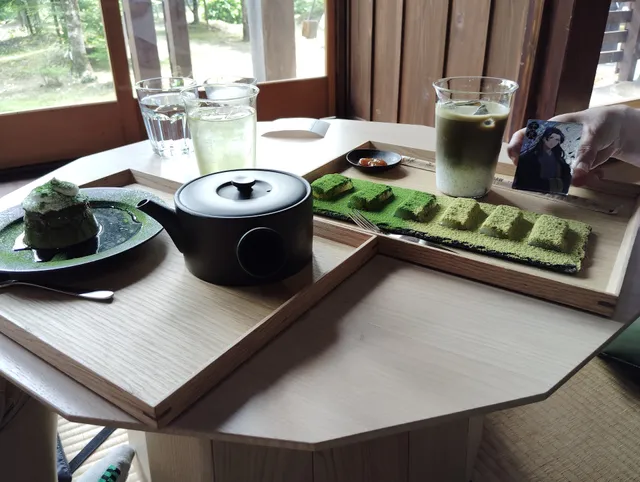
Absolut hidden Gem for people visiting Japan! This is the most incredible place I have visited during my whole trip! The moss shrine is incredibly beautiful and there are almost no tourists there. Next to the shrine there is a cafe called "Rokusai". They serve Matcha Specialities matching the aesthetics of the place perfectly! It is quite difficult to get here, the busses are unfortunately not well communicated and I had to take a taxi from the train station ~2000 yen). But it is absolutely worth it
伊勢守伊勢守
平泉(へいせん)寺白山神社って、寺なの、神社なの?といぶかるのは現代人だけで、明治の神仏分離令以前は神仏習合が当たり前で、庶民は寺社の区別など関心もなかった。鎌倉の鶴岡八幡宮など全国の有名な神社で、江戸時代までは実態は寺院であり、寺が別当として神社を管理していた例は多く、平泉寺も例外ではない。開祖と伝えられる泰澄(たいちょう)以来、連綿として白山信仰の聖地であり、神仏習合の道場でもあった。それが明治になって狂気じみた神道イデオロギーにより、仏教施設のほとんどが破壊され、神社にされてしまった。神社の案内板に「神仏分離令によって、神社本来の姿に戻った」などと書いてあったと思うが、無知蒙昧もここに極まれりというものだ。開祖泰澄もさぞかし嘆いていることだろう。明治の日本史学者で、皇国史観の権化でもあった平泉澄(ひらいずみきよし)はここの宮司であり、科学的実証的研究など全くできなかった人物だ。しかも、ちゃっかり泰澄から「澄」の字を拝領してるわけだから、お笑い草だ。超保守派のくせに伝統を無視している。近代以後の神職というのは、全国どこでもそうだが、歴史を一から学び直した方が良い。神仏習合時代は神社の宮司は寺の別当より格下で管理下にあったから長年のルサンチマンがあったと思うが、歴史は正しく解釈しないといけない。総じて現代の神職は学識に乏しい。 拝殿に至るまでの緩やかな石畳の両側に広がる苔は圧巻。戦国時代末期には朝倉氏と関係が深かったため、越前一向一揆に襲撃され、一時期事実上滅亡したこともあり、古代中世の建造物は残っていない。往時は6000と言われる僧坊、8000と言われる僧兵を擁し、石山本願寺にも匹敵する大宗教都市であり、城塞都市でもあった。境内には「東尋坊跡」の碑もある(写真最後)。平泉寺の手に負えない乱暴者であった東尋坊という僧侶が仲間に騙されて断崖から投げ落とされた。その断崖が三国町の東尋坊で、地名の由来にもなっているという。実際には武蔵坊弁慶のように「東尋坊〇〇」という名の坊さんだったと思うが、居住する僧坊の名で呼ぶのが一般的だった。伝承だから、史実として「東尋坊」があったのかは分からない。 平泉寺の僧は実質武装集団で、経済力もあった。戦国時代には「日本一番の法師大名」と言われた波多野玉泉坊と飛鳥井宝光院の勢力争いが逸話として伝えられている。玉泉坊は相模国波多野荘(神奈川県秦野市)に出自を持つ武士で永平寺の開基となった波多野氏の一族だろう。宝光院は京都の歌道の家として名高い飛鳥井氏の一族と思われる。平泉寺では名門の武士や貴族の一族が絶大な権力を行使していたことが分かる。余談だが、福井の銘酒「飛鳥井」も飛鳥井家に因んだものだそうだ。 「平泉」という地名は境内にある池(写真10枚目)が由来になっているようだ。奥州藤原氏の平泉(岩手県平泉町)とは何の関係もないと思っていたが、一応調べてみた。平泉寺の修験者によって奥州にも白山信仰、平泉信仰が伝播したという説があるが、まだ仮説の域を出ないようだ。
See more posts
See more posts
hotel
Find your stay

Pet-friendly Hotels in Katsuyama

Find a cozy hotel nearby and make it a full experience.

Heisenji Hakusan Shrine (平泉寺白山神社) is a historically significant Shinto shrine nestled in the forested foothills of Mount Hakusan in Katsuyama City, Fukui Prefecture, Japan. Established in 717 AD by the Buddhist monk Taichō, it originally served as a Buddhist temple and a base for pilgrimages to the sacred Mount Hakusan. Over time, it evolved into a prominent religious center, blending elements of Buddhism, Shintoism, and mountain worship. In the 16th century, the temple complex was destroyed during the Echizen Ikkō-ikki uprising. Later, during the Meiji period's separation of Shinto and Buddhism, it was reestablished as a Shinto shrine, retaining the name "Heisenji" despite the "-ji" suffix typically denoting Buddhist temples. Today, Heisenji Hakusan Shrine is renowned for its serene atmosphere, moss-covered grounds, and towering cedar trees. The approach to the shrine features a stone-paved path enveloped in lush greenery, offering a tranquil experience for visitors. The site is also recognized as a National Historic Site and a Place of Scenic Beauty in Japan.
Anna Krzak

Anna Krzak

hotel
Find your stay

Affordable Hotels in Katsuyama

Find a cozy hotel nearby and make it a full experience.

Get the Appoverlay
Get the AppOne tap to find yournext favorite spots!
Absolut hidden Gem for people visiting Japan! This is the most incredible place I have visited during my whole trip! The moss shrine is incredibly beautiful and there are almost no tourists there. Next to the shrine there is a cafe called "Rokusai". They serve Matcha Specialities matching the aesthetics of the place perfectly! It is quite difficult to get here, the busses are unfortunately not well communicated and I had to take a taxi from the train station ~2000 yen). But it is absolutely worth it
Swiper StopSwiping

Swiper StopSwiping

hotel
Find your stay

The Coolest Hotels You Haven't Heard Of (Yet)

Find a cozy hotel nearby and make it a full experience.

hotel
Find your stay

Trending Stays Worth the Hype in Katsuyama

Find a cozy hotel nearby and make it a full experience.

平泉(へいせん)寺白山神社って、寺なの、神社なの?といぶかるのは現代人だけで、明治の神仏分離令以前は神仏習合が当たり前で、庶民は寺社の区別など関心もなかった。鎌倉の鶴岡八幡宮など全国の有名な神社で、江戸時代までは実態は寺院であり、寺が別当として神社を管理していた例は多く、平泉寺も例外ではない。開祖と伝えられる泰澄(たいちょう)以来、連綿として白山信仰の聖地であり、神仏習合の道場でもあった。それが明治になって狂気じみた神道イデオロギーにより、仏教施設のほとんどが破壊され、神社にされてしまった。神社の案内板に「神仏分離令によって、神社本来の姿に戻った」などと書いてあったと思うが、無知蒙昧もここに極まれりというものだ。開祖泰澄もさぞかし嘆いていることだろう。明治の日本史学者で、皇国史観の権化でもあった平泉澄(ひらいずみきよし)はここの宮司であり、科学的実証的研究など全くできなかった人物だ。しかも、ちゃっかり泰澄から「澄」の字を拝領してるわけだから、お笑い草だ。超保守派のくせに伝統を無視している。近代以後の神職というのは、全国どこでもそうだが、歴史を一から学び直した方が良い。神仏習合時代は神社の宮司は寺の別当より格下で管理下にあったから長年のルサンチマンがあったと思うが、歴史は正しく解釈しないといけない。総じて現代の神職は学識に乏しい。 拝殿に至るまでの緩やかな石畳の両側に広がる苔は圧巻。戦国時代末期には朝倉氏と関係が深かったため、越前一向一揆に襲撃され、一時期事実上滅亡したこともあり、古代中世の建造物は残っていない。往時は6000と言われる僧坊、8000と言われる僧兵を擁し、石山本願寺にも匹敵する大宗教都市であり、城塞都市でもあった。境内には「東尋坊跡」の碑もある(写真最後)。平泉寺の手に負えない乱暴者であった東尋坊という僧侶が仲間に騙されて断崖から投げ落とされた。その断崖が三国町の東尋坊で、地名の由来にもなっているという。実際には武蔵坊弁慶のように「東尋坊〇〇」という名の坊さんだったと思うが、居住する僧坊の名で呼ぶのが一般的だった。伝承だから、史実として「東尋坊」があったのかは分からない。 平泉寺の僧は実質武装集団で、経済力もあった。戦国時代には「日本一番の法師大名」と言われた波多野玉泉坊と飛鳥井宝光院の勢力争いが逸話として伝えられている。玉泉坊は相模国波多野荘(神奈川県秦野市)に出自を持つ武士で永平寺の開基となった波多野氏の一族だろう。宝光院は京都の歌道の家として名高い飛鳥井氏の一族と思われる。平泉寺では名門の武士や貴族の一族が絶大な権力を行使していたことが分かる。余談だが、福井の銘酒「飛鳥井」も飛鳥井家に因んだものだそうだ。 「平泉」という地名は境内にある池(写真10枚目)が由来になっているようだ。奥州藤原氏の平泉(岩手県平泉町)とは何の関係もないと思っていたが、一応調べてみた。平泉寺の修験者によって奥州にも白山信仰、平泉信仰が伝播したという説があるが、まだ仮説の域を出ないようだ。
伊勢守

伊勢守

See more posts
See more posts