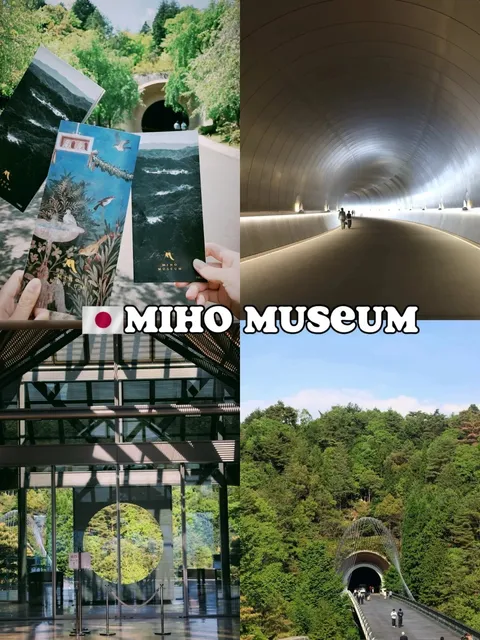
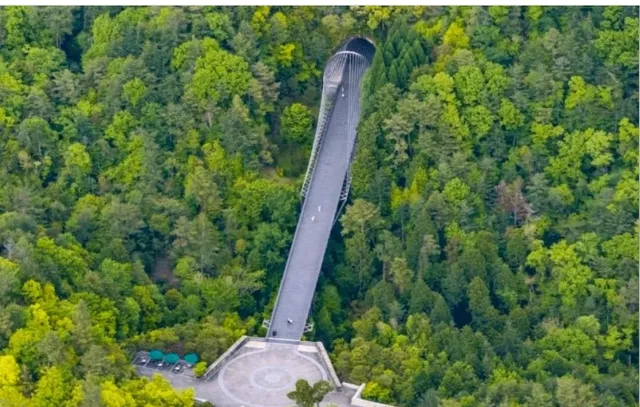
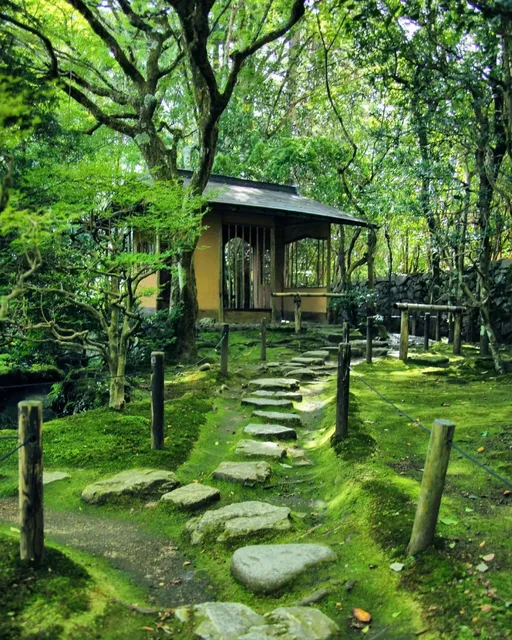
The Miho Museum is a world-renowned art institution situated in the Shiga Prefecture of Japan, near the city of Kyoto. Established by Mihoko Koyama, a Japanese philanthropist and art collector, the museum is renowned for its exceptional architecture, breathtaking natural surroundings, and an exquisite collection of art and antiquities from around the world. Here's an overview of this remarkable cultural destination:
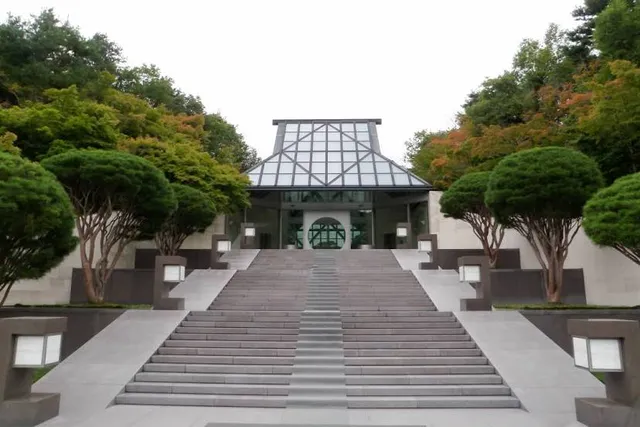
Architectural Marvel: The Miho Museum is often celebrated for its remarkable architectural design. Designed by the renowned architect I. M. Pei, the museum is nestled in the rolling hills of Shiga and is often described as a "Shangri-La" due to its harmonious integration with the surrounding landscape. Its architecture is a masterpiece of modern and traditional design, with elements that blend seamlessly with the natural environment.
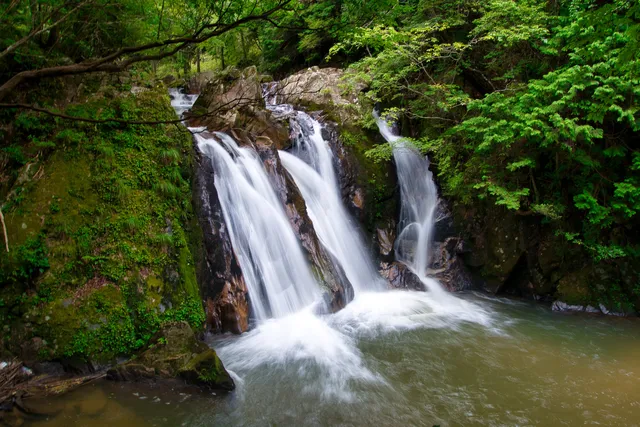
Scenic Location: The museum is situated in a serene natural setting, surrounded by lush forests and picturesque hills. The location provides a tranquil and contemplative atmosphere that enhances the overall experience for visitors.
Eclectic Collection: The Miho Museum's collection encompasses a wide range of art and artifacts from diverse cultures and historical periods. Visitors can explore exquisite pieces of Asian, European, and Middle Eastern art, including paintings, sculptures, ceramics, textiles, and more. Notable highlights include Japanese tea utensils, ancient Greek and Egyptian artifacts, and modern works of art.
Spiritual and Aesthetic Connection: The museum's founder, Mihoko Koyama, was deeply interested in spirituality and believed that art had the power to inspire and uplift the human spirit. The Miho Museum is designed to reflect her vision, with an emphasis on the spiritual connection between art, nature, and humanity.
Rotating Exhibitions: In addition to its permanent collection, the Miho Museum hosts special exhibitions and events that provide fresh insights into various aspects of art, culture, and history. These exhibitions contribute to the museum's dynamic and ever-evolving character.
Tea House and Gardens: The museum features a traditional Japanese tea house where visitors can experience a traditional tea ceremony. The well-tended gardens and surrounding greenery further enhance the museum's serene ambiance.
Accessibility: The Miho Museum is easily accessible by public transportation from Kyoto, and a visit to this cultural gem can be combined with exploration of the picturesque Shiga Prefecture.
The Miho Museum is a captivating fusion of art, nature, and architecture, offering a unique and enriching cultural experience. Whether you're an art enthusiast, an architecture aficionado, or simply seeking a tranquil and inspirational retreat, the Miho Museum is a destination that combines beauty, culture, and spirituality in an...
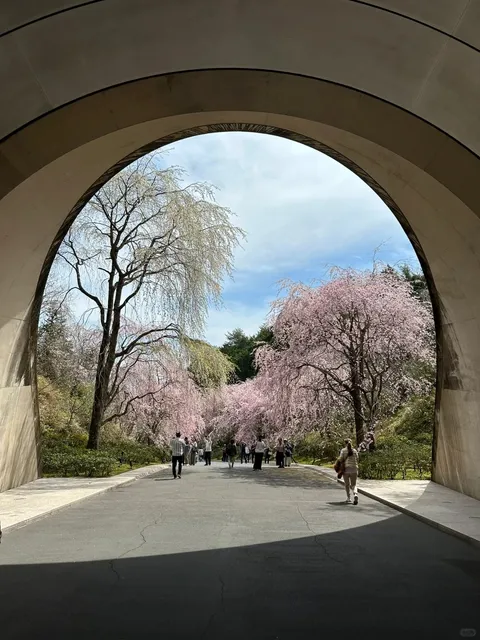
Read moreStepping into the mountain’s embrace, I was drawn to the entrance of a tunnel lined with delicate cherry blossoms—a journey that echoed the spirit of ancient Chinese poetry, "The Peach Blossom Spring" by Tao Yuanming. As I followed this pathway, the interplay of light and shadow hinted at secrets yet to be revealed.
The Miho Museum is built with 80% of its mass hidden underground to preserve the natural landscape. While this elegant design is prone to groundwater seepage, a thoughtful concrete moisture barrier keeps the building dry and secures its impressive collection of art. Inside, sleek aluminum beams and joints create a stunning triangular geometry and silhouette. The sloped glass ceiling design with carefully arranged louvers diffuses natural light onto the Magny Doré limestone and colored concrete interior, forming a soft, shifting glow.
As I wandered deeper into the museum’s luminous corridors, I reached the lobby through a pair of sliding doors that joined together to form a round window, unveiling a dramatic scene. Through six expansive glass panes in the lobby, I beheld a picturesque view: in the foreground, a distinctive tree with gracefully curved branches frames the landscape, guiding my gaze toward a distant, elegant bell tower—the symbol of Shinji Shumeikai’s spiritual heritage. The glass panels, reminiscent of classical Chinese painting panels, capture ever-changing brushstrokes of light and shadow, unfolding the scene into a timeless narrative.
My journey through the Miho Museum became a living poem—a seamless blend of ancient inspiration and contemporary engineering. From the tunnel that whispers of "The Peach Blossom Spring" to the underground sanctuary protected by a clever water-retaining wall, and from the modern, shimmering aluminum accents to the sacred view of the bell tower framed by vast, poetic glass panes, every element is a deliberate verse. Here, art, nature, and spirit converge, inviting visitors not just to observe, but to step into a reimagined world where tradition and innovation dance together in...
Read moreThis is basically an archaeology museum with few but very good exhibits. The building holding the collection is gorgeous. However, the experience visiting the museum could be improved. Firstly, it is ridiculous that photography is not allowed in an archeological museum, I have been lucky enough to visit most of the best museums in the world: British Museum, Cairo’s Museum, Antropología in CDMX, Istanbul, Athens and more than other 100 museums. This is the only one where photography is not allowed. All other museums allow photography because it has been scientifically shown that the exhibits are not damaged by people taking pictures without flash. Photography helps visitors to remember those works that transmitted something to them during their visit, moved them somehow and will contribute to their appreciation of similar future exhibits. I guess the museum officials can say that there is a catalogue of the works. This view favours the wealthy, some people may not be able to afford ~ 5000 yen for a book. This catalogue is not complete, many of the works I liked today were not included in the catalogue so they will be soon forgotten. In conclusion banning photography is an absurd and unfair policy. During the visit there is a person walking around with a bell requesting people to be silent during their visit. Talking about the works, exchanging views enriches the experience as you can see the objects through the eyes of others. The person with the bell is really annoying and it is something that I’ve luckily never endured outside Japan. There was an special exhibition about cooking in Japan which I found quite interesting. However, again it was a no photography exhibition and the quality of the catalogue was terrible. Sadly I will not make as many memories about the museum and Japan in general if photography was more widespread in their art galleries and museums. Clearly this policy is not focusing on tourist...
Read more