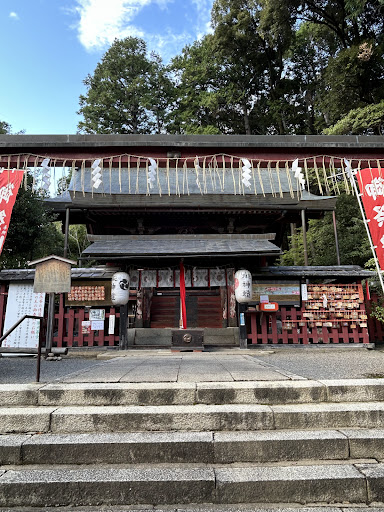
HTML SitemapExplore
logo
Find Things to DoFind The Best Restaurants

Hiraoka Hachimangū Shrine — Attraction in Kyoto

Name
Hiraoka Hachimangū Shrine
Description
Nearby attractions
Dairyu-ji Temple
37 Umegahata Takahanacho, Ukyo Ward, Kyoto, 616-8261, Japan
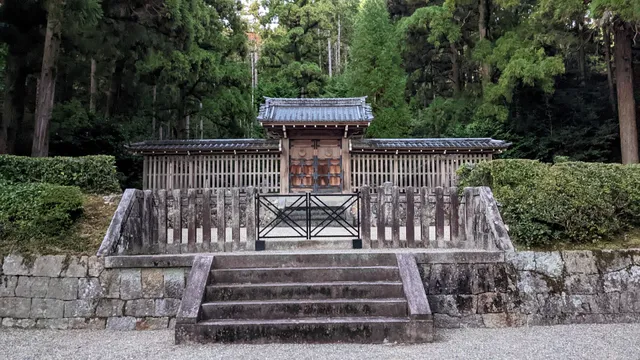
Mausoleum of Emperor Go-Uda
Kitasaga Asaharayamacho, Ukyo Ward, Kyoto, 616-0000, Japan
Nearby restaurants
Nearby hotels
Related posts
Keywords
Hiraoka Hachimangū Shrine tourism.Hiraoka Hachimangū Shrine hotels.Hiraoka Hachimangū Shrine bed and breakfast. flights to Hiraoka Hachimangū Shrine.Hiraoka Hachimangū Shrine attractions.Hiraoka Hachimangū Shrine restaurants.Hiraoka Hachimangū Shrine travel.Hiraoka Hachimangū Shrine travel guide.Hiraoka Hachimangū Shrine travel blog.Hiraoka Hachimangū Shrine pictures.Hiraoka Hachimangū Shrine photos.Hiraoka Hachimangū Shrine travel tips.Hiraoka Hachimangū Shrine maps.Hiraoka Hachimangū Shrine things to do.
Hiraoka Hachimangū Shrine things to do, attractions, restaurants, events info and trip planning
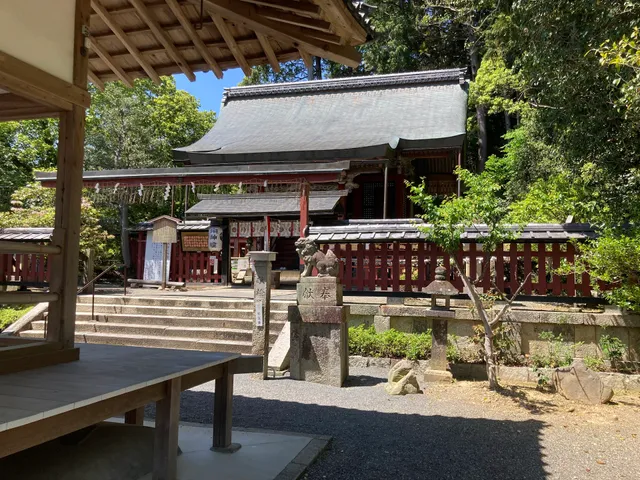
Hiraoka Hachimangū Shrine
JapanKyoto PrefectureKyotoHiraoka Hachimangū Shrine

Basic Info

Hiraoka Hachimangū Shrine

23 Umegahata Miyanokuchicho, Ukyo Ward, Kyoto, 616-8271, Japan
3.9(151)
Open 24 hours
Save
spot

Ratings & Description

Info

Cultural
Scenic
Family friendly
Accessibility
attractions: Dairyu-ji Temple, Mausoleum of Emperor Go-Uda, restaurants:
logoLearn more insights from Wanderboat AI.
Phone
+81 75-871-2084

Plan your stay

hotel
Pet-friendly Hotels in Kyoto
Find a cozy hotel nearby and make it a full experience.

hotel
Affordable Hotels in Kyoto
Find a cozy hotel nearby and make it a full experience.

hotel
The Coolest Hotels You Haven't Heard Of (Yet)
Find a cozy hotel nearby and make it a full experience.

hotel
Trending Stays Worth the Hype in Kyoto
Find a cozy hotel nearby and make it a full experience.

Reviews

Nearby attractions of Hiraoka Hachimangū Shrine

Dairyu-ji Temple

Mausoleum of Emperor Go-Uda
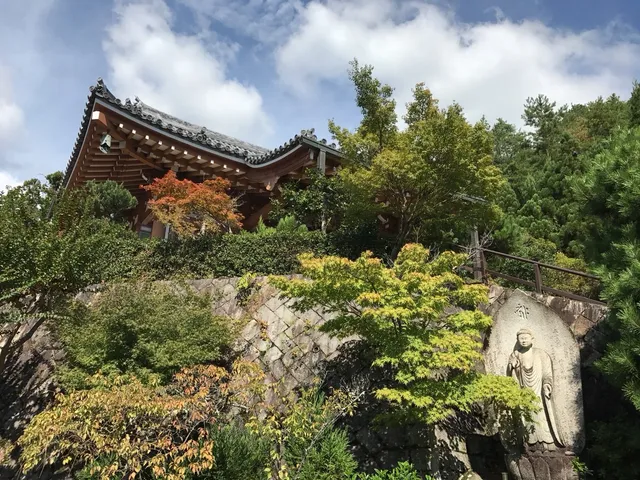
Dairyu-ji Temple

Dairyu-ji Temple

4.3

(27)

Open 24 hours
Click for details
Mausoleum of Emperor Go-Uda

Mausoleum of Emperor Go-Uda

4.4

(46)

Open until 12:00 AM
Click for details

Things to do nearby

京都:ガイド付き観光バスツアー(日本語)
Mon, Dec 8 • 10:00 AM
京都市中京区笹屋町435 京都御池第一生命ビルディング 6階, 604-8187
View details
Sekka Cotton Furoshiki Class
Tue, Dec 9 • 9:00 AM
京都市中京区油小路通御池式阿弥町135−5, 604-8261
View details
Learn tea ceremony in traditional Kyoto townhouse
Tue, Dec 9 • 10:00 AM
600-8397, Kyoto, Kyoto, Japan
View details
Get the Appoverlay
Get the AppOne tap to find yournext favorite spots!
Wanderboat LogoWanderboat

Your everyday Al companion for getaway ideas

CompanyAbout Us
InformationAI Trip PlannerSitemap
SocialXInstagramTiktokLinkedin
LegalTerms of ServicePrivacy Policy

Get the app

© 2025 Wanderboat. All rights reserved.
logo

Reviews of Hiraoka Hachimangū Shrine

3.9
(151)
avatar
5.0
8y

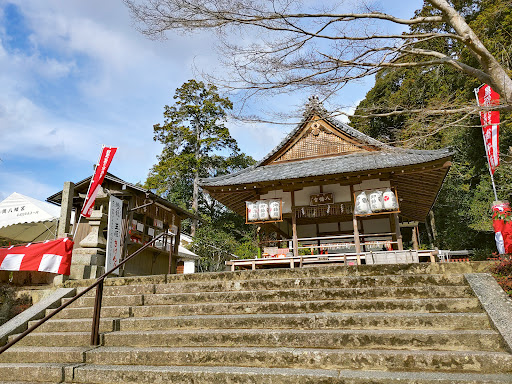
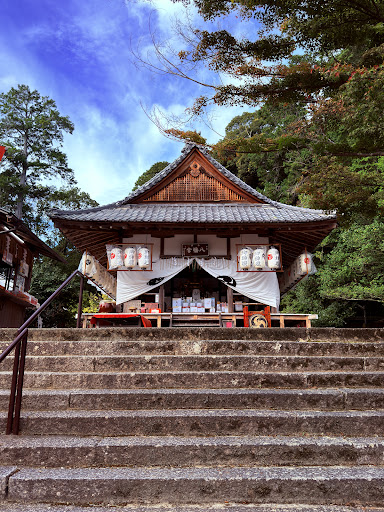
Hiraoka Hachimangu is a Shinto Shrine located in Umegahata ( between Kyoto city and Takao along route 162 ). In another name it has also been called Umegahata Hachimangu since it is a birth shrine of this entire region of Umegahata as well as being the oldest shrine in the province of Yamanoshiro.

The origin of the shrine dates back in 809 when saint Kukai ( who promoted esoteric Buddhism in Japan and later established the Shingon retreat of Kōya-san ) made a ceremonial transfer of a devine of Usa Hachimangu in Oita prefecture to this location as a gardian of Jingoji Temple. The main shrine hall was rebuilt in 1407 by Ashikaga Yoshimitsu ( The 3rd shogun of Ashikaga Shogunate who was in power from 1368 to 1394 ) after it was burned in a war period. Current structure of the shrine was built in 1826 built with a rare structure of gabled roofs ( consists of sloping roofs making a triangler shape on the top) and later on it was designated as one of the tangible cultural assets in Kyoto.

** Features & Highlight & Events

Flower Ceiling : Up on the ceiling of main hall you can see 44 different type of drawings depicting colorful flowers that represent seasonal beauty.

Sanyaku Sumo : In October there is an annual festival held in this shrine. Especially this part of the festivity called " Sanyaku Sumo " translated as sumo consists of three different roles. This tradition of holding sumo wrestling has been passed down from generation to generation as a holy event of Umegahata. The way it shows how children wins against adults at the end of the performance represents the message that the one who is blessed with divine protection wins the battle in the end.

Seasonal beauty in April : Camellia trees planted in the precincts have leaves in a shape of fish. Have a close took at those trees with...

   Read more
avatar
5.0
6y

Peaceful, serene shrine with lovely cherry blossoms in spring! One of the less known, quiet places in Kyoto where you won’t see so many foreigners. It’s not very convenient to go there, there’s a bus stop nearby but not many other sights to see, so I recommend this if you want to enjoy the tranquility of a...

   Read more
avatar
5.0
35w

2024年1月28日に参拝しました。 最寄りのバス停(平岡八幡前) 前に鳥居があり、本殿は250mほど先にあります。 809年に弘法大師(空海) が神護寺の守護神として創建した由緒ある神社で「花の天井」 が有名です。 本殿内陣の天井には、梁で出来た44のマス目に色彩豊かな花の絵が描かれています。再興した足利義満が花好きということから、楓・牡丹・菖蒲・水仙などの華麗な花絵もありますが、当寺付近が薬草の産地であったことから絵の8割は薬草が描かれています。 通常は非公開のため見ることはできませんが、毎年春と秋に特別公開 (今春は 3/14~5/6) をしており、宮司の説明を聞きながら華麗な天井画を楽しむことができます。 また、椿でも名が知れたお寺であり春には約200種の椿が境内に咲き誇ります。葉の形が金魚に似ている「金魚椿」も見れますので探してみてください。 仁和寺から徒歩で約40分の距離ですが、途中、西寿寺・三賓寺・大龍寺などを巡ったので...

   Read more
Page 1 of 7
Previous
Next

Posts

Trans-word plus TGMTrans-word plus TGM
Hiraoka Hachimangu is a Shinto Shrine located in Umegahata ( between Kyoto city and Takao along route 162 ). In another name it has also been called Umegahata Hachimangu since it is a birth shrine of this entire region of Umegahata as well as being the oldest shrine in the province of Yamanoshiro. The origin of the shrine dates back in 809 when saint Kukai ( who promoted esoteric Buddhism in Japan and later established the Shingon retreat of Kōya-san ) made a ceremonial transfer of a devine of Usa Hachimangu in Oita prefecture to this location as a gardian of Jingoji Temple. The main shrine hall was rebuilt in 1407 by Ashikaga Yoshimitsu ( The 3rd shogun of Ashikaga Shogunate who was in power from 1368 to 1394 ) after it was burned in a war period. Current structure of the shrine was built in 1826 built with a rare structure of gabled roofs ( consists of sloping roofs making a triangler shape on the top) and later on it was designated as one of the tangible cultural assets in Kyoto. ** Features & Highlight & Events Flower Ceiling : Up on the ceiling of main hall you can see 44 different type of drawings depicting colorful flowers that represent seasonal beauty. Sanyaku Sumo : In October there is an annual festival held in this shrine. Especially this part of the festivity called " Sanyaku Sumo " translated as sumo consists of three different roles. This tradition of holding sumo wrestling has been passed down from generation to generation as a holy event of Umegahata. The way it shows how children wins against adults at the end of the performance represents the message that the one who is blessed with divine protection wins the battle in the end. Seasonal beauty in April : Camellia trees planted in the precincts have leaves in a shape of fish. Have a close took at those trees with white flowers.
しゅうしゅう
2024年1月28日に参拝しました。 最寄りのバス停(平岡八幡前) 前に鳥居があり、本殿は250mほど先にあります。 809年に弘法大師(空海) が神護寺の守護神として創建した由緒ある神社で「花の天井」 が有名です。 本殿内陣の天井には、梁で出来た44のマス目に色彩豊かな花の絵が描かれています。再興した足利義満が花好きということから、楓・牡丹・菖蒲・水仙などの華麗な花絵もありますが、当寺付近が薬草の産地であったことから絵の8割は薬草が描かれています。 通常は非公開のため見ることはできませんが、毎年春と秋に特別公開 (今春は 3/14~5/6) をしており、宮司の説明を聞きながら華麗な天井画を楽しむことができます。 また、椿でも名が知れたお寺であり春には約200種の椿が境内に咲き誇ります。葉の形が金魚に似ている「金魚椿」も見れますので探してみてください。 仁和寺から徒歩で約40分の距離ですが、途中、西寿寺・三賓寺・大龍寺などを巡ったので 3時間ほどかかりました。なお、道路は狭いですが歩けなくはなく、一本道で迷うことはありません。ちなみに、京都駅からだとバス1本で行けますが50分ほどかかります。
M NM N
鷹峯(たかがみね)の山あいにひっそりと佇む、歴史ある八幡さまです。 創建は弘法大師・空海による平安時代初期(809年)と伝えられ、京都で最も古い八幡宮の一つとされています。 厄除け・開運のご利益で知られ、社殿の「花の天井」は色鮮やかで、まるで美術館のような美しさ。拝観時に特別公開されていることもあります。 境内はこぢんまりとしていますが、落ち着いた雰囲気で、訪れる人も少なく、静かに参拝できます。 10月11日時点ではまだ紅葉前で、木々がほんのり色づき始めた頃。 紅葉の見頃は11月中旬頃が良さそうです。 金閣寺や光悦寺から少し足を延ばすと訪れられる距離で、観光地の喧騒を離れたい方にぴったり。 歴史と自然の両方を感じながら、心が整うような時間を過ごせました。
See more posts
See more posts
hotel
Find your stay

Pet-friendly Hotels in Kyoto

Find a cozy hotel nearby and make it a full experience.

Hiraoka Hachimangu is a Shinto Shrine located in Umegahata ( between Kyoto city and Takao along route 162 ). In another name it has also been called Umegahata Hachimangu since it is a birth shrine of this entire region of Umegahata as well as being the oldest shrine in the province of Yamanoshiro. The origin of the shrine dates back in 809 when saint Kukai ( who promoted esoteric Buddhism in Japan and later established the Shingon retreat of Kōya-san ) made a ceremonial transfer of a devine of Usa Hachimangu in Oita prefecture to this location as a gardian of Jingoji Temple. The main shrine hall was rebuilt in 1407 by Ashikaga Yoshimitsu ( The 3rd shogun of Ashikaga Shogunate who was in power from 1368 to 1394 ) after it was burned in a war period. Current structure of the shrine was built in 1826 built with a rare structure of gabled roofs ( consists of sloping roofs making a triangler shape on the top) and later on it was designated as one of the tangible cultural assets in Kyoto. ** Features & Highlight & Events Flower Ceiling : Up on the ceiling of main hall you can see 44 different type of drawings depicting colorful flowers that represent seasonal beauty. Sanyaku Sumo : In October there is an annual festival held in this shrine. Especially this part of the festivity called " Sanyaku Sumo " translated as sumo consists of three different roles. This tradition of holding sumo wrestling has been passed down from generation to generation as a holy event of Umegahata. The way it shows how children wins against adults at the end of the performance represents the message that the one who is blessed with divine protection wins the battle in the end. Seasonal beauty in April : Camellia trees planted in the precincts have leaves in a shape of fish. Have a close took at those trees with white flowers.
Trans-word plus TGM

Trans-word plus TGM

hotel
Find your stay

Affordable Hotels in Kyoto

Find a cozy hotel nearby and make it a full experience.

Get the Appoverlay
Get the AppOne tap to find yournext favorite spots!
2024年1月28日に参拝しました。 最寄りのバス停(平岡八幡前) 前に鳥居があり、本殿は250mほど先にあります。 809年に弘法大師(空海) が神護寺の守護神として創建した由緒ある神社で「花の天井」 が有名です。 本殿内陣の天井には、梁で出来た44のマス目に色彩豊かな花の絵が描かれています。再興した足利義満が花好きということから、楓・牡丹・菖蒲・水仙などの華麗な花絵もありますが、当寺付近が薬草の産地であったことから絵の8割は薬草が描かれています。 通常は非公開のため見ることはできませんが、毎年春と秋に特別公開 (今春は 3/14~5/6) をしており、宮司の説明を聞きながら華麗な天井画を楽しむことができます。 また、椿でも名が知れたお寺であり春には約200種の椿が境内に咲き誇ります。葉の形が金魚に似ている「金魚椿」も見れますので探してみてください。 仁和寺から徒歩で約40分の距離ですが、途中、西寿寺・三賓寺・大龍寺などを巡ったので 3時間ほどかかりました。なお、道路は狭いですが歩けなくはなく、一本道で迷うことはありません。ちなみに、京都駅からだとバス1本で行けますが50分ほどかかります。
しゅう

しゅう

hotel
Find your stay

The Coolest Hotels You Haven't Heard Of (Yet)

Find a cozy hotel nearby and make it a full experience.

hotel
Find your stay

Trending Stays Worth the Hype in Kyoto

Find a cozy hotel nearby and make it a full experience.

鷹峯(たかがみね)の山あいにひっそりと佇む、歴史ある八幡さまです。 創建は弘法大師・空海による平安時代初期(809年)と伝えられ、京都で最も古い八幡宮の一つとされています。 厄除け・開運のご利益で知られ、社殿の「花の天井」は色鮮やかで、まるで美術館のような美しさ。拝観時に特別公開されていることもあります。 境内はこぢんまりとしていますが、落ち着いた雰囲気で、訪れる人も少なく、静かに参拝できます。 10月11日時点ではまだ紅葉前で、木々がほんのり色づき始めた頃。 紅葉の見頃は11月中旬頃が良さそうです。 金閣寺や光悦寺から少し足を延ばすと訪れられる距離で、観光地の喧騒を離れたい方にぴったり。 歴史と自然の両方を感じながら、心が整うような時間を過ごせました。
M N

M N

See more posts
See more posts