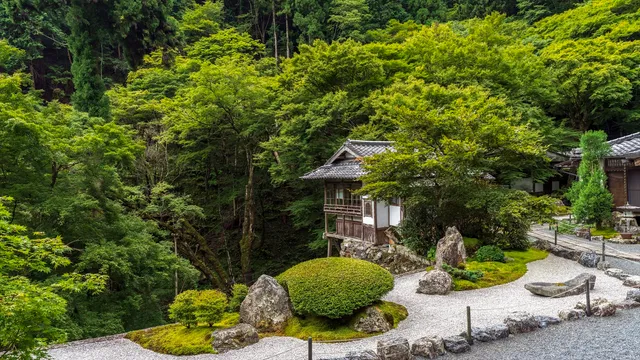
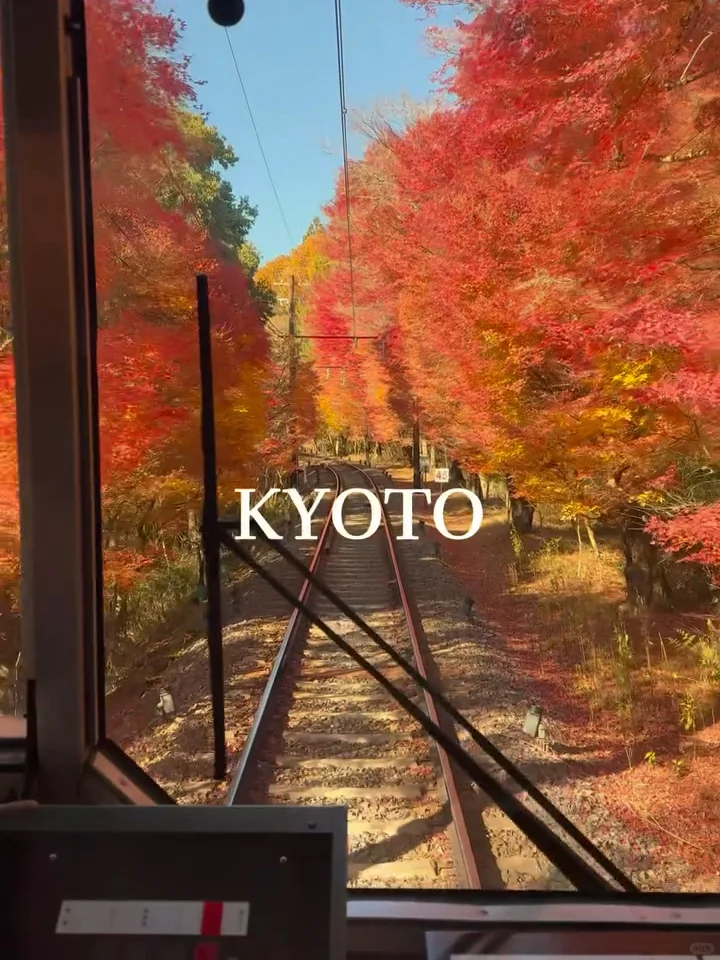
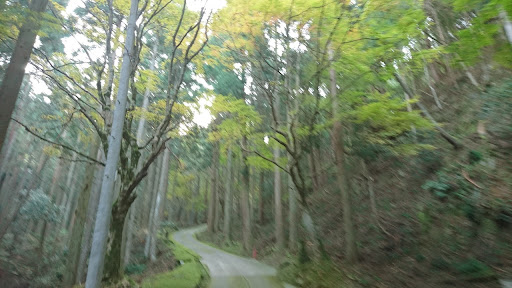
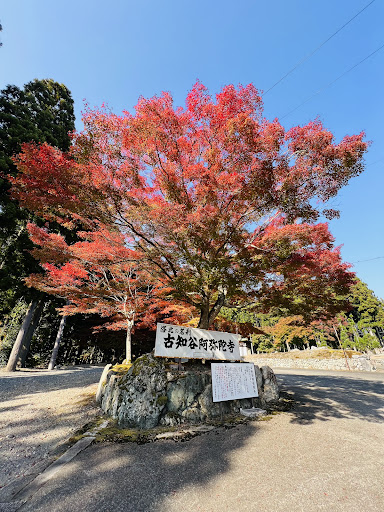
Kochidani Amidaji Temple is located in northern part of Ohara. The temple belongs to Jodo sect of Buddhism and it was established in 1609 by a high ranked priest Saint Danzei. Its Sango ( mountain name ) is Komyzan. Sango is a title prefixed to the name of a Buddhist temple. The main object of worship in this temple is a wooden statue of Amida Nyorai placed in its main hall. The temple is known for its history of Danzei mummified himself in a stone cave and had his disciples closed the opening. It was the final stage of ascetic training of Danzei. It once was a Buddhist practice of austerity to bring oneself to the point of death into mummification. Before he went into the cave he resinified physical components of his body. In the cave he placed himself into a stone coffin to preserve himself as a statue of Buddha. Danzei's body is stored in a temple hall in which visitors can access to the front part of the stone cave. Next to the treasure hall is a room where items of historical value such as Buddhist outfits and Danzei's hand-written scrolls are exhibited. There are over 300 trees of Japanese maple ( momiji ) planted around the temple ground which would turn color all together in mid November. Admission is 500 yen for adults. There are 2 parking areas. The one up on the hill only has a space for 3 cars. The temple is built in a very high position up on a mountain with a long uphill approach to the main ground. Along the long hill are beautiful natural surroundings with mossy ground and maple trees. There is a large old tree aged over 800 years right before you reach the temple ground.
( Trans-word+ : TGM...
Read moreUn temple niché sur les hauteurs de Kyôto, dans la zone d'Ohara. Il peut paraître difficile d'accès et vous allez devoir prendre plusieurs bus depuis Kyôto pour y parvenir mais cela en vaut la chandelle ! Partir à pieds à travers la campagne japonaise et découvrir les paysages tout au long d'une promenade hors des sentiers battus est en soi déjà une magnifique parenthèse à quelques minutes de bus de Kyôto. Vous trouverez notamment dans les environs d'Ohara d'autres temples et sanctuaires très intéressants, de par leur histoire, mais notamment lors de la saison des feuilles d'érabliers (momiji) qui se teintent d'un orange splendide (cf: Sanzen-in, Jakkô-in).
Pour ma part, ce fut une magnifique découverte, un temple, certes, bien moins grand que ces semblables dans le centre de Kyôto, mais bien plus appréciable de par la tranquillité émanant de ce lieu. Comptez 20 min de marche depuis l'arrêt de bus "Kochidani" et profitez de cette sublime traversée à travers cette forêt pour y parvenir.
Un conseil : Allez y pendant la période des feuilles d'érablier ! (début Novembre à mi Novembre). Les frais d'entrées...
Read more平日にうかがいました。 山門前には広大な駐車場があり、鄙びた山寺を想像していたから「なんだ。けっこう観光地化しているんだな」とちょっとがっかり。もっと上にも駐車場があることが看板に書いてありましたが、正式に参拝したくて山門をくぐり参道を歩き始めました。 その参道は深い杉林の中を行けども行けども本堂は見えない。ひたすら杉の木と側を流れる清流、時に「南無阿弥陀」と刻まれた石碑が点在するのみ。やっと山上のわずか数台が停められるだけの駐車場まできて、高い石垣の上のお寺が見えました。そこまでも長い石段が続き、側の清流の岩も石段も石垣も、緑の苔によって見事に覆われている。 受付で拝観料を払い御朱印をお願いし、玄関を上がりました。拝観者は私ひとりで風の音、鳥の声、渓流を流れる水の音だけ。静寂の中、スマホのシャッター音すら憚れるほど。開祖上人がいらっしゃる石窟はやはりこわいほど。「撮影禁止」のような野暮な掲示はなかったけれど、やはりここは撮影してはいけない、そう感じさせる雰囲気がありました。 打って変わって本堂のご本尊、阿弥陀如来はお顔が開祖上人が村人たちの要望があって自分に似せて彫ったということもあり、通常の阿弥陀さまのお顔ではなく、親しみやすい真面目そうな「おじさん」顔でなんだか安らかな気持ちになりました。なんだか何時間でもここにいたいような。 他の拝観者が来られたので、瞑想の時間を終えて帰途に着きました。
最初に駐車場を見たときの、単なる観光寺院、という印象はまったくの誤りでした。山門からの内側は、まさに「...
Read more