"動物のように扱われる – 三千院寺でのショッキングな失望" TREATED LIKE ANIMALS, SHOCKING DISGRACE AT SANZENNIN TEMPLE
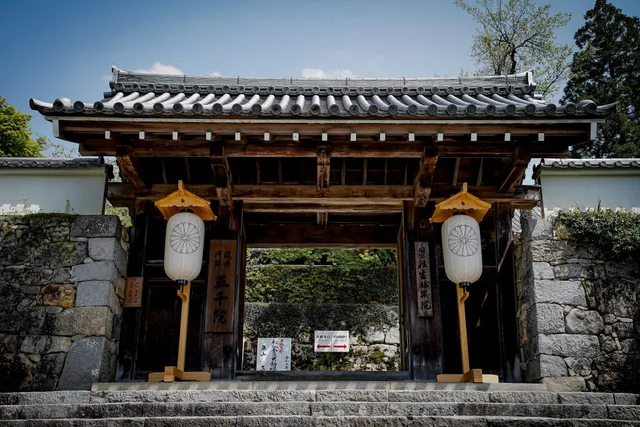
We came to Sanzennin Temple, a paid attraction, expecting a peaceful and respectful experience. Instead, we were forced to leave early after being treated like animals by the garden attendant at 聚碧園 (Shuheki-en).
As foreign tourists, we’ve always associated Japan with its renowned hospitality. However, what we encountered here was the complete opposite of omotenashi. It’s disgraceful that, even after paying to enter the grounds, we were treated with such hostility, particularly by the woman serving matcha—a lady with a bob haircut who acted as though we were an inconvenience rather than paying guests.
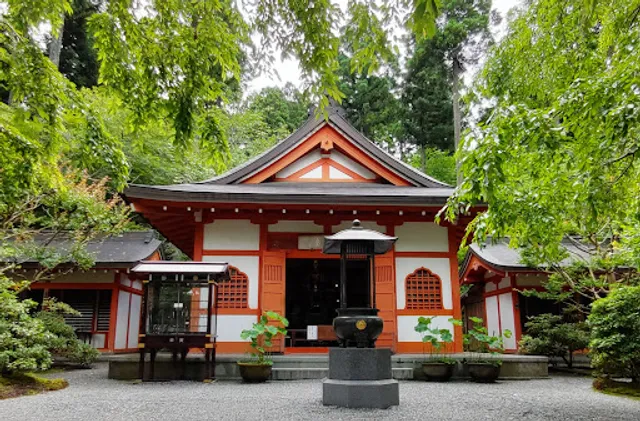
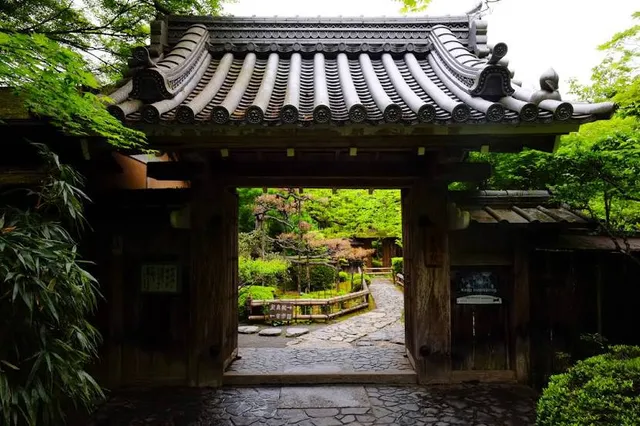
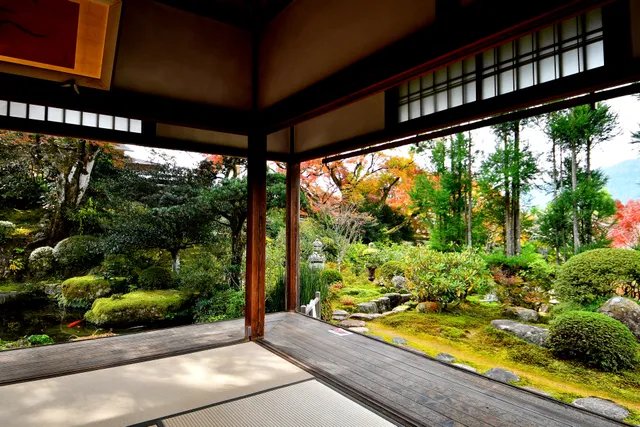
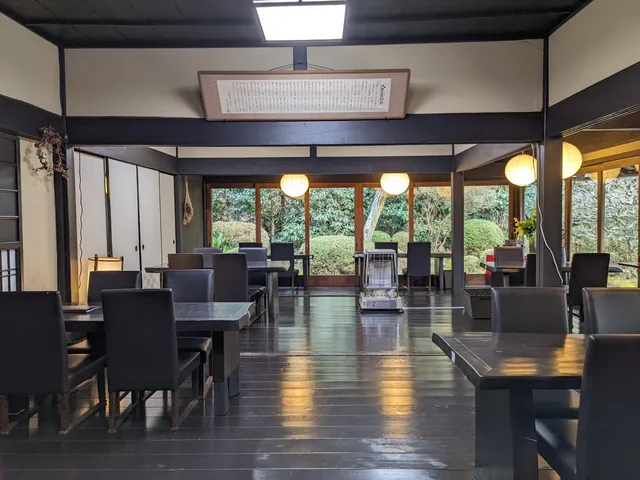
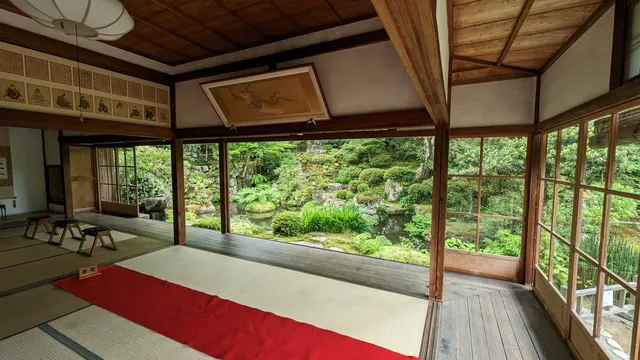
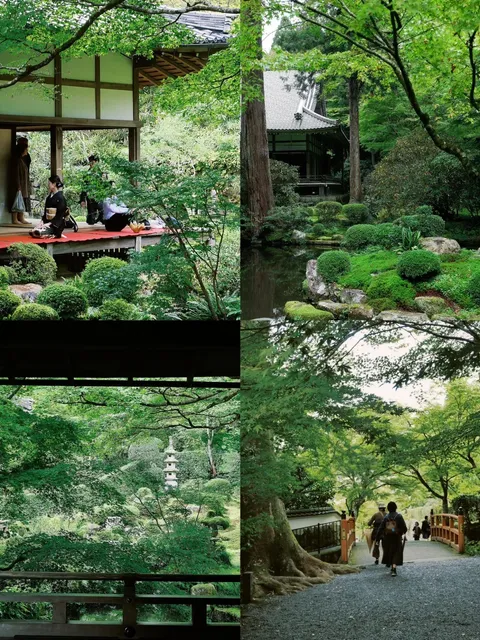
We wandered slowly and carefully through the temple grounds, eventually finding this serene garden. It wasn’t crowded, and there was a red carpet available, so with limited understanding of the temple’s customs, we naturally assumed we could sit and enjoy the beautiful view. However, moments later, the attendant approached us rudely, using a harsh tone to shoo us away as if we were wild animals. Only after this did we realize the garden had been converted into a tea room. But there was no clear indication of this! The separation between areas was vague, and the signs were small and only in Japanese.
To make matters worse, there were no clear instructions on how to order. We later discovered a hidden QR code explaining the process, but it wasn’t obvious. There was no one attending the entrance, no visible menu—how were we supposed to know the garden was for tea customers only? Instead of kindly informing us, this woman chose to treat us with complete disrespect, as if we were trespassing.
My sister was so appalled by the treatment that she left immediately. Had we known, we would have gladly ordered tea and followed the rules. But to be shooed away like animals after paying to be there is absolutely unacceptable. I doubt this is the level of hospitality the Japanese people pride themselves on.
I sincerely hope the temple addresses this issue, not just for the sake of paying tourists who visit with good intentions, but also because this is sacred ground that deserves respect from both staff and visitors alike. There is no place for such rude,...
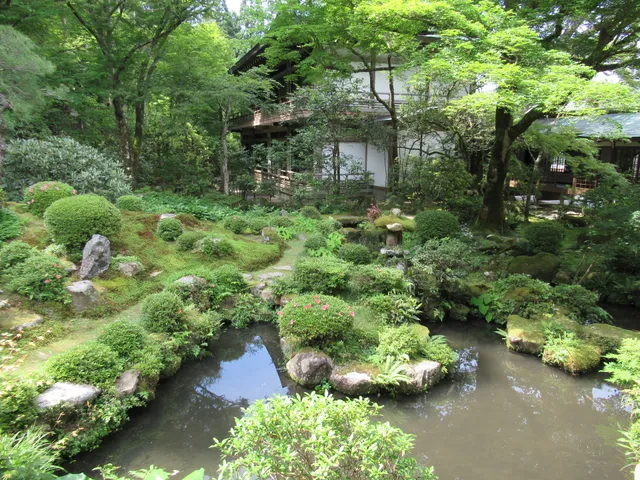
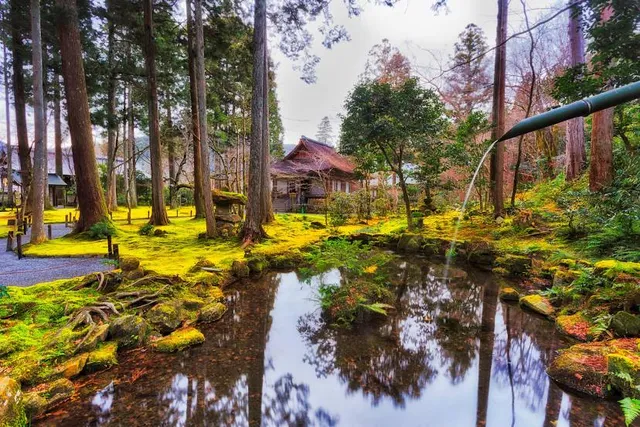
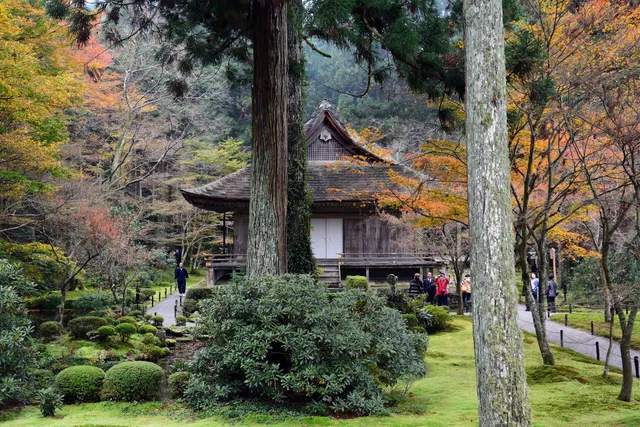
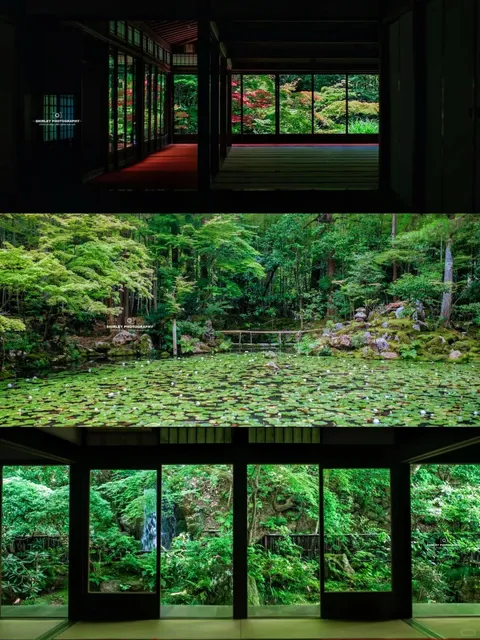
Read moreSanzen-in Temple is located in a mountainous town of Ohara in the northern part of Sakyo-ku. The temple belongs to Tendai sect of Buddhism established in the late 8th century by saint Saicho. Sain Saicho is most known as a founder of Enryakuji Temple. The main object of worship is Yakushi Nyorai statue. The origin of the temple can trace its roots to Enyubo on Mt. Hiei which is located in the south-west of Ohara during the period of Sain Saicho. It was later relocated to Ohara in 1871. This is why the temple has another name of remains of a gate to the late Sanzen-in Temple. Out of those three major Monzeki ( remains of a gate ) Temples of Tendai sect, Sanzen-in has the oldest one. There is a famous Amida Sanson Statues ( three bodies of Amida Nyorai statues ) placed in its main hall right in the center of a garden covered in deep green moss. In its precincts there are two streams running. One is called Ryosen and another one is called Ritsusen. Those names can be reffered to the rhythm of a Buddhist sutra.
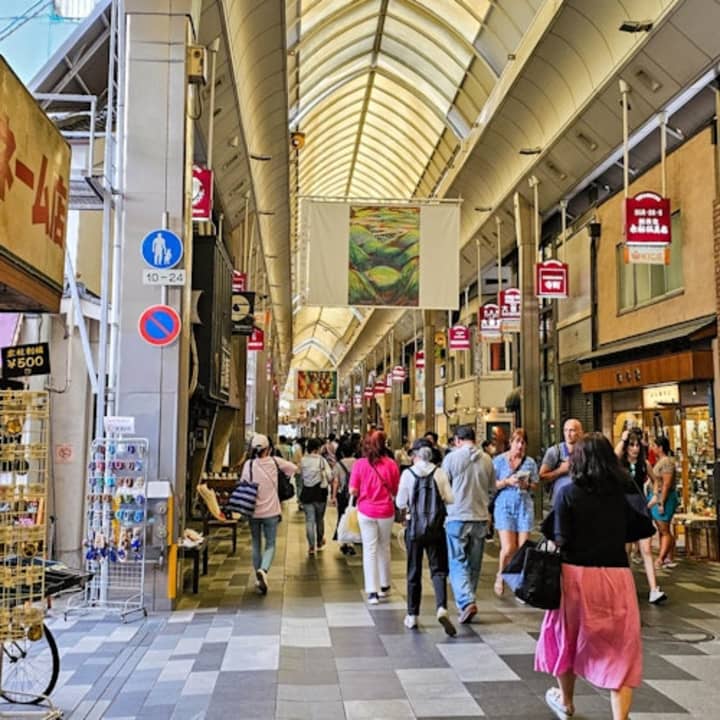
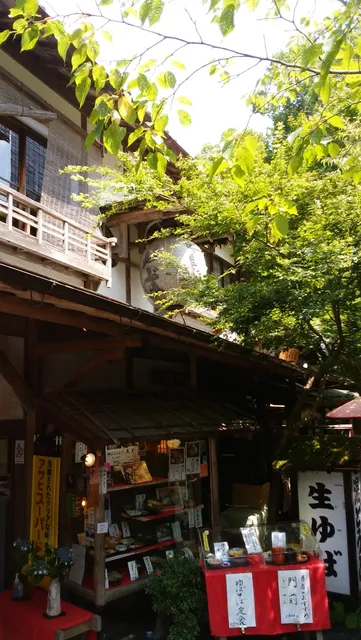
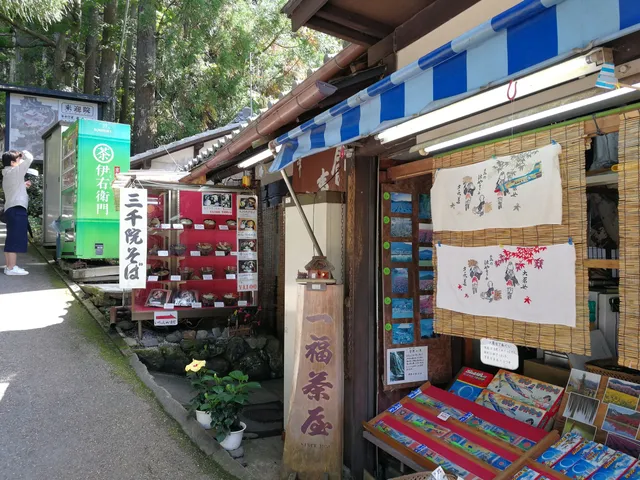
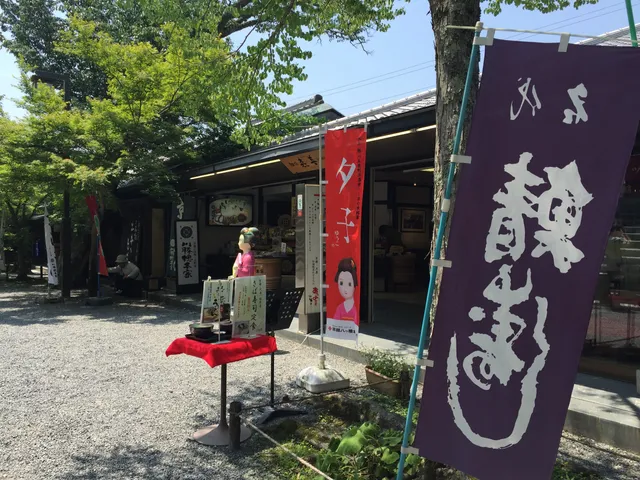
The temple is built in an extensive area at the foot of a mountain and its surrounding area has many other Buddhist temples connected with a narrow paths. You could spend half a day just strolling around this area full of attractions. Along the way to the temple is a path filled with many souvenir shops. You might notice some shops selling Shibazuke ( pickled egg plants seasoned with Shiso leaves ). Shiso leaves are the local special product in Ohara. Sanzen-in is mostly visited among tourists wishing to see autumn leaves in November, but you should not miss the seasonal beauty of its Hydrangeas bloom in June. The temple is never crowded except for the autmn season. You can fully enjoy the tranquility of its atmosphere. We highly recommend that when you come to Ohara, spend the whole day exploring around the town.
( Trans-word+ : TGM...
Read moreOhara is one of the most beautiful areas of Kyoto in any season. It's an especially popular spring & autumn destination. Beyond its famous temples and romantic, partly tragic reputation from centuries past, Ohara is also a excellent example of rural Japanese living. Exploration of the area will reveal thatch-roofed farm houses, men and women in traditional colorful farming clothes, ancient gardens, and fascinating rural farm-world walks.
Ohara's most famous site is Sanzenin Temple: for its trees, moss gardens and especially cool and refreshing surroundings. On the other side of the valley is the ancient vibes of Jakko-in Temple, where 12th century empress Heike spent the end of her life in exile.
Ohara is also known for it's Oharame women who sold brushwood, firewood and flowers (usually carried on their heads) on the streets of Kyoto.
There are two areas of Ohara that are recommended for long strolls. One is the area stretching to the southeast from the Sanzen-in area (parallel to the main road; but way above it). Here you will see prosperous farmhouses and many stunning rural views. The other area begins on along the narrow road running north along the west side of the valley. This road is not the main highway route and has little traffic.
For a really special Kyoto experience stay in Ohara for a night. Rustic Ohara no Sato (Tel: 744-2917) is the ideal place (the nightly fee includes their special miso-nabe dinner & breakfast).
To get to Ohara take Kyoto Bus # 17 or #18 from Kyoto Station (it takes about 40 min., except for weekends during peak season). In a taxi, you can expect to spend about Yen 5,000 to get there. Ohara village is a high-value gem that many foreign tourists miss. Don't be...
Read more