Nakaharababa Historic Site things to do, attractions, restaurants, events info and trip planning
Basic Info
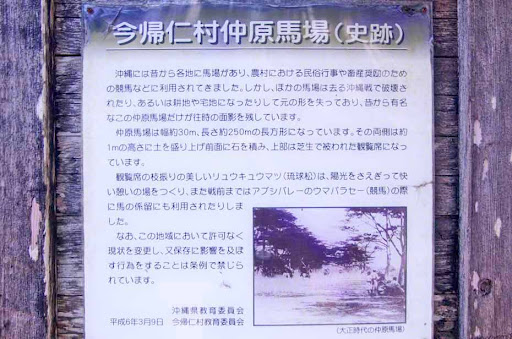
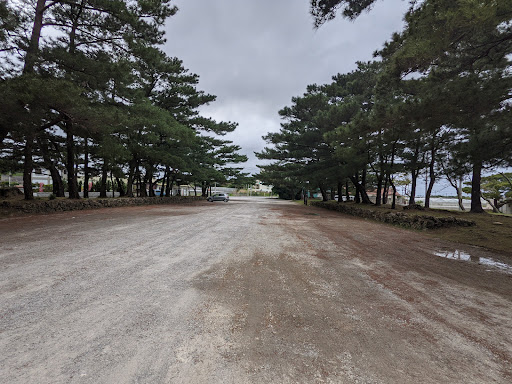
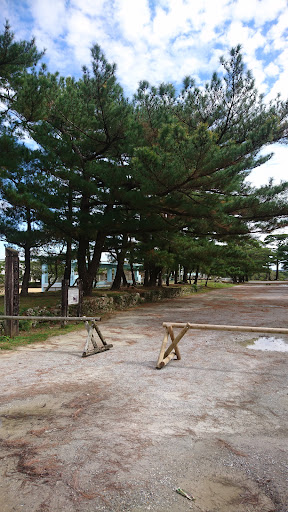
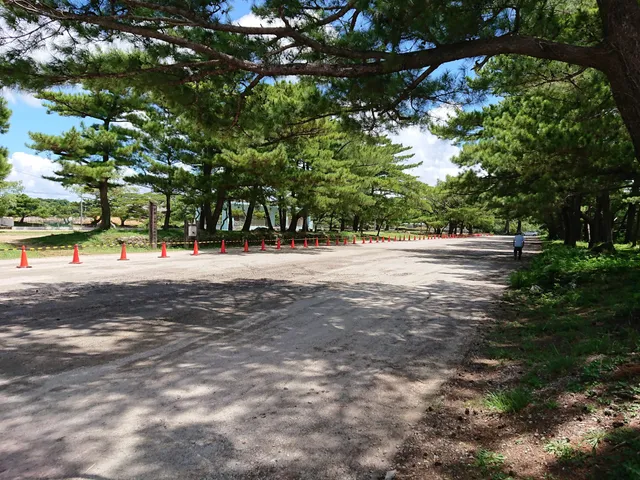
Nakaharababa Historic Site
207-6 Koechi, Nakijin, Kunigami District, Okinawa 905-0421, Japan
4.0(35)
Open until 12:00 AM
Save
spot
spot
Ratings & Description
Info
Cultural
Outdoor
Scenic
attractions: , restaurants: music bar ONDO, LOUNGE CAFE Lit(ラウンジカフェリット), Asian restaurant Kitone, Lima Tapioca Sand, Earthful Burger, local businesses: Town Plaza Kanehide Nakijin Sakura Market, アンカーザオーシャンクラブ|ANKER ~the ocean club~
 Learn more insights from Wanderboat AI.
Website
midorihana-okinawa.jp
Open hoursSee all hours
ThuOpen 24 hoursOpen
Plan your stay

Pet-friendly Hotels in Nakijin
Find a cozy hotel nearby and make it a full experience.

Affordable Hotels in Nakijin
Find a cozy hotel nearby and make it a full experience.

The Coolest Hotels You Haven't Heard Of (Yet)
Find a cozy hotel nearby and make it a full experience.

Trending Stays Worth the Hype in Nakijin
Find a cozy hotel nearby and make it a full experience.
Reviews
Live events

Kayak along Okinawas coast and reefs
Fri, Feb 27 • 9:00 AM
905-0422, Okinawa, Nakijin, Kunigami District, Japan
View details

Tea ceremony experience with simple kimono in Onna
Sat, Feb 28 • 1:00 PM
904-0401, Okinawa, Onna, Kunigami District, Japan
View details
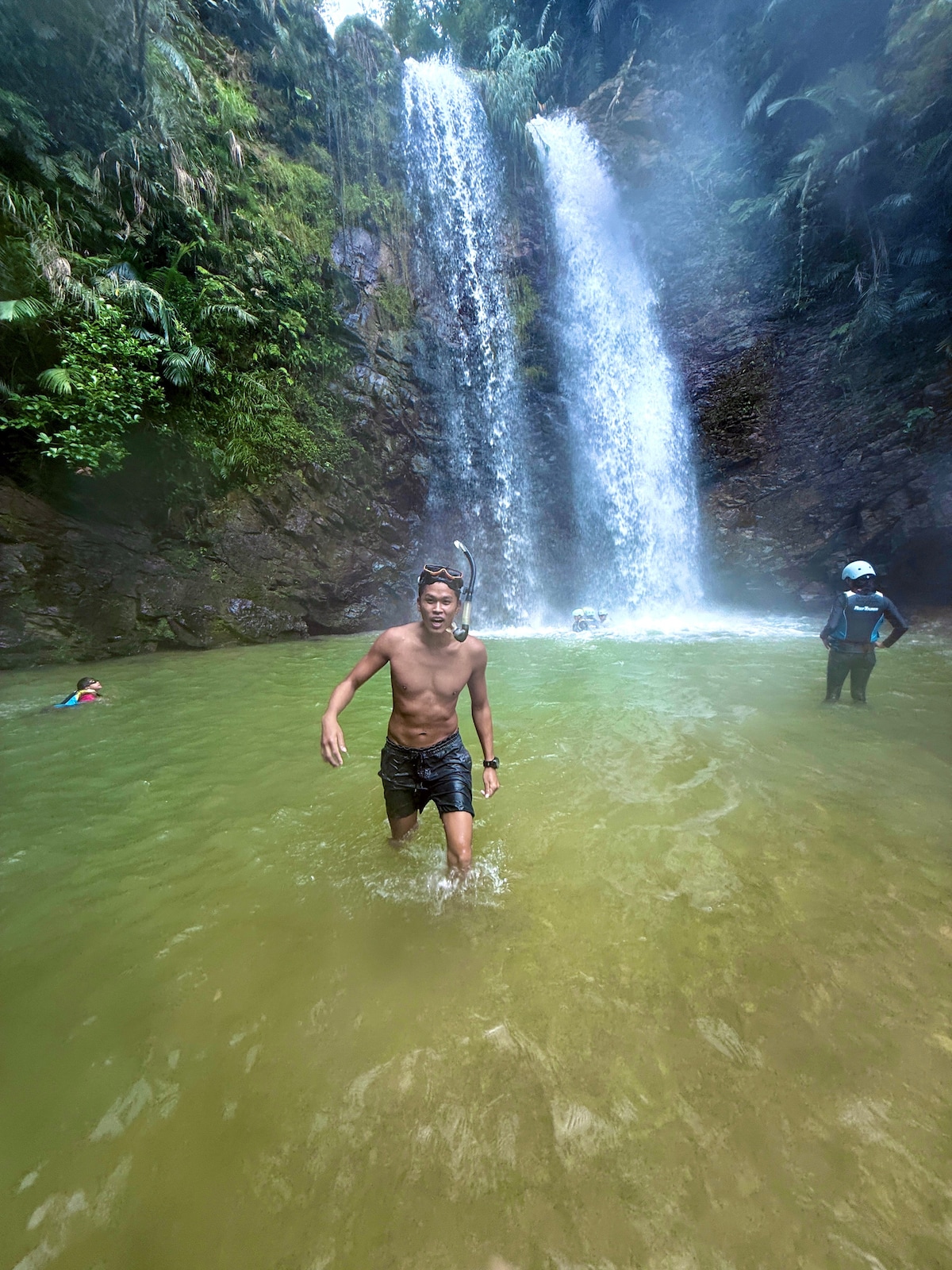
River Trekking to a Hidden Waterfall Okinawa
Fri, Feb 27 • 10:00 AM
905-1318, Okinawa, Ogimi Village, Kunigami District, Japan
View details
Nearby restaurants of Nakaharababa Historic Site
music bar ONDO
LOUNGE CAFE Lit(ラウンジカフェリット)
Asian restaurant Kitone
Lima Tapioca Sand
Earthful Burger

music bar ONDO
4.4
(24)
Closed
Click for details
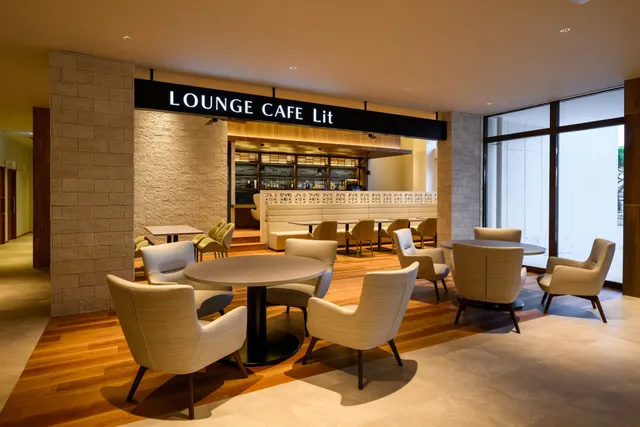
LOUNGE CAFE Lit(ラウンジカフェリット)
5.0
(3)
Open until 11:00 PM
Click for details
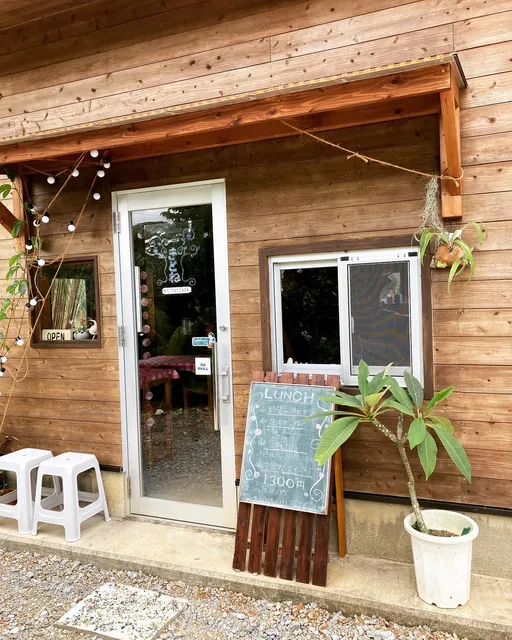
Asian restaurant Kitone
4.9
(26)
$
Closed
Click for details
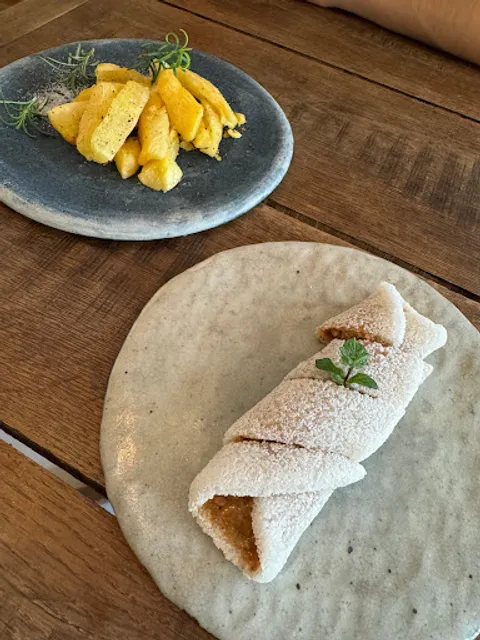
Lima Tapioca Sand
4.7
(18)
Open until 12:00 AM
Click for details
Nearby local services of Nakaharababa Historic Site
Town Plaza Kanehide Nakijin Sakura Market
アンカーザオーシャンクラブ|ANKER ~the ocean club~

Town Plaza Kanehide Nakijin Sakura Market
4.3
(189)
Click for details

アンカーザオーシャンクラブ|ANKER ~the ocean club~
5.0
(38)
Click for details